How Many Acres of Public Land West Virginia Has
Navigating the vast landscapes of West Virginia for hunting opportunities can feel like a daunting task, especially with so much private land, confusing property lines, and a constant worry about where you're legally allowed to set foot. It’s a common frustration for hunters, both residents and those visiting our beautiful mountains, to spend countless hours scouting only to be unsure if they’re on public ground. This comprehensive guide is here to unravel the mystery of West Virginia’s public hunting lands, clarifying just how much acreage is available, what types of land you can access, and how to make the most of your time afield.
The Mountain State's Green Assets: An Overview of West Virginia's Public Hunting Land
West Virginia might be known for its private timber tracts, coal lands, and family farms, but we are also blessed with a significant amount of public ground that offers incredible hunting opportunities. For many, it's the only access they have to pursue whitetails, turkeys, bears, and small game. Understanding the scope and variety of these lands is the first step toward a successful and enjoyable hunting season.
Just How Much Land Are We Talking About?
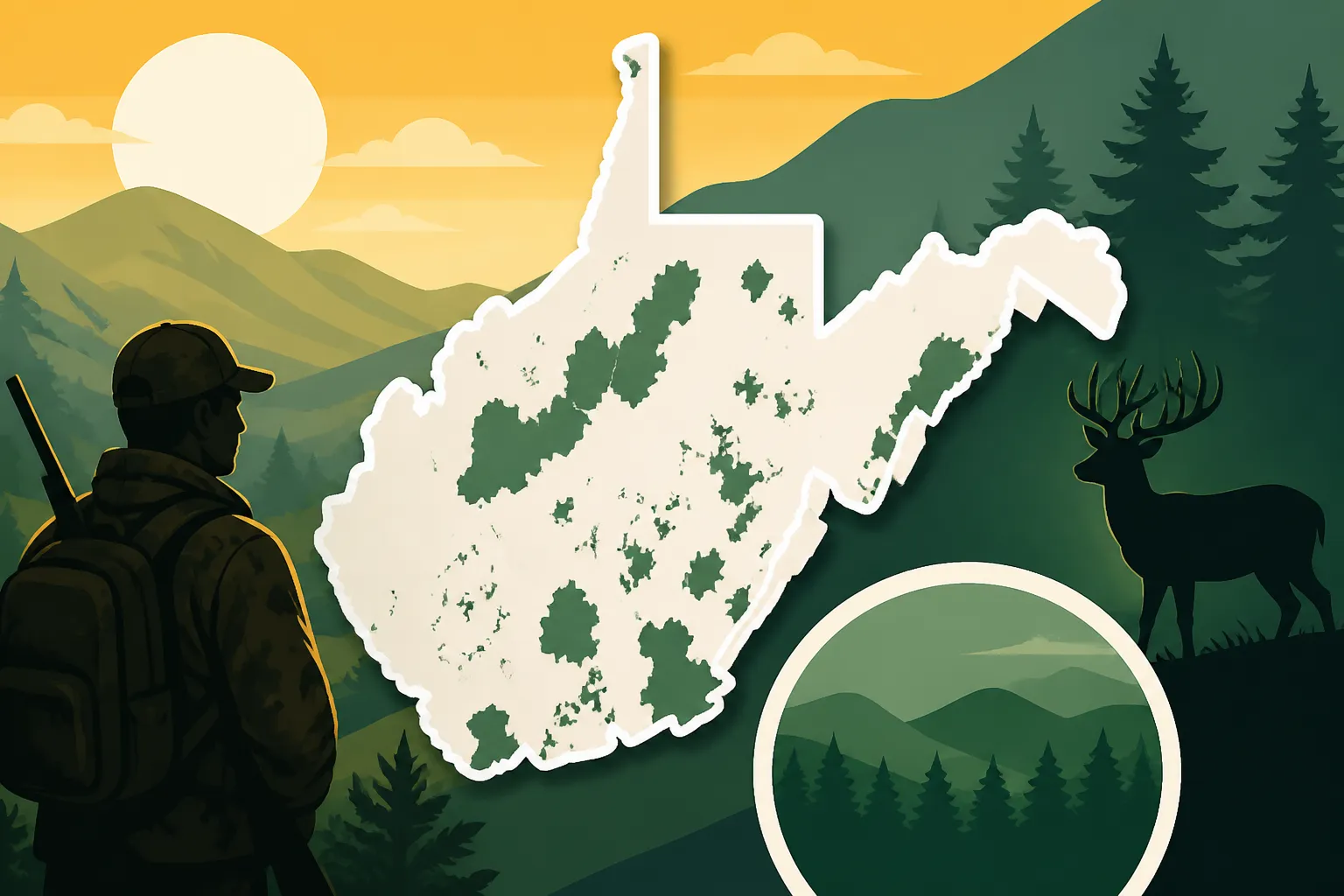
When you’re looking at a map of West Virginia, it might seem like private land dominates, and in many areas, that’s true. However, the Mountain State boasts well over one million acres of public land accessible for hunting. This isn't just a handful of scattered plots; it represents a substantial portion of our wild spaces, including vast national forests, numerous wildlife management areas, and state forests. While the exact figure can fluctuate slightly with land acquisitions and designations, knowing that such a considerable amount of land exists provides a real sense of hope for hunters who might feel squeezed out. It means there's always an opportunity, always another ridge to explore, another hollow to drop into, without needing permission from a private landowner.
To put it in perspective, imagine all that space, covering diverse terrains from rugged mountain peaks to rolling foothills and river bottoms. It's a land base that supports thriving wildlife populations and offers a true "backcountry" experience in many places, a rarity in some other eastern states. This large footprint ensures that whether you're after a mature whitetail buck or a wary spring gobbler, there’s likely a piece of public ground waiting for your boot prints.
Why Public Land is More Important Than Ever for Hunters
In today's hunting landscape, the importance of public land cannot be overstated. With increasing development, "No Trespassing" signs proliferating, and the rise of hunting leases and clubs, finding quality private land access can be incredibly challenging, even for long-time residents. For nonresident hunters, it can be even tougher, sometimes feeling nearly impossible to secure a spot without local connections. Public land acts as the great equalizer, ensuring that anyone with a valid license and a desire to hunt has a place to go.
Beyond just access, these public lands are critical for conservation. They provide large, contiguous habitats essential for healthy wildlife populations, especially for wide-ranging species like black bears and robust deer herds. They also serve as vital corridors for wildlife movement. The management of these areas by state and federal agencies focuses on habitat improvement, scientific wildlife monitoring, and sustainable hunting practices. Without this public resource, hunting in West Virginia would look very different, becoming an exclusive activity rather than a heritage accessible to all. It's truly the backbone of our hunting tradition and a testament to the foresight of those who set these lands aside.
Deciphering the Landscape: Different Types of Public Hunting Lands
Not all public land is created equal, and understanding the distinctions between different types of public ground is crucial for a successful and compliant hunt. Each category comes with its own set of rules, management objectives, and typical hunting experiences. Knowing where you are and what to expect can prevent frustration and ensure you're making the most of the opportunities available.
National Forests: The Expansive Backcountry
When we talk about vast, wild public hunting land in West Virginia, the Monongahela National Forest immediately comes to mind. This sprawling federal land encompasses hundreds of thousands of acres across the Allegheny Mountains, offering a truly rugged, remote, and often challenging hunting experience. It's characterized by steep, timbered ridges, deep hollows, and a mosaic of diverse habitats, from high-elevation spruce forests to mixed hardwoods. This is where you can truly escape the crowds if you're willing to put in the miles and climb some serious elevation.
Hunting in the National Forest often means less intensive management in terms of food plots or specific habitat alterations, relying more on natural mast production and timber management practices. Regulations generally follow statewide rules but may include specific guidelines regarding things like baiting, permanent treestands (Treestand Rules on West Virginia Public Land), or vehicle use on forest roads. It’s imperative to check these rules before heading out, as they can differ slightly from WMA regulations. The sheer scale of the Monongahela means diverse opportunities for everything from deer to bear and grouse, often providing a genuine backcountry adventure where solitude is possible.
Wildlife Management Areas WMAs: Targeted Habitat and Access
Wildlife Management Areas, or WMAs, are parcels of land managed specifically by the West Virginia Division of Natural Resources (WVDNR) to provide public hunting, fishing, and other wildlife-related recreation. These areas can range from small tracts to very large expanses, but unlike the National Forests, they typically feature more active habitat management. You might find designated food plots, controlled burns, timber harvests tailored for wildlife, or specific infrastructure like parking areas and access roads.
WMAs often have their own specific rules beyond the statewide hunting regulations, so always consult the WVDNR hunting regulations pamphlet or website for the particular WMA you plan to visit. For instance, some WMAs might require a special permit or a sign-in process (West Virginia WMA Access Sign-In Process), while others might have restrictions on certain types of weapons or hunting methods. West Virginia Wildlife Management Areas are often popular because of their concentrated game populations due to active management and relatively good access. Iconic WMAs like Cranberry Wildlife Management Area offer diverse terrain and species, while others like Tomblin Wildlife Management Area are specifically managed for unique opportunities, such as elk viewing and, eventually, elk hunting through a quota system.
State Forests and Other Public Access Points
Beyond the grand scale of the National Forests and the targeted management of WMAs, West Virginia also offers hunting opportunities within its State Forests and, in limited capacities, some State Parks. State Forests, such as Kumbrabow or Coopers Rock State Forest, typically feature extensive timbered tracts and are managed for multiple uses, including timber production, recreation, and wildlife. They often provide a less rugged experience than much of the National Forest, with more established trail systems and easier access points, making them great options for day hunts.
While not primarily hunting grounds, some West Virginia State Parks also offer specific hunting opportunities, usually through special quota hunts or designated archery-only seasons (Which West Virginia State Parks Allow Hunting). These can be fantastic for hunters living near more populated areas or those seeking less pressured deer in controlled environments. Additionally, some smaller, often overlooked tracts managed by local municipalities or other agencies may offer hunting, though these are much less common and require thorough research. Always be diligent in identifying the managing authority and their specific rules for any public land you intend to hunt.
| Public Land Type | Primary Managing Agency | Typical Acreage | Key Features for Hunters | Common Game Species |
|---|---|---|---|---|
| National Forests | US Forest Service | Hundreds of thousands of acres | Remote, rugged, diverse habitat, backcountry experience, minimal amenities | Deer, Bear, Turkey, Grouse, Squirrel, Rabbit, Coyote |
| Wildlife Management Areas | WVDNR | Varies widely, from hundreds to tens of thousands of acres | Actively managed habitat, specific access rules, sometimes food plots, more amenities | Deer, Turkey, Waterfowl, Squirrel, Rabbit, Bear (dependent on area), (Elk in Tomblin WMA) |
| State Forests | WVDNR | Thousands to tens of thousands of acres | Timbered tracts, often easier access, diverse recreational uses | Deer, Turkey, Squirrel, Rabbit, Grouse |
| State Parks (Limited/Quota) | WVDNR Parks & Recreation | Small parcels, specific hunting zones | Special quota hunts, archery-only zones in select areas, very specific rules | Deer (often antlerless or archery-only), Turkey (limited) |
Navigating the Topography: Key Public Hunting Destinations in West Virginia
West Virginia's diverse topography, from the eastern panhandle's rolling farmlands to the rugged spine of the Alleghenies, means public hunting opportunities vary significantly by region. Knowing where the major public land strongholds are and what they offer can help you tailor your hunting plans to your preferred species and hunting style.
The Monongahela National Forest: A Hunter's Paradise
The Monongahela National Forest is truly the crown jewel of public hunting land in West Virginia. Covering over 900,000 acres, it spans much of the mountainous eastern part of the state, creating an immense, wild playground for hunters. Here, you'll find everything from mature oak and hickory forests, prime for deer and squirrel, to high-elevation spruce and laurel thickets, offering excellent bear and grouse cover. The sheer size of the "Mon," as it's affectionately known, means that solitude is genuinely possible if you’re willing to hike deep into its vastness.
Hunting here is often physically demanding. You’ll contend with steep climbs, deep hollows, and often dense undergrowth. However, the reward can be substantial. For deer hunters, understanding the terrain for Treestand Setups in Monongahela National Forest and predicting how deer move along benches and saddles is key. Bear hunters often find success pursuing bruins over natural mast crops, particularly in good acorn years, making tactics like Hunting Bears Over Natural Mast in the Mountains highly effective. The Monongahela offers a true wilderness hunting experience that is increasingly rare in the eastern United States, making it a bucket-list destination for many.
Cranberry and Other Prominent WMAs
Within the Monongahela National Forest, and scattered across the state, are several large and incredibly productive Wildlife Management Areas that deserve special mention. Cranberry Wildlife Management Area, at over 50,000 acres, is one of the largest WMAs and is entirely surrounded by the Monongahela National Forest. It's renowned for its rugged beauty and excellent hunting for deer, bear, and turkey. The Cranberry is actively managed for wildlife, featuring various habitat types that appeal to a wide range of game.
Other notable WMAs offer distinct hunting experiences. For instance, Handley WMA provides a more accessible mountain hunting experience, complete with campsites for hunters to use (Handley WMA Campsite Access for Hunters). Little River WMA is known for its excellent deer ground (Little River WMA Deer Ground) and diverse habitat. Further south, the Tomblin Wildlife Management Area has become famous as the focal point of West Virginia's elk restoration efforts, eventually offering unique, lottery-based elk hunting opportunities. These WMAs represent a balance of managed habitat and public access, often providing a more consistent hunting experience than simply wandering the broader National Forest.
Regional Public Land Opportunities
Beyond these major players, West Virginia’s diverse regions each offer unique public land hunting prospects. In the Hunting the Eastern Panhandle, while much of the land is private farmland, there are still excellent public tracts, often in counties like Hampshire, Hardy, and Grant, known for their potential to produce larger bucks. These areas blend timbered ridges with agricultural edges, requiring different tactics than the deep woods of the Monongahela. Here, hunters might focus on woodlots bordering fields or understanding deer movement between different food sources.
Further south, in what are traditionally known as the Hunting the Southern Coalfields, public land can be found on reclaimed mine lands or in specific WMAs. These areas, particularly in counties like Logan and McDowell, are famous for their archery-only deer seasons and unique opportunities to hunt in less-pressured environments. The rugged terrain here can be incredibly challenging but also holds dense populations of deer and bear. And along the Hunting Ohio River Valley Bottomland, smaller public tracts or WMAs might provide excellent opportunities for waterfowl hunting, particularly for wood ducks and resident Canada geese, as well as some quality small game and deer hunting in river bottom environments. Each region truly presents its own specific public land hunting puzzle to solve.
Tools and Tactics for Finding Your Spot
Finding good hunting ground on West Virginia's vast and often rugged public lands requires more than just luck. In the modern era, hunters have access to an incredible array of tools that can turn hours of guesswork into efficient, targeted scouting. Combining these technological aids with traditional boots-on-the-ground efforts is the recipe for consistent success.
Digital Mapping Apps: Your Modern-Day Compass
Gone are the days when a crumpled paper map and a basic compass were your only navigation tools. Today, digital mapping applications have revolutionized how hunters scout and navigate public land. Leading the charge are platforms like onX Hunt (brand mention 1), which allow you to view detailed topographic maps, satellite imagery, and, most critically, clearly delineate public and private land boundaries right on your phone or tablet. Imagine knowing exactly where a property line runs, preventing accidental trespass before you even step foot in the woods.
These apps also offer layers for various features such as historical wildfires, timber cuts, access roads, and even common game movements. You can mark waypoints for potential stand locations, bedding areas, or scrape lines, then navigate precisely to them using your GPS-enabled device. This precision is invaluable on sprawling public tracts where landmarks can be scarce. Another excellent resource is GoHunt (brand mention 2), which provides similar robust mapping capabilities and often integrates specific state regulations and draw odds for different hunts, although its mapping functions are what truly shine for on-the-ground navigation. Utilizing these tools for pre-season scouting, planning entry and exit routes, and staying oriented during a hunt is no longer a luxury, but a fundamental part of public land hunting strategy.
WVDNR Resources and Traditional Maps
While digital apps are fantastic, they should complement, not entirely replace, the official resources provided by the West Virginia Division of Natural Resources (WVDNR) and the wisdom of traditional maps. The WVDNR's website is a treasure trove of information, offering detailed regulations, season dates, and often, downloadable maps of specific Wildlife Management Areas. Their "Go Wild West Virginia" online portal is your go-to for purchasing licenses and permits, and it also features interactive maps that can help you Scouting With the WVDNR App and identify public lands.
It's wise to carry a physical map of the area you’re hunting, especially in remote parts of the Monongahela National Forest where cell service can be non-existent. There are plenty of stories of hunters relying solely on their phone, only to have the battery die or lose signal, leaving them disoriented. A good topographic map provides a timeless, reliable overview of the terrain, helping you understand elevation changes, drainages, and ridge lines without the need for technology. Understanding how to Using Go Wild West Virginia Without Cell Service is a skill worth cultivating, ensuring you’re never truly lost.
Scouting and Local Knowledge
No amount of digital mapping can replace the boots-on-the-ground work of physical scouting. Pre-season trips to public land are absolutely vital for understanding current conditions, fresh sign, and game movement. This means walking the ridges, checking the hollows, and looking for rub lines, scrapes, and feeding areas. Pay attention to mast crops – whether it’s a good year for acorns, hickory nuts, or soft mast, as this will dictate deer and bear movements. Scouting West Virginia Public Land Before Season allows you to adjust your game plan based on what the animals are actually doing, not just what a map suggests.
Beyond your own observations, tapping into local knowledge can be incredibly beneficial. While hunters are often tight-lipped about their honey holes, engaging with locals, landowners, or even WVDNR staff can provide invaluable insights into an area. They might share general patterns of game movement, historical mast crop trends, or point you towards often-overlooked public access points. Just remember to be respectful, share stories, not secrets, and always verify any information with current regulations and your own scouting efforts.
Challenges and Considerations for Public Land Hunters
Hunting on West Virginia's public lands offers immense rewards, but it also comes with its own unique set of challenges. Being prepared for these hurdles and understanding the specific considerations involved can significantly enhance your experience and increase your chances of success. It’s not just about finding the game, but navigating the environment, the rules, and sometimes, other people.
Managing Hunting Pressure
One of the most significant realities of public land hunting, especially in easily accessible areas or during opening weekends, is dealing with hunting pressure. On any given opening day, popular WMAs and National Forest access points can see a surprising number of vehicles. This can lead to crowded woods, spooked game, and a general feeling of frustration. Hunters need to understand that Opening Weekend Crowds on West Virginia Public Land are a factor and adapt their strategies accordingly.
The key to escaping pressure often lies in distance and difficulty. Most hunters won't venture far from a road or parking area, especially if the terrain is steep. If you’re willing to hike further, climb higher, or drop into a particularly gnarly hollow, you'll likely Finding Ground Others Walk Past and encounter fewer people and less disturbed game. Think about scouting those remote corners, the deep ravines, or the thick laurel slicks that most people avoid. Hunting weekdays instead of weekends can also make a huge difference, as can targeting less popular species or less traditional hunting methods.
Understanding Rules and Regulations
West Virginia has a robust set of hunting regulations, and it is every hunter's responsibility to know and follow them meticulously. Beyond the general statewide season dates and bag limits, public lands often have additional, specific rules. For example, some WMAs might have sign-in requirements or restrictions on baiting, while National Forests might have rules regarding vehicle access or camping (Camping Rules on West Virginia National Forest Land). Ignorance of the law is never an excuse, and game wardens are frequently patrolling public areas.
Crucially, West Virginia has designated Chronic Wasting Disease (CWD) Containment Areas, primarily in the Eastern Panhandle, which come with strict regulations. Hunters harvesting deer within these counties must adhere to mandatory CWD testing requirements (How West Virginia's CWD Containment Area Works) and carcass movement restrictions (West Virginia Carcass Movement Restrictions) to prevent the spread of the disease. Blaze orange requirements (West Virginia Blaze Orange Requirements) are also mandatory during certain seasons. Always carry a copy of the current regulations or have access to the WVDNR's digital version, and double-check any specific rules for the exact public land you plan to hunt.
Respecting the Resource and Other Users
Public lands are a shared resource, and ethical conduct extends beyond just following hunting regulations. Hunters share these spaces with hikers, campers, birdwatchers, and other outdoor enthusiasts. It’s vital to be respectful of all users, maintain a low profile, and avoid actions that might disrupt others' experiences. This includes things like managing noise, especially near trails or campgrounds, and being mindful of shot placement and direction for safety.
Furthermore, we all have a responsibility to leave the land better than we found it. This means practicing "Leave No Trace" principles: packing out all trash, minimizing impact on vegetation, and properly disposing of game waste. If you use a treestand, remember to abide by rules about their placement and removal, ensuring you're not damaging trees or leaving permanent structures (Treestand Rules on West Virginia Public Land). Respecting the land, the wildlife, and our fellow outdoor enthusiasts ensures that public hunting opportunities will remain available and cherished for generations to come.
Maximizing Your Success on West Virginia's Public Acres
Hunting West Virginia's public lands is a deeply rewarding experience, but it often demands a different approach than hunting private, managed ground. Success here isn't just about finding game; it's about smart strategy, adaptability, and being prepared for the unique challenges these wild spaces present. Embrace the grind, and the Mountain State will often reward your efforts.
Strategic Access and Entry
The way you access and enter a public hunting area can make or break your hunt. In heavily hunted areas, game animals quickly learn to associate roads and well-worn trails with human activity. To beat the pressure, consider creative and quiet entry routes. Instead of walking directly down a main trail, use topographical features like small drainages, logging road beds, or ridge lines to approach your desired hunting spot undetected. Pay close attention to wind direction and thermals, especially in West Virginia's steep terrain where air currents can be complex (Wind and Thermals on a Steep Ridge). Early mornings often see thermals rising, while evenings see them falling, directly impacting how your scent travels.
Parking strategically is also critical. If possible, avoid parking directly at obvious trailheads or popular access points. A short walk down the road or utilizing a less obvious pull-off can deter other hunters from following your exact path. For many public land hunters, the rule of thumb is to How Far to Walk From a Forest Road to find less-pressured animals – often, just walking an extra half-mile or mile off the beaten path can get you into unpressured territory. This strategic approach minimizes your footprint and disturbance, keeping the game animals calmer and more predictable.
Adaptability and Persistence
Public land hunting in West Virginia rarely goes exactly as planned, and that's part of its charm. You might scout a perfect oak flat only to find the acorns are gone, or arrive to find another hunter already set up in your chosen spot. Successful public land hunters are adaptable. They have backup plans, are willing to move their setup on the fly, and can change tactics based on what the woods are telling them. Did a cold front just roll through? Are the deer suddenly hitting a different food source? Observe, analyze, and adjust.
Persistence is arguably the most crucial trait for a public land hunter. Unlike private land where you might have established food plots or trail camera intel, public land requires more effort to locate and pattern game. You might strike out several times before finding success. Don't get discouraged by empty stands or quiet mornings. Keep scouting, keep learning the terrain, and keep putting in the miles. The big woods don't give up their secrets easily, but with enough effort, they will eventually reveal them. Every failed hunt is a learning opportunity, building your knowledge base for future success.
Equipment Considerations for Rugged Public Land
West Virginia's public lands demand rugged, reliable gear that can withstand its challenging environment. Your equipment choices should prioritize functionality, durability, and comfort. Good quality hiking boots, preferably waterproof and well-broken in, are non-negotiable for navigating steep, rocky terrain and potentially wet conditions (Boots for West Virginia Hollows and Ridges). Layering your clothing is key to managing temperature swings, from frosty mornings to warmer midday hikes (Clothing for a West Virginia Late Season). Wool or synthetic base layers are far superior to cotton for moisture wicking and warmth.
For navigation, a reliable GPS unit or a fully charged smartphone with a mapping app (and a backup battery!) is essential. Carrying a quality pack (Packs for a Monongahela Forest Day Hunt) that can comfortably hold your essentials, game bags, and perhaps even a quartered animal, is also crucial. And for successful game retrieval, especially in the steep and difficult terrain of the Monongahela, consider investing in a deer sled or a robust game cart if terrain allows (Sleds and Drags for Steep Country). For truly remote kills, knowing how to bone out an animal and use a frame pack to carry it out (Frame Packs for Boning Out a Deer) can save you immense effort and ensure your hard-earned venison makes it back home. Being well-equipped means you can focus on the hunt, not on struggling with your gear or the unforgiving landscape.
Disclaimer
This article is for general informational purposes only and does not constitute professional advice. Laws, prices and regulations vary by location and change over time. Consult a qualified professional for guidance on your specific situation.