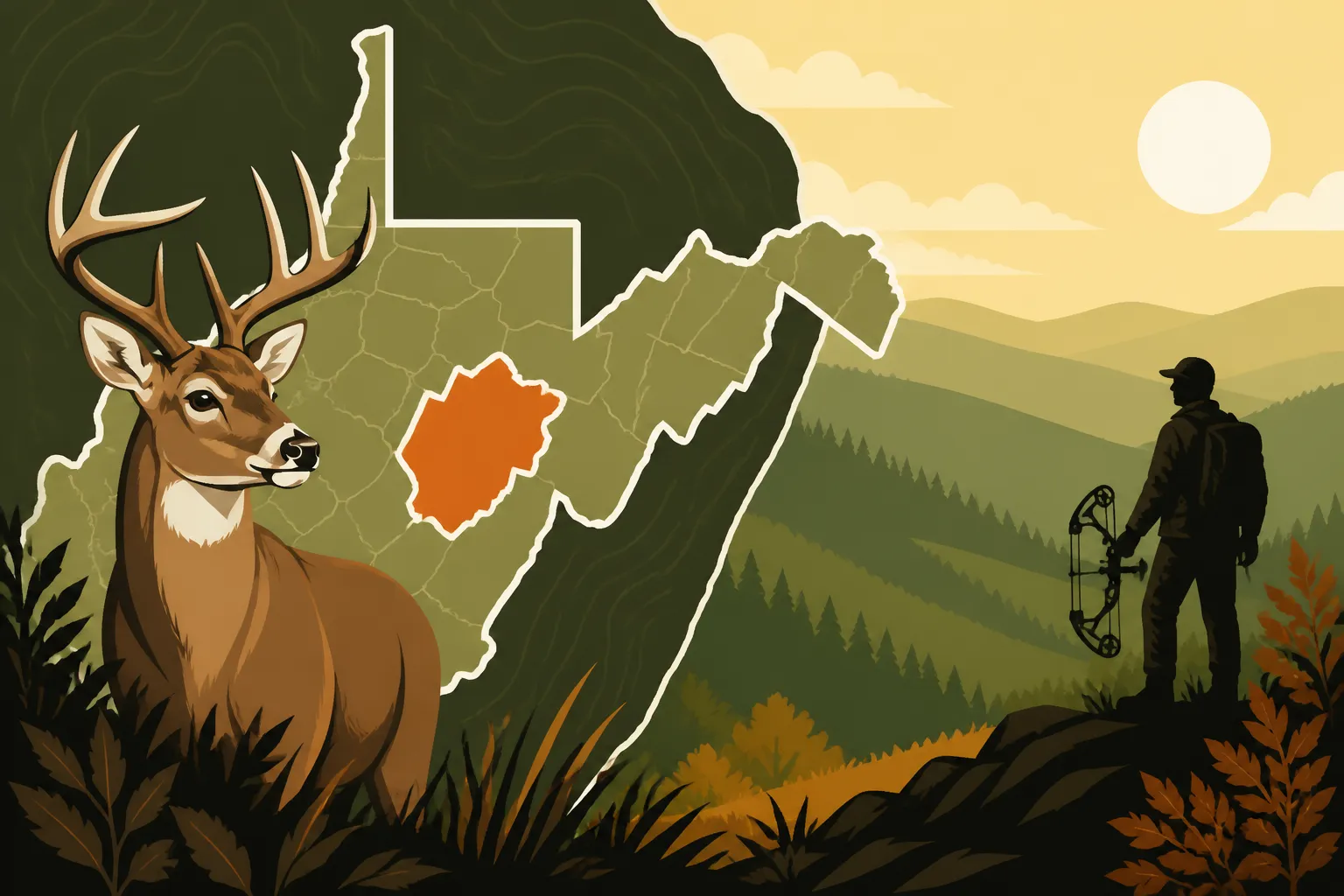
Morgan County CWD Zone Public Ground
It can feel daunting to hunt public land, especially when you factor in specific regulations for areas impacted by Chronic Wasting Disease (CWD). Morgan County is one of those places where hunters need to be extra vigilant, and understanding the nuances of public access and CWD rules is absolutely essential for a successful and legal hunt. This guide will walk you through navigating public hunting opportunities in Morgan County's CWD zone, helping you understand the regulations and find those coveted spots.
Understanding the CWD Situation in Morgan County
First things first, let's talk about CWD. It's a serious neurological disease that affects deer, elk, and moose, and unfortunately, it's present in West Virginia. Morgan County, nestled in the Eastern Panhandle, is part of what's designated as a CWD Containment Area. This isn't just a label; it means there are specific rules and responsibilities that come with hunting here, designed to monitor and hopefully contain the disease. For hunters, this translates into some extra steps, but they're important for the health of our deer herd and the future of hunting in the state. You might be wondering How West Virginia's CWD Containment Area Works, and it's definitely something every hunter in the region needs to grasp.
The presence of CWD in a county like Morgan changes the game slightly. It introduces mandatory testing requirements in some scenarios and strict rules about how you can transport harvested deer. These measures are put in place because the disease is always fatal to infected animals, and it can spread through saliva, urine, feces, and even decaying carcasses. As hunters, we have a vital role to play in slowing its spread, and that means respecting and understanding these regulations, even if they add a bit more to your post-harvest routine. For a broader picture, you can learn more about West Virginia's Chronic Wasting Disease Counties.
The Eastern Panhandle's CWD Containment Area
Morgan County is one of several counties in the Eastern Panhandle that fall within the CWD Containment Area. This zone was established to manage the disease where it has been detected, particularly after it was first identified in Why Hampshire County Became West Virginia's CWD Ground Zero. The containment area isn't a solid wall, but rather a geographic boundary where enhanced regulations are in effect. This often includes mandatory reporting and testing of harvested deer, especially bucks, and strict rules on moving deer carcasses or certain parts out of the area. It's not about making hunting harder; it's about protecting the resource we all cherish.
When you're planning a hunt in Morgan County, assume you are within the containment area. This isn't just about following the law; it's about being a responsible steward of the land and its wildlife. The health of the deer herd depends on hunters doing their part, and that includes understanding that while CWD is a serious concern, it doesn't mean you can't still enjoy incredible hunting opportunities here. You just need to be informed and prepared for the protocols.
Why CWD Regulations Matter for Public Land Hunters
For those of us who prefer public land, these CWD regulations carry a particular weight. Public lands often see higher hunter pressure, and understanding how to manage your harvest within the rules is paramount. Imagine finally getting that buck you've been after on Sleepy Creek WMA, only to realize you can't transport it home without violating carcass movement restrictions. That's a frustration we all want to avoid. The regulations are designed to prevent the physical spread of infected material, so knowing them inside and out will save you headaches and keep you on the right side of the law.
Furthermore, compliance helps ensure the data collected on CWD is accurate. When hunters participate in mandatory testing or submit samples, that information helps wildlife biologists track the disease's prevalence and spread, informing future management decisions. It’s a collective effort, and public land hunters are on the front lines, both enjoying the resource and helping protect it. Every deer checked, every sample submitted, contributes to a larger picture that benefits everyone who loves White-Tailed Deer Across West Virginia.
Identifying Public Hunting Areas in Morgan County
Morgan County offers some fantastic public hunting opportunities, primarily through Wildlife Management Areas (WMAs). While it's not a county dominated by vast tracts of national forest like some of our mountain regions, the WMAs here provide crucial access for deer, turkey, and small game hunting. Knowing where these areas are, how to access them, and what kind of terrain to expect is key to a productive hunt.
When you're looking for specific boundaries, tools like onX Hunt are invaluable. You can overlay property lines, locate access points, and even see terrain features that might concentrate deer. GoHunt can also provide useful data on public land access and species presence, helping you plan your trip with precision. Don't just show up and hope for the best; do your homework beforehand. After all, the better you understand the land, the better your chances of success.
Sleepy Creek Wildlife Management Area
Sleepy Creek WMA is the gem of public hunting in Morgan County, and it's a significant resource in the Eastern Panhandle. Spanning over 22,000 acres, it offers a mix of mature hardwood forests, pine plantations, and some clear-cuts. The terrain ranges from rolling hills to steeper ridges, providing diverse habitat for deer, turkey, and even some bear. Access points are numerous, but many of the interior roads are gated or only accessible by foot, which means less pressure the further you're willing to walk.
Hunting here demands a good map and a willingness to explore. Deer frequently move through the timber, especially along benches and creek bottoms. For spring turkey hunters, roosting birds along the ridges can offer an exciting challenge. Remember that while this is public land, it's still managed within the CWD zone, so all applicable regulations apply to your harvest. This area is definitely a prime candidate for Scouting West Virginia Public Land Before Season to understand the lay of the land before opening day.
Other Potential Public Access Points and Considerations
While Sleepy Creek WMA is the primary public hunting ground, there may be smaller, localized public access points or state-managed lands that offer limited hunting opportunities. These might include undeveloped public utility lands or specific state park tracts that allow hunting through special quota hunts. Always check with the West Virginia Division of Natural Resources (WVDNR) for the most current information on these smaller parcels, as rules can vary significantly.
Furthermore, consider adjacent counties within the Eastern Panhandle like Berkeley and Mineral, which also have CWD zones and public land options. Sometimes, understanding the broader landscape of Hunting the Eastern Panhandle can reveal overlooked opportunities. The key is never to assume; always verify land ownership and specific hunting regulations, especially concerning CWD.
| Public Hunting Area | Primary Game Species | Key Features | Access Notes |
|---|---|---|---|
| Sleepy Creek WMA | Deer, Turkey, Bear, Small Game | Diverse timber, rolling hills, some steep terrain, numerous creeks | Maintained roads, many gated interior roads requiring foot access. |
Navigating CWD Regulations on Morgan County Public Land
Hunting in a CWD zone adds a few extra layers of responsibility, but they are manageable once you know the drill. The main goal of these regulations is to prevent the movement of CWD-infected materials out of the containment area. This impacts how you field dress, transport, and check your deer. It might seem like a lot to remember, but trust me, it’s easier than it sounds, and it's absolutely critical.
One of the most common questions revolves around West Virginia Carcass Movement Restrictions. Simply put, if you harvest a deer in Morgan County, there are limits on what parts of the animal you can take outside the CWD containment area. Typically, only deboned meat, clean hides (without the head attached), skull plates (without brain matter), and taxidermy-ready skulls are allowed to cross the boundary. Whole carcasses, spinal columns, and brain material are generally restricted from leaving the zone.
Mandatory CWD Testing and Sampling
Within the CWD Containment Area, there are specific requirements for deer testing. Depending on the season and the WVDNR's current monitoring efforts, this could mean mandatory sampling for certain harvests, often targeting bucks. Hunters are typically required to report their harvest and may need to submit the head for CWD testing. This information helps the state monitor the disease's prevalence and adjust management strategies as needed. It's part of your responsibility as a hunter in this region. You can find detailed information on Mandatory Testing Inside the CWD Containment Area.
The WVDNR provides specific CWD sampling stations, sometimes at check stations or convenient drop-off points, especially during the peak deer seasons. Knowing where these are located beforehand is crucial. A quick search on the WVDNR website or using your onX Hunt app to mark these locations can save you a lot of time and worry after a successful hunt. If you're wondering Finding a West Virginia CWD Sampling Station, the WVDNR website is your best friend.
Practical Tips for CWD Compliance
Here's how to make CWD compliance part of your routine:
- Field Dress Carefully: If you plan to transport your deer out of the containment area, consider performing a thorough field dress on-site. This includes removing the entrails, which helps cool the carcass and removes some of the material associated with CWD transmission.
- Debone on Site (or Near): The easiest way to comply with carcass movement restrictions is to debone your deer within the CWD zone. This means you only transport the meat, which is safe to move. If you're staying at a cabin or camp within the zone, you can often process the animal there.
- Know Your Sampling Stations: Before you head out, identify the closest CWD sampling stations. You can usually find these on the WVDNR website. Have their hours and locations handy.
- Tagging and Reporting: Always properly tag your deer immediately after harvest and report it as required by the WVDNR. This is a standard practice, but it's even more critical in a CWD zone. More on this process can be found in West Virginia CWD Testing for Hunters.
Maximizing Your Hunt in Morgan County's CWD Zone
Hunting in Morgan County, despite the CWD considerations, can be incredibly rewarding. The Eastern Panhandle is known for its quality deer, and with a bit of strategy and understanding of the local landscape, you can have a memorable and successful experience.
Scouting and Strategy for Eastern Panhandle Deer
The Eastern Panhandle generally sees healthy deer populations, and areas like Sleepy Creek WMA can produce some impressive bucks. The key to success often lies in thorough scouting. Pay attention to food sources like acorns, persimmons, or browse, as well as bedding areas in thick cover or on south-facing slopes. Ridge lines and saddles are natural travel corridors, especially during the rut. Using tools like onX Hunt to study topo maps and aerial photos can help you identify these key features before you even step foot in the woods. Learning to identify Scrape Lines Along a Logging Road or rub lines can be a game-changer.
Understanding the specific terrain in Morgan County is also vital. The rolling hills and steeper sections mean you'll likely be doing some climbing. Factor in wind and thermals, which can be tricky in hilly country. Deer in public land areas can also be sensitive to pressure, so consider venturing further from main access points to find less disturbed areas. For more regional insights, check out Reading Aerial Photos for Eastern Panhandle Deer. We're also fortunate to have regions where Why the Eastern Panhandle Grows Big Bucks.
Mindful Hunting Practices
Hunting in a CWD zone means being extra mindful. This isn't just about regulations but also about ethical practice. If you harvest a deer that appears sick or emaciated, report it to the WVDNR immediately and follow their instructions. While CWD isn't known to be transmissible to humans, it's always wise to handle all game meat with care and practice good hygiene.
Consider your shot placement carefully to ensure a quick, clean kill. This not only prevents unnecessary suffering but also reduces the chance of losing a deer you'll need to report and potentially test. Even on public land, being a respectful hunter who minimizes their impact is always a good practice. Hunting Pressure on West Virginia Public Land can be a factor, so choosing your stand location and entry/exit routes wisely becomes even more important.
Embracing the Challenge
Hunting in Morgan County, within the CWD zone, offers a unique challenge that, when met with preparation and respect for the regulations, can be incredibly fulfilling. It's about being a part of the solution, contributing to wildlife management efforts, and still enjoying the thrill of the hunt. Whether you're chasing that mature buck in the hardwoods of Sleepy Creek WMA or calling in a spring gobbler, the mountains and forests of West Virginia have so much to offer. Just remember to pack your knowledge alongside your gear, and you'll be well on your way to a great experience. And don't forget to review West Virginia Hunter Education Requirements if you're new to the game or need a refresher!
Disclaimer
This article is for general informational purposes only and does not constitute professional advice. Laws, prices and regulations vary by location and change over time. Consult a qualified professional for guidance on your specific situation.