Finding a West Virginia CWD Sampling Station
The discovery of Chronic Wasting Disease (CWD) in West Virginia has added a new layer of complexity and concern for hunters, transforming what used to be a straightforward harvest into a process that often requires an extra, crucial step. It's frustrating to have to worry about diseases affecting our deer herd, especially when you've put in the hard work to harvest an animal. This guide aims to clear up some of that confusion by detailing exactly how and where you can locate an official CWD sampling station in West Virginia, ensuring you comply with regulations and contribute to the health of our deer population.
Understanding West Virginia's CWD Threat and Containment Zones
Chronic Wasting Disease is a serious, fatal neurological disease that affects deer, elk, and moose, and unfortunately, it's something we now have to contend with in certain parts of West Virginia. It's caused by abnormal proteins called prions, and it's always fatal. While there's no evidence CWD can spread to humans, the scientific community emphasizes caution, and as hunters, we have a vital role in monitoring and managing its spread to protect our deer herd for future generations. It’s a tough reality to face, knowing this disease is out there, impacting the very animals we cherish.
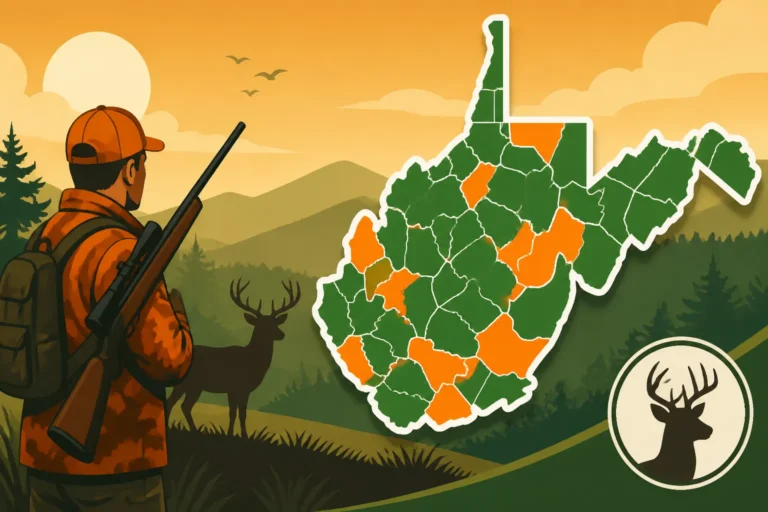
The West Virginia Division of Natural Resources (WVDNR) has established specific CWD Containment Areas in response to confirmed cases. These are primarily centered in the Eastern Panhandle, where the disease was first detected in our state. The initial discovery was in Hampshire County, and since then, the containment area has expanded to include several surrounding counties. These areas are not just lines on a map; they come with mandatory testing requirements and strict carcass movement restrictions to prevent the further spread of the disease. It's a significant inconvenience, no doubt, but one that is absolutely necessary for the long-term health of our wildlife. You can learn more about West Virginia's Chronic Wasting Disease Counties and How West Virginia's CWD Containment Area Works to better understand the specifics of these regulations.
Within these containment areas, hunters are often required to have their harvested deer tested for CWD. This mandate can feel like a burden after a successful hunt, especially when you're tired and just want to get your deer processed. However, by participating in CWD surveillance, hunters provide the WVDNR with critical data that helps track the disease and inform management strategies. Each sample collected contributes to a clearer picture of CWD prevalence, allowing wildlife managers to make informed decisions that benefit the entire deer population. Your effort truly makes a difference in protecting our state's rich hunting heritage.
How to Locate Official West Virginia CWD Sampling Stations
Finding a CWD sampling station might seem like a daunting task, especially if you're hunting in a new area or if it's your first time encountering these regulations. Thankfully, the WVDNR has put considerable effort into making these locations accessible and discoverable, although it still requires a bit of research on the hunter's part. It's not always as simple as pulling off the highway, so knowing where to look for this information is key to avoiding frustration after a successful hunt.
The primary resource for locating sampling stations is the official WVDNR website. They maintain an interactive map that is updated regularly with the most current station locations. This map typically highlights different types of stations, including staffed check stations, cooperating taxidermists and meat processors, and even self-service kiosks. It's essential to check this map annually, as locations can change based on disease prevalence and operational needs. Many hunters also rely on advanced mapping applications like GoHunt to pinpoint the exact location of sampling stations, especially those tucked away on public land or within a complex WMA boundary. While the WVDNR map is official, having a robust GPS or mapping app can really help navigate winding roads or remote areas to reach a specific station.
Beyond the website, the WVDNR's "Go Wild WV" mobile app is an invaluable tool. This app often includes a feature to locate CWD sampling stations directly from your phone, providing directions and operational hours. This is especially helpful when you're in the field and might not have access to a computer. Keep in mind that some stations are seasonal, only operating during peak hunting seasons like the buck gun season, while others may offer year-round service. Always confirm the operating hours and dates before you plan your visit. You can also contact the WVDNR district offices directly or check their social media channels for last-minute updates on station availability. For example, if you're hunting within the CWD zone in the Eastern Panhandle, knowing where to go for Mandatory Testing Inside the CWD Containment Area is paramount.
Here's a breakdown of common types of sampling stations and how they operate:
| Station Type | Typical Hours/Availability | What to Expect | Best For |
|---|---|---|---|
| WVDNR Staffed Check Stations | Peak hunting seasons, often 9 AM – 8 PM | Biologists take samples, provide information, sometimes mandatory reporting. | Direct interaction, official guidance, typically fast service. |
| Cooperating Taxidermists | Regular business hours (call ahead) | Staff trained to collect samples during the check-in process for mounts. | Convenient if you plan to get your deer mounted. |
| Cooperating Meat Processors | Regular business hours (call ahead) | Staff trained to collect samples during the deer drop-off process. | Ideal if you're taking your deer directly for processing. |
| Self-Service Kiosks | 24/7 during season (sometimes year-round) | Instructions and tools provided for hunters to collect samples themselves. | Max flexibility, but requires hunter to follow instructions carefully. |
Many hunters find it helpful to identify several potential sampling stations in their hunting area before the season even begins. This proactive approach saves a lot of stress and time after you've successfully harvested an animal. Consider using tools like GoHunt to mark these locations on a map for quick reference, noting their operating hours and any specific requirements. This way, if your primary choice is closed or too far, you have a backup plan ready to go.
What to Expect at a CWD Sampling Station
Arriving at a CWD sampling station, especially after a long and rewarding hunt, can still feel a bit confusing if you’re not prepared. The key is to understand the process and what information and parts of your deer you'll need to bring. This preparation helps everything go smoothly, getting you one step closer to processing your game.
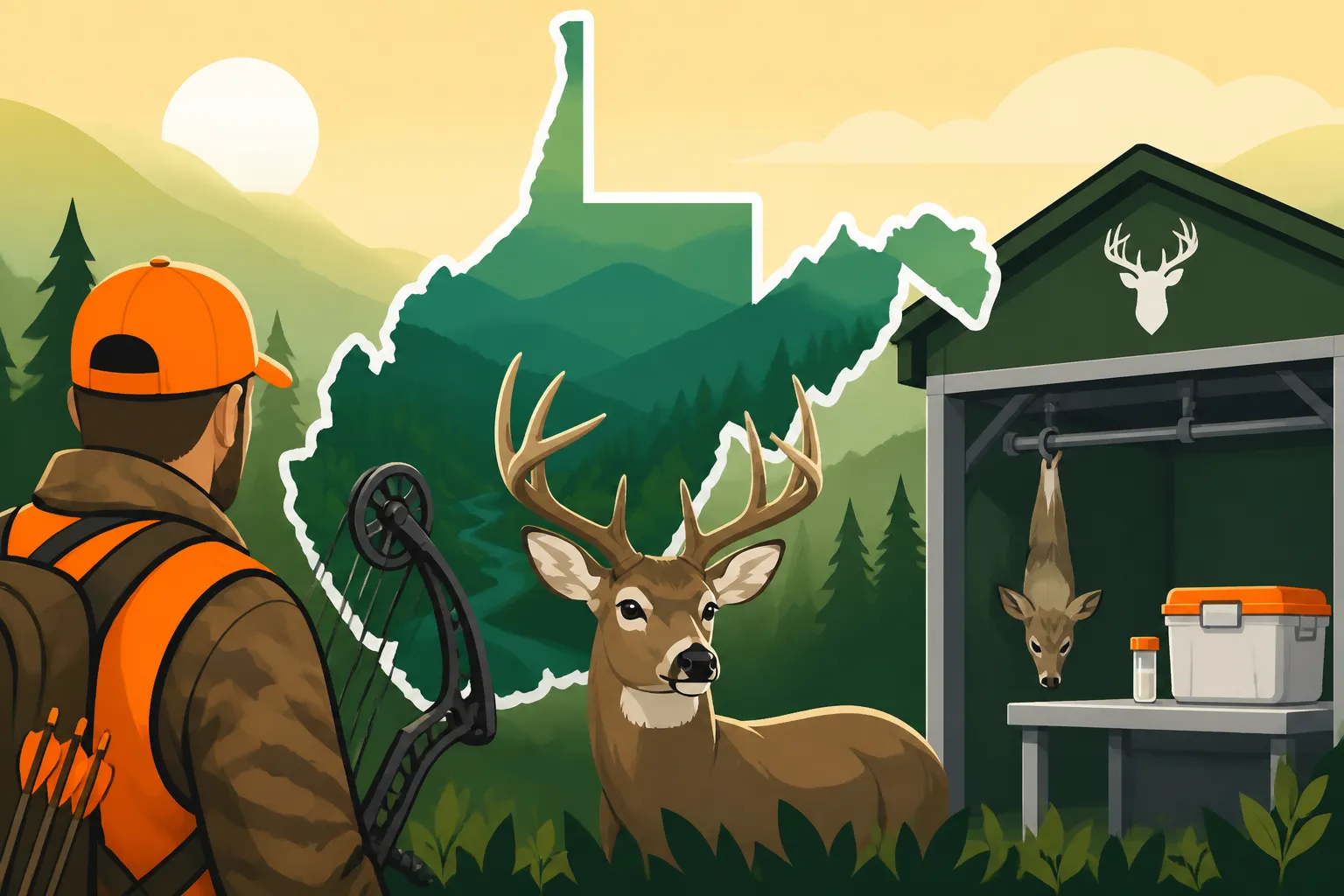
When you arrive at a sampling station, whether it's a staffed WVDNR tent or a self-service kiosk, the most crucial item you'll need is the deer's head. Specifically, the WVDNR needs the head with at least 4-6 inches of neck attached. This is because the critical tissue sample for CWD testing—the obex—is located at the base of the brainstem. It’s important to handle the head cleanly, avoiding contamination, and keep it cool if possible, especially during warmer early archery seasons. Sometimes, you might also need to provide your hunting license number and contact information, so have those handy. For those hunting in specific CWD zones, you'll also want to be aware of West Virginia CWD Testing for Hunters to understand the nuances of the collection process.
At staffed stations, a WVDNR technician will typically take the sample. They'll likely ask you for the county and specific location where you harvested the deer, the date of harvest, and your contact information. The technician will then remove the needed tissue sample. They might tag your deer's ear or antler with a unique identifier linked to the sample. At self-service kiosks, you’ll find detailed instructions, sometimes with diagrams, on how to extract the lymph nodes or obex yourself. This usually involves cutting into the neck/head area to access the specific tissue. You'll then place the sample in a provided bag or container, fill out a tag with your harvest information, and deposit it into a designated collection bin. It's a bit more hands-on, but it offers immense flexibility for hunters who may not be near a staffed station.
One of the most critical aspects of CWD sampling, especially within the designated containment areas, involves understanding carcass movement restrictions. You can't just take a whole deer out of a CWD-positive county. Typically, only deboned meat, hides, cleaned skull plates (with antlers removed if not attached), and finished taxidermy products can leave the containment area. Any parts that contain the brain or spinal column are restricted. This is a big deal, and it's why sampling is so important. Make sure you understand West Virginia Carcass Movement Restrictions fully to avoid any legal issues. After the sample is collected, the WVDNR will typically notify you of the results by mail, email, or through the online portal, usually within several weeks. While waiting for results, you are generally allowed to process your deer, but some hunters prefer to wait, especially if they are concerned about a positive result.
Alternative Sampling Methods and Considerations
While official sampling stations are the most common and encouraged method for CWD testing, there might be situations where getting to one isn't practical, or you might be looking for additional options. The WVDNR understands that hunting in West Virginia can often mean being in remote areas, far from the nearest staffed station.
For hunters who find themselves far from a physical sampling station, or those who prefer a do-it-yourself approach, the WVDNR sometimes offers self-sampling kits. These kits typically include all the necessary tools and instructions for hunters to collect the lymph node sample themselves. It's a great option for flexibility, but it does place the responsibility squarely on the hunter to correctly identify and extract the tissue. It's crucial to follow the instructions precisely to ensure the sample is viable for testing. After collection, these samples are usually mailed back to the WVDNR lab using a pre-paid shipping label included in the kit. This approach emphasizes the importance of hunter participation, even when traditional methods aren't feasible. You might hear about these kits when the WVDNR discusses topics like West Virginia CWD Testing for Hunters.
In some cases, if you have harvested a deer outside of the immediate CWD containment zones but are still concerned, or if you simply cannot reach a designated station, you can contact your local WVDNR district office. They may be able to provide guidance on alternative sampling arrangements or direct you to a less obvious collection point. While it's always best to use the established network, the WVDNR wants to ensure as many samples are collected as possible to gain a comprehensive understanding of the disease's spread. Moreover, hunters can use the official "Go Wild WV" online portal or app to report their harvests, a crucial step whether or not a CWD sample is taken. This process is further detailed in resources like Reporting a Deer Through West Virginia's App and understanding The West Virginia Deer Reporting Deadline.
Regardless of the method, participating in CWD surveillance is a critical responsibility for every West Virginia hunter. It's an extra step, and sometimes an inconvenient one, but it's an investment in the future of our deer herd. By diligently getting your deer sampled, especially if harvested in or near the CWD containment areas, you are actively helping the WVDNR monitor, manage, and hopefully, mitigate the impact of this devastating disease on our beloved whitetails. Every sample contributes to the collective effort to keep West Virginia's hunting traditions strong and healthy.
Disclaimer
The information provided in this guide is for general informational purposes only and is subject to change. Hunting regulations, including those related to Chronic Waste Disease (CWD) sampling and containment areas, are updated periodically by the West Virginia Division of Natural Resources (WVDNR). Hunters are solely responsible for verifying and complying with all current hunting laws, regulations, and season dates. Always consult the official WVDNR website, current hunting proclamations, or contact WVDNR officials directly for the most accurate and up-to-date information before planning any hunting activities.