West Virginia Blaze Orange Requirements
Figuring out West Virginia's blaze orange requirements can often feel like a puzzle, especially when seasons overlap or you're hunting different species. It's more than just following the law; it's crucial for keeping every hunter safe in the woods. This guide aims to clarify all the confusion, detailing exactly when, where, and what blaze orange or blaze pink apparel you need to wear across our diverse Mountain State hunting grounds.
The Critical Role of Blaze Orange in West Virginia Hunting Safety
It's easy to view blaze orange rules as just another regulation on a long list, but the truth is, these mandates are the backbone of hunter safety in West Virginia. When you're out in the woods, whether it's the sprawling Monongahela National Forest or a small woodlot in the Eastern Panhandle, visibility is your first line of defense. The dense cover, changing light conditions, and undulating terrain common in our state make it incredibly difficult to see other hunters, especially those who might be moving quietly through the timber.
The primary purpose of blaze orange, sometimes called hunter orange, is to prevent hunting accidents caused by mistaken identity. It's designed to be highly conspicuous against natural backgrounds, even for hunters who may be colorblind. Think about it: a deer's natural camouflage blends seamlessly with its environment, but a hunter in blaze orange pops out like a beacon. This isn't just about protecting yourself from others; it's also about making sure you don't inadvertently put another hunter at risk. We all share the woods, and sharing them safely means adhering to these critical guidelines.
Protecting Yourself and Others in the Woods
Imagine you're deep in the Allegheny Mountains, still-hunting a ridge on a crisp November morning. The leaves are down, but thick stands of mountain laurel or evergreens create deep shadows. You spot movement, raise your binoculars, and realize it’s another hunter. If they weren't wearing blaze orange, that identification could have come much later, or not at all, leading to a potentially tragic error. This hypothetical scenario plays out in various forms every hunting season. The simple act of donning a blaze orange vest or hat can literally save a life.
It’s about universal recognition. When you see that distinct, vibrant color, your brain instantly registers "human." This allows for immediate identification, giving hunters time to assess the situation, verify their target, and ensure a safe shot. This is especially vital when hunting in areas with high hunting pressure, such as popular Wildlife Management Areas (WMAs). Being visible minimizes the chances of you being mistaken for game by someone else, or vice-versa. Always remember, positive target identification is rule number one, and blaze orange greatly assists in that.
Understanding Hunter Visibility Studies
Decades of scientific study and practical experience have proven the effectiveness of blaze orange. Researchers have conducted numerous tests, placing hunters wearing various colors in different environments and light conditions, and consistently, blaze orange comes out on top for visibility to the human eye. It stands out sharply against the browns, greens, and grays of typical forest environments, even in dim light or during adverse weather like fog or light snow.
These studies also debunk the myth that blaze orange spooks game. Deer, for example, are dichromatic, meaning they see colors primarily in two spectrums: blue and yellow. They lack the red-green cones that allow humans to see a wide range of colors, including vibrant orange. To a deer, blaze orange appears as a dull gray or yellow-green, indistinguishable from other muted colors in their environment. This means you can be highly visible to other hunters without being detectable to the game you're pursuing, giving you the best of both worlds: safety and effectiveness.
Mandatory Blaze Orange Seasons in West Virginia
West Virginia's hunting regulations are clear about when blaze orange is a non-negotiable part of your gear. Generally, if there's a firearm season for deer running, you'll need to be wearing it. This applies to public lands, private lands, and encompasses a range of weapon types that fall under the "firearm" umbrella. Understanding these specific dates and seasons is paramount, as failing to comply can result in fines and, more importantly, put lives at risk.
The rules are designed to cover periods when hunting pressure is often highest and when the potential for a long-range shot is increased due to the use of rifles. It's important to remember that these requirements apply even if you are not personally hunting deer, but are afield during a season when deer hunting is permitted with firearms. This is a critical point that sometimes catches small game hunters or even fall turkey hunters off guard.
During Firearm Deer Season
This is probably the most widely known blaze orange requirement. During West Virginia's traditional Buck Gun Season, which typically kicks off in late November, blaze orange is mandatory for all hunters. This extends through the entire duration of the buck gun season, as well as any concurrent antlerless firearm seasons that may be open in specific counties. The intense hunting pressure during this period, coupled with the long-range capabilities of modern firearms, makes visibility absolutely critical.
Even if you're not carrying a rifle, but are pursuing small game like squirrels or rabbits, or even hunting predators during the firearm deer season, you must wear blaze orange. The regulations are explicitly designed to protect everyone in the woods. You might be focused on a squirrel in a tree, but a deer hunter could be moving through the same area. It’s a collective safety measure that ensures anyone traversing hunting lands during this high-activity window is clearly identifiable as a human. Be sure to check the specific dates for West Virginia's Buck Gun Season each year as they can shift slightly.
Muzzleloader and Youth Hunting Requirements
The requirement for blaze orange doesn't end with the general firearm season. If you're out during the specialized muzzleloader deer hunting season, which usually follows the general firearm season, blaze orange is also mandatory. Muzzleloaders, while perhaps not having the same rapid-fire capability as modern rifles, are still firearms capable of long-range lethal force, and the principle of visibility remains just as important. For those looking to brave the cold December woods with a smoke pole, remembering your orange is key. You can find detailed information on Muzzleloader Deer Hunting in West Virginia to ensure you're compliant.
Similarly, the West Virginia Youth Deer Weekend Rules also mandate blaze orange for youth hunters and their adult mentors. These special weekends are fantastic opportunities to introduce young hunters to the sport, but safety is always the top priority. The youth hunting season often runs concurrently with other open seasons or just before the main firearm seasons, making it especially important for everyone involved to be highly visible. This ensures that younger hunters learn proper safety habits from the start and that all participants are protected during these formative experiences.
Decoding West Virginia's Blaze Orange and Pink Regulations
It's not enough to simply wear "some orange." West Virginia has specific requirements regarding the amount and type of blaze orange or blaze pink material that must be visible. These regulations are designed to maximize your visibility from all angles, ensuring you're seen by other hunters regardless of their position relative to you. Understanding these precise rules prevents confusion and ensures you're fully compliant and safe.
The West Virginia Division of Natural Resources (WVDNR) specifies standards to ensure adequate visibility. This means a small orange patch on your backpack isn't going to cut it. The intent is to make the human form distinct and easily identifiable. Let's dive into the specifics, including the recent inclusion of blaze pink as an alternative.
Minimum Visibility Standards and Garment Types
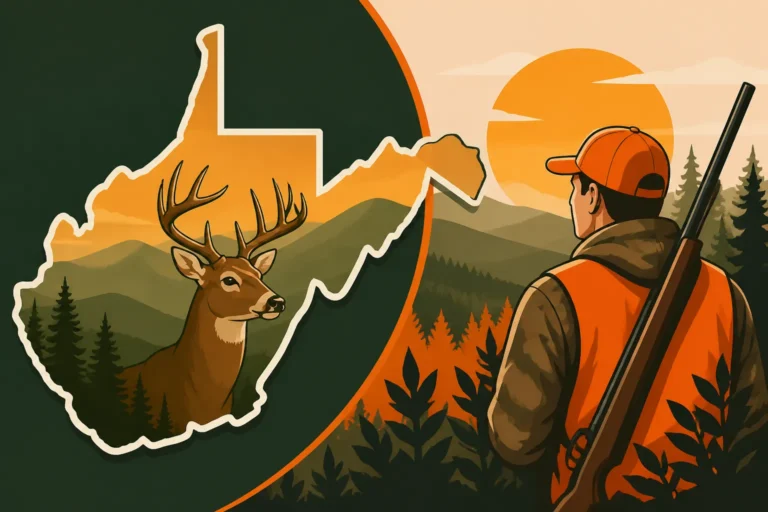
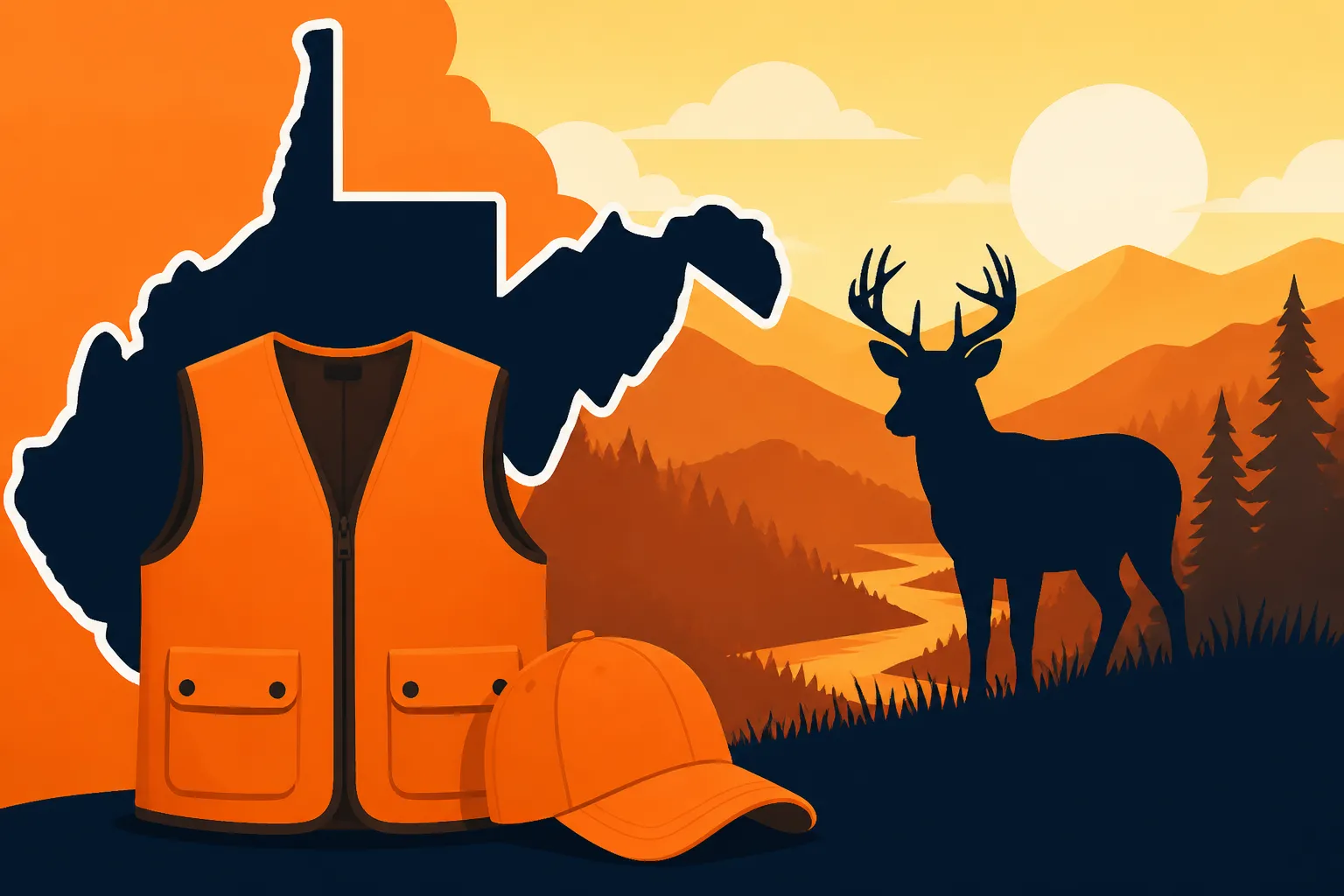
Under West Virginia law, during any firearm deer season (including muzzleloader and youth seasons), all hunters and accompanying individuals must wear an outer garment of blaze orange or blaze pink. This garment needs to be conspicuously worn on the upper portion of the body. Crucially, it must be visible from all sides. What does "conspicuously worn" mean in practice? It translates to a minimum of 400 square inches of solid blaze orange or blaze pink material.
This 400 square inches typically means a vest that covers your torso and is visible from front and back, often combined with a blaze orange or pink hat. The hat must also be solid blaze orange or pink. The aim is to present a large, unmistakable block of color. A jacket, vest, coveralls, or a combination of these with a hat are common ways to meet this requirement. It’s also important to note that camouflage patterns with blaze orange elements do not count towards the 400 square inch requirement. The material must be solid. For a deeper dive, you can check resources related to How Much Blaze Orange West Virginia Requires.
The Introduction of Blaze Pink as an Option
In a move to offer more choices and potentially attract more participants to hunting, West Virginia, like several other states, introduced blaze pink as an acceptable alternative to blaze orange. This means hunters now have the option to wear solid blaze pink material, meeting the exact same 400 square inch and conspicuous wear requirements. The science behind blaze pink is similar to blaze orange: it is highly visible to the human eye, particularly in a natural environment, while remaining indistinct to colorblind game animals like deer.
The inclusion of blaze pink provides flexibility and personal preference, without compromising on the critical safety aspect. So, whether you opt for traditional blaze orange or vibrant blaze pink, the key is to ensure you meet the minimum visibility standards. It's a fantastic option for anyone who prefers the color or simply wants another choice in their hunting wardrobe. Keep an eye out for gear specifically marketed as Blaze Pink Options Under West Virginia Law from reputable hunting apparel brands like ScentLok or Sitka Gear.
When Blaze Orange Isn't Legally Required But Still Recommended
While the regulations clearly outline mandatory blaze orange periods, there are many hunting seasons in West Virginia where it's not legally required. This often causes confusion for hunters. However, just because it's not legally mandated doesn't mean it's not a good idea. In many situations, wearing blaze orange or blaze pink voluntarily can significantly enhance your safety, especially when sharing the woods with others. It's about exercising good judgment and prioritizing personal safety above all else.
Consider overlapping seasons: you might be legally hunting squirrels without orange, but if deer gun season is open concurrently in that area, you're putting yourself at unnecessary risk. Always be aware of all active seasons in your hunting area.
Archery and Fall Turkey Hunting Scenarios
For the dedicated bowhunter, West Virginia's long archery season is a fantastic opportunity. During the vast majority of the Hunting West Virginia's Long Archery Season, blaze orange is not legally required. Archery hunting typically involves shorter ranges, often from a treestand or ground blind, and relies heavily on stealth and camouflage. The same applies to West Virginia Spring Turkey Season Rules and West Virginia Fall Turkey County Tiers hunting, where blending into the environment is crucial for success.
However, there's a significant caveat: if the archery season overlaps with a firearm deer season (like the early antlerless gun season in some counties, or the youth deer weekend), then blaze orange is required for all hunters in the field. This is where the rules can get a bit tricky, and why checking the annual regulations carefully is so important. Many archers choose to wear a blaze orange vest when walking to and from their stand during firearm seasons, removing it once they are safely settled. While not strictly mandated for the entire hunt during overlap, it's a smart practice for movement.
Small Game and Predator Hunting Considerations
When you're out chasing West Virginia Small Game Season Rules like squirrels, rabbits, or grouse, or calling in coyotes for Predator Hunting in West Virginia, blaze orange generally isn't required unless a firearm deer season is concurrently open in your area. Many small game seasons, particularly for squirrel, overlap with the early archery deer season, where orange isn't needed. However, as the calendar rolls into November and December, and firearm deer seasons open, the blaze orange requirement kicks in for everyone.
Even if you're out hunting predators when no firearm deer season is active, voluntarily wearing some blaze orange or pink can still be a wise choice, especially on public lands. There might be other hunters scouting, hikers, or even private landowners out and about. It's about being seen and proactively mitigating risk. Always consult the WVDNR regulations for the specific season dates and any local rules for the WMA or national forest you plan to hunt to avoid any surprises.
Navigating Public and Private Land with Blaze Orange
The blaze orange requirements are largely consistent across different land types in West Virginia, but understanding the nuances of public versus private land access and usage can still influence your approach to safety. Whether you're hunting vast federal lands or a small tract with permission, the core principle of visibility remains.
However, the dynamics of encountering other people can differ. On public land, you're almost guaranteed to encounter other hunters, hikers, or other outdoor enthusiasts. On private land, while the density of hunters might be lower, the rules are no less important, and maintaining good relationships with landowners often hinges on safe, responsible behavior.
WMA Rules and National Forest Guidelines
West Virginia's Wildlife Management Areas (WMAs) are managed by the WVDNR and fall under the state's hunting regulations, including blaze orange requirements. These areas often see significant hunting pressure, especially during opening weekends of firearm seasons. Therefore, being highly visible with your blaze orange or blaze pink on a WMA like Cranberry Wildlife Management Area or Handley Wildlife Management Area is not just a legal obligation but a practical necessity for your safety. Always assume there are other hunters in the vicinity, even if you don't see them.
Similarly, hunting in the Monongahela National Forest means adhering to state regulations. The vastness of the national forest can sometimes lull hunters into a false sense of solitude, but even in the deepest backcountry, other hunters, campers, or hikers could be present. Using tools like GoHunt or the official WVDNR mapping apps to scout Scouting West Virginia Public Land Before Season and understand potential pressure points or access roads can help you visualize areas where you might encounter others and reinforce the need for high visibility. Always ensure your blaze orange is in good condition, not faded, and fully visible from all angles.
Permission and Respect on Private Property
When hunting on private land with permission, the state's blaze orange regulations still apply fully. Just because you're on a friend's farm or a leased property doesn't exempt you from wearing it during mandatory seasons. The safety of everyone, including the landowner and their family who might be out working or recreating, is paramount. Often, landowners appreciate hunters who demonstrate a strong commitment to safety, and visibly adhering to all regulations, including blaze orange, builds trust and ensures future access.
Furthermore, if you're on a smaller private parcel, or one adjacent to public land or other private properties, the importance of blaze orange is magnified. An errant bullet can travel far, and ensuring you are clearly identifiable prevents any confusion for hunters on neighboring tracts. Always discuss safety protocols with the landowner beforehand. Maintaining an excellent reputation as a responsible hunter on private land means never cutting corners on safety, and blaze orange is a crucial part of that commitment.
General West Virginia Blaze Orange and Pink Requirements
To help summarize, here’s a quick overview of when blaze orange or blaze pink is required in West Virginia. Remember, this is a general guide, and specific dates for each season can vary year-to-year and by county, so always consult the current year's WVDNR Hunting & Trapping Regulations synopsis.
| Season Type | Blaze Orange/Pink Required? | Specific Conditions/Notes |
|---|---|---|
| Buck Gun Season | YES | Mandatory for all hunters (400 sq. inches, visible from all sides, solid color). |
| Antlerless Firearm Seasons | YES | Mandatory for all hunters during county-specific dates. |
| Muzzleloader Deer Season | YES | Mandatory for all hunters. |
| Youth Deer Weekend | YES | Mandatory for youth hunters and their adult mentors. |
| Archery Deer Season | NO (unless overlapping) | Not required unless concurrent with any firearm deer season. |
| Crossbow Deer Season | NO (unless overlapping) | Not required unless concurrent with any firearm deer season. |
| Spring Turkey Season | NO | Not required. Camouflage is preferred for turkey hunting. |
| Fall Turkey Season | NO (unless overlapping firearm deer) | Not required unless concurrent with any firearm deer season. |
| Small Game (Squirrel, Rabbit, Grouse, etc.) | NO (unless overlapping firearm deer) | Not required unless concurrent with any firearm deer season. Strongly recommended during overlaps. |
| Bear Season (Gun Portion) | YES | Mandatory for all hunters when gun hunting for bear. |
| Bear Season (Archery/Muzzleloader) | NO (unless overlapping firearm deer) | Not required unless concurrent with any firearm deer season. |
| Predator Hunting (Coyote, Fox) | NO (unless overlapping firearm deer) | Not required unless concurrent with any firearm deer season. Recommended for visibility. |
Other Important Safety Considerations Beyond Blaze Orange
While blaze orange is a critical component of hunter safety, it's just one piece of the puzzle. Being a safe and responsible hunter in West Virginia's rugged and beautiful terrain involves a holistic approach to safety, extending from your equipment choices to your hunting practices and even your physical preparation. We owe it to ourselves, our hunting companions, and the broader outdoor community to embody the highest safety standards at all times.
Never let your guard down, and always anticipate the unexpected. The Mountain State's wilderness demands respect, and a prepared hunter is a safe hunter.
Communicating Your Presence and Intentions
Beyond wearing blaze orange, actively communicating your presence is another layer of safety. This can involve simple things like making a little noise when moving through thick cover, especially if you're still-hunting or stalking. A soft whistle, an occasional cough, or simply talking normally if you're hunting with a group can alert other hunters to your position. It's about being courteous and considerate, acknowledging that you're not the only one who might be out there.
If you're hunting with a group, especially when conducting deer drives on West Virginia public land, clear communication is absolutely essential. Establish protocols for how you'll move, where drivers will be, and where standers will be positioned. Use two-way radios or cell phones (where service permits) to keep track of everyone. Before the hunt even begins, discuss shot zones and safety angles, ensuring that every member of the party knows where others are located and in which direction it is safe to shoot.
Target Identification and Backstop Awareness
Even with blaze orange everywhere, the fundamental rule of positive target identification remains paramount. Always be 100% certain of your target and what is beyond it. This means clearly identifying antlers on a deer, a beard on a gobbler, or the specific features of any legal game animal before you even think about raising your weapon. Never shoot at sound or movement alone. Our diverse wildlife, including things like wild turkeys, can sometimes be mistaken for deer in poor light or dense cover.
Furthermore, always be aware of your backstop. A bullet, arrow, or even shotgun slug can travel a significant distance, and what might seem like an open shot could have a road, a house, or another hunter far in the background. In West Virginia's steep terrain, being mindful of downrange visibility is particularly crucial. A bullet fired from a ridge can travel across hollows and impact at unexpected distances. Always ensure your shot has a safe, earthen backstop, preventing any projectile from traveling into an unknown area. Following these guidelines ensures that every hunting trip is a safe and enjoyable one for everyone.
Disclaimer
Please remember that hunting regulations can change, and interpretations may vary. Always consult the official West Virginia Division of Natural Resources (WVDNR) Hunting & Trapping Regulations for the most current and comprehensive information before heading afield. This guide is for informational purposes only and should not be considered a substitute for the official state regulations.