Hunting a Steep Hollow Head at First Light
Hunting steep West Virginia hollow heads at first light explains deer thermals, security cover, and morning travel corridors.
Close the distance.
Archery, muzzleloader, and firearm techniques — calling, stand placement, still-hunting, spot-and-stalk, and the weapon rules that change at the state line.

Hunting steep West Virginia hollow heads at first light explains deer thermals, security cover, and morning travel corridors.

Mountain saddles in West Virginia connect bedding and feeding areas, serving as travel corridors for whitetails during November.

West Virginia mountain hunting above the fog line explains temperature inversions and deer movement across high ridges and hollows.
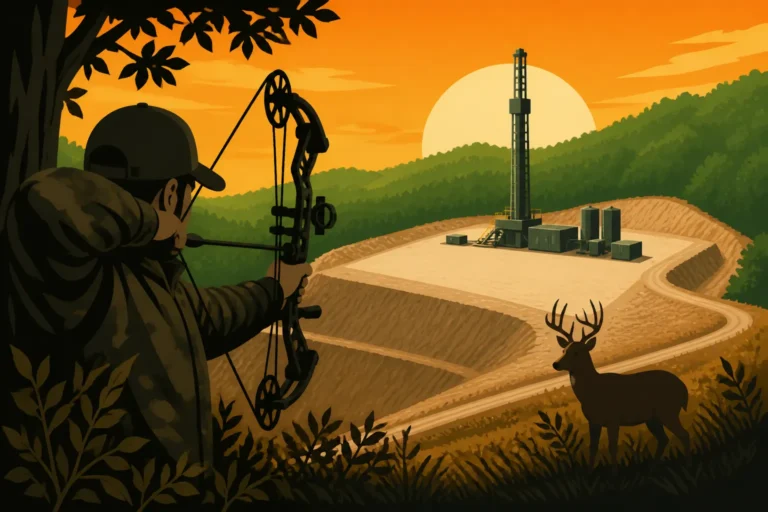
West Virginia gas well pads and pipelines create deer habitat, food plots, and travel corridors for hunters scouting whitetails.
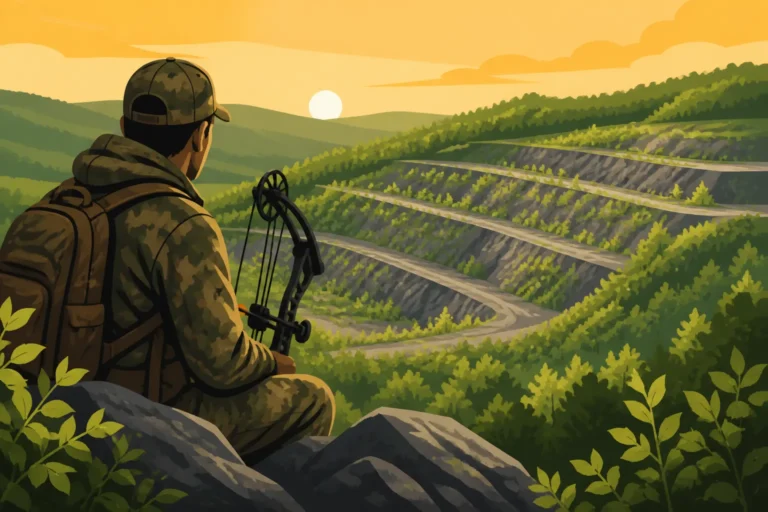
Reclaimed surface mine benches in West Virginia provide distinct edge habitats that attract deer, turkeys, and other wildlife for successful hunting.
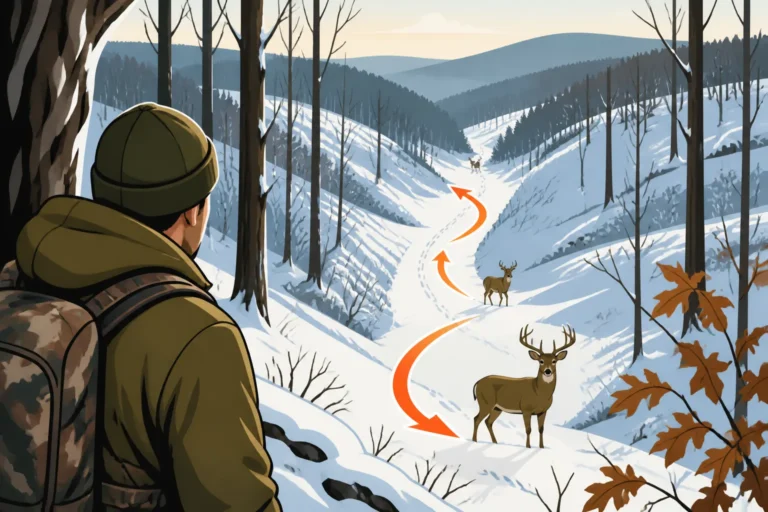
Fresh snow in West Virginia hollows reveals real-time deer movement tracks, stride length, and late season travel patterns for hunters.

Hunting the Dolly Sods backcountry in West Virginia requires navigating high-altitude spruce forests and managing strict boundary lines.

Hunting terrain adjacent to Spruce Knob requires specialized strategies for steep slopes, dense cover, and unpredictable weather.

High elevation mountain benches in West Virginia offer mature whitetails secure travel routes and secluded feeding opportunities.
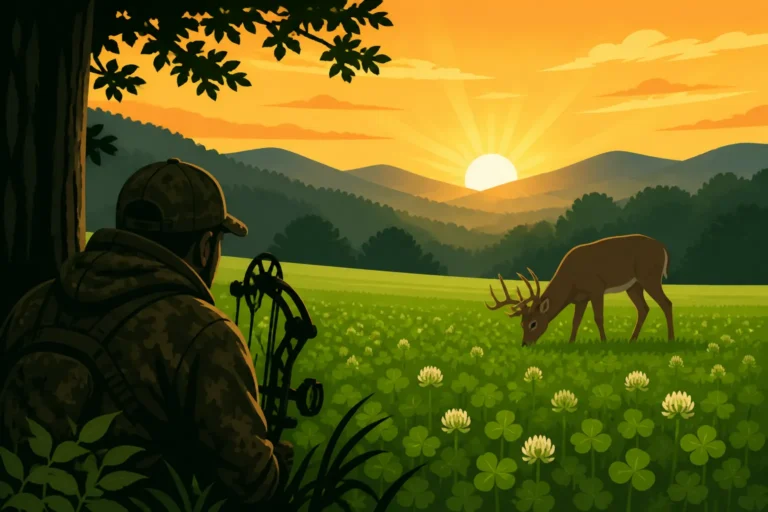
West Virginia deer hunting strategies help decode early morning clover plot movements and improve dawn shooting opportunities.