Working River Cane Thickets for Deer
West Virginia river cane thickets grow six to thirty feet tall, providing whitetail deer security cover and thermal regulation near waterways.
Close the distance.
Archery, muzzleloader, and firearm techniques — calling, stand placement, still-hunting, spot-and-stalk, and the weapon rules that change at the state line.
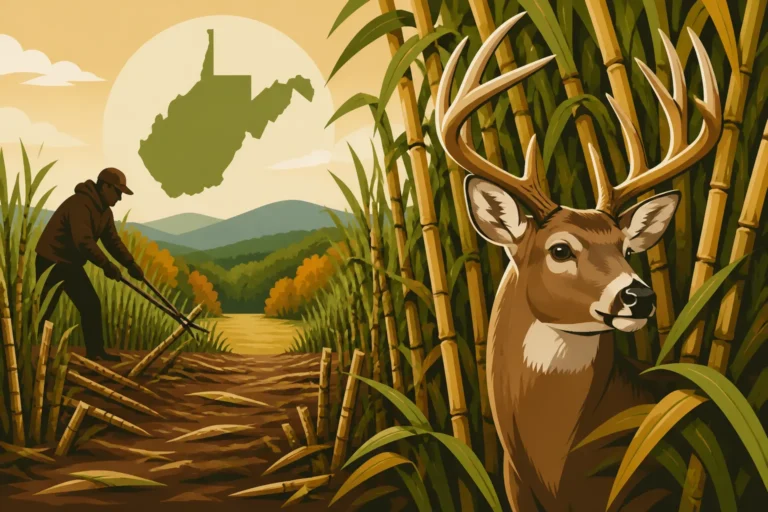
West Virginia river cane thickets grow six to thirty feet tall, providing whitetail deer security cover and thermal regulation near waterways.
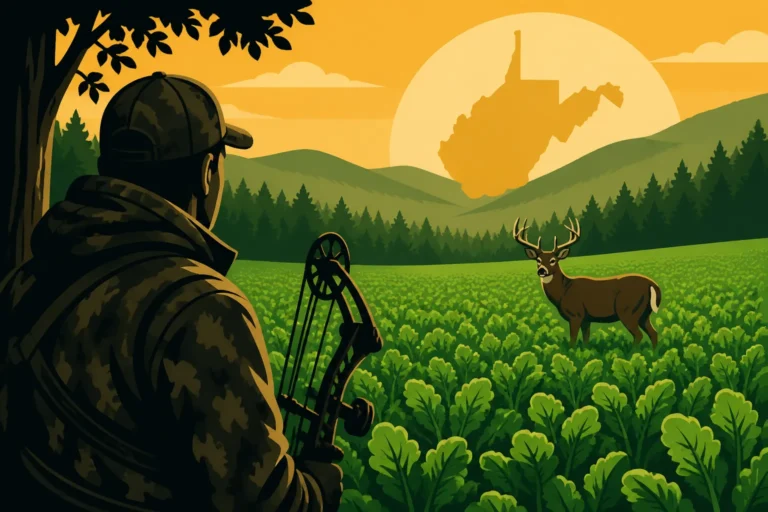
Practical strategies for scouting, setting up, and hunting green fields in West Virginia during archery, rut, and winter seasons.
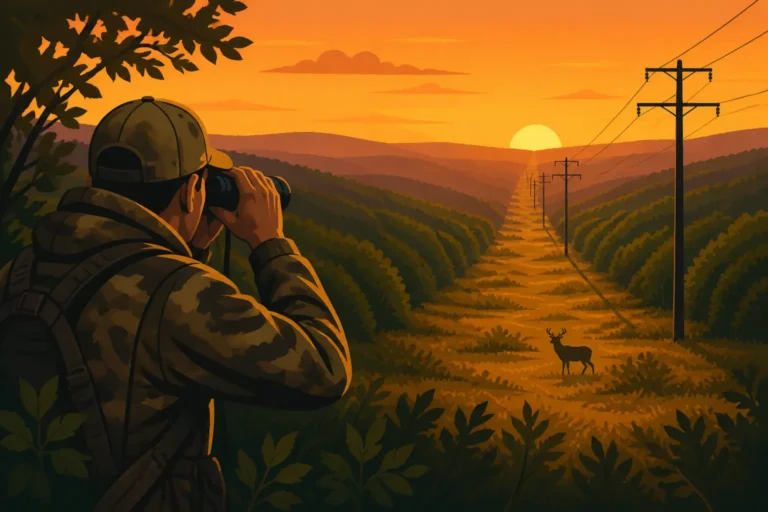
Glassing West Virginia powerline cuts at dusk helps hunters pinpoint deer, bear, and turkey along cleared travel corridors.
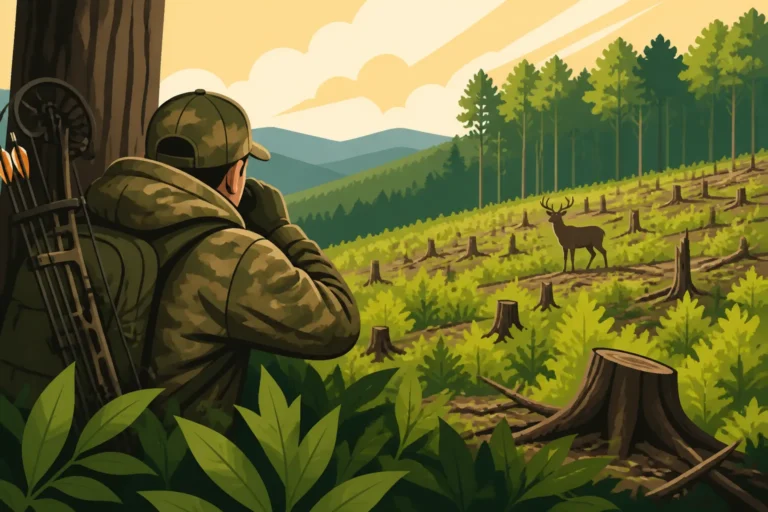
West Virginia clear-cut regrowth edges provide deer with cover and food, creating productive hunting grounds along transition zones.
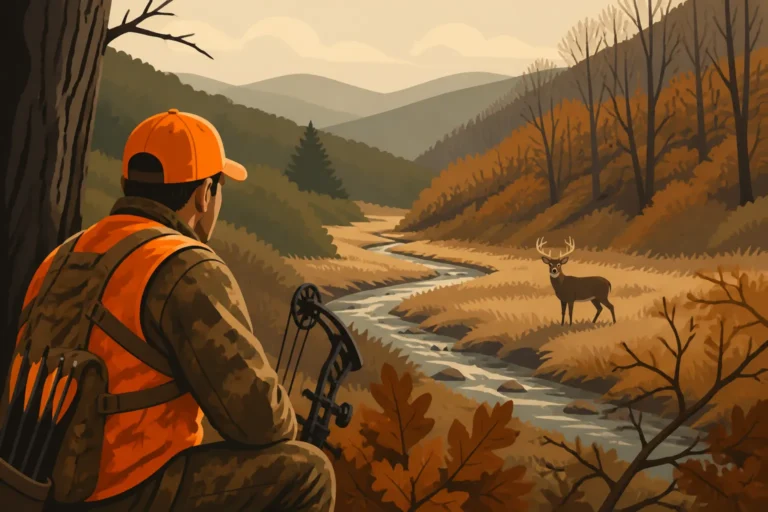
Creek bottoms in West Virginia offer winter deer thermal cover, evergreen thickets, and persistent food sources for late-season hunting success.
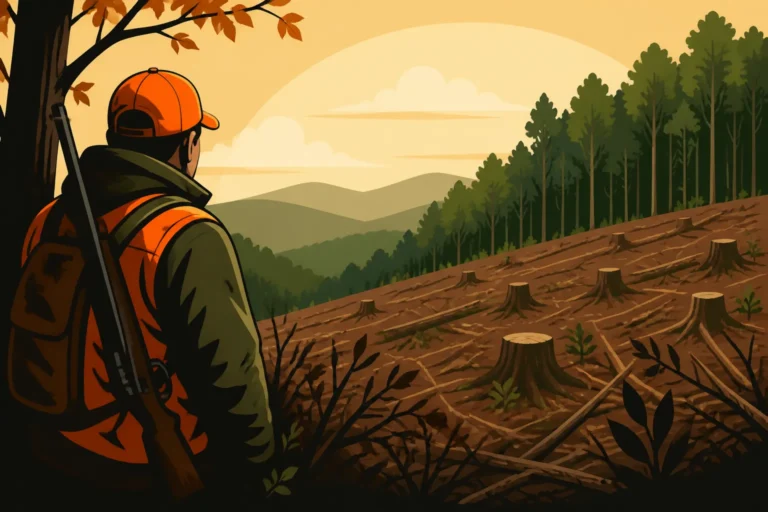
Remaining standing cover provides West Virginia deer a thermal buffer and security, offering hunters predictable late season travel corridors.
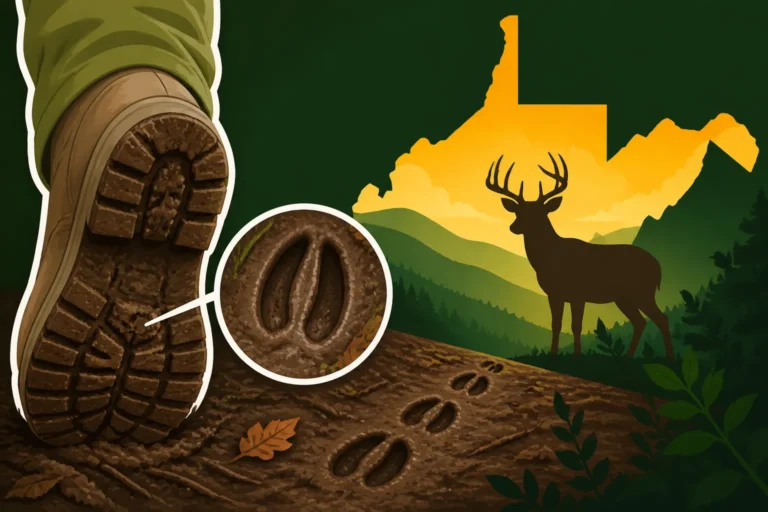
Reading West Virginia mud helps hunters distinguish fresh deer tracks from historical activity using track edge sharpness and soil displacement.
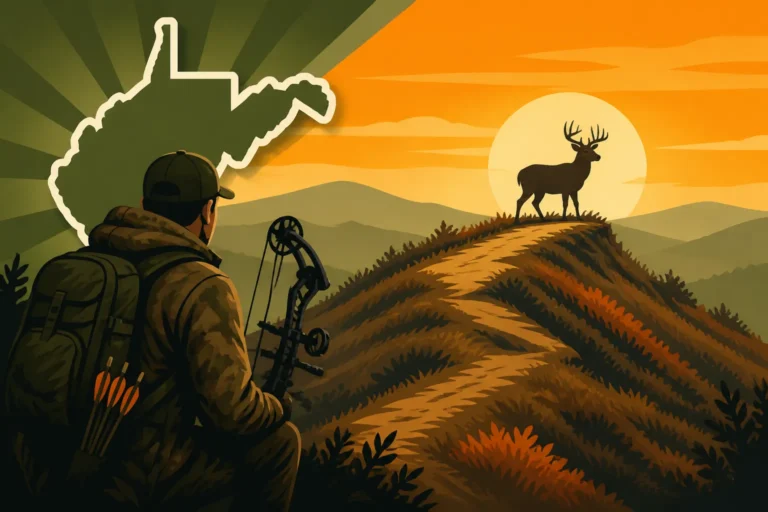
West Virginia ridge-top saddles act as natural funnels that help deer hunters intercept mature rutting bucks during November.

Bowfishing West Virginia rivers extends hunting seasons by targeting rough fish and sharpening archery skills in waterways.
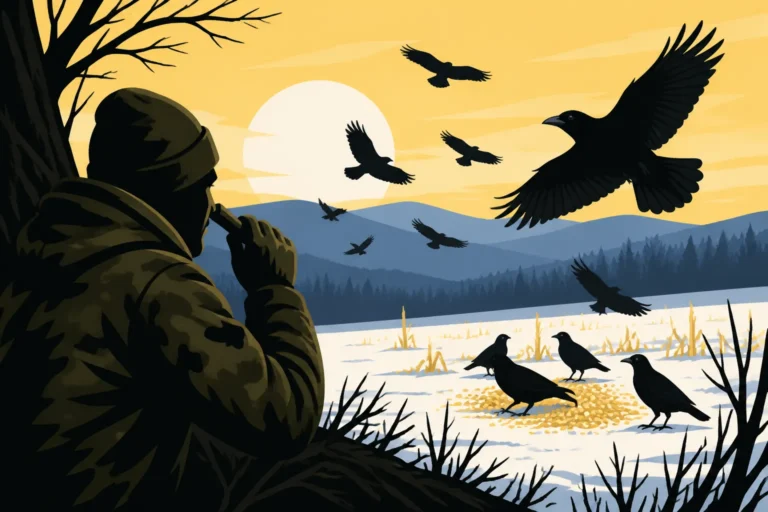
Crow hunting over West Virginia winter feed sites lets hunters master calling techniques and target massive communal roosts.