West Virginia Elk Calf Survival Rates
West Virginia elk calf survival rates depend on coyotes, black bears, habitat quality, and environmental weather stressors.
Know what you’re after.
Big game, small game, upland birds, and waterfowl — identification, behavior, rut and migration timing, and how each species moves through the season.
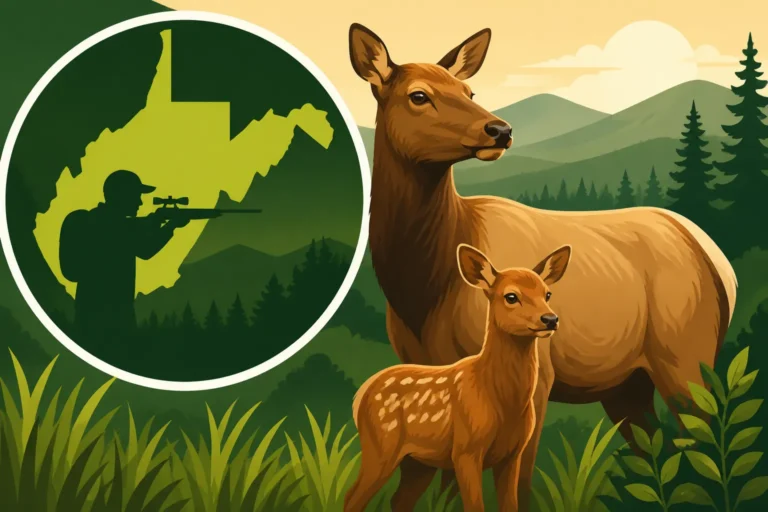
West Virginia elk calf survival rates depend on coyotes, black bears, habitat quality, and environmental weather stressors.
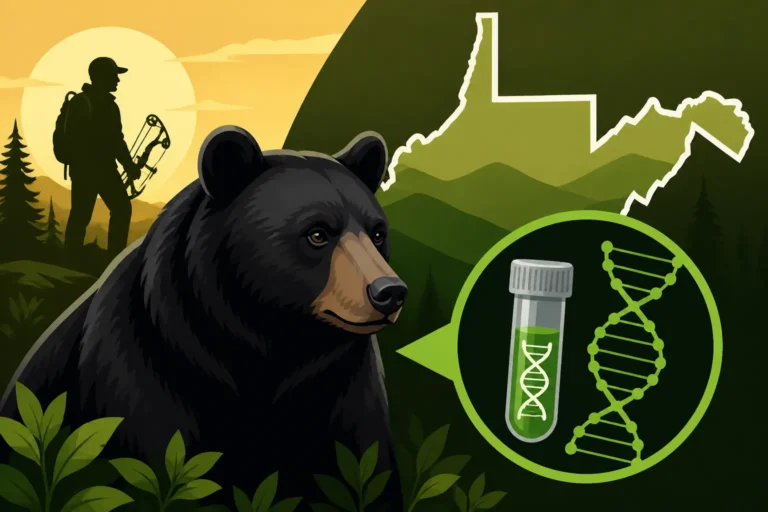
West Virginia black bear DNA tracking studies help wildlife biologists estimate elusive population sizes and understand animal movements.
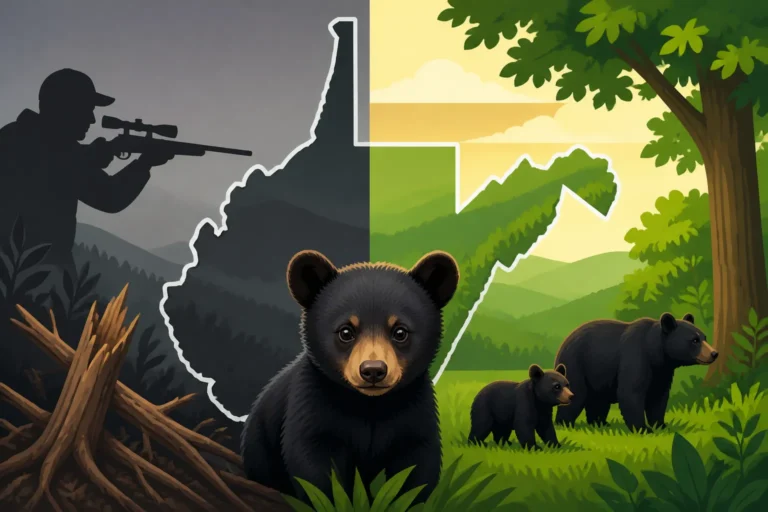
West Virginia black bear cub survival rates depend on winter den conditions, maternal health, predators, and natural hazards.
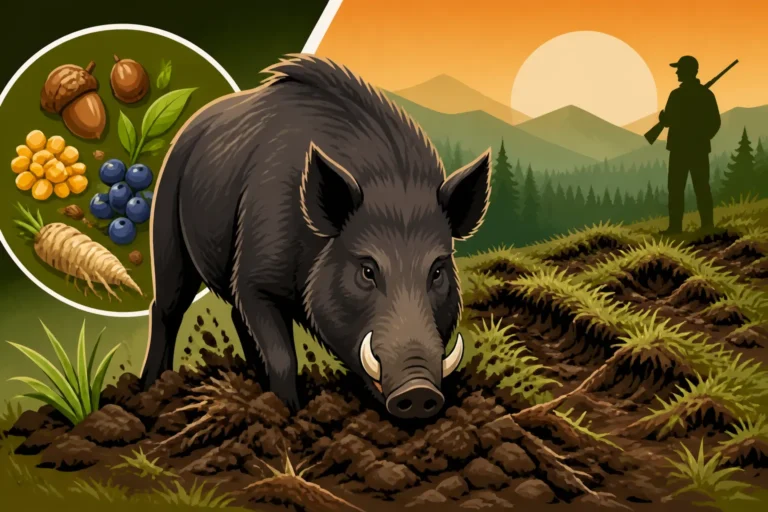
West Virginia feral hogs consume acorns and agricultural crops while destroying forest floors with extensive rooting damage.
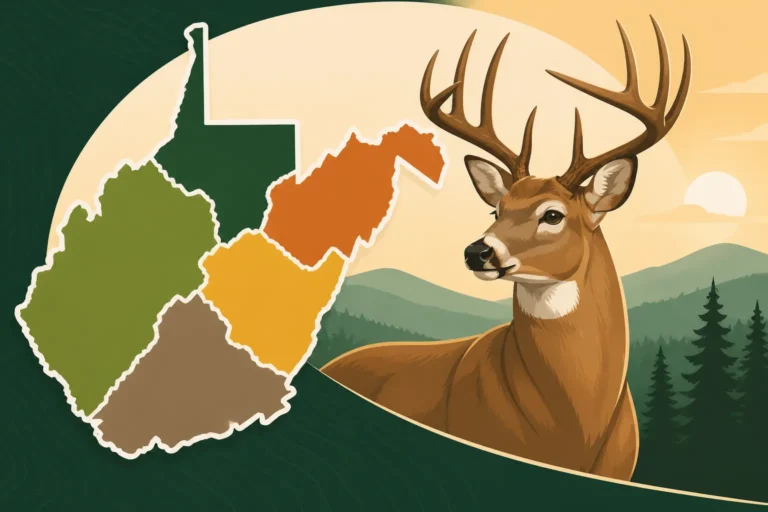
West Virginia deer weight averages explain regional differences in deer sizes, nutrition, genetics, and expected meat yield for hunters.
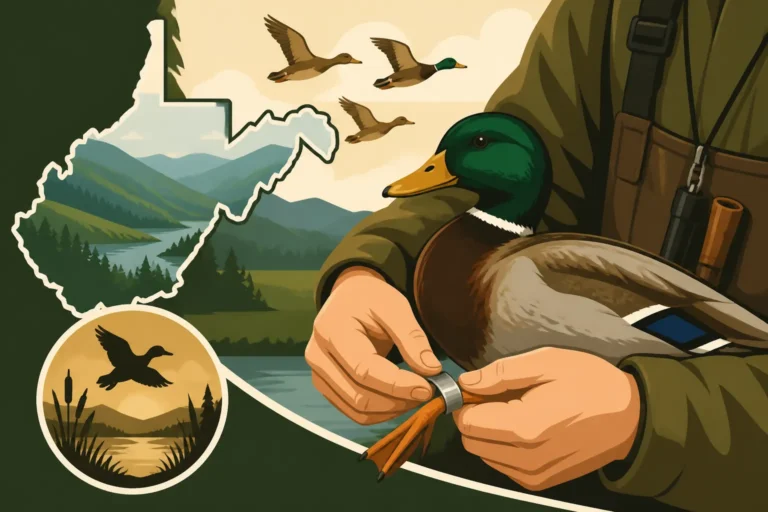
West Virginia waterfowl banding programs explain how wildlife biologists track bird survival rates, harvest percentages, and migration routes.
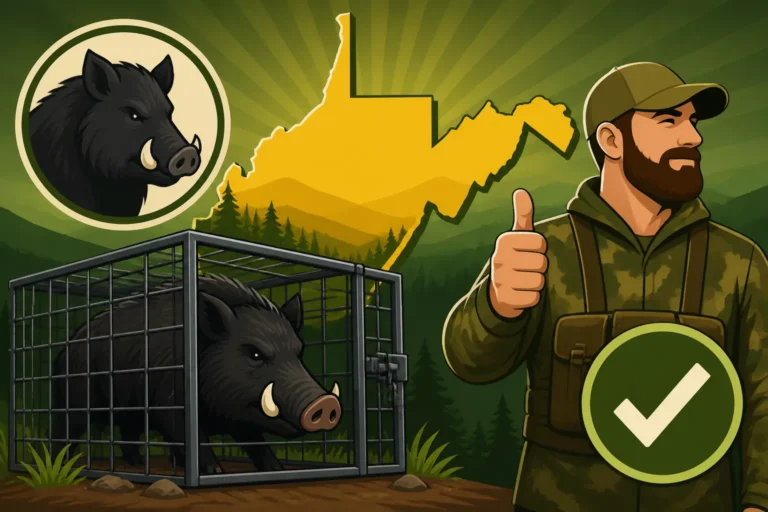
West Virginia feral hog trapping success rates depend on landscape variables, animal intelligence, and sounder eradication.
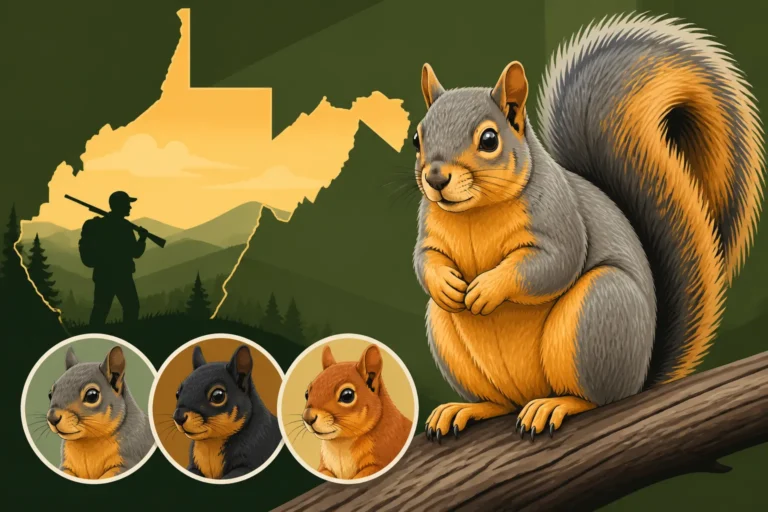
West Virginia fox squirrels display coat colors ranging from fiery reds to smoky grays, influenced by regional genetics and environment.
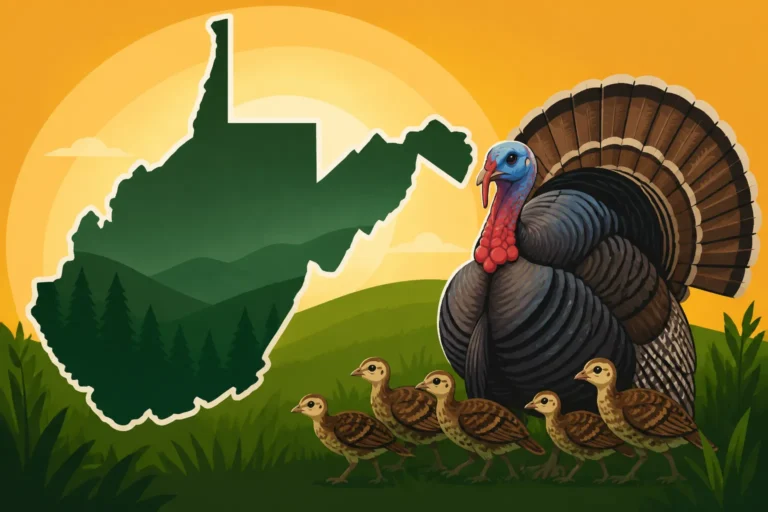
West Virginia turkey brood survey results track wild turkey poult-to-hen ratios and population health to measure annual reproductive success.
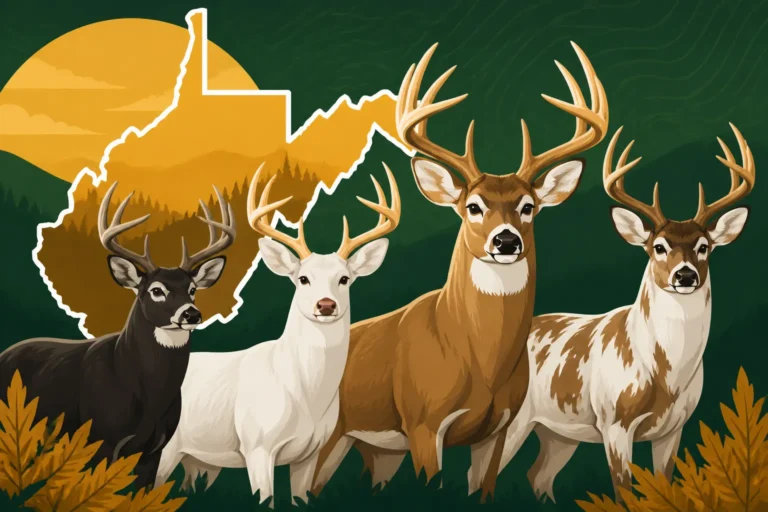
West Virginia whitetail deer color phase rarities result from recessive genetic mutations affecting pigment production melanins.