West Virginia Deer Weight Averages by Region
Navigating the diverse landscapes of West Virginia for deer hunting means encountering a wide variety of conditions, and often, a wide variety of deer. It's not just about antlers; many of us are hunting for the freezer, and there's nothing quite like the satisfaction of bringing home a good amount of venison. But let's be honest, dragging a 150-pound buck off a steep ridge is a vastly different experience than hauling out a 100-pound doe from a flat river bottom. Understanding the average deer weights by region can genuinely help you prepare for the physical demands, estimate your meat yield, and even inform your scouting strategies, making your hunting trips more efficient and less surprising.
Understanding Deer Weight: Why it Matters to Hunters
Deer weight isn't just a number on a scale; it's a direct reflection of the animal's health, its environment, and the resources available to it. For us hunters, knowing these averages can really shape our expectations and preparations, whether we're planning for the drag out or the butchering process. It's about being informed and realistic about what kind of deer you're likely to encounter in different parts of our beautiful state.
Factors Influencing Deer Weight: Genetics, Nutrition, and Age
When you talk about deer weight, you're looking at a complex interplay of several key factors. First off, genetics play a role, just like in humans. Some deer simply have the genetic predisposition to grow larger and carry more mass. You might notice this especially in certain localized populations, where a particular lineage seems to consistently produce bigger-bodied animals. It's a subtle but persistent influence on the overall potential of a deer herd.
Beyond genetics, nutrition is arguably the biggest driver of deer weight and health. Think about it: a deer's body is built from the food it eats. Areas rich in diverse forage, like lush agricultural fields, plentiful mast crops such as acorns and hickory nuts, or nutrient-dense browse, are going to support heavier, healthier deer. Conversely, areas with poor soil, overbrowsed habitat, or less varied food sources will typically produce lighter deer, even if they're the same age. It's a constant battle for calories, and the environment dictates how easily they can win it.
Finally, age is a huge factor. Just like us, deer grow and mature over time. A fawn weighs significantly less than a yearling, and a yearling will be lighter than a mature 3.5 or 4.5-year-old buck or doe. Older deer have had more seasons to pack on muscle and fat, given sufficient nutrition. This is why when you hear about record-breaking weights, it's almost always an older, mature animal that has had years to capitalize on good forage. Understanding these factors helps us appreciate the differences we see across the state.
Regional Differences in Habitat and Resources
West Virginia is a state of incredible topographical diversity, and with that comes a huge variance in deer habitat and the resources available to them. You've got everything from the rich, fertile river bottoms to the rugged, steep Allegheny ridges, and each of these environments presents different opportunities and challenges for deer to thrive. This means that deer in one part of the state might have a completely different diet and lifestyle than those just a county or two away.
Consider the dense, mature timber of Monongahela National Forest Hunting versus the agricultural mosaic of the Eastern Panhandle. In the deep woods, deer rely heavily on browse, understory vegetation, and seasonal mast crops. If it's a poor mast year, those deer might struggle to put on significant weight. However, in farm country, deer have access to high-energy crops like corn, soybeans, and alfalfa, which provide a consistent and abundant food supply, especially outside of hunting season. This direct access to calorically dense food allows deer to grow faster and maintain higher body weights.
Even within a region, microclimates and specific habitat features can make a difference. A bottomland along a major river, for example, might have richer soil and more diverse plant life than a dryer, higher ridge just a few miles away. These localized pockets of superior habitat can lead to heavier deer even in areas generally known for smaller animals. It’s all about the availability of high-quality forage and the overall health of the ecosystem they inhabit.
East vs. West: West Virginia's Deer Weight Averages by Region
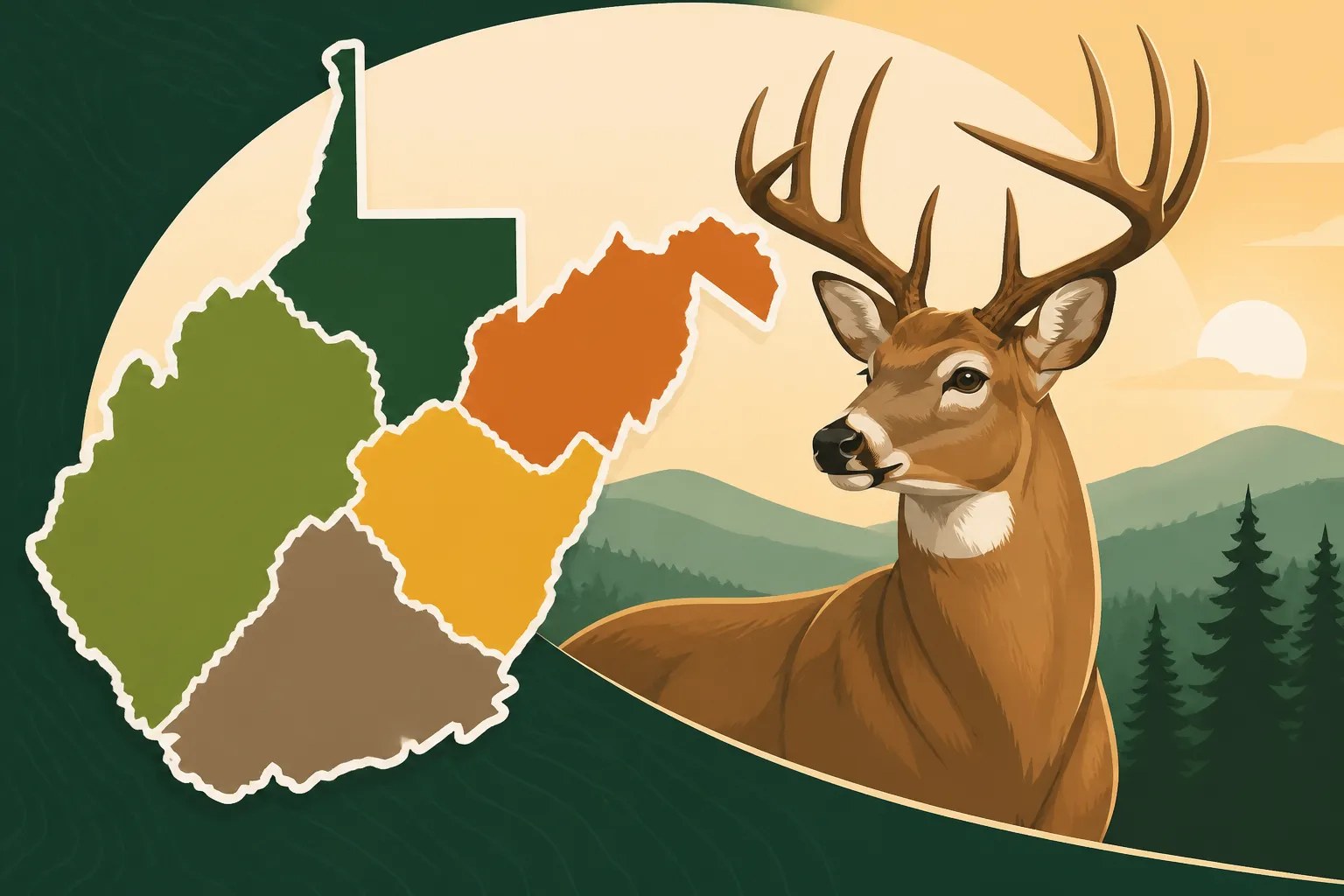
When it comes to deer weights, West Virginia can broadly be split into a few distinct regions, each with its own characteristics that influence the size of the deer. It's not a hard-and-fast rule, of course, as individual deer vary wildly, but these general trends can be incredibly useful for anticipating what you might encounter in the field.
Eastern Panhandle and Potomac Highlands: Bigger Bucks, Healthier Does
If you're looking for areas that consistently produce heavier deer, the Eastern Panhandle and the Potomac Highlands are often top contenders. These regions boast a unique combination of factors that contribute to larger-bodied whitetails. The Eastern Panhandle, with counties like Berkeley, Jefferson, and Morgan, has a significant agricultural presence. Think about those sprawling cornfields and soybean plots – deer here have a buffet of high-energy foods available for much of the year. This abundant nutrition translates directly into bigger, healthier animals. Many hunters specifically target these areas, or even the adjacent Potomac Highlands Public Land, because of the potential for larger deer.
Beyond agriculture, these regions also often have diverse timber stands that include mature oak and hickory, providing excellent mast crops during good years. This consistent, high-calorie food source, combined with generally milder winters than the highest mountain elevations, allows deer to reach their full genetic potential. You're likely to encounter mature bucks pushing well over 150 pounds dressed, and does that are substantial, often weighing in over 100-110 pounds. This isn't to say every deer will be a giant, but the average size is noticeably higher here compared to other parts of the state. It's a fantastic place to hunt if you're prioritizing meat on the table.
Southern Coalfields: Smaller but Resilient Deer
Moving south and west into the rugged terrain of the Southern Coalfields, the story changes a bit. Areas like Logan, Mingo, McDowell, and Wyoming counties are famous for their incredibly steep and challenging landscapes. While these counties offer fantastic hunting experiences, often in a more remote setting, the deer typically average a bit smaller in body weight. This isn't due to a lack of deer – populations can be quite healthy – but rather a reflection of the habitat.
The steep, rocky hillsides and generally poorer soil quality mean that the natural forage isn't always as rich or abundant as in the agricultural zones. Deer here rely more heavily on browse and whatever mast crops are available in the timber. While they are incredibly tough and resilient animals, constantly navigating steep slopes and dense cover requires a lot of energy, and the consistent, high-quality food needed to pack on serious weight can be scarcer. You might still find a mature buck that's put on some serious bulk, but the average for bucks might hover closer to 120-130 pounds dressed, and does often fall into the 80-90 pound range. Don't let that deter you though; hunting these areas offers a true wilderness experience, and a deer from the coalfields is a hard-earned trophy. The density of deer might still be high, but the overall body size will likely be a bit more modest. It’s important to acknowledge these differences when planning a hunt in the Southern Coalfields.
Ohio River Valley and Central Lowlands: Variable Weights, Good Potential
The Ohio River Valley and the central lowlands of West Virginia present a mixed bag when it comes to deer weights, but often with excellent potential. This region, encompassing counties along the Ohio River and stretching eastward into the more rolling hills, often benefits from a blend of agricultural land and productive timber. The river bottoms themselves are incredibly fertile, providing rich soil for both natural vegetation and farming. This creates pockets where deer have access to excellent food sources, similar to the Eastern Panhandle, leading to impressive body sizes. Hunting Ohio River Bottomland can be very rewarding.
However, as you move away from the immediate river corridors or deeper into the rolling timber, the quality of forage can become more variable. Some areas will have expansive hardwood forests with excellent mast crops, while others might be more fragmented or consist of less diverse timber types. This variability means that while you can certainly find very large deer in these regions, the average might not be as consistently high as in the prime agricultural belts of the Eastern Panhandle. Bucks typically range from 130-150 pounds dressed, and does often fall between 90-110 pounds. It's a region where scouting for specific food sources and prime habitat can really pay off in terms of encountering heavier deer. Understanding the local habitat differences within this broad region is key to predicting deer size.
Here’s a quick glance at hypothetical average dressed weights for a mature buck and a mature doe across these regions. Remember, these are averages and individual deer can vary wildly based on age, health, and specific local conditions.
| Region | Average Dressed Buck Weight (lbs) | Average Dressed Doe Weight (lbs) | Primary Influencing Factors |
|---|---|---|---|
| Eastern Panhandle | 145-165 | 105-125 | Abundant agriculture, rich soil, diverse mast crops |
| Potomac Highlands | 135-155 | 95-115 | Good mast crops, varied forage, sometimes colder |
| Ohio River Valley/Central Lowlands | 130-150 | 90-110 | Mix of agriculture and timber, fertile river bottoms |
| Southern Coalfields | 115-135 | 80-100 | Rugged terrain, poorer soil, reliance on browse |
Practical Implications for West Virginia Hunters
Knowing these regional deer weight averages isn't just trivia; it has real, practical implications for every hunter stepping into the West Virginia woods. From the moment you pull the trigger to the time you sit down to a venison meal, understanding the potential size of the animal you're pursuing can make a huge difference in your preparation and execution.
Field Dressing and Recovery Considerations
Let's be honest, finding your deer is just the first step after a successful shot; the real work often begins with getting it out of the woods. A 160-pound buck from the Eastern Panhandle is a significantly heavier lift than a 90-pound doe from the Southern Coalfields. This difference in weight directly impacts your field dressing and recovery strategy. If you're hunting in a region known for heavier deer, especially in steep terrain, you might need to plan for more robust Meat Care Gear for West Virginia Hunters. This could mean bringing a quality game cart, a deer sled, or even considering the "gutless method" to debone the animal in the field if you're deep in the backcountry and need to carry it out in pieces.
In rugged areas, even a "smaller" deer can feel like a ton of bricks if you're dragging it uphill. Knowing the average weights for your hunting area encourages you to think ahead about your recovery route and how many hands you might need. It might also influence your decision on where to take a shot, prioritizing a location that offers a slightly easier retrieval path if possible. Being prepared for the potential weight of your game will save you a lot of sweat and maybe even a strained back. Having strong ropes, a good knife, and even some game bags for quartering are always wise choices, particularly if you're Dragging a Deer Off a Steep Ridge.
Meat Yield and Processing Planning
For many of us, hunting is as much about putting high-quality, organic meat on the table as it is about the thrill of the chase. The average live weight of a deer directly correlates to the amount of venison you'll ultimately get. Generally, you can expect a yield of about 30-40% of the live weight in boneless, trimmed meat. So, a 150-pound dressed buck (which might have been closer to 180-200 pounds live) could yield 50-70 pounds of venison, while an 80-pound dressed doe (around 100 pounds live) might only give you 30-40 pounds.
This difference in yield can significantly impact your processing plans. If you're taking your deer to a professional butcher, a heavier deer means a higher processing fee, but also more cuts for your freezer. If you're butchering it yourself at camp, a larger animal means more time and effort. Knowing these regional averages helps you mentally prepare for the amount of meat you're likely to bring home and how much freezer space you'll need. It also helps manage expectations for your family or friends who might be hoping for a share of the bounty!
Using Data for Scouting and Hunt Planning
Beyond the immediate post-harvest logistics, understanding regional deer weight averages can be a powerful tool for your scouting and long-term hunt planning. If your primary goal is to harvest a heavier deer for maximum meat yield, you might prioritize hunting in regions known for larger-bodied animals, like the Eastern Panhandle. Conversely, if you're more focused on a challenging hunt in remote wilderness, and are content with potentially smaller-bodied deer, the Southern Coalfields might be your preferred destination.
When you're Scouting West Virginia Public Land Before Season, using tools like GoHunt or other mapping platforms can help you identify areas with the characteristics that support heavier deer – looking for proximity to agriculture, diverse mast-producing timber, and water sources. Analyzing historical harvest data (which these platforms often provide in a general sense) can also clue you into areas that consistently produce larger animals. It's not just about finding deer, but finding the kind of deer that aligns with your hunting goals. Knowing that a certain region's deer tend to be on the smaller side might adjust your expectations and even your shot selection, perhaps encouraging you to pass on younger animals in favor of a more mature, heavier specimen. This data-driven approach, even when dealing with averages, helps you make more informed decisions afield.
Disclaimer
This article is for general informational purposes only and does not constitute professional advice. Laws, prices and regulations vary by location and change over time. Consult a qualified professional for guidance on your specific situation.