Hunting the Southern Coalfields
For many hunters, the image of West Virginia hunting conjures up thoughts of the Allegheny Highlands or the expansive Monongahela National Forest. But if you’re overlooking the rugged, untamed beauty of the Southern Coalfields, you’re missing out on some truly unique and challenging opportunities. This guide will walk you through what to expect when you venture into this distinct region, from its challenging terrain to its abundant wildlife, and equip you with the knowledge to make your hunt a success.
Understanding the Southern Coalfields Landscape
The Southern Coalfields of West Virginia are a world unto themselves. This isn't your gently rolling farmland or expansive, mature hardwood forests of other states. Here, the mountains are steep, the hollows are deep, and the history of coal mining has left an indelible mark on the landscape. This rugged topography, often characterized by reclaimed mine lands, dense secondary growth, and tight valleys, presents a distinctive set of challenges and rewards for the hunter.
The Impact of Mining on Terrain
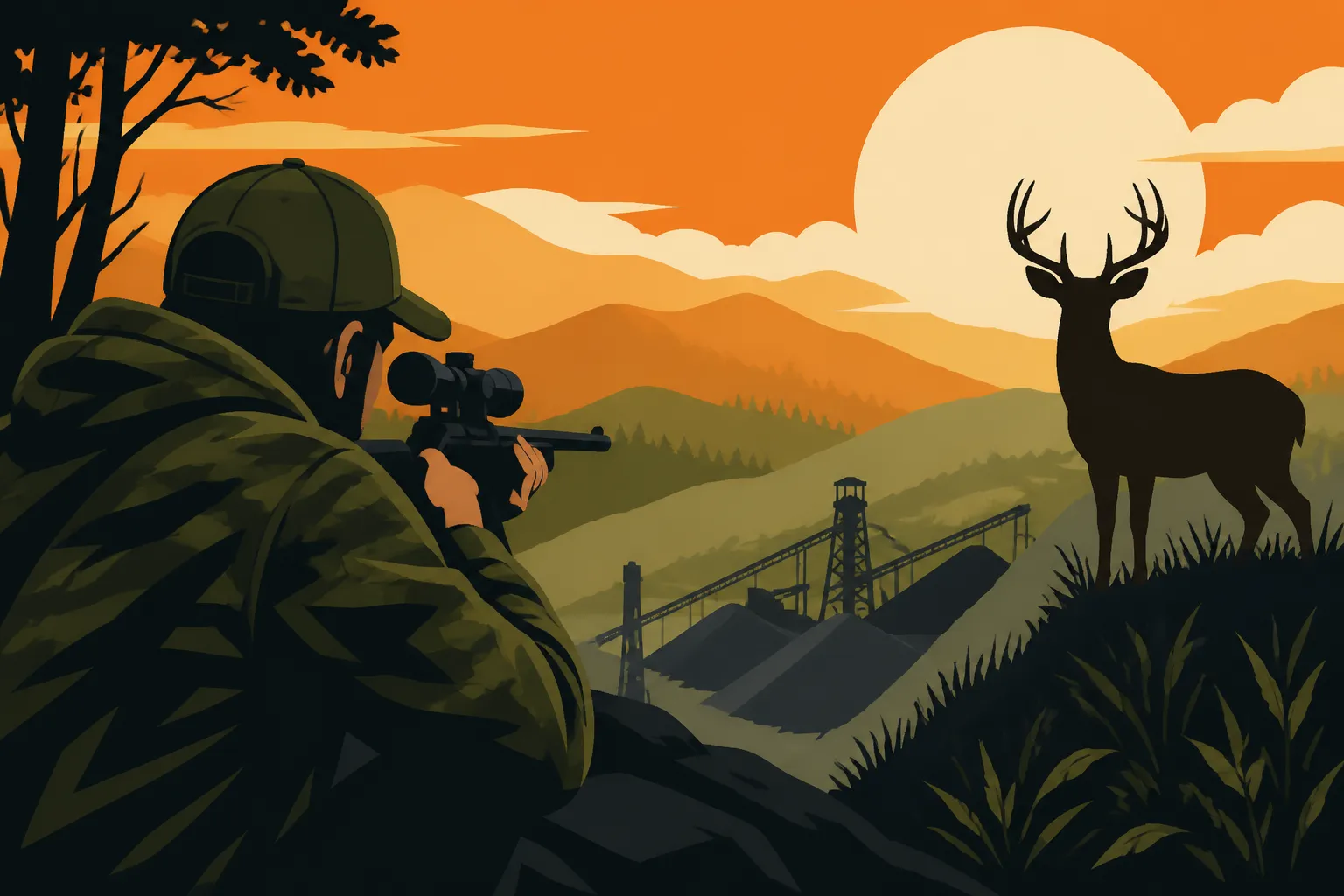
Decades of coal extraction, both surface and underground, have shaped the very bones of this region. While much of the active mining has subsided, its legacy remains in the form of highwalls, benches, and vast tracts of reclaimed land. These areas, once barren, are now often covered in thick brush, young timber, and unique plant communities that create incredible habitat for various game species. Don't let the industrial past deter you; these "scars" on the land are now vibrant ecosystems.
Imagine scouting an area where a mountain once stood, now flattened into a wide, bench-like plateau. This can be a boon for hunters, creating easier walking paths and unexpected clearings in an otherwise impenetrable landscape. However, it also means navigating sudden drop-offs, unstable ground in places, and an altered drainage system that can form new, unexpected creek beds or boggy areas. Understanding these topographical shifts is crucial for safe and effective travel. It's not just about reading a topo map; it's about interpreting a landscape that has been actively re-engineered.
Steep Hollows and Dense Cover
Beyond the reclaimed areas, the natural terrain is relentlessly steep. We're talking about hollows that plunge hundreds of feet, and ridges that climb just as dramatically. This isn't for the faint of heart, or for those unprepared for serious elevation changes. The timber, often a mix of hardwoods and evergreens like laurel and rhododendron, can be incredibly dense, forming thickets that are almost impossible to penetrate quietly.
This dense cover, while a pain to traverse, is a huge advantage for wildlife. Deer, bears, and turkeys find sanctuary in these thick, steep pockets where human pressure is naturally minimized. They can escape hunters simply by dropping into a rhododendron thicket on a steep hillside where few are willing to follow. Your ability to move slowly, quietly, and persistently through this challenging environment will be key to success. Remember, if it's hard for you to get through, it's also hard for most other hunters, which means fewer disturbances for the game.
Key Game Species of the Southern Coalfields
The Southern Coalfields might be rugged, but they are teeming with wildlife. While deer are a primary target, this region offers exceptional opportunities for black bears, wild turkeys, and even a burgeoning population of feral hogs. Each species presents its own set of challenges and rewards, perfectly suited to the unique habitat found here.
Whitetail Deer in Archery-Only Zones
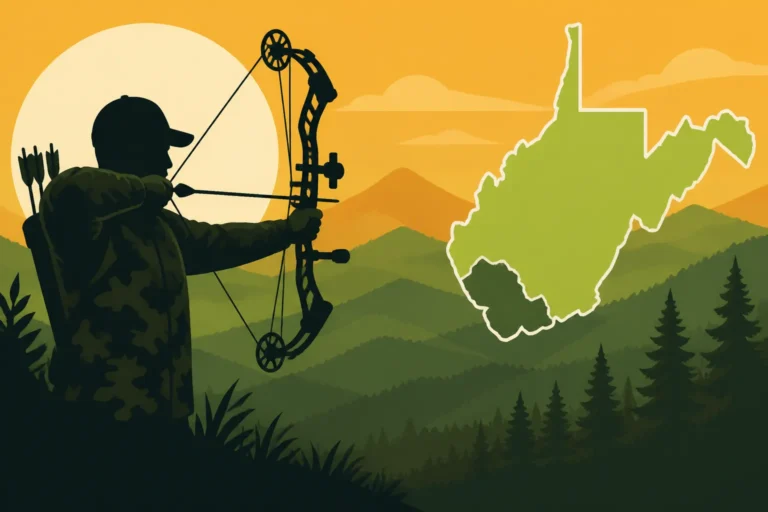
Perhaps the most distinctive feature of hunting deer in the Southern Coalfields is the presence of special archery-only counties. Places like Logan, McDowell, Mingo, and Wyoming counties are famous for this regulation, providing a unique challenge and a different hunting experience compared to the rest of the state. This means no gun season for deer, leading to potentially older age-class bucks and less hunting pressure during the traditional firearms season. You can learn more about this specific regulation in Why Logan and McDowell Skip Gun Season.
Hunting these archery-only zones demands a different mindset. Deer are less conditioned to the intense pressure of gun season, but they are still incredibly wary. Bowhunters need to focus on close-range encounters, mastering stealth and woodsmanship. The dense cover and steep terrain favor still-hunting or carefully placed treestands on benches or ridge saddles. Food sources can be varied, from mast crops like acorns to browse in recent timber cuts or reclaimed areas. A late-season archery hunt, when other areas are silent from gun season, can be exceptionally rewarding in these counties.
West Virginia's Robust Black Bear Population
West Virginia's black bear population has seen a remarkable comeback, and the Southern Coalfields are no exception. These mountains provide ideal habitat: vast tracts of forest, ample denning sites in rock outcroppings and hollow logs, and a diverse food supply ranging from berries and nuts to insects and acorns. Bears are truly kings of these dense, steep hillsides. You can read more about West Virginia's Black Bear Comeback to understand their history in the state.
Hunting bears in this region often involves still-hunting through known feeding areas, like oak flats or berry patches, particularly in late summer and fall. Bear sign — scat, claw marks on trees, overturned rocks — will be abundant if you're in the right spot. For those who prefer hound hunting, the rugged terrain provides excellent training grounds and challenges for dogs and handlers alike. Spot-and-stalk can also be effective on open reclaimed lands, but it requires patience and keen optics. Recovering a bear from a deep hollow in this terrain is a significant undertaking, so be prepared for a strenuous pack-out.
Wild Turkeys and Feral Hogs
While deer and bear often grab the headlines, the Southern Coalfields also offer great opportunities for wild turkeys and, increasingly, feral hogs. Turkeys thrive in the mixed hardwood forests, finding ample roosting sites on tall trees along ridges and feeding in the hollows. Spring gobbler hunting can be challenging, with birds ranging widely across the steep topography, but the dense cover can also allow for close encounters if you're patient and skilled with calls. Fall turkey hunting, which involves breaking up flocks and calling them back, is also a viable option in many areas.
Feral hogs are a growing concern and a year-round hunting opportunity in West Virginia, particularly in the southern counties. These destructive invasives thrive in the dense underbrush and can cause significant damage to the ecosystem. Hunting hogs in the Coalfields typically involves scouting for rooting sign, setting up on travel corridors, or pursuing them with dogs. Given their elusive nature and the thick cover, thermal or night vision equipment can be invaluable for nighttime hunting on private land, where regulations often allow it. Understanding West Virginia Feral Hog Regulations is crucial before you head out.
Public Land Opportunities in the Southern Coalfields
Despite the complex history of land ownership related to mining, the Southern Coalfields still offer significant public land access. These tracts provide crucial hunting grounds for residents and non-residents alike, but require diligent scouting and an understanding of how they fit into the broader landscape.
Tomblin Wildlife Management Area
One of the crown jewels of public land in the Southern Coalfields is Tomblin Wildlife Management Area (WMA). Located in Logan and Mingo counties, it spans thousands of acres and is a prime example of successful land reclamation for wildlife habitat. The WMA offers a diverse landscape, from rolling reclaimed mine benches to steep, wooded hollows, making it a hotspot for deer, bear, and turkey. It's also central to West Virginia's elk restoration efforts, though elk hunting is currently limited to quota hunts. For more detailed information, check out Tomblin Wildlife Management Area.
Hunting Tomblin WMA often means navigating a mosaic of open areas and dense new growth. The reclaimed benches can offer surprisingly good visibility in spots, allowing for glassing opportunities, while the transition zones into mature timber are excellent places to intercept deer or bears moving between bedding and feeding areas. Access can be a mix of well-maintained gravel roads and rougher, less traveled trails, so a reliable vehicle is essential. Always double-check WMA-specific regulations and boundaries, as they can sometimes differ from statewide rules.
Other Public Tracts and State Forests
Beyond Tomblin WMA, other smaller state forests and public parcels exist throughout the Southern Coalfields. These might not be as expansive, but they often offer less crowded hunting experiences for those willing to do their homework. These areas can include portions of state forests, smaller WMAs, or even public access points along rivers and streams that lead into huntable timber.
Finding these smaller tracts often requires digging into maps and local knowledge. Tools like onX Hunt can be indispensable here, allowing you to overlay public and private land boundaries directly onto detailed topographical maps. This helps you identify disconnected parcels, public easements, or even small state-owned lands that might go unnoticed by others. Don't overlook these hidden gems; they often hold excellent game because of reduced pressure. Always confirm local rules and regulations before planning a hunt on these lesser-known properties.
Navigating and Accessing Southern Coalfields Terrain
Hunting in the Southern Coalfields isn't just about finding game; it's about mastering the terrain itself. The steep slopes, dense vegetation, and sometimes fragmented nature of public land require specific navigation techniques and a proactive approach to access.
Reading the Topography for Game Movement
The extreme topography of the Southern Coalfields dictates how game moves. Ridges, hollows, and benches act as natural travel corridors, funnels, and bedding areas. Deer, for instance, will often follow the contours of a bench rather than traversing straight up or down a steep incline. They'll use saddles between ridges to cross from one drainage to another. Understanding these natural patterns is crucial. For instance, Reading a Hollow for Deer Movement After Snow can provide insights into how deer adapt to challenging weather in such terrain.
When scouting, look for benches that run along the sides of mountains – these are natural highways. Identify saddles that connect two ridgelines, as these are common crossing points. Pay attention to how hollows head up and where they meet the ridgelines; deer often bed on these steep slopes and funnel into the heads of hollows at first and last light. Hunting a Steep Hollow Head at First Light is a tactic particularly effective in this kind of country. Your map reading skills, especially with contour lines, will be put to the test here.
Overcoming Access Challenges
Accessing prime hunting spots in the Southern Coalfields can be a significant hurdle. Roads might be rough, unpaved, or even nonexistent past a certain point. Many areas require substantial hikes, often straight uphill, just to reach huntable ground. Parking can be limited, and navigating old logging roads or reclaimed mine haul roads might require a high-clearance, four-wheel-drive vehicle.
It's not uncommon to walk several miles and climb thousands of feet in elevation during a day's hunt. This is where proper physical conditioning truly pays off. Consider using mapping apps like onX Hunt to identify potential parking spots, trail systems (or lack thereof), and property boundaries to avoid trespassing. Sometimes, the best hunting is found simply by walking further and harder than most other hunters are willing to go. Don't be afraid to put in the legwork; the rewards can be significant.
Essential Gear for Southern Coalfields Hunting
The challenging environment of the Southern Coalfields demands specific gear choices to ensure both your safety and success. From sturdy footwear to reliable navigation tools, having the right equipment can make or break your hunting trip.
Footwear and Clothing for Steep, Rugged Terrain
Your feet are your most important asset in the Southern Coalfields. You need boots that provide exceptional ankle support, aggressive traction for steep, often loose, terrain, and waterproof capabilities. Expect to encounter everything from mud and rocky slopes to hidden seepages and creek crossings. A good pair of waterproof hunting boots, broken in well before your trip, is non-negotiable. Boots for West Virginia Hollows and Ridges delves deeper into what to look for.
Layered clothing is also critical. The weather in the mountains can change rapidly, and your activity level will fluctuate between strenuous climbs and stationary periods on a stand. Start with moisture-wicking base layers, add insulating mid-layers, and top it off with a durable, waterproof, and windproof outer shell. This allows you to adjust to temperature swings and manage perspiration, which is key to staying comfortable and preventing hypothermia. Think about durability too, as you'll be pushing through thick brush and scrambling over rocks.
Navigation Tools and Emergency Preparedness
Reliance on cell service in the Southern Coalfields is a gamble you can't afford to take. Many of the deep hollows and remote ridges are dead zones. Therefore, dedicated navigation tools are paramount. A reliable GPS unit or a smartphone with downloaded offline maps (like those offered by onX Hunt) is essential. Always carry a physical compass and a paper map as a backup – batteries die, and electronics fail. Knowing how to use them is even more important.
Beyond navigation, a comprehensive emergency kit is crucial. This should include a first-aid kit, fire-starting materials, a headlamp, extra batteries, a knife, a multi-tool, sufficient water, and emergency food. Given the difficulty of extracting game, especially large animals, you should also carry appropriate gear for field dressing and packing out, like a sharp knife, game bags, and perhaps a bone saw. If you're fortunate enough to harvest an animal, Dragging a Deer Off a Steep Ridge is a skill you'll want to have practiced beforehand.
| Item Type | Key Considerations for Southern Coalfields | Why It Matters |
|---|---|---|
| Footwear | Waterproof, high ankle support, aggressive traction, durable construction | Navigating wet, rocky, steep, and uneven terrain safely and comfortably |
| Layers | Moisture-wicking base, insulating mid, waterproof/windproof outer | Adapting to rapid weather changes, managing perspiration during strenuous climbs |
| Navigation | GPS with offline maps (e.g., onX Hunt), compass, paper map (and skill to use) | Reliable navigation in areas with no cell service and complex terrain |
| Packs | Durable, comfortable, sufficient capacity for gear and game pack-out | Carrying essentials for long hikes and potentially heavy loads from harvested game |
| Trekking Poles | Adjustable, sturdy, lightweight | Stability on steep ascents/descents, reducing strain on knees and back |
| Emergency Kit | First-aid, fire starter, headlamp, water/filter, emergency food, knife | Self-sufficiency in remote areas where help may be hours away |
Hunting Strategies Specific to the Southern Coalfields
The unique characteristics of the Southern Coalfields necessitate adapted hunting strategies. What works in flat farmlands might be utterly ineffective here. Embracing the landscape and thinking creatively about game movement will be your greatest assets.
Hunting Reclaimed Mine Lands and Highwalls
Reclaimed mine lands, often characterized by benches, thick vegetative growth, and scattered clearings, can be incredibly productive. These areas frequently hold a mix of young, dense timber and brush, providing excellent cover, browse, and sometimes even unique food sources from successional plant species. Deer will often bed in the thickest pockets and utilize the benches as travel routes. Hunting a Reclaimed Surface Mine Bench provides more insights into this specific tactic.
When hunting these areas, focus on transition zones: where thick brush meets more open ground, or where reclaimed lands meet older timber. Deer and other game will use these edges. Look for saddles or draws that connect different benches or allow access between the mine lands and natural timber. Glassing these more open areas from a distance, especially during low light, can reveal game movement. Be mindful of wind direction; thermals can be tricky in areas with varied topography and open ground.
Still-Hunting and Stand Placement in Steep Terrain
Still-hunting is often a highly effective strategy in the Southern Coalfields. The dense cover allows hunters to move slowly and deliberately, using the terrain to break up their silhouette and the natural noise of the forest to mask their movements. Focus on moving into the wind or across it, taking frequent pauses to scan and listen. This method allows you to cover ground and find game actively using the varied food sources and cover.
For stand placement, think about elevation and access. Look for benches or subtle terrain breaks on steep hillsides that funnel deer movement. A saddle between two hollows or a natural choke point where deer pass to access different feeding areas can be deadly. Consider hunting lower in the hollows in the morning as thermals pull scent downhill, and higher on the ridges in the afternoon as thermals rise. Using a mobile treestand or saddle system can be advantageous, allowing you to adapt to changing conditions and scout new areas more easily. Remember, finding ground that others walk past is key here; the harder the access, the less competition you'll likely face.
Leveraging the Archery-Only Advantage
In the counties designated as archery-only for deer, the entire season provides an extended opportunity to hunt deer that have not faced modern firearm pressure. This can result in deer with slightly different behavioral patterns than those in gun-hunted areas. They may be less wary of distant human presence, but still incredibly tuned into close-range threats.
To make the most of this, focus on calling and decoying tactics that might be less effective in areas with heavy gun pressure. Rattling and grunting can sometimes draw in curious bucks, especially during the rut. Patience is a virtue, as is meticulous scent control. Remember that while there's no gun season for deer, other species like bear and small game might be hunted with firearms, so always check local regulations for specific dates and weapon restrictions. This prolonged archery opportunity can really extend your time in the woods and offer a unique challenge. Hunting the Southern Archery-Only Counties provides an excellent resource for deeper understanding.
Disclaimer
This article is for general informational purposes only and does not constitute professional advice. Laws, prices and regulations vary by location and change over time. Consult a qualified professional for guidance on your specific situation.