McDowell County Archery-Only Public Ground
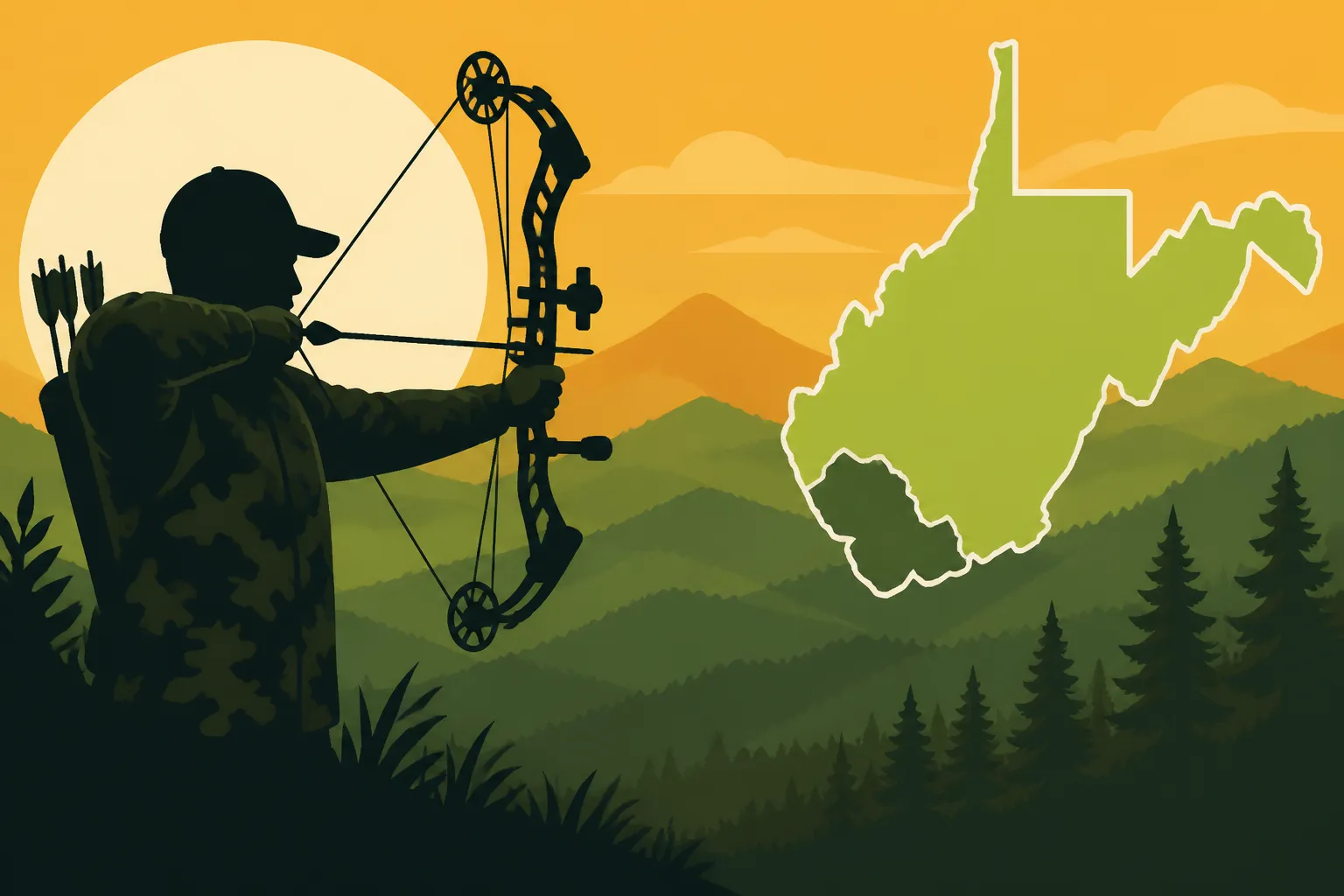
Hunting in West Virginia offers an incredible diversity of landscapes and opportunities, but it also comes with some unique regional nuances that can really catch you off guard if you're not prepared. One such unique aspect is deer hunting in McDowell County, where you can only pursue whitetails with archery equipment. This guide is designed to help you understand the specific rules, find the public hunting grounds, and develop effective archery strategies to make your hunt in McDowell County a success.
Understanding McDowell County's Archery-Only Distinction
For many hunters, the idea of an archery-only county might seem unusual, especially in a state known for its rich firearms hunting tradition. However, McDowell County, along with a few others in the southern part of West Virginia, operates under a specific regulation that limits deer hunting to archery equipment only. This rule isn't arbitrary; it stems from a combination of historical factors and specific management goals for these particular areas. Understanding this distinction is the first step in planning a successful hunt.
The Historical Context and Rationale
The decision to designate McDowell County as archery-only for deer hunting goes back a number of years, rooted in a desire to manage deer populations and hunting pressure in specific areas. These southern counties often have a different land-use history and population density compared to, say, the Eastern Panhandle. In many cases, the rugged, fragmented terrain, coupled with varying human populations and local preferences, led the West Virginia Division of Natural Resources (WVDNR) to implement this restriction. The goal was often to provide a unique hunting experience, reduce conflicts, and potentially allow deer populations to thrive in a different way than in gun counties. It's a key part of Why Four Southern Counties Skip Gun Season.
The intent was never to make hunting harder, but rather to cater to specific local conditions and provide a distinct opportunity. This often means less overall hunting pressure during peak gun seasons, which can sometimes translate into deer exhibiting different behaviors. For the dedicated archer, it's a chance to immerse themselves in a more primitive, focused hunt without the thunder of rifles echoing through the hollers. It truly sets these counties apart from the statewide norms.
Impact on Deer Behavior and Hunting Pressure
Because McDowell County is strictly archery-only, the deer often experience a different type of pressure compared to their cousins in counties where firearms are permitted. While deer are still hunted, the absence of gun season means they might not be as conditioned to the loud, sudden disturbances associated with firearms. This isn't to say they're "dumb" deer, but their flight responses and patterns of movement might differ. During the peak of the rut in November, for example, the woods are quieter, and bucks might be less prone to going completely nocturnal or seeking out extreme hidey-holes due to continuous firearm pressure.
This reduced pressure can, in theory, allow for more natural movement patterns during daylight hours, especially as the season progresses into the late fall and early winter. Hunters might find deer respond differently to calling or decoys than in high-pressure gun zones. However, it also means that the deer in these areas are highly attuned to subtle human presence – scent, sight, and sound. A successful hunt often hinges on meticulous attention to detail and a profound understanding of how to move through their habitat undetected, as they don't have the "mask" of gunshots to distract them from your approach.
What "Archery-Only" Truly Means for Hunters
For you, the hunter, "archery-only" means you must carry a legal bow or crossbow to pursue deer in McDowell County. You won't find traditional rifle seasons here, and bringing a firearm for deer hunting is simply not permitted. This also means you need to be intimately familiar with West Virginia's specific regulations regarding archery equipment. This includes minimum draw weights for bows, appropriate broadheads, and proper handling of crossbows. It's not just about having a bow, it's about having the right bow, set up correctly, and knowing its limitations and your own.
Furthermore, it emphasizes the importance of shot placement and tracking skills. With archery equipment, shot distances are generally shorter, and the margin for error is smaller. You must commit to ethical shots and be prepared for the often-challenging task of tracking an animal through dense, mountainous terrain. It demands a higher level of skill and discipline, making a successful harvest in an archery-only county particularly rewarding. Make sure to check West Virginia Archery and Crossbow Season Dates before you head out.
Navigating Public Hunting Opportunities in McDowell County
While McDowell County is archery-only, it still offers public hunting opportunities for those willing to do their homework. These lands can be incredibly productive for deer, but finding and effectively using them requires a good strategy, especially given the rugged topography of the region.
Identifying Key Public Land Tracts
McDowell County might not boast vast national forests like the Monongahela National Forest, but it does have public lands available. The primary public hunting opportunities often exist through various WVDNR-managed lands or smaller state forests and even some reclaimed mine lands that have been opened to hunting. These can vary in size and accessibility. It's crucial to consult official WVDNR maps and resources. Sometimes, these are smaller, more fragmented parcels, which means careful planning to identify boundaries and access points. Don't assume all "green" areas on a general map are huntable public land; verify with the WVDNR's specific public land designations.
Some of these public lands might be older timber tracts, while others could be areas impacted by historical coal mining, now undergoing reclamation and reforestation. This creates a mosaic of habitats, from dense, mature hardwoods to younger, thicker clear-cuts and even open, grassy benches on old mine sites. Each offers different challenges and opportunities for the archer. Scouting these areas for deer sign and understanding the dominant food sources will be paramount to your success.
Utilizing Mapping Tools for Access and Scouting
In a county with potentially fragmented public land and dense terrain, modern mapping tools are absolutely indispensable. Services like onX Hunt have revolutionized how hunters approach public land, allowing you to see property boundaries, topographic lines, and potential access routes right on your phone or GPS device. Before you even set foot in the woods, you can digitally scout for promising features like ridgelines, saddles, benches, and water sources that might concentrate deer movement. Using onX Hunt, you can mark potential stand sites, track your movements, and even verify land ownership on the fly, ensuring you stay on public ground.
Another excellent resource is the official West Virginia WVDNR Go Wild West Virginia platform, which often has interactive maps detailing public hunting areas, regulations, and even CWD sampling stations. Combining the detailed mapping capabilities of onX Hunt with the official WVDNR information from GoHunt can give you a comprehensive picture of where you can hunt and what to expect. These tools can save you countless hours of wandering aimlessly and significantly increase your chances of finding productive ground, especially when you're trying to identify Finding Ground Others Walk Past.
Finding Secluded Spots Away from Pressure
Even in archery-only counties, easily accessible public land can still see its fair share of foot traffic. The key to consistent success, especially for mature deer, often lies in finding those overlooked, hard-to-reach spots. This means studying topographic maps and aerial imagery for features that deter other hunters. Steep hollows, thick laurel patches, or areas requiring a longer, tougher walk are often goldmines for secluded deer. Look for natural funnels created by terrain – narrow saddles between peaks, benches along steep slopes, or creek bottoms that offer easy travel lanes through otherwise impassable thickets.
Don't be afraid to put in the effort. A long walk, especially one uphill, deters many. Consider areas where terrain forces deer into predictable patterns. A bench halfway up a steep slope might be a bedding area where deer feel secure, while a saddle connecting two ridges could be a major travel corridor during the rut. Identifying these areas from your map and then verifying them with boots on the ground during scouting trips will allow you to pinpoint stand locations that are less likely to be disturbed by other hunters, giving you an edge in a quieter, archery-focused environment. This is especially true when attempting Scouting West Virginia Public Land Before Season.
Archery Tactics Tailored for McDowell's Terrain
Hunting deer with a bow or crossbow in the rugged, forested terrain of McDowell County presents its own unique set of challenges and opportunities. Success often comes down to precise execution, deep woodsman skills, and an understanding of how deer use the landscape.
Treestand and Ground Blind Strategies
Both treestands and ground blinds have their place in McDowell County, and the choice often depends on the specific spot and conditions. Treestands are fantastic for getting above a deer's line of sight and scent, crucial in thick woods. On steep slopes, however, finding a level, stable tree can be a challenge. Hanging a Stand on a Steep Allegheny Ridge requires careful planning and a good understanding of safety. Portable climbing sticks and a lightweight stand or saddle hunting setup are ideal for maximizing mobility on public land. Look for mature, straight trees on benches, near saddles, or overlooking natural funnels where deer movement is concentrated. Your setup should allow for shots at typical archery distances, generally within 30-40 yards.
Ground blinds, whether natural or manufactured, can be incredibly effective in areas with limited suitable trees or for hunters who prefer to stay on the ground. They are particularly useful along field edges, near food sources, or in thick cover where deer naturally feel secure. The key to a successful ground blind is concealment – brushing it in thoroughly with natural vegetation is paramount. Deer in archery-only areas might be less accustomed to sudden visual changes, so the more natural your setup looks, the better. Consider prevailing winds and thermals when placing any stand or blind, as these will dictate a deer's approach and your chances of remaining undetected.
Scouting and Reading Sign in Mountainous Archery Zones
Effective scouting is the bedrock of successful archery hunting, and in McDowell's mountainous terrain, it's even more critical. You're looking for fresh deer sign – tracks, rubs, scrapes, and droppings – that indicate current activity. Pay close attention to ridge lines, saddles, and benches, as these are natural travel corridors. Deer will often skirt around the steepest inclines, favoring paths of least resistance. Look for well-worn trails that connect bedding areas (often on dense, secure benches or thickets) to feeding areas (acorn flats, creek bottoms, or clear-cuts).
During the pre-season, focus on finding food sources. Are oaks dropping acorns? Which ones? Are there any less common browse plants deer are keying into? As the season progresses, shift your focus to rub lines and scrape lines, which indicate breeding activity. Remember that bucks will travel great distances during the rut. Scrape Lines Along a Logging Road can be great indicators of a buck's travel route. Don't just look for sign, try to understand the flow of deer movement, how they use the terrain, and what motivates them at different times of the day and year. Your ability to read the landscape like a deer will be your biggest asset.
Leveraging Terrain and Thermals for Success
The mountainous topography of McDowell County means that terrain and thermals play an enormous role in deer movement and your hunting strategy. Thermals are air currents that rise and fall with temperature changes throughout the day. In the morning, as the sun warms the ground, thermals generally rise uphill. In the evening, as the air cools, they tend to fall downhill. Understanding these patterns is critical for staying undetected. If you set up on a ridgetop saddle in the evening, your scent might carry downhill, alerting any deer approaching from below. Conversely, in the morning, your scent could be carried uphill.
Terrain dictates travel. Deer often move along benches, follow creek bottoms, or utilize saddles to cross from one drainage to another. They will also use points and dips in ridges to avoid being silhouetted. When choosing a stand location, consider how deer will likely move through the area relative to your position and the prevailing winds and thermals. Your ideal setup puts you crosswind or downwind of their anticipated travel path, with thermals carrying your scent away from them. Even a slight shift in wind direction or thermal activity can make or break a hunt in this challenging environment. It's often a game of chess against nature.
Essential Regulations and Preparations for an Archery Hunt
Hunting in any new area, especially one with unique regulations like McDowell County, requires thorough preparation. Beyond your archery skills, understanding the legal framework and ensuring you have the right gear are paramount for a safe, ethical, and successful hunt.
Licenses, Stamps, and Reporting Requirements
Before you even pack your bow, ensure you have all the necessary West Virginia hunting licenses and stamps. For deer hunting in McDowell County, you'll need a base hunting license, a deer stamp, and potentially a bear stamp if you plan to pursue bears as well (bear hunting is permitted in McDowell County). Non-residents will have different requirements than residents. All licenses can typically be purchased online through the Go Wild West Virginia platform or from authorized agents across the state. It's a good idea to purchase them well in advance to avoid any last-minute hassles.
After a successful harvest, reporting your deer is mandatory in West Virginia. This can usually be done online through the WVDNR website, via the official WVDNR app, or by phone. Make sure you understand the West Virginia Deer Reporting Requirements and the deadline for reporting your harvest. Accurate reporting helps the WVDNR manage deer populations effectively and contributes to the health of the herd for future generations of hunters. Always carry proof of your licenses and stamps with you while afield.
Chronic Wasting Disease CWD Considerations
Chronic Wasting Disease (CWD) is a serious neurological disease affecting deer, elk, and moose, and unfortunately, West Virginia has CWD-positive counties. McDowell County is situated in a region that borders some CWD-affected areas, so it's critical to be aware of the latest CWD regulations before your hunt. The WVDNR provides updated information on CWD containment areas, carcass transport restrictions, and mandatory or voluntary testing requirements. Ignoring these rules can lead to fines and, more importantly, contribute to the spread of the disease.
Hunters in CWD containment areas are often restricted from moving certain parts of a harvested deer carcass out of that county. This means you might need to bone out your deer in the field or take it to a designated CWD sampling station within the containment area. Knowing How West Virginia's CWD Containment Area Works is essential for compliance. Always check the current WVDNR guidelines for McDowell County specifically, as these regulations can change based on disease spread and monitoring efforts. Ethical hunting extends beyond the shot to responsible disease management.
Crucial Gear for a Successful Hunt
Beyond your bow or crossbow, there's a host of other gear that will make your McDowell County archery hunt safer and more effective. Given the steep, rugged terrain, durable, comfortable hiking boots with good ankle support are non-negotiable. Layered clothing is also key, as temperatures can vary wildly from early morning to midday, and between ridge tops and valley bottoms. Opt for quiet fabrics that won't spook deer as you move or draw your bow. Blaze orange requirements vary for archery season, but it's always wise to wear it when walking in and out of your hunting area, especially during shared seasons. Check How Much Blaze Orange West Virginia Requires for specific rules.
Other essential items include a reliable GPS unit or a phone with a robust hunting app like onX Hunt downloaded with offline maps (cell service is spotty at best in many parts of McDowell). A quality headlamp, a first-aid kit, game bags, and sufficient water and snacks are also critical, especially if you plan to venture deep into public lands. Don't forget a sharp field dressing knife and perhaps a small saw for breaking down your animal. The more prepared you are for the unexpected, the smoother your hunt will be.
| Item Type | Recommended Gear for McDowell Archery | Why It's Important |
|---|---|---|
| Archery Setup | Compound bow or crossbow | Legal and effective for deer. |
| Fixed blade broadheads | Reliable for penetration on timber shots. | |
| Quiver with extra arrows | Essential for follow-up shots or lost arrows. | |
| Optics | 8x-10x Binoculars | Glassing distant ridges and spotting movement. |
| Rangefinder | Crucial for precise shot distances in varied terrain. | |
| Navigation | onX Hunt / GoHunt app with offline maps | Property lines, topo, and satellite imagery. |
| GPS unit (backup) | Reliable navigation where cell service is absent. | |
| Clothing | Layered, quiet system (wool/synthetics) | Adapts to temperature changes, minimizes noise. |
| Waterproof outer shell | Protection from unpredictable mountain weather. | |
| Sturdy hiking boots | Ankle support and traction on steep, uneven ground. | |
| Safety/Misc. | First-aid kit | Essential for unexpected injuries. |
| Headlamp | Navigating in the dark, tracking. | |
| Water & high-energy snacks | Sustenance for long days afield. | |
| Deer drag/sled | Aid in extracting a harvested deer from steep terrain. |
Disclaimer
This article is for general informational purposes only and does not constitute professional advice. Laws, prices and regulations vary by location and change over time. Consult a qualified professional for guidance on your specific situation.