How Much Blaze Orange West Virginia Requires
Navigating West Virginia's hunting regulations can feel like deciphering ancient texts sometimes, especially when it comes to something as crucial as blaze orange. It’s not just about throwing on any orange; there are specific requirements for how much and when you need it, and getting it wrong can not only lead to a citation but, more importantly, can compromise your safety in the woods. This guide aims to clear up all the confusion, ensuring you're both legal and visible when you head afield in the Mountain State.
The Mandate: How Much Blaze Orange You Really Need in West Virginia
The West Virginia Division of Natural Resources (WVDNR) takes hunter safety seriously, and blaze orange plays a massive role in preventing tragic accidents. It’s not a suggestion; it’s a non-negotiable requirement during specific seasons. For many hunters, especially those new to the state or just getting into the sport, the exact "how much" can be a bit of a head-scratcher.
The 400 Square Inch Rule During Firearm Seasons
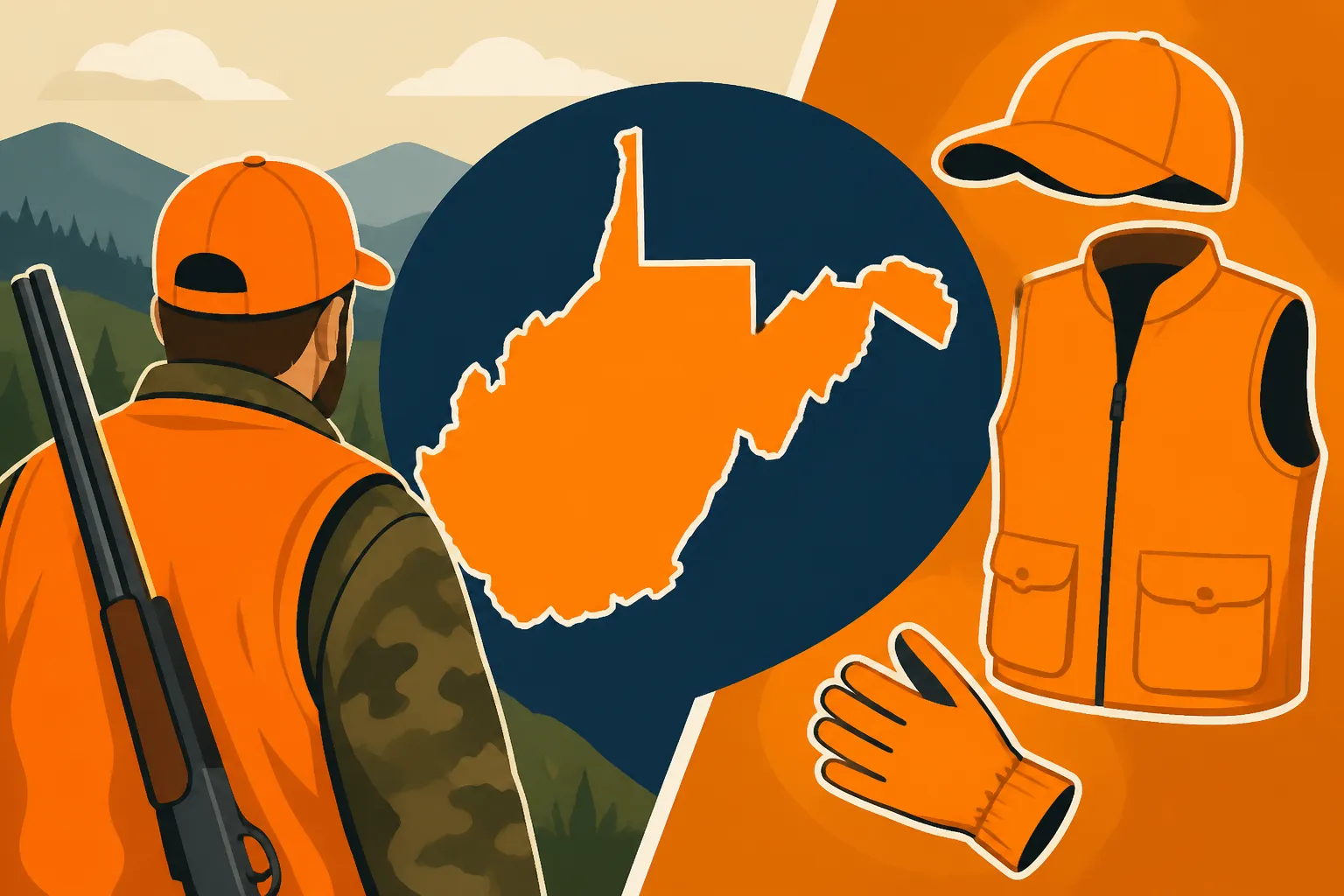
Let’s get straight to the brass tacks: when any firearm deer or bear season is open, West Virginia law mandates that hunters must wear at least 400 square inches of blaze orange on their outermost garment. This isn't just a random number; it's a carefully calculated minimum designed to ensure you are highly visible to other hunters, especially in the often-dense West Virginia woods.
This 400 square inches must be plainly visible from all sides. Think about that for a moment: if you're wearing a blaze orange vest but it's completely covered by your backpack, or if your jacket only has a small patch of orange on the front, you're not meeting the requirement. It needs to be your outermost layer, allowing for uninterrupted visibility. Furthermore, a blaze orange head covering is also required. This means a hat, beanie, or cap that is entirely blaze orange, not just partially.
This rule is paramount during peak hunting times like West Virginia's Buck Gun Season, when deer camps are bustling and public lands can see significant pressure. It also applies during Muzzleloader Deer Hunting in West Virginia, even though those seasons typically occur later in the year when leaf cover is down. The logic is simple: if there are firearms being discharged for deer or bear, everyone needs to be as visible as possible. This rule also extends to those pursuing other game like bobcats or coyotes when these major gun seasons are concurrently open.
Archery and Crossbow Hunters: Don't Get Caught Off Guard
This is where many archers sometimes stumble. It's a common misconception that if you're hunting with a bow or crossbow, you're exempt from blaze orange requirements. This is absolutely not true in West Virginia during overlap periods. If any firearm deer or bear season is open concurrently with the archery or crossbow season, then archers and crossbow hunters must also wear the 400 square inches of blaze orange and a blaze orange head covering.
For instance, West Virginia's Long Archery Season typically runs from late September well into December. While the early weeks are often "archery-only," things change dramatically once West Virginia's Buck Gun Season kicks off in November. Suddenly, an archer who was quietly camouflaged a week prior must now don full blaze orange, even if they're not carrying a firearm. The same principle applies if the hunting area is also open for bear with firearms, as defined in Hunting West Virginia's Liberal Bear Season.
The reasoning behind this isn't to impede your archery hunt, but purely for safety. When the woods are filled with hunters using different weapon types, it's crucial that everyone is easily identifiable as a human hunter, not as game. Always check the current West Virginia Archery and Crossbow Season Dates against the firearm season dates to ensure you’re compliant. A quick look at the WVDNR regulations will clearly show you when these overlaps occur in your specific county.
Making Sense of the Measurements and Visibility
The term "400 square inches" can sound a bit abstract. What does that actually look like when you're standing in front of your hunting gear pile? And how do you ensure that it's truly "visible from all sides" when you're layered up or wearing a backpack? Let's break it down into practical terms.
Visualizing 400 Square Inches: What That Looks Like
Imagine a piece of paper that's 20 inches by 20 inches. That's 400 square inches. In practical hunting gear, this usually translates to a combination of items. The most common and easiest way to meet the requirement is with a blaze orange vest that covers your torso and a blaze orange hat or cap.
Most commercially available blaze orange vests are designed to meet or exceed this 400 square inch minimum, especially when combined with a hat. A good quality vest, even a lightweight mesh one, often provides around 300-400 square inches on its own. Add a solid blaze orange cap, which usually contributes another 50-70 square inches, and you're well within the legal limits.
Here’s a rough idea of how various common blaze orange items stack up:
| Item Type | Approximate Square Inches (Individual) | Notes |
|---|---|---|
| Standard Hunting Vest | 300-450+ sq. in. | Varies by size and cut; most adult vests meet the requirement. |
| Hunting Jacket | 600-1000+ sq. in. | Often includes arms and back; ensures ample coverage. |
| Hunting Hat/Cap | 50-75 sq. in. | Essential for head visibility; typically solid orange. |
| Backpack Cover | 200-400+ sq. in. | Useful addition, but your vest/jacket still needs to be outermost. |
| Armbands (Pair) | 60-100 sq. in. | Often insufficient on their own, best as supplements. |
| Blaze Orange Panel | Varies | Can be sewn onto other garments, but must be worn as outermost. |
Note: These are approximate measurements. Always check product specifications and ensure your chosen combination meets the minimum 400 square inches.
You can also opt for a full blaze orange jacket, which easily covers the requirement and often provides warmth. The key is that the orange material should be substantial, not just a small emblem or a thin strip of fabric. The goal is to make you unmistakably visible, not just technically compliant.
The "Outermost Garment" and 360-Degree Visibility
This aspect of the regulation is critical and often overlooked. The 400 square inches of blaze orange must be on your outermost garment. This means:
- No covering with backpacks: If you're wearing a blaze orange vest and then put a large hunting backpack over it, covering your back, you've just nullified a significant portion of your visibility. Many hunters solve this by getting blaze orange backpack covers or by wearing their blaze orange jacket/vest over their pack straps.
- No covering with camouflage: If you're wearing a blaze orange base layer or a hoodie, and then put a camouflage jacket or vest over it, you're not legal. The blaze orange needs to be the exterior layer.
- Visibility from all angles: The law specifically states "plainly visible from all sides." This is why a vest (covering front, back, and sides) combined with a hat (visible from above and all around your head) is so effective. When you’re still-hunting or sitting in a stand, other hunters might approach from any direction. Being visible from 360 degrees significantly reduces the chance of an accident.
Furthermore, the quality and condition of your blaze orange matter. Faded, dirty, or worn-out blaze orange loses its vibrancy and, consequently, its effectiveness. Regular washing and proper storage can extend the life of your gear, but when it starts looking more like dull peach than bright orange, it's time for an upgrade. A bright, clean blaze orange stands out much better against the browns, grays, and greens of the West Virginia landscape.
Practical Gear Choices and Staying Safe in the Field
Meeting the legal requirements for blaze orange is one thing, but making sure it integrates comfortably into your hunting setup is another. You want gear that keeps you safe, compliant, and allows you to hunt effectively without unnecessary hindrance.
Selecting Effective Blaze Orange Apparel
When choosing your blaze orange gear, think about the conditions you'll be hunting in. Early gun seasons might be mild, calling for a lightweight, breathable mesh vest. As the season progresses into November and December, you'll want something more substantial, perhaps a soft, quiet fleece vest or a full blaze orange jacket that provides insulation.
- Material matters: For quiet movement, especially when still-hunting, opt for materials like brushed fleece or soft-shell fabrics that don't make a lot of noise rubbing against branches. For warmer weather or early season, lightweight mesh vests are excellent for ventilation. Companies like Sitka, First Lite, and even more budget-friendly brands offer various blaze orange options. You might even find it helpful to use platforms like GoHunt to explore different gear options and read reviews from other hunters on how well certain blaze orange pieces perform in the field.
- Layering: Your blaze orange should be the final layer. Consider getting a vest or jacket that's slightly oversized to fit comfortably over your insulating layers. This ensures mobility and prevents bunching.
- Blaze Pink: West Virginia offers an alternative! As of a few years ago, hunters have the option to wear blaze pink instead of blaze orange, with the same 400 square inch requirement. If you're interested in this alternative, you can find more details in our guide on Blaze Pink Options Under West Virginia Law. It's the same principle, just a different color that still provides excellent visibility.
Remember, comfort and fit are key. If your blaze orange gear is uncomfortable, too tight, or restricts your movement, it can detract from your hunting experience and potentially your safety. Take the time to find pieces that fit well over your typical hunting attire.
Beyond the Law: Maximizing Safety and Awareness
While the 400 square inch rule is a legal minimum, thinking about blaze orange as just a legal hurdle misses its primary purpose: safety. It's a critical tool in preventing mistaken identity accidents, which unfortunately still occur in hunting.
- Be seen, be safe: Blaze orange works by creating a stark contrast with natural surroundings, making it highly visible to the human eye. While deer see orange differently, they still react to movement, and other hunters will clearly identify you as a person, not a deer or a bear. This is especially important when hunting in areas with high hunter density, like many sections of Monongahela National Forest.
- Heightened awareness: Even with blaze orange, maintain a high level of situational awareness. Always positively identify your target and what’s beyond it. Never shoot at sound or movement. These are fundamental rules of hunter safety that blaze orange complements, it doesn't replace.
- Check regulations annually: Hunting regulations can and do change. Before each season, make it a habit to review the current West Virginia Hunting Regulations pamphlet or visit the WVDNR website. This ensures you're up-to-date on all requirements, including any changes to blaze orange rules or season dates. Staying informed is your best defense against both accidents and citations. This is especially true when anticipating Opening Weekend Crowds on West Virginia Public Land, where visibility is more important than ever.
Who Needs It and When: Clarifying Exceptions and Enforcement
Understanding when blaze orange is not required is just as important as knowing when it is. While the general rule is "when gun season for deer or bear is open," there are specific scenarios where you can ditch the orange.
When Blaze Orange Isn't Required in West Virginia
There are specific hunting activities and seasons where blaze orange is not legally mandated in West Virginia. These generally fall into categories where either firearm use for big game is not active, or the hunting method itself doesn't pose the same risk of mistaken identity.
- Small Game Hunting (with exceptions): If you are solely hunting small game like squirrels, rabbits, or grouse outside of any concurrent firearm deer or bear season, you are generally not required to wear blaze orange. However, if you are squirrel hunting during West Virginia's Buck Gun Season, for instance, you must wear the required orange. Always assume that if any firearm season for deer or bear is open, you need to wear it, regardless of what you are personally hunting.
- Migratory Bird Hunting: Waterfowl hunters, pursuing ducks and geese, and upland bird hunters targeting doves or woodcock are typically not required to wear blaze orange. The nature of these hunts (often in blinds, over decoys, or with specific bird dogs) and the different types of firearms used mean the risk profile is different.
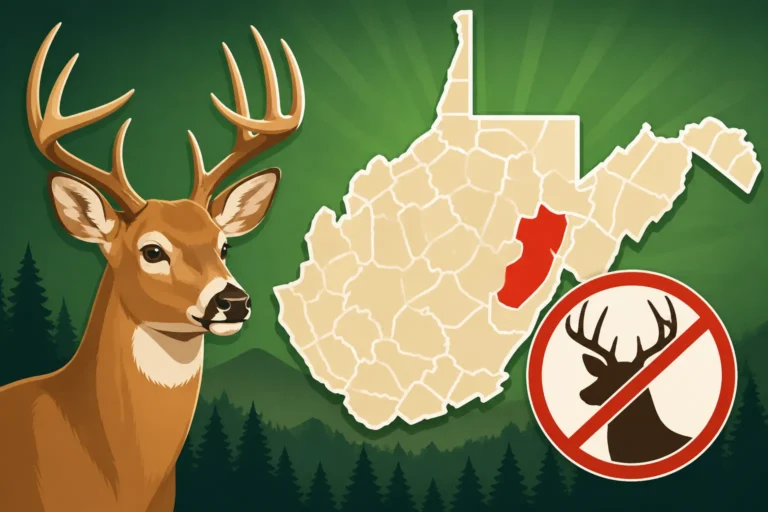
- Archery-Only Seasons (true archery-only): In areas or during specific timeframes where only archery or crossbow hunting is permitted for all species, blaze orange is not required. A prime example is the special conditions found in West Virginia's Archery-Only Southern Counties (Logan, McDowell, Mingo, and Wyoming). These four counties are entirely archery-only for deer throughout the entire deer season, meaning hunters there typically do not need blaze orange for deer hunting. However, even in these counties, if a firearm bear season happened to be open concurrently, hunters would still need to comply with bear season regulations for blaze orange. It's crucial to know your specific county's rules.
When in doubt, always err on the side of caution and wear blaze orange. It's an additional layer of safety that can never hurt.
Consequences of Non-Compliance
Ignoring West Virginia's blaze orange regulations isn't just a minor oversight; it's a violation of state hunting law. If a Natural Resources Police officer encounters you hunting without the required blaze orange during a mandated season, you could face consequences.
- Citations and Fines: The most immediate consequence is usually a citation and a fine. While the exact amount can vary, it's an unnecessary expense and a black mark on your hunting record. These fines are in place to deter unsafe practices and ensure everyone adheres to rules designed for collective safety.
- Loss of Privilege: Repeat offenses or severe violations could potentially lead to more serious repercussions, including the temporary loss of your hunting privileges. No hunter wants to lose the opportunity to enjoy the woods they love, especially over something as easily preventable as not wearing the right gear.
- Safety Risk: Beyond legal penalties, the most significant consequence is the increased risk to yourself and others. These regulations are born out of tragic incidents where hunters were mistaken for game. By not wearing blaze orange, you're not just breaking a rule; you're actively increasing the risk of a life-altering accident. The Natural Resources Police officers who patrol West Virginia's vast public lands are there to enforce these rules precisely because they are deeply committed to hunter safety.
Always double-check the rules, get the right gear, and wear your blaze orange proudly. It’s a small, bright gesture that contributes significantly to a safer hunting environment for everyone in West Virginia's beautiful outdoors.
Disclaimer
The information provided in this guide is for general informational purposes only and does not constitute legal advice. Hunting regulations are subject to change and vary by specific county, season, and game species. Always consult the official West Virginia Division of Natural Resources (WVDNR) hunting regulations for the most current and accurate information before heading afield. Compliance with all state and federal hunting laws is the responsibility of the individual hunter.