West Virginia Muzzleloader Season Dates
The chill of late autumn settling into the mountains and hollows of West Virginia often marks the end of gun season for many hunters, but for a dedicated few, it ushers in a unique and often challenging opportunity. Navigating the specific regulations, especially the ever-important dates, for muzzleloader hunting can feel like deciphering an ancient scroll. This guide aims to cut through that confusion, providing a comprehensive breakdown of West Virginia's muzzleloader season dates, rules, and crucial insights to help you make the most of this traditional hunting period.
Understanding West Virginia's Muzzleloader Season Framework
For many, the muzzleloader season in West Virginia feels like a distinct, almost sacred period. It’s a chance to extend your deer hunting season, often following the general firearms season, offering a more primitive, focused approach to deer hunting. This season isn't just an afterthought; it's strategically placed to provide additional harvest opportunities while managing deer populations across the state. The West Virginia Division of Natural Resources (WVDNR) carefully sets these dates, often after the peak of the rifle rut, but before the deepest cold of winter truly sets in.
The beauty of the muzzleloader season lies in its simplicity and the challenge it presents. It typically runs for a specific, shorter window, usually in early to mid-December. This timing means hunters are often contending with colder temperatures, potential snow, and deer that have already been pressured by archery and firearms seasons. It demands different tactics and a deeper understanding of deer behavior, especially as they transition into their late-season patterns focused heavily on available food sources and thermal cover. For a full understanding of how this fits into the broader picture, you might want to review the article on West Virginia Deer Season Structure Explained.
Standard Statewide Muzzleloader Dates
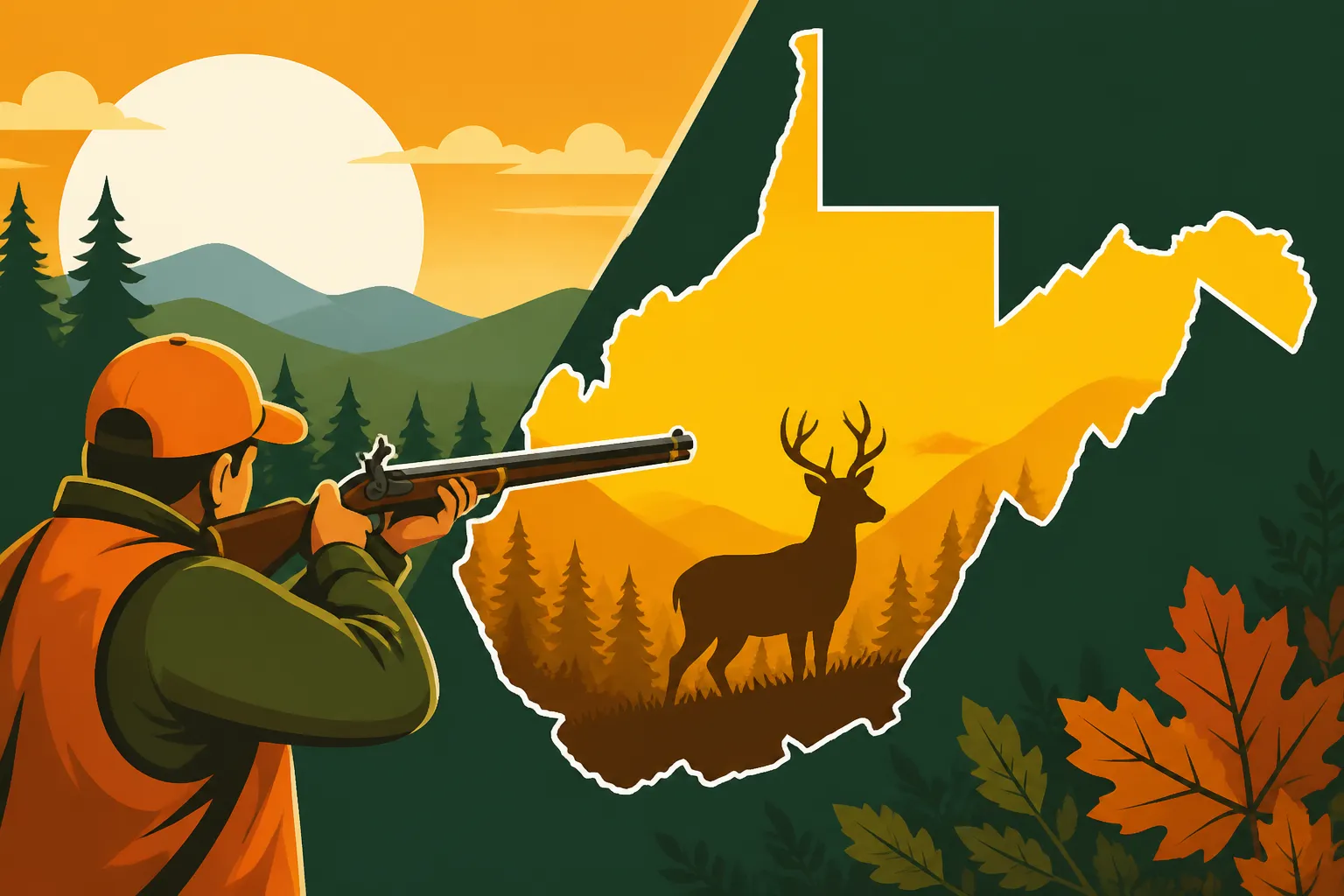
Historically, West Virginia's statewide muzzleloader season for deer typically commences in early December and runs for about a week to ten days. For example, recent seasons have seen opening days around the first Monday or Saturday of December, extending through the second full week of the month. This specific timing is crucial because it often overlaps with the tail end of the archery season, providing hunters with multiple weapon choices if they hold the appropriate licenses. However, it’s vital to always consult the current year’s WVDNR Hunting and Trapping Regulations booklet, as these dates can shift slightly year to year based on calendar alignment and biological assessments.
The statewide season applies to most counties that participate in the general firearms season. It’s designed to allow for the harvest of antlered and antlerless deer, often with specific bag limits that reflect local deer population goals. This period allows hunters who cherish the tradition of black powder or those who missed out during the rifle season another chance to fill their freezer. It also gives a unique opportunity to experience the woods when they are quieter, often covered in crisp snow, and the deer are focused on survival, not breeding. Knowing these dates precisely allows you to plan your time off work, prepare your gear, and scout those late-season food plots or thermal thickets.
Exceptions for Archery-Only Counties
It’s important to remember that West Virginia has several counties in the southern part of the state that are designated as "archery-only" for deer hunting. These counties—Logan, McDowell, Mingo, and Wyoming—do not participate in the general firearms season, and this extends to the traditional muzzleloader season as well. For hunters in these specific areas, the deer hunting opportunities are restricted to archery and crossbow equipment throughout the entire deer season.
This distinction is critical for planning your hunts. If you live or plan to hunt in one of these southern counties, purchasing a muzzleloader license for deer would not be applicable, as firearms of any type (including muzzleloaders) are not permitted for deer hunting. The rationale behind these archery-only counties often revolves around local wildlife management strategies and sometimes historical considerations, focusing on different hunting pressures and experiences. Therefore, before you load up your truck and head out with your muzzleloader, always confirm the specific regulations for the county you intend to hunt. This prevents a frustrating, and potentially illegal, hunting trip.
Muzzleloader Equipment and Regulations
The appeal of muzzleloader hunting often comes from its traditional roots, but modern advancements have brought a variety of options to the field. Understanding what constitutes a legal muzzleloader in West Virginia is paramount, as rules dictate everything from caliber to propellant. The WVDNR aims to ensure fair chase and safety while embracing the spirit of black powder hunting, which means specific requirements are in place that differ significantly from modern rifle regulations.
It’s not just about the dates; it’s about what you can legally use during those dates. Many new hunters or those accustomed to modern firearms might assume any black powder gun will do, but there are strict parameters. For instance, you can’t simply swap out a modern scope for iron sights and call it a day. The specific types of projectiles, ignition systems, and even the use of certain optics are all regulated to maintain the integrity and challenge of the muzzleloader season. When planning your setup, a quick check of the current year’s regulations is always a wise move, especially since technology continually evolves and regulations may adapt.
Legal Muzzleloader Specifications
In West Virginia, a legal muzzleloader for deer hunting must be a firearm that is loaded from the muzzle. This sounds simple, but it implies a few key distinctions. For deer, the minimum bore diameter is typically 0.38 caliber. This rules out smaller calibers often used for varmints or small game. The weapon can be loaded with black powder or a WVDNR-approved synthetic substitute. Smokeless powder is strictly prohibited in muzzleloaders during this season. Ignition systems usually include percussion caps (e.g., #11, Musket, 209 shotshell primers) or flintlock mechanisms.
The projectile used is also specified: you can use a single projectile, such as a conical bullet or a round ball. Sabots, which are plastic sleeves that allow a smaller diameter bullet to be fired from a larger bore, are generally permitted, expanding your projectile options. While optical sights are often allowed on muzzleloaders during the general muzzleloader season, it's crucial to confirm this detail annually as regulations can vary. This is a departure from many other states that restrict muzzleloader optics to traditional open sights or peep sights. Knowing these details is crucial for preparing your gear. If you're looking for more details on suitable firearms, you might find our guide on Muzzleloaders for a West Virginia December particularly helpful.
Permitted Ammunition and Propellants
When it comes to ammunition for your West Virginia muzzleloader hunt, the focus is on traditional black powder or its approved synthetic alternatives. Brands like Pyrodex, Triple Seven, or Blackhorn 209 are common choices. You absolutely cannot use smokeless powder in a muzzleloader during this season. This is a critical safety consideration, as muzzleloaders are not designed for the high pressures generated by smokeless powder, and doing so could lead to catastrophic failure and serious injury. Always ensure you are using the correct powder type and load data for your specific firearm.
As for projectiles, as mentioned, single projectiles are the rule. This includes solid lead conical bullets, saboted bullets, or patched round balls. Shotgun-style loads (multiple pellets) are not permitted for deer hunting with a muzzleloader. This limitation ensures that hunters are relying on a single, well-placed shot, aligning with the spirit of ethical hunting and traditional marksmanship. For those who want to compare, understanding Rifle Setups for West Virginia Deer Hunting might highlight the differences in equipment choice and ethical range between modern firearms and muzzleloaders. When preparing your gear, remember that keeping your powder dry, especially in West Virginia's often damp December weather, is paramount. Invest in waterproof containers for your caps and powder, and consider a nipple pick and cleaning supplies to keep your firearm functioning optimally in the field.
License Requirements and Reporting for Muzzleloader Hunters
Just like any other hunting season in West Virginia, you can't just grab your muzzleloader and head into the woods. There are specific license requirements that must be met, and if you're lucky enough to harvest a deer, the state has clear reporting protocols. Neglecting these steps can not only lead to fines but also undermine the WVDNR's efforts to effectively manage the state's deer population. It's not just about compliance; it's about being a responsible hunter and contributing to the conservation efforts that ensure future hunting opportunities for everyone.
Purchasing the correct licenses is your first step, and understanding what you need can sometimes be a bit of a maze, especially with the various resident and non-resident options, and special stamps. Once you have your tags, the responsibility shifts to proper harvest reporting. This data is invaluable to wildlife biologists, helping them assess herd health, population density, and the impact of various hunting seasons.
Necessary Hunting Licenses and Stamps
To hunt deer with a muzzleloader in West Virginia, you'll need a valid base hunting license. For residents, this typically means a Class A (small game and fishing) or Class X (combination hunting, trapping, and fishing) license. Non-residents have various options, including an annual license (Class E) or shorter-term options if available, though these often don't include all big game privileges. Beyond the base license, you will also need a separate deer stamp (Class N for residents, Class P for non-residents) and, specifically for muzzleloader season, a muzzleloader stamp (Class R for residents, Class Q for non-residents).
It's crucial to purchase the correct stamps to be legally compliant. Don't assume your general deer stamp covers all weapons. Each method—archery, firearms, and muzzleloader—often has its own specific stamp. The WVDNR's "Go Wild West Virginia" online portal is an excellent resource for purchasing and managing your licenses. You can easily see which licenses and stamps you hold and what you might need. Make sure to have proof of your license and stamps on your person while hunting, whether it's a physical copy or stored digitally on your phone. If you're new to hunting in the state, make sure you've also completed the West Virginia Hunter Education Requirements.
Mandatory Harvest Reporting
Harvest reporting is a non-negotiable part of hunting in West Virginia. If you successfully harvest a deer during the muzzleloader season, you are legally required to report it to the WVDNR. This typically must be done within 24 hours of the kill and before processing the deer beyond field dressing. The easiest and most common way to report your harvest is through the "Go Wild West Virginia" online system or by using the WVDNR's mobile app. This digital method allows for quick and accurate submission of vital information, such as the county of harvest, the date, and the sex of the deer.
The information you provide is critical for the WVDNR's wildlife management efforts. It helps them track harvest numbers, understand population trends, and make informed decisions about future season structures and bag limits. Think of it as your direct contribution to ensuring healthy deer populations for generations to come. Failure to report a harvest is a violation of state law and can result in penalties. Always double-check your submission to ensure accuracy. More details can be found in our guide on West Virginia Deer Reporting Requirements.
Navigating the Challenges of Late Season Muzzleloader Hunting
Hunting during the West Virginia muzzleloader season often means facing conditions and deer behaviors that differ from the earlier archery or general firearms seasons. The weather can be a formidable adversary, and deer have usually been pressured for weeks, making them warier and harder to pattern. This isn't your early November rut hunt; it's a test of patience, cold-weather preparedness, and strategic thinking.
Many hunters find the muzzleloader season to be one of the most rewarding precisely because of these added challenges. It forces you to slow down, pay closer attention to detail, and often cover more ground to find deer that have shifted their patterns. The mountains can be a beautiful but unforgiving place in December, with snow, ice, and biting winds common. Being prepared for these elements is just as important as knowing your weapon.
Scouting for Late-Season Food and Cover
By December, many natural food sources that deer relied on earlier in the season, such as acorns, are either depleted or covered by snow. Deer will typically shift their focus to readily available, high-energy food sources. This often includes agricultural fields, such as standing corn, soybean stubble, or winter wheat plots on private land, if accessible. On public lands, look for areas with persistent food sources like greenbriar, honeysuckle, or any remaining browse that isn’t covered. Regenerating clear-cuts or areas with logging activity can provide both food and thick thermal cover.
Beyond food, thermal cover becomes paramount for deer. They will seek out dense evergreen thickets, laurel patches, or deep, protected hollows on south-facing slopes that offer respite from biting winds and trap what little sunlight there is. Scouting for these areas before the season, if possible, is incredibly beneficial. Using mapping tools, like those found on the "GoHunt" platform, can help identify potential food sources, thick cover, and travel corridors between them. Understanding Late-Season Food Sources for West Virginia Whitetails is crucial for effective scouting.
Cold Weather Strategies and Gear
Hunting in West Virginia during early to mid-December means preparing for legitimate cold weather. Temperatures can easily dip below freezing, and you might encounter rain, sleet, or snow. Layering your clothing is essential. Start with a moisture-wicking base layer, add insulating mid-layers (fleece or down), and top it off with a waterproof and windproof outer shell. Wool is an excellent choice for insulation as it retains warmth even when wet. Don't forget insulated boots, a warm hat, and quality gloves or mittens, as extremities lose heat quickly. You can find excellent advice in our guide on Clothing for a West Virginia Late Season.
Beyond just staying warm, consider strategies for sitting still for extended periods in the cold. Portable ground blinds can offer significant protection from the elements, as can strategic positioning against thick evergreens or rock formations. Hand warmers and insulated seat pads are your friends. Remember, successful muzzleloader hunting often involves patience and minimal movement. A cold hunter is a fidgety hunter, and fidgeting will blow your cover. Also, be mindful of your muzzleloader's performance in cold, damp conditions. Keep your powder dry, and carry extra percussion caps or flints.
Specific Regulations and Safety Considerations
Hunting with a muzzleloader in West Virginia, especially in December, comes with unique regulatory and safety considerations. These aren't just arbitrary rules; they are designed to protect both hunters and wildlife, and to ensure a fair and ethical hunting experience for all. Ignoring them can have serious consequences.
From wearing blaze orange to understanding the impact of Chronic Wasting Disease (CWD) on carcass transport, there's a lot to keep in mind. The late season, with its often solitary nature and challenging conditions, places an even greater emphasis on personal responsibility and adherence to guidelines.
Blaze Orange Requirements
During the muzzleloader deer season, just as with the general firearms season, West Virginia law mandates that all hunters, and anyone accompanying them, wear at least 400 square inches of blaze orange or blaze pink as outer clothing. This must be visible from all sides. This isn't just a suggestion; it's a critical safety measure designed to prevent hunting accidents by making hunters highly visible to one another, especially in low light conditions or thick cover.
Even if you are hunting from a ground blind or treestand, the blaze orange requirement still applies. The only exceptions are typically for waterfowl hunters in designated blinds or bowhunters during archery-only seasons where firearms are not permitted. Given that muzzleloader season often runs concurrent with the late archery season, it's particularly important for archery hunters to remember this rule if they are in an area where muzzleloaders are also afield. Always err on the side of caution and wear more blaze orange than the minimum if you can. For a deeper dive into these requirements, check out West Virginia Blaze Orange Requirements.
Chronic Wasting Disease CWD Regulations
Chronic Wasting Disease (CWD) is a serious neurological disease affecting deer, elk, and moose, and it has been detected in several West Virginia counties, primarily in the Eastern Panhandle. In response, the WVDNR has established a CWD Containment Area. If you hunt in a county within this containment area, there are specific regulations that apply to the transportation of deer carcasses out of these counties. Generally, you cannot transport whole deer carcasses, or certain high-risk parts (like the brain or spinal cord), out of a CWD-positive county.
This means if you harvest a deer in, say, Hampshire County, which is a known CWD county, you will likely need to process the deer down to deboned meat, clean skull plates, or taxidermy-ready hides within that county before transporting it elsewhere. Additionally, mandatory CWD testing might be in effect for certain counties or during specific seasons. Always check the latest WVDNR regulations for the CWD containment area, as these rules can change based on disease prevalence and monitoring efforts. This is a critical consideration not only for compliance but also for preventing the spread of this devastating disease. For more information, please see West Virginia's Chronic Wasting Disease Counties and West Virginia CWD Testing for Hunters.
Muzzleloader Season: An Extension of Opportunity
The West Virginia muzzleloader season is more than just a brief extension of deer hunting; it's a different animal entirely. It invites hunters to embrace a more traditional method, demanding greater attention to detail, a deeper understanding of deer behavior in challenging conditions, and a commitment to preparedness. The colder weather, the increased wariness of deer, and the unique regulations surrounding muzzleloader equipment and harvest reporting all combine to create a distinct hunting experience.
Whether you're drawn to the challenge of black powder, eager for an extra opportunity to fill your tag, or simply love being in the woods during the quiet beauty of a West Virginia December, understanding these nuances is key to a safe and successful hunt. Always consult the latest WVDNR regulations for the most up-to-date dates and rules, and consider this season a chance to sharpen your skills and connect with the rich tradition of hunting in the Mountain State. With careful planning and respect for the game and regulations, the muzzleloader season can be one of the most rewarding times to be afield.
| Muzzleloader Season Aspect | Key Details | Important Notes |
|---|---|---|
| Season Dates | Typically early to mid-December, lasting about a week to ten days. | Always confirm current year's dates with WVDNR. |
| Eligible Game | Antlered and Antlerless Deer (check county-specific bag limits). | Does not apply to archery-only counties (Logan, McDowell, Mingo, Wyoming). |
| Legal Weapon Specs | Muzzle-loaded firearm, minimum .38 caliber, black powder/approved substitute. | No smokeless powder. Single projectile only (conical, round ball, sabot). |
| Optical Sights | Generally permitted on muzzleloaders during this season. | Confirm annually; some states restrict to open sights. |
| Licenses Needed | Base hunting license (Class A/X), Deer Stamp (Class N/P), Muzzleloader Stamp (Class R/Q). | Purchase via "Go Wild West Virginia" online or app. |
| Harvest Reporting | Mandatory within 24 hours of kill, before processing beyond field dressing. | Report via "Go Wild West Virginia" online or app. |
| Blaze Orange | At least 400 sq. inches of blaze orange or pink, visible from all sides. | Mandatory for all hunters and companions during muzzleloader season. |
| CWD Regulations | Specific carcass transport rules for CWD Containment Area counties. | Debone/process deer within CWD counties before transport. Check WVDNR CWD map. |
| Late-Season Tactics | Focus on finding persistent food sources and dense thermal cover. | Deer are pressured; patience and cold-weather gear are essential. |
Disclaimer
The information provided in this guide is intended for general informational purposes only and is not a substitute for the official West Virginia Hunting and Trapping Regulations. Hunting laws and regulations can change annually. Always consult the most current West Virginia Division of Natural Resources (WVDNR) regulations guide before planning and engaging in any hunting activities.