West Virginia’s Year-Round Hog Rule on Private Land
The pervasive problem of feral hogs tearing up agricultural fields and disrupting native wildlife habitats is a huge headache for landowners and conservationists alike here in West Virginia. Many folks feel like they're constantly battling an invisible enemy, watching their efforts turn to mud and ruin. This comprehensive guide will walk you through West Virginia's unique year-round hunting rule for feral hogs on private land, offering practical advice, legal insights, and effective strategies to help you tackle this invasive species and protect our wild places.
The Growing Challenge of Feral Hogs in West Virginia
Feral hogs are a relatively new, but incredibly destructive, force in the Mountain State. They're not native, and their presence causes a cascade of negative impacts, making them a top concern for wildlife managers and property owners. Understanding why these animals are such a menace is the first step to appreciating the necessity of our year-round hunting regulations.
Understanding the Ecological and Agricultural Damage
Imagine waking up to find your carefully planted cornfield ripped to shreds overnight, or a pristine wetland area churned into a muddy, barren mess. That's the reality for many West Virginia farmers and landowners dealing with feral hogs. These intelligent, prolific animals are omnivores with a voracious appetite and a knack for destruction, impacting both agriculture and natural ecosystems. They root through fields, destroying crops like corn, soybeans, and even hay pastures, leading to significant economic losses for farmers who are often just trying to make ends meet. Beyond the immediate crop damage, their rooting behavior can destabilize soil, increase erosion, and contaminate water sources with their waste.
But it's not just farms that suffer. Feral hogs are ecological bulldozers. They compete directly with native wildlife, like white-tailed deer, wild turkeys, and black bears, for critical food sources such as acorns and other mast. Their indiscriminate foraging can decimate ground-nesting bird populations, including our beloved turkeys and grouse, by eating eggs and young. They also carry diseases that can spread to livestock and native wildlife, posing a significant biosecurity risk. It's a never-ending cycle of destruction that leaves a trail of ecological devastation in its wake.
How Feral Hogs Became a Problem
Unlike many of our game species that have been carefully managed and conserved over decades, feral hogs are an unwelcome import to West Virginia. Their populations generally stem from domestic pigs that have escaped captivity and established wild breeding populations, often supplemented by intentional, illegal releases for hunting purposes in other states. Once free, these animals quickly revert to a wild state, developing thick coats, longer snouts, and impressive tusks.
The rapid spread of feral hogs across the United States, and now increasingly within West Virginia, is fueled by their incredible reproductive capabilities. Sows can begin breeding as young as six months old and can produce two litters of 4-12 piglets each year. This means their numbers can explode in a very short amount of time, making control incredibly difficult once they establish a foothold. They are also highly adaptable, thriving in diverse habitats from dense forests to agricultural lands and even suburban fringes, further complicating management efforts. Understanding this history helps us grasp the scale of the challenge and why traditional hunting seasons simply aren't enough to keep their numbers in check.
Decoding West Virginia's Year-Round Private Land Hog Rule
When you hear "year-round hunting," it can sound a bit unusual in a state with such structured deer, bear, and turkey seasons. However, for feral hogs on private land in West Virginia, it's a critical tool in the ongoing battle against this invasive species. This isn't just a casual allowance; it's a deliberate and necessary regulation designed to give landowners and hunters the maximum flexibility to combat a serious threat.
Key Provisions and What "Year-Round" Really Means
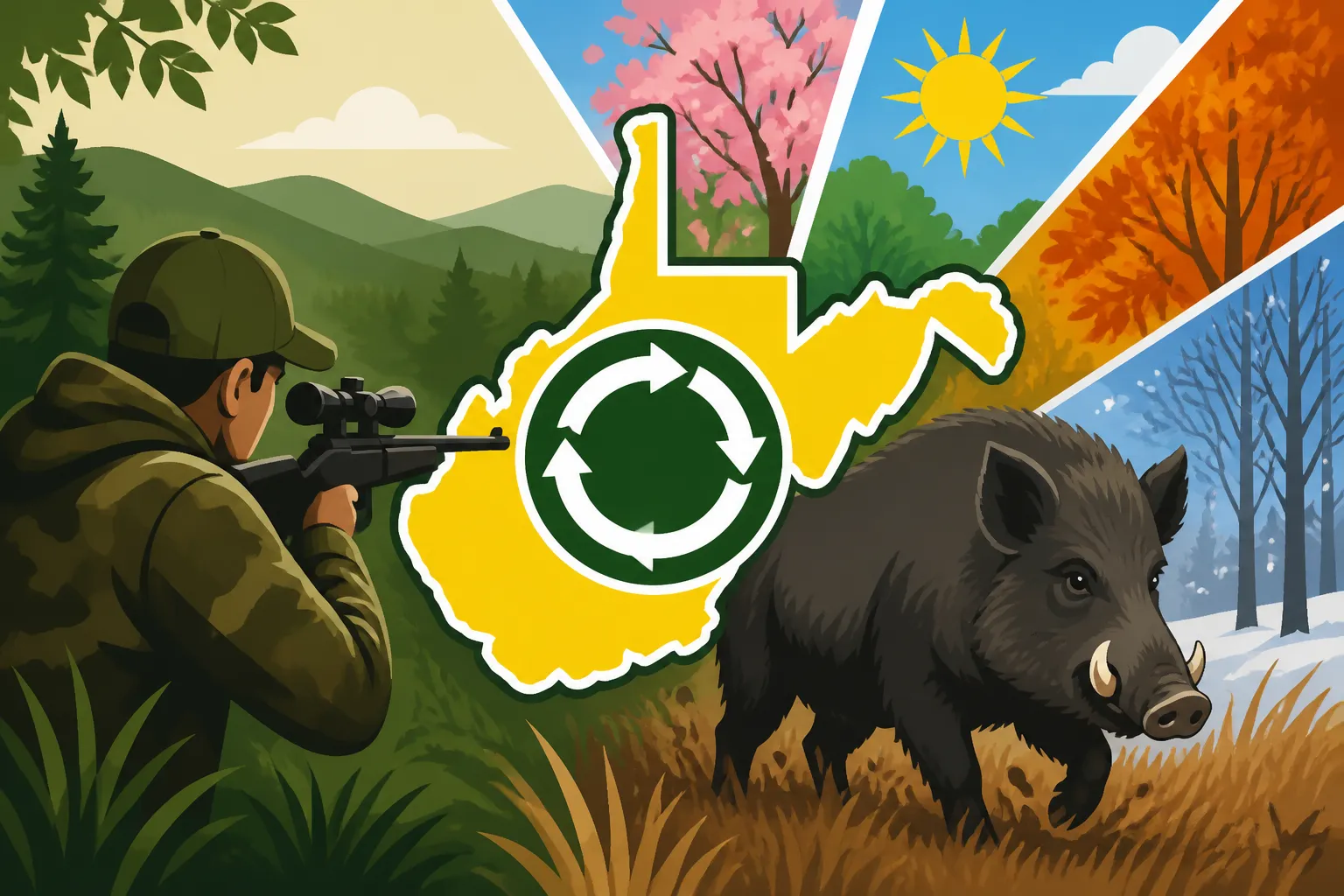
The West Virginia Division of Natural Resources (WVDNR) has implemented a very clear and liberal regulation for feral hogs on private land: they can be hunted year-round, day or night, with no closed season and no bag limit. This provision acknowledges the non-native, destructive nature of these animals and aims to empower landowners and hunters to remove them whenever and wherever they appear. It means you don't have to worry about specific dates, opening days, or closing weekends like you would for other game animals. If you've got hogs on your land, or land you have permission to hunt, you can pursue them at any time of year.
This rule also simplifies things significantly. You don't need a special tag or permit specifically for hogs, beyond your regular West Virginia hunting license. The intent is to remove barriers and encourage consistent effort to reduce their numbers. The goal isn't recreational harvest in the traditional sense, but rather population control. Think of it less like hunting a trophy buck and more like managing an ongoing pest problem that requires continuous vigilance.
No Closed Season, No Bag Limit: The Hunter's Advantage
The "no closed season, no bag limit" aspect is where West Virginia's year-round hog rule truly sets itself apart. For hunters, this offers an unparalleled advantage in responding to the fluid and unpredictable nature of feral hog movements. Unlike deer, which tend to have predictable seasonal patterns, hogs can move into an area, cause extensive damage, and move on just as quickly. Having the ability to react immediately, rather than waiting for an arbitrary season opener, can make a huge difference in mitigating damage and effectively culling groups. This flexibility also allows hunters to target hogs when they are most active or vulnerable, which might be during periods when other game seasons are closed.
For instance, if a landowner spots a sounder of hogs tearing up a section of their property in July, they don't have to throw their hands up and wait until deer season. They can legally pursue those hogs right then and there. This immediate response capacity is vital, especially given the rapid reproductive rate of these animals. Every hog removed, regardless of the time of year, is a step towards protecting our native wildlife and agricultural resources. This policy ensures that the collective effort to manage these destructive animals is as unhindered as possible. You can learn more about the broader context of these rules at West Virginia Feral Hog Regulations.
Necessary Permissions and Landowner Relationships
While the rules for hunting feral hogs are liberal, the "private land" aspect is non-negotiable and critically important. You absolutely must have permission from the landowner to hunt hogs on their property. This isn't just good etiquette; it's the law. Trespassing to hunt feral hogs, no matter how good your intentions, is illegal and can lead to serious penalties, harming the reputation of all hunters. Building strong, trusting relationships with landowners is paramount. This often starts with a conversation, explaining your intent to help manage a destructive species, and outlining your methods.
Some landowners might be hesitant at first, especially if they haven't had hunters on their property before. Be prepared to discuss your experience, safety protocols, and how you plan to remove any harvested animals. Many landowners are desperate for help with hog problems and will be grateful for responsible hunters. A good starting point might be to offer to show them your plan or even share some venison if you're successful. Using mapping tools like those found on the GoHunt platform can be incredibly useful here, allowing you to clearly identify property boundaries and discuss access points with the landowner, ensuring everyone is on the same page. Remember, respect for private property and the landowner's wishes always comes first. This proactive approach can make all the difference when it comes to Getting Private Land Permission in West Virginia.
Effective Strategies for Hunting Hogs Year-Round
Hunting feral hogs year-round on private land requires a different mindset than traditional deer or turkey hunting. It's less about waiting for specific peak times and more about consistent effort, adaptability, and understanding hog behavior patterns. Since you're often acting as a form of pest control, efficiency and thoroughness are key.
Scouting and Locating Hog Hotspots
Effective hog hunting begins with diligent scouting. Hogs leave distinct signs of their presence, and learning to read these clues is crucial. Look for "rooting" – areas where the ground has been torn up by their powerful snouts as they search for food like grubs, roots, and tubers. Wallows are another common sign: muddy depressions where hogs cool off and rid themselves of parasites. Rubs on trees, often muddy, indicate they've been scratching themselves. Tracks are also important; feral hog tracks resemble deer tracks but are generally rounder, and the dewclaws (side toes) are more likely to register in soft ground, especially on adults.
Beyond fresh sign, understanding potential food sources and cover is vital. Hogs often frequent areas with abundant acorns, soft mast like berries, and agricultural fields. Dense cover, such as thickets, swamps, and creek bottoms, provides them with bedding areas and security. Using trail cameras can be incredibly effective for identifying travel corridors, feeding areas, and most importantly, their activity patterns—when they are moving, what size the sounder is, and where they are coming from or going. Apps like GoHunt can help you overlay public and private land boundaries, topographical maps, and satellite imagery, assisting in identifying potential travel routes and cover areas that might extend from adjacent properties onto the private land you're hunting. Being thorough in your scouting can help you pinpoint the best locations for success.
Legal Hunting Methods and Equipment Considerations
West Virginia's year-round hog rule on private land allows for a wide array of legal hunting methods, giving hunters considerable flexibility. Centerfire rifles, shotguns, muzzleloaders, bows, and crossbows are all generally legal during daylight hours, provided you adhere to general firearms safety and regulations. Many hunters prefer higher caliber rifles for hogs, such as a .308, .30-06, or even a 6.5 Creedmoor, to ensure a clean, ethical kill on these tough animals. Remember, shot placement is critical due to their thick hide and a "shield" of cartilage and scar tissue around their shoulders.
For close-range encounters in thick cover, a shotgun loaded with slugs or buckshot can be effective. Bowhunters can also pursue hogs, but precise shot placement and durable broadheads are essential. Remember that while there's no specific hog stamp, you'll still need your current West Virginia hunting license. Always double-check current WVDNR regulations for any updates or specific county rules, though the year-round private land rule is quite consistent.
| Method | Recommended Caliber/Weapon | Ideal Scenario | Key Considerations |
|---|---|---|---|
| Centerfire Rifle | .270, .308, .30-06, 6.5 CM | Longer ranges, open fields, clear cuts | Powerful, good for quick, humane kills, versatile |
| Shotgun (Slugs) | 12 gauge, 20 gauge | Dense cover, close quarters, quick shots | Effective at short range, good stopping power |
| Bow/Crossbow | Compound, Recurve, Crossbow | Stealth hunting, ambush spots, thickets | Requires precise shot placement, sturdy broadheads |
| Muzzleloader | .50 Caliber | Traditional hunting, quieter approach | Single shot, careful shot placement, weather sensitive |
Night Hunting and Trapping as Specialized Tactics
Given that feral hogs are largely nocturnal, especially in areas with hunting pressure, utilizing night hunting tactics can be incredibly effective. West Virginia's regulations allow for night hunting of feral hogs on private land with landowner permission. This often involves the use of artificial lights, such as spotlights or headlamps, and increasingly, thermal or night vision optics. Thermal imaging has revolutionized hog hunting, allowing hunters to detect hogs in complete darkness or thick cover where they would otherwise be invisible. Always prioritize safety when hunting at night; ensure you have a clear backstop and positive identification of your target. Learn more about Night Hunting Hogs With Lights on Private Land.
Beyond direct hunting, trapping is often the most efficient and humane method for removing entire sounders of hogs. Large corral traps, often equipped with remote trigger mechanisms, can capture multiple animals at once. These traps are baited with fermented corn or other attractants, and once a sounder enters, the gate is dropped. Trapping requires significant investment in equipment and time but can yield impressive results in reducing local hog populations. It's a highly effective complement to hunting efforts, particularly when dealing with wary groups that avoid direct encounters. Many hunters utilize a combination of hunting and trapping for sustained impact. Understanding Trapping West Virginia Feral Hogs can significantly enhance your control efforts.
Ensuring Safety and Ethical Conduct in Hog Control
While the drive to control feral hog populations is strong and necessary, it must never overshadow the fundamental principles of safety and ethical hunting. Responsible conduct protects not only yourself and others but also upholds the integrity of our hunting traditions.
Prioritizing Safety in All Hunting Scenarios
Safety is paramount, whether you're stalking deer in November or pursuing hogs in July. Always treat every firearm as if it's loaded. Be absolutely sure of your target and what lies beyond it before taking a shot, especially when hunting in dense cover or at night. The year-round nature of hog hunting means you might encounter other recreational users of private land, like hikers, birdwatchers, or even just landowners tending to their property, so always be extra vigilant. Wearing blaze orange, even when not legally required for hog hunting outside of deer gun season, is a smart safety measure, particularly when hunting with others or in areas where visibility might be limited.
Communicate clearly with your hunting partners about your plan, assigned areas, and known locations of others. If using thermal or night vision, ensure you have a standard optic as well to verify your target before engaging. Proper firearm handling, safe transportation, and secure storage are non-negotiable. Remember, an accident can quickly turn a necessary control effort into a tragedy, damaging trust with landowners and the broader community.
Ethical Considerations and Responsible Practices
Ethical hunting extends beyond just following the law; it's about respecting the animal, the land, and the hunting tradition itself. When hunting hogs, the goal is often eradication or significant reduction, but this doesn't mean forsaking a quick, humane kill. Take only ethical shots that offer a high probability of immediate incapacitation. Avoid risky shots that could wound an animal and lead to prolonged suffering. If you wound a hog, make every effort to track and recover it.
Proper disposal of harvested animals is another ethical consideration. If you're not planning to process the meat for consumption (which is highly recommended, as hog meat is delicious!), you must still dispose of the carcass responsibly. This usually means burying it or placing it in an area where scavengers can access it without causing a nuisance or spreading disease. Never leave carcasses in visible areas, near public trails, or where they could attract unwanted attention or become a health hazard. Always consider the impact of your actions on the environment and public perception. Responsible hunters are also proactive in understanding and adhering to local regulations, and any potential concerns regarding West Virginia's Chronic Wasting Disease Counties or other wildlife health issues, even though CWD primarily affects deer.
The Broader Impact of Year-Round Hog Management
West Virginia's year-round hog rule on private land isn't just about offering hunters an opportunity; it's a strategic component of a larger conservation effort. Understanding its effectiveness and the continuous role hunters play is vital for the long-term health of our ecosystems.
Assessing the Effectiveness on Hog Populations
The effectiveness of year-round hunting as a standalone strategy for controlling feral hog populations is a complex topic. While it empowers individual landowners and hunters to take immediate action, scientific studies often show that hunting alone, even with liberal regulations, rarely leads to significant long-term population reduction. Hogs are incredibly resilient and prolific. To truly reduce a population, studies suggest that upwards of 70% or more of the population needs to be removed annually, a target rarely met by hunting pressure alone.
However, this doesn't mean the year-round rule is without merit. It does help to contain local outbreaks, mitigate immediate damage, and prevent smaller sounders from growing into overwhelming numbers. When combined with other control methods, particularly large-scale trapping efforts, the impact becomes much more substantial. The continuous pressure from hunters makes hogs more nocturnal and wary, which can sometimes push them into areas where trapping becomes more feasible. The challenge of How Many Feral Hogs West Virginia Has remains significant, underscoring the need for every tool in the toolbox.
The Role of Hunters in Wildlife Conservation
Hunters are often the first line of defense against invasive species like feral hogs, and their efforts are a crucial part of broader wildlife conservation in West Virginia. By actively pursuing hogs year-round, hunters are directly contributing to the protection of native wildlife habitats, safeguarding agricultural resources, and helping to prevent the spread of diseases. This goes beyond just harvesting an animal; it's about restoring ecological balance and ensuring the health of our state's natural heritage.
The commitment of hunters to this cause is a testament to the fact that conservation and hunting go hand-in-hand. Their willingness to dedicate time, resources, and effort, even for a non-game animal, demonstrates a deep appreciation for West Virginia's wild places. Supporting these efforts through proper licensing, responsible practices, and collaboration with landowners and the WVDNR helps ensure that the damage from feral hogs is minimized, and our beautiful state remains a haven for native species for generations to come. This dedication is a prime example of the commitment seen in all facets of Hunting West Virginia's Year-Round Feral Hogs.
Disclaimer
Please note that hunting regulations, seasons, and licensing requirements can change. Always consult the most current West Virginia Division of Natural Resources (WVDNR) hunting regulations manual or their official website before planning any hunting trip. This article is intended for informational purposes only and does not constitute legal advice.