Hunting West Virginia’s Year-Round Feral Hogs
There’s nothing quite like the feeling of watching your carefully cultivated food plot get absolutely annihilated overnight, or finding a pristine stream bank churned into a muddy mess by something you can’t even hunt during regular deer season. If you’ve spent any time on the ground in West Virginia lately, you know the frustration feral hogs bring. These destructive invaders are a real headache, and understanding how to effectively pursue them is crucial for landowners and hunters alike. This comprehensive guide will walk you through everything you need to know about hunting West Virginia’s year-round feral hogs, from their impact to effective hunting strategies.
The Growing Threat of Feral Hogs in West Virginia
The Mountain State is known for its beautiful, rugged terrain and abundant wildlife. However, a less welcome guest has been making its presence known with increasing frequency: the feral hog. These animals are more than just a nuisance; they're an ecological and agricultural disaster waiting to happen, or in many places, already happening. It’s a problem that’s only gotten worse over the last few years, and it requires a serious, informed approach from hunters.
Understanding the Feral Hog Problem
Feral hogs, often called wild pigs or razorbacks, are descendants of domestic swine that either escaped or were released into the wild. They are not native to North America, and their presence causes immense damage to ecosystems and agricultural operations. In West Virginia, these animals pose a unique challenge due to our diverse topography and often isolated rural communities. They reproduce at an alarming rate, often having two litters of 4-8 piglets a year, making control incredibly difficult once a population establishes itself. This rapid breeding, combined with their intelligence and adaptability, makes them a formidable foe for wildlife managers and hunters trying to keep their numbers in check.
Their impact isn't just about rooting up a field; it's a cascade of ecological destruction. They compete with native wildlife, like deer and turkey, for food sources like acorns and other mast. They also prey on ground-nesting birds, fawns, and other small game, disrupting delicate food chains. The sheer scale of their rooting behavior can destroy sensitive plant communities, spread invasive species, and even contaminate water sources with their waste. It’s a compounding problem that affects everything from forest health to the quality of your hunting lands.
Where Hogs Are Spreading in the Mountain State
While not yet as widespread as in some southern states, feral hog populations are definitely on the rise in West Virginia, particularly in the southern counties. Areas within the Southern Coalfields, where reclaimed mine lands offer a mix of cover and emerging food sources, have seen increased sightings and established groups. This doesn't mean other regions are entirely safe, though. Sporadic sightings can occur anywhere, often linked to illegal releases or animals traveling significant distances. The fear is that without aggressive intervention, these isolated pockets could easily merge and explode across the state.
Counties bordering Kentucky and Virginia, especially in the southwestern part of the state, are often ground zero for new populations. These border regions make it incredibly challenging to manage their spread, as populations can easily move back and forth across state lines, complicating coordinated control efforts. Landowners in these areas are often the first to experience the significant damage these animals inflict. You can often track their expansion by looking at Feral Swine Sightings in Southern West Virginia reports or talking to local farmers and foresters.
Why They're So Destructive
The destructive capabilities of feral hogs are truly staggering. Their constant rooting behavior, driven by an insatiable hunger, can obliterate agricultural fields, tearing up corn, soybean, and pasture lands. This translates directly to financial losses for farmers, who are often left with no recourse but to rebuild fences and replant crops, sometimes repeatedly. Imagine waking up to find a perfectly planted field looking like it’s been hit by a rototiller – that’s the reality many West Virginia farmers face. The cost to repair fences and mitigate damage can be astronomical, leading to immense frustration for those who rely on the land for their livelihood.
Beyond crops, their impact on natural habitats is equally devastating. They destroy natural springs and stream beds, create wallows that erode soil, and decimate native plant populations. Their opportunistic diet means they’ll eat almost anything, including acorns, which are a critical food source for our native deer and bear populations. They carry diseases like brucellosis and pseudorabies, which can be transmitted to livestock, domestic animals, and even humans. This disease vector alone is a huge concern for the state’s agricultural industry and public health. You can learn more about this by researching Crop Damage Hogs Cause in West Virginia.
West Virginia's Year-Round Approach to Hog Hunting
Unlike deer, bear, or turkey, feral hogs are not considered game animals in West Virginia. Instead, they are classified as an invasive species, and the state encourages their removal whenever and wherever they are encountered. This unique classification provides hunters with unparalleled opportunities, but it also comes with specific responsibilities and guidelines you need to understand. It's a different kind of hunting, one focused on eradication and population control rather than traditional sport.
Legal Status and Regulations
In West Virginia, you don't need a specific tag or season to hunt feral hogs. They can be hunted year-round, day or night, and with virtually any legal hunting weapon. This open-ended approach reflects the state's urgent desire to control their spread. However, it's absolutely crucial to remember that while the regulations for hogs themselves are very liberal, all other state and federal hunting laws still apply. This means you still need a valid West Virginia hunting license to pursue them, and you must adhere to all general hunting safety rules, blaze orange requirements (if hunting during gun seasons), and trespass laws. The rule of thumb is: if it's legal for other species, it's generally legal for hogs, but the "year-round" aspect is specific to them.
There's a critical distinction to make regarding private versus public land. On private land, the rules are often even more relaxed. Landowners and those with permission can pursue hogs without many of the restrictions that might apply to public land. In fact, West Virginia's Year-Round Hog Rule on Private Land explicitly grants landowners significant leeway in removing these pests. This means you might be able to use methods or hunt during times not typically allowed on public ground, as long as you have the landowner's explicit permission. Always confirm specific rules with the West Virginia Division of Natural Resources (WVDNR) if you have any doubts, especially before trying anything outside of typical hunting practices.
Unique Opportunities for Hunters
The year-round, liberal regulations for feral hogs present an incredible opportunity for hunters to get out in the woods during times when traditional seasons are closed. Imagine being able to fine-tune your tracking skills in July, or test out new optics under the stars in January. This isn't just about bagging a hog; it's about staying sharp, learning the landscape, and contributing to wildlife conservation. It also offers a chance to introduce new hunters to the field in a low-pressure environment, where the focus is on conservation and skill-building rather than strict bag limits.
Furthermore, it allows for a wide range of hunting methods that might not be practical or legal for other game species. Want to try still-hunting a creek bottom in August? Go for it. Interested in working with dogs to locate and bay hogs? That's often permissible with appropriate licensing for dogs and on private land. This flexibility allows hunters to experiment with tactics, hone their woodsmanship, and truly become a more versatile and effective outdoors person. It’s a chance to challenge yourself and develop new skills beyond what traditional deer or turkey seasons might offer.
Debunking Common Misconceptions
There are a lot of myths floating around about feral hogs, some of which can hinder effective hunting and management. One common misconception is that all feral hogs are massive, aggressive beasts. While they can be large and will defend themselves, especially a sow with piglets, most are not inherently seeking out confrontation. They are generally wary animals, and like most wild creatures, prefer to avoid humans. Their reputation as "bulletproof" is also largely unfounded. While their tough hide can sometimes make tracking difficult if your shot placement isn't spot-on, a well-placed shot with an appropriate caliber firearm will bring them down effectively.
Another misconception is that hunting them will somehow "spread" them or make them harder to catch. This idea often stems from studies on small, localized hunting pressure, but the reality is that aggressive, sustained hunting pressure, combined with trapping, is the most effective way to control populations. The goal isn't to scare them away to another property; it's to eliminate them from the landscape. It's important to remember that these animals are not native wildlife; they are an invasive species, and a robust year-round hunting effort is a critical tool in preventing their further establishment and expansion throughout the state. Understanding How Wild Hogs Spread Across West Virginia can help clarify the need for consistent pressure.
Scouting and Locating West Virginia Hogs
Finding feral hogs in West Virginia can be a bit like solving a puzzle. They're intelligent, often nocturnal, and their movements can be influenced by everything from food availability to hunting pressure. You won't find them standing still waiting for you. Successful hog hunting begins long before you ever pull the trigger, with meticulous scouting and understanding their habits.
Identifying Hog Sign and Damage
The first step in locating hogs is to identify their distinctive sign. Unlike deer, whose trails are often relatively neat, hogs leave a path of destruction. Look for rooted-up areas, where the ground has been thoroughly tilled, sometimes for dozens or even hundreds of yards. This rooting is their primary feeding method, as they search for tubers, grubs, and other edibles underground. You'll often find this near water sources, in soft ground, or along field edges. Another tell-tale sign is tracks. Hog tracks are similar to deer tracks but generally rounder and wider, with shorter, blunter toes. The dew claws also typically register more prominently, especially in soft ground.
Beyond rooting and tracks, keep an eye out for wallows. These are muddy depressions, often near water, where hogs roll to cool off and coat themselves in mud to deter insects. You might see hair rubbed off on nearby trees or fence posts, particularly around these wallows. Also, look for distinct trails that lead into thick cover, especially along creek bottoms, dense laurel thickets, or the edges of clear-cuts. Scat is another indicator, though it can vary widely depending on their diet. It's generally larger than deer scat and more irregular in shape. Take time to really examine the environment; the more sign you can piece together, the better your chances of intercepting them.
Preferred Habitats and Travel Corridors
Feral hogs are incredibly adaptable, but they do have preferences that can help you narrow down your search. In West Virginia, they often gravitate towards areas that offer a combination of dense cover for bedding, water sources for drinking and wallowing, and abundant food. Creek bottoms, particularly those with a mix of hardwoods and thick brush, are prime real estate. The Monongahela National Forest, with its vast timber and varied terrain, could hold pockets of hogs, especially in areas with softer ground and natural mast.
They also love areas with a good supply of acorns, especially during the fall months when oak ridges are dropping. Reclaimed mine lands in the Southern Coalfields, with their unique mix of grasses, shrubs, and scattered timber, offer excellent cover and food opportunities. As for travel corridors, hogs will use established game trails, old logging roads, and creek beds to move between bedding areas and feeding grounds. Focus your scouting efforts along these natural funnels, especially where they intersect with prime food sources or water. Remember, hogs often travel in family groups called sounders, so if you find sign, there's a good chance more than one hog is in the area.
Utilizing Technology for Hog Scouting
Modern technology can be a huge asset when scouting for West Virginia hogs, especially given their elusive nature. GPS units or phone apps like GoHunt can be invaluable for marking sign, mapping out travel routes, and understanding terrain. These tools allow you to pinpoint rooted areas, wallows, and trails, helping you build a comprehensive picture of hog activity over time. Using satellite imagery on these apps, you can identify dense cover, water sources, and potential travel corridors from the comfort of your home, then verify them on the ground. This combination of digital mapping and boots-on-the-ground recon is incredibly effective.
Trail cameras are another non-negotiable tool for serious hog hunters. Placing cameras along suspected travel routes, near known feeding areas, or close to water sources can reveal not only the presence of hogs but also their movement patterns, preferred times of day, and the size of the sounder. This information is gold for planning your hunt. Remember that Trail Cameras on West Virginia Public Land have specific rules, so be sure to check those before deploying. Similarly, understanding the pros and cons of GPS Units Versus Phone Apps can help you choose the best navigation and mapping tools for your specific hunting style and local cell service availability. These technologies don't replace good old-fashioned woodsmanship, but they certainly amplify your scouting efforts.
Effective Hunting Methods for West Virginia Feral Hogs
With West Virginia's year-round regulations, you have a wide array of methods at your disposal for tackling feral hogs. Each method has its pros and cons, and the best approach often depends on the terrain, the time of year, and the specific behavior of the hogs you're pursuing. Flexibility and adaptability are key to success.
Spot-and-Stalk in Diverse Terrain
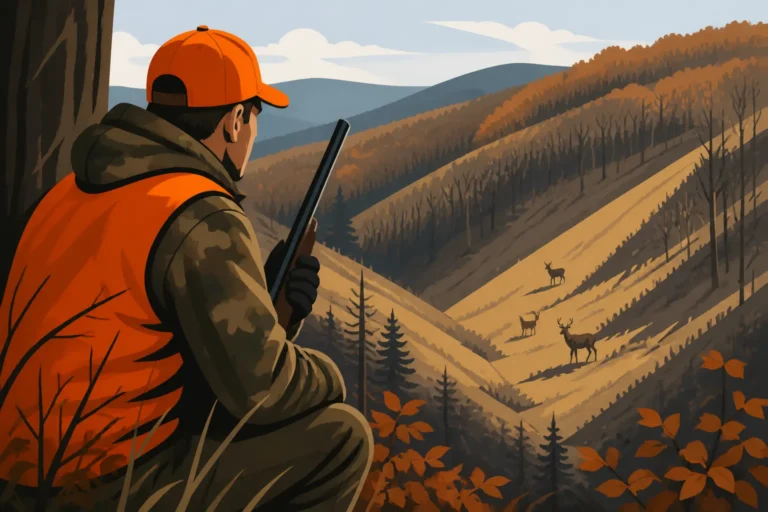
Spot-and-stalk hunting for hogs can be incredibly exciting and effective, particularly in areas where visibility allows for it. This method involves slowly moving through hog-prone areas, using binoculars or a spotting scope to scan for animals. When you spot them, the real work begins: using the terrain and wind to get within shooting range undetected. This is a highly active and engaging form of hunting that really hones your woodsmanship. In West Virginia's steep topography, this often means hiking up to high vantage points to glass hollows and benches, then making a careful descent.
Success with spot-and-stalk hinges on a few critical factors. First, wind direction is paramount. Hogs have an incredible sense of smell, and if they get a whiff of you, they're gone. Always approach from downwind. Second, utilize cover. The broken terrain of West Virginia, with its dips, rises, and thickets, can be your best friend. Move slowly, deliberately, and always be aware of where you can move if the hogs shift. Finally, patience is essential. It might take hours of careful maneuvering to get into position, but the payoff of a successful stalk is incredibly rewarding. This method truly tests your ability to Hunting Steep Allegheny Ridges quietly and effectively.
Still-Hunting and Ambush Tactics
Still-hunting involves moving very slowly and deliberately through the woods, pausing frequently to observe and listen. This is particularly effective in dense West Virginia cover, where long-range glassing isn't possible. You're essentially sneaking through their habitat, hoping to catch them unaware. Focus on areas with fresh hog sign, especially along travel corridors or near known feeding sites. Pay close attention to subtle sounds, like rooting, rustling in the leaves, or the soft grunts of a sounder. The goal is to be as quiet as possible, taking one or two steps, then freezing and scanning for minutes before moving again.
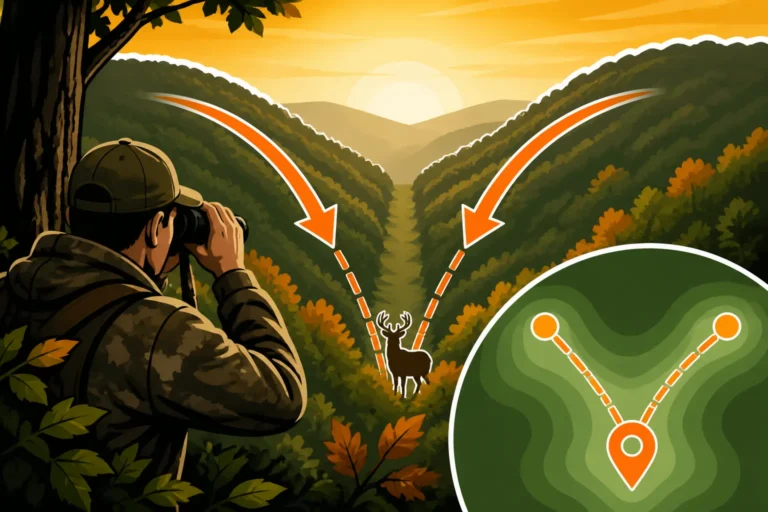
Ambush tactics, on the other hand, involve setting up and waiting in a location you expect hogs to pass through or feed in. This can be done from a ground blind, a treestand, or simply concealed by natural cover. Prime ambush spots include field edges, pinch points between thick cover and food sources, or trails leading to water. If you know hogs are regularly using a certain area, a well-placed ambush can be incredibly effective. Consider using a platform like GoHunt to mark your ambush sites and track hog activity over time. The key is to get in early, stay quiet, and be prepared to sit for extended periods. This method often overlaps with general deer tactics, so many of the principles for Hunting a Funnel Between Two Hollows can be applied to hogs.
Trapping as a Control Measure
For consistent, effective population control, trapping is often the most efficient method, especially when dealing with large sounders. While hunting removes individual animals, trapping can eliminate multiple hogs at once. This involves setting up large, sturdy traps – typically panel traps or corral traps – baited with fermented corn or other attractants. The goal is to capture the entire sounder, or as many as possible, to significantly reduce the local population. Trapping takes dedication and knowledge, but it yields impressive results that single-hunter methods often can’t match in terms of numbers.
Successful trapping relies on pre-baiting, patience, and understanding hog behavior. You start by consistently baiting an area, but without setting the trap, to get the hogs comfortable feeding there. Once they are regularly visiting, then you set the trap. It’s a process of conditioning. The WVDNR and USDA often provide resources and guidance on effective trapping methods. Trapping West Virginia Feral Hogs is a critical component of any serious hog management plan, especially for landowners struggling with significant damage. Combining trapping with hunting pressure is often the most potent one-two punch against these persistent invaders.
Night Hunting Considerations
Since feral hogs are often nocturnal, hunting them after dark can be incredibly effective, especially on private land. This opens up a whole new window of opportunity when they are most active and least wary. However, night hunting comes with its own set of challenges and specialized gear requirements. You'll need appropriate lighting, which can range from powerful spotlights to advanced thermal or night vision optics. Always check local ordinances and state regulations, particularly for public land, as night hunting rules can vary. On private land, Night Hunting Hogs With Lights on Private Land is often permissible, but landowner permission is non-negotiable.
When hunting at night, safety is paramount. Always positively identify your target and know what's beyond it. Use caution with firearms in the dark, and ideally, hunt with a partner. Thermal imaging and night vision devices make target identification and shot placement much easier, though they represent a significant investment. Without them, a powerful red or green light mounted to your firearm can illuminate the target without spooking the hogs as much as a white light might. Regardless of your chosen method, move slowly, use the wind, and focus on known feeding areas or travel routes that hogs frequent after sunset.
Gear and Equipment for Hog Hunting in West Virginia
Feral hogs are tough, smart, and often reside in rugged environments. To hunt them effectively and safely in West Virginia, you need the right gear. This isn't just about having a powerful gun; it's about being prepared for the conditions, the animal, and the unique challenges hog hunting presents.
Firearms and Ammunition Choices
When it comes to firearms for West Virginia hogs, power and reliability are key. Hogs have thick hides and dense bone structure, especially around the shoulders, which can absorb less powerful rounds. Many hunters opt for popular deer calibers like the .308 Winchester, .270 Winchester, or 6.5 Creedmoor, all of which offer sufficient energy and accuracy for hogs. However, cartridges with larger bullet diameters, like the .45-70 Government or even a 12-gauge shotgun loaded with slugs, are also excellent choices, particularly for close-range encounters in thick cover. The goal is a clean, ethical kill, so choose a caliber you can shoot accurately.
Ammunition choice is equally important. Look for bullets designed for deep penetration and reliable expansion. Soft-point or bonded bullets are often preferred over varmint-style bullets that might fragment on impact. If you're using an AR-style rifle, which is a popular choice for hog hunting due to its rapid follow-up shot capability, the .223/5.56 NATO or .300 Blackout can be effective with the right bullet construction, though many prefer larger calibers like 6.8 SPC or 7.62x39mm for more stopping power. Remember that shot placement is always more critical than caliber; a perfectly placed .223 is better than a poorly placed .30-06.
Optics and Illumination for Night Hunts
Optics are crucial for hog hunting, especially if you plan on pursuing them at night. For daytime hunting, a good quality rifle scope with clear glass and a suitable magnification range (e.g., 3-9x or 4-12x) is essential. Given West Virginia's varied terrain, a scope that performs well in low light, like those with larger objective lenses (40mm or 50mm), can give you precious extra minutes at dawn and dusk. Binoculars are also invaluable for spotting distant hogs during spot-and-stalk hunts, allowing you to identify animals without moving too much.
For night hunting, specialized illumination and optics are a game-changer. A high-quality thermal imaging scope or binocular can detect hogs by their heat signature, even in complete darkness or dense cover. While expensive, they offer a distinct advantage. Night vision devices, which amplify ambient light, are another option, though they perform best when there's some moonlight or starlight. If these are out of your budget, a powerful, weapon-mounted light, particularly one with a red or green filter, can be surprisingly effective for close-range shots. Always carry a reliable headlamp with a red light option for navigating the woods without ruining your night vision.
Essential Field Gear and Safety
Beyond your firearm and optics, a few other items are absolutely essential for West Virginia hog hunting. Good quality boots that offer support and traction are a must for navigating steep, uneven terrain. Consider waterproof boots, as you'll often be crossing creeks or slogging through muddy areas near wallows. A comfortable daypack is needed to carry water, snacks, a first-aid kit, and any extra layers of clothing. Layering your clothing is always a good idea in West Virginia, as temperatures can change rapidly, especially from day to night. Brands like GoHunt can help you find appropriate gear tailored to your hunting style.
Safety should always be your top priority. Carry a fully charged cell phone (though don't rely solely on it in areas with no service), and consider a satellite communication device for truly remote areas. A sharp, durable knife for field dressing is essential, along with game bags if you plan to pack out meat, especially in warmer months. Always let someone know where you are hunting and when you expect to return. Be aware of other hunters in the woods, especially during overlapping seasons, and always wear sufficient blaze orange during applicable seasons. For contrast, remember Field Dressing a Deer in Cold Weather can be different from processing a hog in warm West Virginia conditions, requiring more immediate attention to cooling.
| Hunting Method | Pros | Cons | Ideal Conditions | Key Gear |
|---|---|---|---|---|
| Spot-and-Stalk | Highly active, rewarding, great for skill building. | Physically demanding, requires good visibility, hogs can be elusive. | Open timber, rolling hills, clear mornings/evenings. | Binoculars, rifle, good boots, quiet clothing. |
| Still-Hunting | Stealthy, effective in thick cover, covers ground slowly. | Requires immense patience and quiet movement, limited visibility. | Dense laurel, creek bottoms, thick woods. | Rifle, quiet clothing, keen senses. |
| Ambush | Less physical, targeted if hogs are patterned, can be done from comfort. | Requires prior scouting/patterning, can be boring if hogs don't show, wind dependent. | Field edges, water sources, natural funnels. | Treestand/blind, rifle, scent control. |
| Trapping | Highly effective for population control, captures multiple animals. | Time-consuming setup and monitoring, significant initial investment in traps. | Any area with consistent hog activity, especially agricultural lands. | Large hog traps, bait, knowledge of hog behavior. |
| Night Hunting | Capitalizes on hog's nocturnal nature, often higher success rates. | Requires specialized (often expensive) gear, safety concerns, limited visibility. | Open fields, clearings, known feeding areas. | Thermal/night vision, weapon-mounted light, powerful rifle. |
Processing and Utilizing Your West Virginia Hog Harvest
Harvesting a feral hog is only half the battle. Properly processing and utilizing the meat is crucial, not only for enjoying your hard-earned bounty but also for safety and responsible management. This involves understanding field dressing best practices, butchering techniques, and being aware of potential disease risks.
Field Dressing and Meat Care in Warm Weather
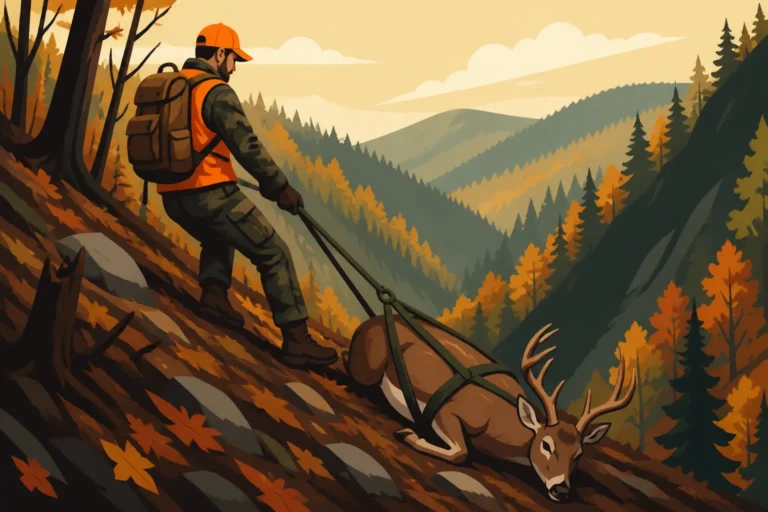
One of the biggest challenges with year-round hog hunting in West Virginia is often the warm weather. Unlike deer seasons that frequently occur in cooler temperatures, you might be harvesting a hog in August or September when temperatures are still high. This means rapid and thorough field dressing is absolutely critical to prevent spoilage. As soon as the animal is down, get to work. Gutting the animal quickly helps cool the carcass by removing internal organs that retain heat. If possible, rinse the cavity with water and pack it with ice to accelerate cooling.
Getting the hide off quickly is another vital step, as the hide acts as an insulator. This is often the biggest difference from how you might approach Field Dressing a Deer in Cold Weather. If you can't get the hog to a cooler or processing facility immediately, quartering the animal in the field and placing the quarters in game bags packed with ice is the best option. Focus on getting the meat cool as quickly as humanly possible, ideally below 40 degrees Fahrenheit within a few hours. Failure to do so can result in spoiled meat and wasted effort.
Butchering and Preparing Wild Hog
Butchering a wild hog is similar to butchering domestic pork, but there are a few considerations. Wild hogs often have less fat, and their muscle structure can be tougher, especially in older boars. You'll typically get cuts like chops, roasts, and ground meat. Many hunters prefer to grind a significant portion of the hog, often mixing it with domestic pork fat or venison to improve moisture and flavor. Smoking is another popular method that tenderizes the meat and adds delicious flavor.
When preparing wild hog, always cook it thoroughly to an internal temperature of at least 160 degrees Fahrenheit. This is essential for killing any potential parasites, such as Trichinella, which can be found in wild game. While it's rare, it's a risk not worth taking. Marinating tough cuts can help tenderize them, and slow-cooking methods like braising or stewing are excellent for older, tougher hogs. Experiment with different recipes; wild hog has a robust, savory flavor that lends itself well to many culinary styles.
The Importance of CWD and Disease Awareness
While Chronic Wasting Disease (CWD) is primarily a concern for deer and elk, it's vital for hog hunters to be aware of other potential diseases feral hogs can carry. Brucellosis and pseudorabies are two of the most significant concerns for hog hunters, as these diseases can be transmitted to humans (zoonotic) and domestic livestock. Brucellosis can cause flu-like symptoms in humans, while pseudorabies is a serious threat to domestic pigs and dogs. Always wear gloves when field dressing a hog, especially if you have any cuts or open wounds.
If you notice any unusual lesions, abscesses, or other signs of illness in a harvested hog, it's best to report it to the WVDNR and consider discarding the carcass. While CWD is not known to affect hogs, understanding disease vectors and safe handling practices is a critical part of being a responsible hunter. Always wash your hands thoroughly with soap and water after handling wild game, and disinfect all knives, cutting boards, and surfaces. For more information on handling game from disease-prevalent areas, you can look at resources like Handling Venison From a CWD Containment Area to understand best practices that apply to any wild game meat.
Challenges and Considerations for West Virginia Hog Hunters
Hunting feral hogs in West Virginia isn't always easy. These animals are incredibly resilient and intelligent, and the state's challenging landscape adds another layer of complexity. Being aware of these hurdles can help you prepare more effectively and increase your chances of success.
Navigating Private Land Access
Much of West Virginia's land is privately owned, and while hogs can be hunted year-round on private property, gaining access can be a significant challenge. Landowner permission is absolutely non-negotiable. Without it, you are trespassing, which carries serious legal consequences. Building relationships with landowners is key. Start by knocking on doors, introducing yourself, and explaining your desire to help them with their hog problem. Offer to share meat or help with other farm tasks; showing respect and trustworthiness goes a long way.
For those struggling to gain access, platforms like GoHunt can sometimes offer resources or contacts that might help connect hunters with landowners seeking assistance with hog removal. Remember that Asking a West Virginia Farmer for Permission is a skill, and politeness, respect, and a willingness to help are your best tools. Be prepared for rejection, but don't give up. The more hunters who responsibly pursue hogs on private land, the better off the state's agricultural interests and native wildlife will be.
Public Land Hog Hunting Pressure
While there's a good amount of Public Hunting Land in West Virginia, including vast tracts like the Monongahela National Forest and numerous Wildlife Management Areas (WMAs), hunting hogs on these lands can come with its own set of challenges, particularly related to hunting pressure. Even though hogs are often found in areas less frequented by deer hunters, increased awareness of their presence means more hunters might be pursuing them. This pressure can make hogs even more nocturnal and wary, pushing them into the densest, most inaccessible parts of the woods.
To succeed on public land, you'll often need to be willing to hike further, explore deeper into remote areas, and be more strategic in your approach. Early morning and late evening hunts, or even night hunts where permitted, might be more productive. Focus on finding untouched pockets of cover or less accessible drainages where hogs might seek refuge. Scouting thoroughly before your hunt, identifying fresh sign away from obvious trails, is crucial. The more effort you put into getting off the beaten path, the better your chances of encountering unpressured hogs.
Adapting to Hog Behavior and Intelligence
Feral hogs are far from stupid. They are intelligent, cunning animals that learn quickly from pressure. If you hunt an area aggressively, they will adapt their patterns, becoming more nocturnal, changing their travel routes, and moving into thicker cover. This requires hunters to be equally adaptable and persistent. What worked last week might not work this week. You need to constantly scout, observe, and adjust your tactics based on their changing behavior.
Their social structure, often moving in sounders, means that if you bump one hog, you’ve likely bumped many. They communicate effectively and can quickly warn each other of danger. This is why aggressive, sustained pressure – often a combination of hunting and trapping – is necessary. Don't underestimate their senses, particularly their smell. Always pay attention to wind direction, and be mindful of your scent. Successfully hunting West Virginia's feral hogs is a continuous learning process, demanding respect for their resilience and a willingness to evolve your strategies.
Disclaimer
Please remember that hunting regulations can change. Always consult the official West Virginia Division of Natural Resources (WVDNR) regulations and guidelines before planning any hunting trip. This guide is for informational purposes only and should not be considered a substitute for legal advice or official hunting regulations.