Hunting Steep Allegheny Ridges
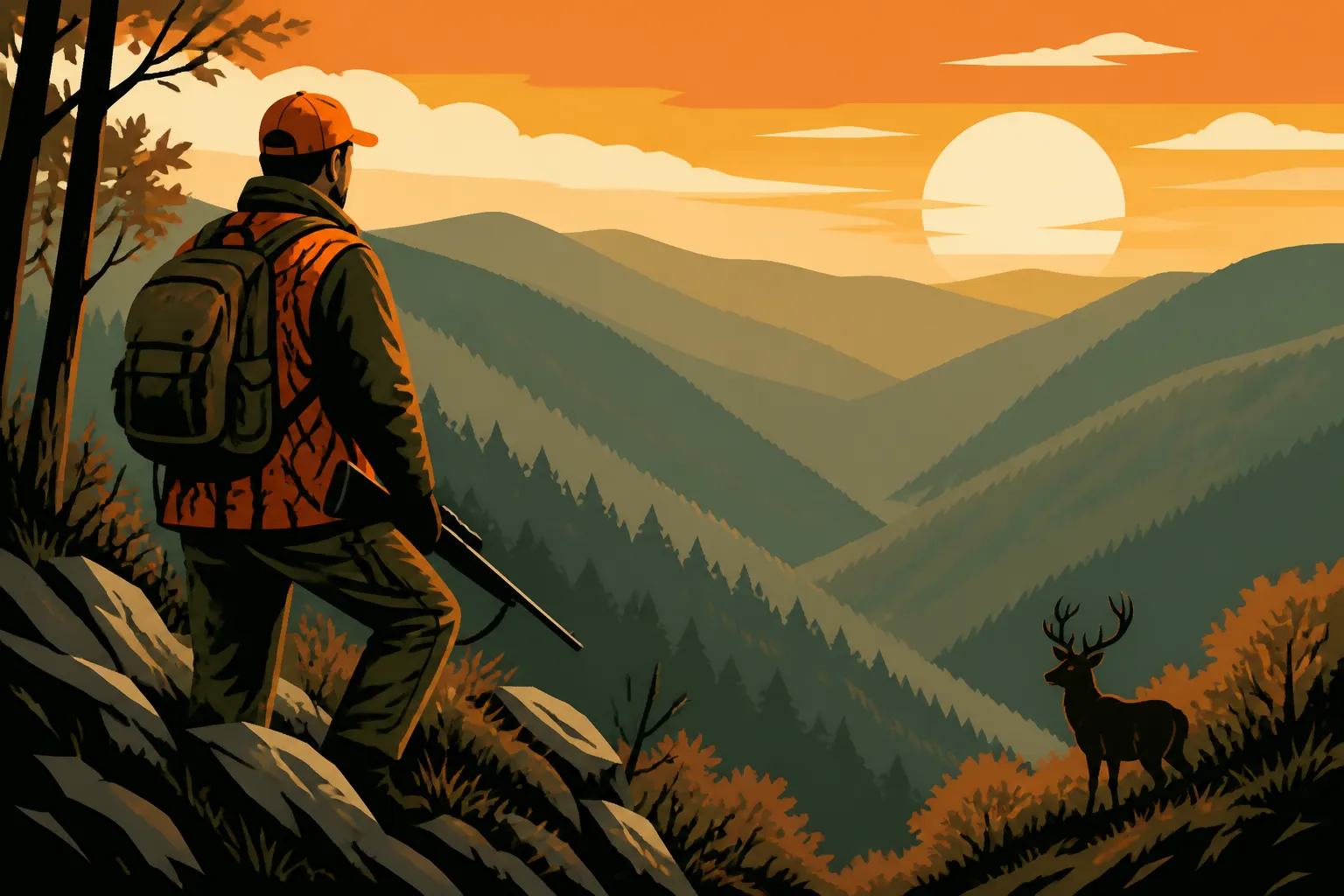
Alright, let's talk about hunting those gnarly, breathtaking, and sometimes downright brutal steep Allegheny ridges here in West Virginia. If you've spent any time chasing whitetails or even a mountain gobbler in our state, you know the struggle: those beautiful mountains come with some seriously unforgiving terrain. It's easy to feel defeated before you even lace up your boots, wondering how you'll ever get to where the deer are, let alone get one out. But don't you worry, this guide is all about equipping you with the know-how to conquer those inclines and find success in the vertical world.
The Unique Challenges of Allegheny Ridge Hunting
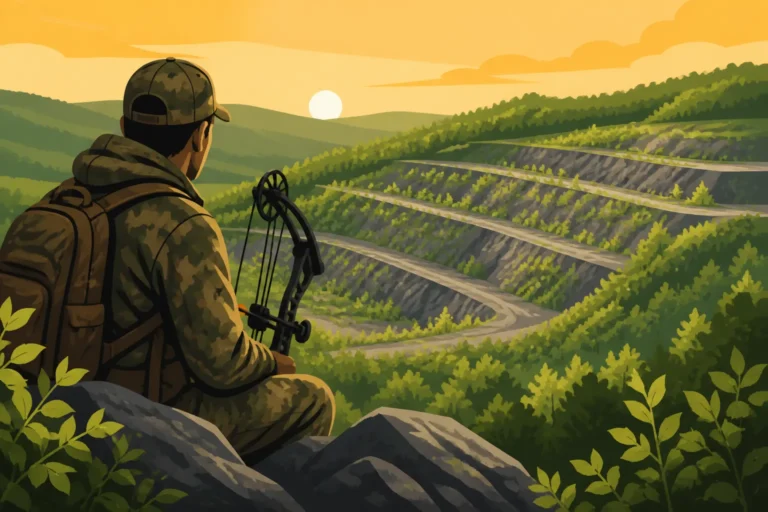
Hunting the Allegheny Mountains is an experience unlike any other, demanding a specific skillset and a whole lot of grit. These aren't your rolling midwestern hills; they're steep, often rocky, and covered in dense laurel thickets or mature timber that can make a flatlander's head spin. The sheer physicality required is a major hurdle, but it's far from the only one you'll face.
Navigating the Vertical Labyrinth
Just getting from point A to point B on a steep Allegheny ridge can feel like a full-blown expedition. The elevation changes are dramatic, with hollows plunging hundreds of feet into creek bottoms and ridges often topping out at over 4,000 feet. This isn't just tiring; it changes everything about how deer move and how you need to hunt them. Many hunters make the mistake of sticking to the easiest paths, like old logging roads or creek beds, only to wonder why they aren't seeing deer. That's because the deer, especially mature bucks, often utilize those incredibly steep, nasty spots as their sanctuary, and learning to read that terrain is key.
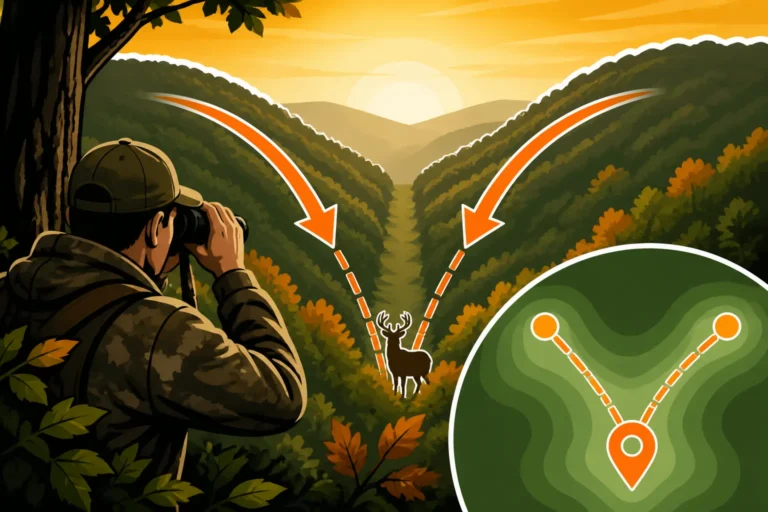
Moreover, the dense vegetation, particularly the infamous rhododendron and mountain laurel, creates an almost impenetrable jungle in places. It can hide deer incredibly well, making visual scouting tough, and it definitely adds another layer of difficulty to still-hunting. You might find yourself crawling on your hands and knees just to get through a laurel patch, wondering if it's even worth the effort. It is, trust me. Those thickets often funnel deer into predictable pinch points that, once identified, can become prime ambush sites.
Understanding Mountain Microclimates and Thermals
The steepness also plays havoc with wind, or more accurately, thermals. Unlike flat ground where wind can be somewhat predictable, in the mountains, thermals rule. Cold air sinks down into the hollows at night and in the morning, while warm air rises up the slopes during the day. This constant shift means your wind direction can change dramatically within a few hundred yards or even minutes, making scent control an absolute nightmare if you don't understand it. A slight breeze you feel on the ridge top might be swirling down into the hollow, carrying your scent directly to a bedded buck.
Ignoring thermals is a surefire way to educate every deer in the county. It's not just about knowing generally how they work; it's about paying attention to the subtle cues throughout the day. Watch how the fog moves, observe the leaves, and use a wind checker diligently. Learning to read the wind and thermals on a steep ridge is a critical skill, and it will dictate your approach routes, stand locations, and even what time of day you hunt a particular spot. This intricate dance with the wind is one of the biggest frustrations for new mountain hunters, but also one of the most rewarding challenges to master.
Scouting Smart in Rugged Country
Before you ever set foot on an Allegheny ridge with a weapon, a significant portion of your success will be determined by how effectively you scout. This isn't just about finding deer sign; it's about understanding the land itself and how deer use it.
Leveraging Topographical Maps and Aerial Imagery
Forget simply looking at green and brown on a flat map. When hunting steep terrain, a detailed topographical map or a robust hunting app like GoHunt with multiple map layers is your best friend. You need to identify saddles, benches, natural funnels, and potential bedding areas that might not be obvious from the ground. Look for areas where contours pinch together (funnels), where they widen (benches), or where multiple ridges converge. These are often high-traffic zones for deer moving between bedding and feeding areas.
Pay close attention to changes in elevation. A subtle bench or a small flat spot on an otherwise impossibly steep slope can be a prime bedding area, especially for a mature buck looking for security. Use the terrain analysis tools in your app to visualize slope angles and identify areas that are too steep for most hunters to bother with, but still accessible for deer. These overlooked pockets are often where the biggest deer hide. Spend hours poring over these maps before you ever leave your couch; it’s the most efficient scouting you can do for steep country. You can even use these tools to help in Scouting West Virginia Public Land Before Season.
On-the-Ground Reconnaissance for Sign and Access
While e-scouting is crucial, there's no substitute for boots-on-the-ground. Once you've identified potential hot spots on your map, it's time to hit the woods. When you're physically scouting, focus not just on fresh sign like rubs, scrapes, and tracks, but also on the subtle features of the landscape. Where are the natural travel corridors? How does a deer move from a feeding area in a bottomland to a bedding area on a high bench without expending unnecessary energy or exposing itself?
Look for old logging roads, faint deer trails, and even sparse spots in the laurel where deer have created their own tunnels. These subtle pathways, often invisible on a map, are invaluable. Also, pay attention to prevailing winds and thermals in person. How does the wind move through that hollow you're considering? Where will your scent go if you set up on that ridge point? Understanding how deer use the terrain for security and efficient travel, especially during the West Virginia Rut in November, will drastically improve your chances.
Strategic Movement and Access in Steep Country
Moving through steep Allegheny ridges isn't just walking; it's a calculated dance with gravity, thermals, and the deer's acute senses. How you approach your hunting spot and navigate the terrain during a still-hunt is paramount.
Utilizing Thermals for Your Advantage
As we touched on earlier, thermals are everything here. In the morning, as the sun begins to warm the slopes, air will rise. This means you generally want to start your hunt low and move uphill. Your scent will be carried up and away, keeping you undetected by deer still bedded in the hollows or moving up from feeding areas. Conversely, in the late afternoon and evening, as the air cools, thermals will reverse and carry scent downhill. This is when you want to be high, letting your scent drift down and away from deer as they move towards feeding areas in the bottoms.
Planning your entire hunt around these thermal shifts is non-negotiable. It dictates your entry and exit routes, your stand placement, and your still-hunting path. For example, if you plan to hunt a high ridge top, consider approaching from below in the morning, letting the rising thermals carry your scent away. If you're going to hunt a creek bottom, approach from above in the evening as the thermals carry your scent down and away. Ignoring these natural air currents is a critical mistake that will blow more hunts than any other factor in mountain country. Learning about Wind and Thermals on a Steep Ridge is truly game-changing.
Silent Movement and Efficient Travel
Moving silently on steep, leaf-littered slopes is a monumental task, but it's essential. Every crunch, every sliding step, echoes further than you think in the still mountain air. The key is to take slow, deliberate steps, testing your footing before putting your full weight down. Use trekking poles for stability, especially when going downhill, as they can prevent slips and falls that create noise.
When still-hunting, remember the "ten steps, stop, and look" rule. Take a few steps, then pause, scan, and listen. Often, deer will be bedded just over a rise or tucked into a thicket, and a moment of stillness might allow you to spot them before they bolt. Focus on areas of softer ground or mossy patches that absorb sound better than dry leaves or rocky outcrops. Wearing the right footwear, like high-quality, quiet hiking boots designed for rugged terrain, will also make a huge difference in reducing noise and providing traction. This deliberate, patient movement is critical, especially when trying to pinpoint Where Monongahela Forest Bucks Bed.
Stand Setup and Hunting Tactics on Slopes
Once you've done your scouting and understand the thermals, the next step is deciding how you'll hunt these challenging landscapes. Whether it's from a treestand, a ground blind, or still-hunting, each method requires specific adaptations for steep terrain.
Treestand Placements for Ridge Points and Benches
Setting up a treestand on a steep slope might seem impossible, but it's often the most effective way to hunt these areas. The trick is to find those subtle benches, saddles, or ridge points that offer a relatively flat platform for your stand, or at least a tree that grows reasonably straight. Instead of trying to find the perfect flat ground, often you’ll need to adapt by finding a tree on a slight incline and adjusting your stand. Utilize climbing sticks that articulate or have adjustable levels to maintain stability. The goal is to get above the deer's line of sight and take advantage of those rising and falling thermals.
When choosing a tree, look for one that offers cover, both for breaking up your outline and for providing shooting lanes. Consider the sun's position throughout the day – you don't want to be silhouetted against the morning or evening sun. A common mistake is setting up too high; on steep ground, a lower stand might actually give you a better shot angle into a deer moving below you, especially if it's quartering away. Check out Treestand Setups in Monongahela National Forest for more specific guidance on this. Always prioritize safety, especially on steep terrain; a good safety harness and lifeline are non-negotiable.
Still-Hunting and Ground Ambush Strategies
Still-hunting is perhaps the most natural way to hunt the Allegheny ridges, but it's also the most challenging. It requires immense patience, stealth, and a deep understanding of deer behavior. Focus on hunting into the wind or, more importantly, into the rising or falling thermals. As you slowly move, perpetually scan ahead, looking for horizontal lines in a vertical world – the back of a deer, an ear flick, a leg. Use your binoculars constantly to pick apart distant cover.
For ground ambushes, think about natural pinch points: the narrowest part of a saddle, a rock outcrop that funnels deer around it, or the end of a thick laurel patch where deer are forced into a more open area. Utilize natural cover like downed trees, boulders, or thick brush to break up your outline. A small, portable ground blind can be incredibly effective if you brush it in well, allowing you to quickly set up on a deer trail you've just discovered. Remember, on steep terrain, deer often move along contours rather than directly up and down, so look for those subtle horizontal pathways. This kind of nuanced movement is perfect for Still-Hunting Cranberry WMA Ridges.
| Hunting Method | Pros for Steep Ridges | Cons for Steep Ridges | Ideal Conditions/Locations |
|---|---|---|---|
| Treestand | Elevated view, uses thermals, scent control | Difficult to set up, limited mobility, bulky gear | Defined travel corridors, saddles, benches, ridge points |
| Still-Hunting | Highly mobile, adapts to deer movement, immersive | Extremely difficult stealth, requires patience, exposes scent | Scouting known bedding/feeding areas, varied terrain, rutting activity |
| Ground Blind | Excellent concealment, comfortable, can use on steeper spots | Bulky to carry, limited visibility, less adaptable to thermals | Field edges near bottoms, thick cover pinch points, natural funnels |
| Deer Drives | Effective for pushing deer out of thick cover | Requires multiple hunters, can be noisy, unpredictable shots | Thick laurel patches, deep hollows, large public land tracts |
Gear Considerations for Mountain Hunters
Hunting steep Allegheny ridges is a gear-intensive endeavor. The right equipment won't just make you more comfortable; it will directly impact your success and safety. Skimping on quality here can literally leave you stranded or even injured.
Footwear for Traction and Support
This is not the place for flimsy boots. You need serious ankle support and aggressive traction. Think sturdy, waterproof hiking boots with a stiff sole that can handle uneven, rocky terrain and provide stability on steep ascents and descents. Brands like Kenetrek, Schnee's, or even some of the more rugged offerings from Salomon or Lowa are popular choices among mountain hunters. The last thing you want is a rolled ankle miles deep in the backcountry.
Good boots also need to be comfortable for long hours and many miles of walking up and down hills. Invest in quality merino wool socks to prevent blisters and manage moisture. The combination of proper boots and socks will be your best defense against sore feet and potential injury. Remember, your feet are your primary mode of transportation in this vertical world, so treat them well. You can find more specific recommendations for Boots for West Virginia Hollows and Ridges.
Backpacks and Hydration Systems
You'll be carrying more than just your rifle or bow when hunting the Alleghenies. A quality pack, ideally one with an internal frame, is crucial. It needs to be comfortable for heavy loads, as you'll be hauling water, snacks, extra layers, first-aid, and potentially game meat. Look for packs with good weight distribution, adjustable straps, and plenty of external pockets for easy access to essentials. Mystery Ranch, Kifaru, and Stone Glacier are well-regarded brands for serious mountain hunters.
Hydration is also key. Forget carrying a few water bottles; a hydration bladder system in your pack is far more convenient and allows you to sip water throughout the day without stopping. Factor in the mileage and elevation gain, and carry more water than you think you'll need. Dehydration in steep country can quickly lead to fatigue and impaired judgment, turning a challenging hunt into a dangerous situation. Think about Packs for a Monongahela Forest Day Hunt and what you might need.
Optics and Navigation Tools
Good optics are your eyes in the mountains. High-quality binoculars (8x or 10x power is usually ideal) are essential for picking apart distant slopes, identifying deer bedded in thickets, and confirming shooting lanes. A rangefinder is also non-negotiable, as judging distance on steep angles can be incredibly deceptive. You might think a deer is 200 yards away when it's actually 300, or vice versa, leading to a missed shot or worse.
For navigation, a reliable GPS unit or a hunting app on your smartphone (like GoHunt) is indispensable. Download offline maps for your hunting area before you leave home, as cell service is often nonexistent in the hollows. Mark your vehicle, your stand locations, and any significant sign you find. This will not only help you navigate but also aid in planning future hunts. A compass and paper map are also good backups in case your electronics fail.
Recovering Game in the Vertical World
Let's be real: shooting a deer on a steep Allegheny ridge is only half the battle. Getting that animal out of a remote, deep hollow is often the hardest and most physically demanding part of the entire hunt. This is where preparation truly pays off.
The Reality of Steep Hauls
Imagine this: you've just made a perfect shot on a beautiful buck, only for it to run 100 yards straight down a 60-degree slope into the bottom of a laurel-choked hollow. The excitement quickly turns into dread as you contemplate the sheer effort of getting it back to flat ground, let alone your vehicle. This is the reality for many successful mountain hunters. You need to be mentally and physically prepared for this challenge.
Before you even pull the trigger, consider the recovery. Can you realistically get this animal out? If you're hunting alone, it might mean quartering the animal and making multiple trips, which can be exhausting and time-consuming. If you have hunting buddies, discuss a recovery plan beforehand. Knowing how to efficiently field dress and potentially quarter a deer is a skill that saves hours of grueling work and ensures your venison stays fresh. Learn about Recovering a Deer From a Steep Hollow before you go.
Specialized Recovery Gear and Techniques
Standard deer carts are often useless on steep, rocky terrain. Instead, consider using a good game sled or a heavy-duty fabric drag with a strong rope. These can help protect the hide and make dragging somewhat easier, though it's still back-breaking work. For quartering, bring a sharp knife, a game bag (or several), and some rope to hang the quarters if you need to cool them overnight or transport them out in stages. A lightweight frame pack is ideal for packing out boned-out meat.
If you plan on making multiple trips or hunting deep in the backcountry, consider bringing a small, lightweight tarp. This can protect your meat from rain or scavengers if you have to leave it overnight. Having a headlamp with extra batteries is also vital, as recovery often extends well into the dark. Finally, never underestimate the value of a strong will and good hunting partners. There's a reason West Virginia Deer Camp Traditions often involve tales of epic deer drags—because they are truly memorable undertakings that test your limits.
Disclaimer
Hunting is an inherently dangerous activity. Always prioritize safety, understand and follow all West Virginia hunting regulations, and ensure you have the proper licenses and permits. This guide provides general information and recommendations; personal safety and legal compliance are solely your responsibility. Conditions in the mountains can change rapidly, so be prepared for all weather scenarios and always tell someone where you are going and when you expect to return.