Still-Hunting Cranberry WMA Ridges
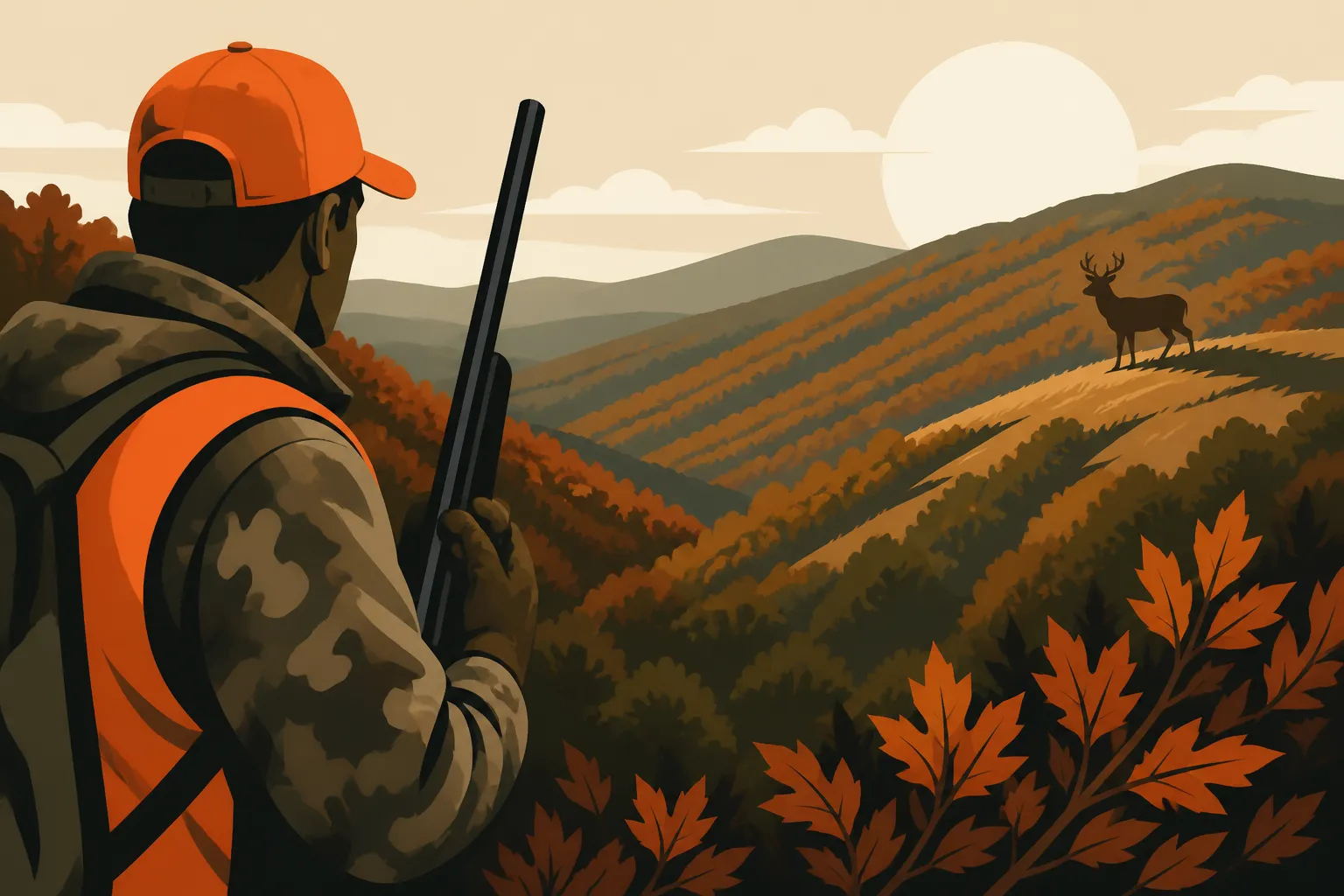
The expansive, rugged landscape of Cranberry Wildlife Management Area can feel overwhelming, like a vast, green labyrinth where deer simply vanish. Many hunters get frustrated, thinking they need to cover miles to find success, or that deer are just too scattered to pinpoint. This guide is dedicated to unlocking the secrets of still-hunting Cranberry WMA's ridges, showing you how to move slowly, deliberately, and effectively to connect with West Virginia's elusive whitetails on their home turf.
Understanding Cranberry WMA's Unique Challenges
Hunting Cranberry WMA isn't like hunting agricultural fields or suburban woodlots; it's an immersive experience in true mountain wilderness. The challenges here are as big as the mountains themselves, but understanding them is the first step to overcoming them. This massive public land tract demands respect and a different approach than many other hunting areas in West Virginia.
Navigating the Rugged Topography
Cranberry WMA, nestled within the sprawling Monongahela National Forest, is renowned for its formidable topography. We're talking about steep climbs, deep hollows, and countless ridges that can leave even the most seasoned hunter breathless. The sheer verticality of the terrain means that a quarter-mile walk on a map can feel like a mile of intense climbing and descending in real life. Rivers and creeks, like the Cranberry River, carve out significant drainages, creating natural barriers and travel corridors that are essential to understand. This ruggedness often deters casual hunters, which can be a huge advantage for those willing to put in the effort. However, it also means that what looks like a minor hump on a topographical map can be a near-vertical rock face, requiring careful route planning and serious physical conditioning. Being prepared for strenuous climbs and descents, often with a pack, is non-negotiable here.
When you're still-hunting, you're not just walking; you're constantly evaluating your next step, both for stealth and for safety. A misstep on a leaf-covered slope can send rocks tumbling or alert every deer within a quarter-mile. The dense undergrowth, especially in areas with laurel thickets or regenerating clear-cuts, adds another layer of complexity, making silent movement incredibly difficult. You’ll find yourself adapting your stride, using trees for balance, and often changing your intended path entirely based on what the terrain throws at you. Knowing the lay of the land, beyond what a flat map shows, is crucial. You might think you have a straight shot along a ridge, only to find it riddled with blowdowns or impassable rock formations.
Understanding Hunting Pressure and Wildlife Behavior
Despite its remote feel, Cranberry WMA does see hunting pressure, especially on opening days and weekends of buck gun season. However, this pressure tends to concentrate in easily accessible areas, near main roads, parking lots, and along established trails. The deeper you venture into the WMA, the more the pressure dissipates, revealing pockets of less disturbed wildlife. Deer here are often more wary and nocturnal than those in areas with less hunting pressure, making still-hunting a particularly effective strategy. You're not waiting for them to come to you; you're actively seeking them out on their terms.
When bucks in the Monongahela National Forest are pressured, they become incredibly adept at using the terrain to their advantage. They'll skirt along benches just below major ridge tops, utilizing thick cover, or bed down in dense laurel thickets on steep sidehills where they have a commanding view and the wind in their favor. Understanding these patterns, and recognizing that deer behavior here is heavily influenced by self-preservation, is key. If you're encountering a lot of fresh sign but no deer, it might be that your timing or approach is too predictable. Still-hunting allows you to adapt in real-time, changing your pace, direction, and even your route based on the sign you discover and the unseen deer you're trying to outwit. Knowing how to read a ridge for eastern panhandle deer, or any mountain deer for that matter, often comes down to predicting their escape routes.
The Role of Food Sources and Habitat
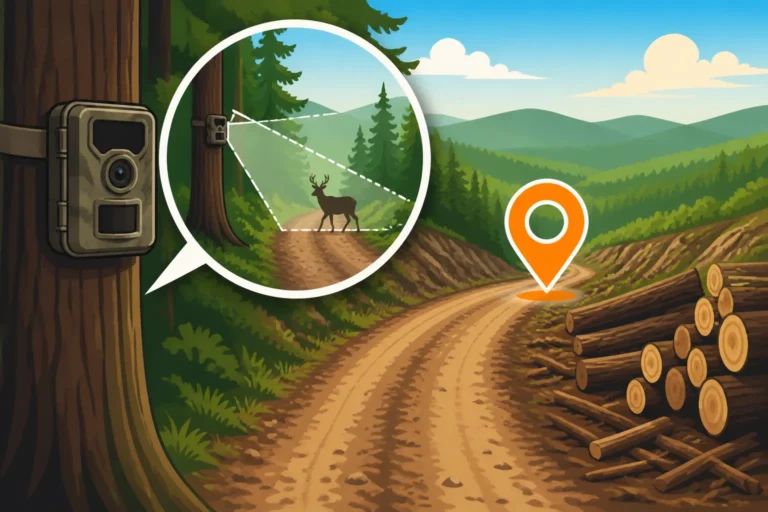
Cranberry WMA is a vast, mostly forested landscape, meaning food sources can be spread out and change year to year. Mast crops, primarily acorns and beechnuts, are critical. When these crops are abundant, deer will be wherever the nuts are falling. However, in years of poor mast, deer shift their focus to alternative browse, greenbrier, mountain laurel, or even early successional growth in clear-cuts or logging areas. Identifying these ephemeral food sources and understanding how deer utilize the different habitat types is paramount. The area encompasses a mix of mature hardwoods, dense conifer stands, and areas of regenerating timber, each offering different food and cover opportunities.
The diverse habitats within Cranberry, from high-elevation spruce-fir forests to lower-elevation mixed hardwoods, dictate where deer will be at different times of the year. For instance, in the early archery season, deer might be focused on soft mast or specific browse in lower, moister areas. As fall progresses and acorns drop, they'll concentrate on oak ridges. Later in the season, during the depths of winter, they'll seek out thermal cover in thick evergreen stands or find browse on south-facing slopes. Still-hunting requires you to constantly adjust your focus, seeking out these dynamic food sources and the travel corridors that connect them to bedding areas. Knowing where Monongahela Forest bucks bed is often directly tied to proximity to food and water, combined with thermal cover and escape routes.
Mastering the Art of Still-Hunting
Still-hunting isn't just walking slowly; it's a mindful, deliberate process that transforms you into part of the forest, observing and reacting to its subtle cues. It's about blending in, moving with purpose, and letting the woods reveal themselves to you. This method is incredibly effective in Cranberry WMA's dense, broken terrain, allowing you to cover ground while maintaining a high level of situational awareness.
Pacing and Movement: The Slow Crawl
The single most important aspect of successful still-hunting is your pace. Forget rushing from point A to point B. Think of it more as a "slow crawl" through the woods. The general rule of thumb is to take no more than a dozen steps, then pause for several minutes – five, ten, or even fifteen minutes, depending on the terrain and visibility. During these pauses, your eyes should be constantly scanning, not just for deer, but for any anomaly: a horizontal line in a vertical world, an ear twitch, a flicking tail, or the slight glint of an antler.
Imagine you're moving through a dense laurel thicket on a steep Allegheny ridge. Every step must be planned. Look for patches of bare earth, moss-covered rocks, or areas with less leaf litter to place your foot. Lift your feet high, set them down gently, testing the ground for hidden sticks or loose rocks before committing your weight. Use trees and brush for cover, breaking up your outline, and always try to move into the wind or with a slight crosswind. The goal is to move so slowly and deliberately that you don't spook deer, allowing you to spot them before they spot you. This glacial pace allows the forest to "reset" after your movement, meaning any deer that might have been slightly alerted will calm down, making them easier to spot as you approach.
Reading Sign and Anticipating Movement
Still-hunting is a continuous act of detective work. Every scrape, rub, track, and droppings tells a story. Fresh deer sign indicates recent activity, and your job is to interpret that story to predict where the deer might be heading or where they might be bedded. Pay close attention to track direction and freshness; a clear, sharp track means a deer was recently there. Heavy rubs and scrape lines along a logging road or ridge suggest a travel corridor or a buck's core area during the rut.
Beyond obvious sign, look for more subtle indicators. Where are the leaves disturbed? Are there fresh browse marks on young saplings? Are nuts cracked open on the forest floor? All of these clues help you build a mental map of deer activity. When you find consistent fresh sign, slow down even further. This is where you transition from searching to actively hunting. Anticipate where the deer that made that sign might be. If it's feeding sign, look for nearby bedding cover. If it's a fresh track, consider the wind and terrain – which direction would the deer take to get to safety or a food source? The ability to accurately read this sign and combine it with your knowledge of deer behavior and the local topography is what separates a successful still-hunter from someone just taking a walk.
Using Wind and Thermals to Your Advantage
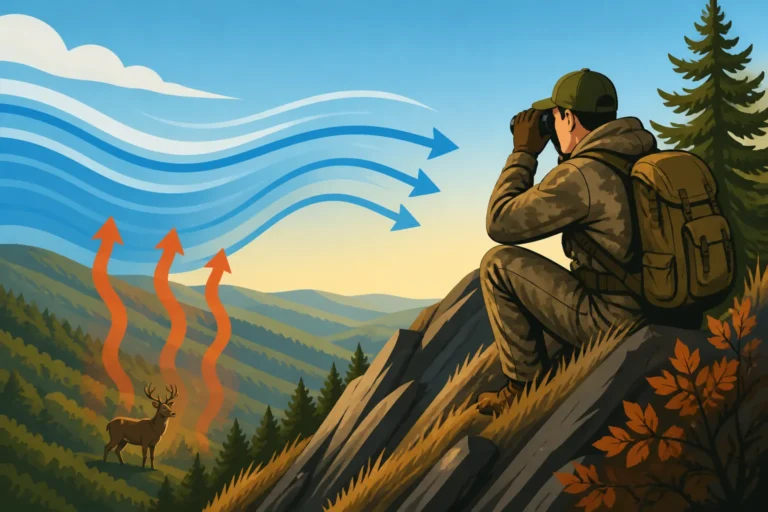
In West Virginia's mountainous terrain, wind and thermals are your best friends and your worst enemies. Understanding how they interact is crucial for still-hunting Cranberry WMA. Wind, of course, carries your scent, and deer rely heavily on their nose. Always try to hunt into the wind or with a slight crosswind. This means constantly checking wind direction and adjusting your route accordingly. A small wind checker bottle is an indispensable tool here.
Thermals are currents of air that rise and fall with temperature changes throughout the day. In the morning, as the sun warms the earth, air rises up the hollows and ridges (uphill thermals). In the afternoon, as the sun begins to set and the air cools, the thermals reverse, carrying scent downhill into the hollows. This phenomenon, which can be particularly pronounced in steep terrain, directly impacts your approach. For example, in the morning, you might want to hunt up a ridge, staying just below the crest, so your scent is carried upwards and over the ridge, away from deer potentially bedded on the opposite side. In the afternoon, as you make your way back down, your scent will be carried downhill, potentially alerting deer in the hollows below. Learning to use wind and thermals on a steep ridge effectively takes practice, but it's a skill that will dramatically increase your success rate.
Strategic Ridge Selection and Reading Terrain
Cranberry WMA is a land of endless ridges, and not all ridges are created equal when it comes to still-hunting. The key to success lies in identifying the most promising ridge systems and understanding the subtle features that funnel deer movement. This often involves a blend of pre-season scouting and real-time observation.
Identifying Productive Ridge Systems
Not every ridge holds deer, or at least not consistently. Productive ridge systems are those that offer a combination of food, cover, and water, along with suitable travel corridors. Look for ridges that connect different habitat types, such as mature oak stands to dense conifer thickets, or old clear-cuts to more open woods. Ridges that run parallel to major drainages or those that have several "fingers" branching off can act as natural highways for deer. Often, the bigger, broader ridge systems that gradually descend into multiple hollows will be more productive than a razor-thin ridgetop that offers little cover.
Pay attention to historical harvest data if available, or ask local hunters for general areas of past success. While specific spots change, general patterns of deer movement across the landscape tend to persist. When studying a map, look for areas where multiple ridges converge, creating a bottleneck, or where a ridge narrows significantly before broadening out again. These can be prime locations for still-hunting, as deer are naturally funneled through them. Also, consider the aspect of the ridge: south-facing slopes often warm up faster in the morning and retain heat longer in the evening, making them attractive bedding or feeding areas in colder weather.
Decoding Benches, Saddles, and Funnels
Within any productive ridge system, certain micro-features are absolute magnets for deer. Benches are flat or gently sloping areas on a steep hillside. Deer love to bed on benches because they offer a relatively level spot to rest, often with good visibility up and down the hill, and a favorable wind. When still-hunting a ridge, always pay extra attention to these benches; approach them slowly and with extreme caution.
Saddles are dips or low points in a ridge line. These are classic travel corridors, especially for mature bucks during the rut. Deer will often take the path of least resistance when traveling from one ridge or drainage to another, and saddles provide just that. A saddle between two peaks is a prime example of such a feature. Set up an internal link here about Hunting a ridge-top saddle for rutting bucks. Deer often cross saddles throughout the day, making them excellent places to intercept moving deer.
Funnels, as the name suggests, are natural or man-made features that concentrate deer movement. This could be a narrow strip of timber between two clearings, a steep bluff that forces deer into a specific travel lane, or a dense thicket bordering a more open wood. Still-hunting through these funnels, especially with the wind in your favor, can put you right where the deer want to be. Recognizing these terrain features, whether from an aerial photo or on the ground, and understanding how deer use them, is a crucial skill for still-hunting success.
Utilizing Contour Maps and Aerial Imagery
Before you even step foot in Cranberry WMA, you should be pouring over contour maps and high-resolution aerial imagery. Tools like GoHunt are invaluable for this type of pre-season scouting. They allow you to visualize the topography, identify potential ridge systems, benches, saddles, and funnels from the comfort of your home. You can mark potential travel routes, bedding areas, and water sources. Look for subtle elevation changes, areas of dense evergreen cover (which show up as darker green on aerials), and areas of past timber operations that might indicate regenerating browse.
While digital mapping applications are incredibly powerful, it's also a good idea to bring a physical map and compass as a backup, especially in areas with spotty cell service. Use your digital maps to identify key access points and plan your approach. Once on the ground, constantly cross-reference what you see with your map. Does that subtle dip in the ridge actually form a good saddle? Is that thick patch of conifers denser than it looked from above? These tools don't replace "boots on the ground" scouting, but they certainly make it more efficient and help you maximize your time in the woods. GoHunt can highlight various public land boundaries, ensuring you stay within legal hunting areas and helps with Scouting West Virginia Public Land Before Season.
Adapting to Weather and Seasonal Changes
The weather and the calendar drastically alter deer behavior and, by extension, your still-hunting strategy in Cranberry WMA. From the heat of early autumn to the biting cold of late December, each period presents unique opportunities and challenges. Successful still-hunting means understanding these shifts and adjusting your tactics accordingly.
Early Season: Archery Challenges and Opportunities
West Virginia's archery season opens when the weather can still be quite warm, especially in September and early October. This presents unique challenges for still-hunting. Deer movement is often concentrated during the cooler hours of dawn and dusk, and they may bed down earlier and longer during the day in thick, shady cover. The dense foliage of early autumn also makes spotting deer incredibly difficult, especially at a distance. Still, this period offers advantages. Less hunting pressure (outside of opening weekend) means deer might be slightly less wary.
During this time, focus your still-hunting efforts around early-season food sources like soft mast (persimmons, wild grapes) or agricultural edges if you're near private land in adjacent areas. Deer will also be concentrated near water sources in warmer weather. When still-hunting, move even slower than usual, as visibility is restricted. Pay extra attention to small clearings, creek bottoms, and the edges of dense cover. Remember that scent control is paramount in warmer weather when deer are more likely to pick up your odor. Hunting into the late December archery close, when temperatures drop, calls for different strategies, but in the early season, stealth and scent are your primary concerns.
Peak Rut to Late Season Tactics
The peak rut in West Virginia typically occurs in mid-November, coinciding with the opening of buck gun season. This is a dynamic and often chaotic time for deer movement, making still-hunting incredibly exciting. Bucks are actively seeking does, often throwing caution to the wind, and they can be found moving at any time of day. Your still-hunting strategy should focus on covering ground where does are likely to be, as bucks will follow. Concentrating on travel corridors, ridge lines, saddles, and even areas with fresh buck sign like rubs and scrapes becomes crucial. Hunting the rut in mid-November means expecting the unexpected.
As the season progresses into late November and December, deer transition into their post-rut and winter patterns. Bucks are recovering from the rigors of the rut and becoming more food-focused. Snow on the ground, if present, can be a game-changer, making sign incredibly easy to read and offering silent movement. Still-hunting during the late season often means focusing on thermal cover and persistent food sources. South-facing slopes with residual acorns or dense conifer stands offering warmth are prime locations. Deer also tend to yard up in harsher winter conditions, meaning you might find larger groups of deer concentrated in specific areas. This can be an excellent opportunity for a careful still-hunter to spot multiple deer.
Hunting in Snow and Inclement Weather
Snow transforms the West Virginia woods, offering both challenges and incredible opportunities for the still-hunter. The primary advantage is visibility: deer stand out against a white backdrop, and their tracks become incredibly easy to follow. A fresh snowfall can also muffle your footsteps, allowing for quieter movement. However, deep snow makes travel more difficult and strenuous, and extreme cold requires careful attention to your clothing and physical well-being.
When still-hunting in snow, follow fresh tracks, paying close attention to changes in direction or pace that might indicate a deer has stopped or become alert. Look for areas where deer have been browsing, as they will gravitate towards accessible food. In cold, windy conditions, deer will often seek refuge on the leeward sides of ridges or in dense evergreen cover for thermal protection. Hunting after a cold front can also be highly productive, as deer often move more actively to feed before or after a significant temperature drop. Remember, while snow can make tracking easier, it also means deer might spot you more easily, so maintaining stealth and using cover remains paramount.
Essential Gear and Preparation for Still-Hunting
Still-hunting in Cranberry WMA demands specific gear to ensure both your comfort and success. From what you wear on your feet to the tools you carry in your pack, every item plays a crucial role in enabling quiet, effective movement through rugged terrain. Don't skimp on preparation; this isn't a casual walk in the park.
Clothing and Footwear for Stealth and Comfort
Your clothing needs to be quiet, breathable, and capable of layering. Wool or fleece are excellent choices for outer layers because they remain quiet even when brushing against branches, and they retain warmth even if wet. Avoid noisy materials like stiff synthetics or denim. Layering is critical for managing your body temperature throughout the day as you alternate between strenuous climbing and long periods of stillness. A good base layer, a mid-layer for insulation, and a quiet, waterproof outer shell are essential. Don't forget a warm hat and gloves, as much heat is lost through your head and hands.
For footwear, a comfortable, supportive, and waterproof pair of hunting boots is non-negotiable. You'll be covering miles of uneven, often wet, terrain. Boots for walking West Virginia ridges need to have excellent ankle support to prevent twists and sprains, and a grippy sole to maintain traction on slick leaves, rocks, and mud. Make sure they are well broken-in before your hunt to avoid blisters. Many still-hunters prefer rubber boots for their scent-blocking properties, especially in wetter areas, but ensure they fit well and offer adequate support for mountain hunting.
Optics and Navigation Tools
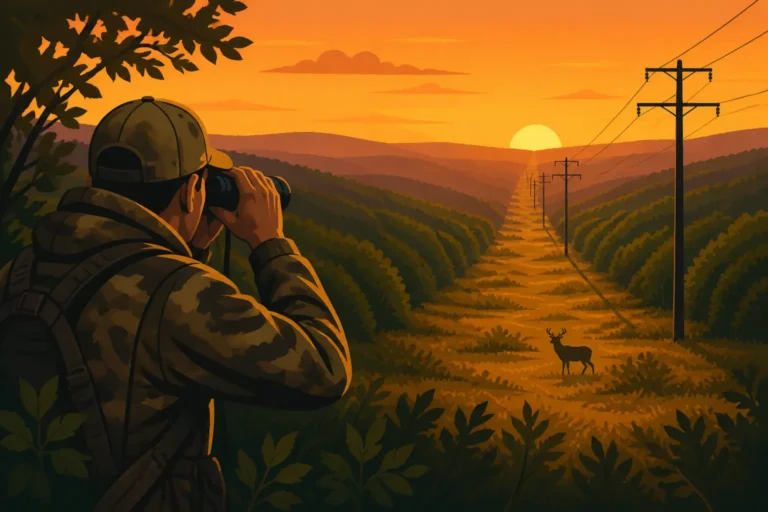
While still-hunting focuses on close-range encounters, a good pair of binoculars is still incredibly useful. They allow you to meticulously scan dense cover ahead, identify deer parts (antler, ear, leg) before the entire animal is visible, and confirm movement without having to move yourself. An 8x or 10x power binocular is generally sufficient, offering a good balance of magnification and field of view.
Navigation is paramount in Cranberry WMA's vastness. A reliable GPS unit or a smartphone with a robust hunting app (like GoHunt) is essential. These tools allow you to track your movement, mark key points (sign, potential bedding areas, your vehicle), and ensure you can always find your way back. Always download offline maps before heading into areas with no cell service. Complement your electronic devices with a physical map and compass, and know how to use them. A headlamp with a red light setting is also crucial for early morning starts and late evening walks out, preserving your night vision.
Meat Care and Recovery Considerations
Still-hunting can put you deep in the backcountry, far from easy access. If you harvest a deer, having a plan for meat care and recovery is critical, especially during warmer early season days. Carry game bags to protect the meat from flies and dirt. Consider a lightweight deer sled for steep country if you're hunting within a reasonable dragging distance, but be realistic about the terrain. For truly remote kills, a frame pack and the ability to bone out a deer in the field might be necessary. This greatly reduces the weight and makes for multiple, more manageable trips out of the woods.
Don't forget a sharp field dressing knife and perhaps a small bone saw. If hunting in early archery season, consider bringing a few large zip-top bags filled with ice in a small cooler in your vehicle to quickly cool down vital organs if you're field dressing and gutting. The less time meat spends warm, the better the quality. Always be prepared for the possibility of a long, difficult retrieve, and remember that Recovering a deer from a steep hollow is a serious physical challenge that requires careful planning and often extra hands.
Safety and Ethical Considerations in Cranberry WMA
Hunting Cranberry WMA is an incredible experience, but it comes with significant responsibilities. Prioritizing safety, respecting the land, and adhering to ethical hunting practices are non-negotiable, ensuring a positive experience for everyone who utilizes this treasured public land.
Blaze Orange Requirements and Visibility
Safety should always be your top priority, especially when still-hunting on public land like Cranberry WMA, which can see other hunters. During West Virginia's buck gun season, all hunters, and even non-hunters on public land, are required to wear at least 400 square inches of solid blaze orange on their outer clothing, visible from all sides. This includes a minimum of 100 square inches on both the chest and back, and a blaze orange or blaze pink hat. Even if you're still-hunting during archery season when blaze orange isn't strictly required, consider wearing a small amount, like an orange hat, when walking to and from your hunting spot, especially on weekends or during periods of overlapping seasons. It significantly increases your visibility to other hunters, which is crucial in dense cover.
When still-hunting, you want to blend in with the environment from a deer's perspective, but stand out to other hunters. The compromise is to wear your required blaze orange while strategically using natural cover (trees, thickets) to break up your outline as you move. This provides a balance of safety and stealth. Never assume you are the only hunter in an area; always positively identify your target and what's beyond it before taking a shot.
Communicating with Hunting Partners
If you're still-hunting with a partner or as part of a small group, clear communication is absolutely vital. Before you even step into the woods, discuss your plan for the day: where you intend to hunt, your general route, and how you'll communicate. Establish clear boundaries, especially if you're trying to push deer towards each other or moving in tandem. Agree on specific hand signals, vocalizations (like soft grunts or whistles), or use two-way radios if cell service is unreliable.
Knowing each other's location at all times helps prevent accidental encounters and ensures everyone's safety. For instance, if you're still-hunting a ridge and your partner is working a hollow below, you need to know their relative position to avoid accidental shots or to coordinate movements. If you're going to use deer drives with three or four hunters, specific roles and communication are key to safety. Even if hunting solo, let someone know your general hunting area and your expected return time. The vastness of Cranberry WMA means that help can be a long way off if you run into trouble.
Respecting Boundaries and Fellow Hunters
Cranberry WMA is a shared resource, and respecting other users, whether they are hunters, hikers, or campers, is fundamental. Know the boundaries of the WMA and avoid trespassing onto private land. While you can typically retrieve game from private land with permission, it's best to avoid such situations altogether. Always be mindful of noise, especially early in the morning. Don't spoil another hunter's morning by stomping through their area or making excessive noise on your approach.
If you encounter another hunter, a quiet nod or a brief, respectful greeting is usually sufficient. Avoid encroaching on someone else's hunting area, and if you realize you're too close, politely back out and find another spot. Leave no trace behind: pack out all your trash, including spent shell casings, and minimize your impact on the environment. Ethical behavior, such as humane shot placement and diligently tracking a deer through West Virginia leaf litter, reflects well on the entire hunting community and helps preserve access to these incredible public lands for future generations.
| Ridge Feature | Description | Still-Hunting Strategy |
|---|---|---|
| Main Ridge | The primary spine of an upland area, often with varying width and cover. | Move slowly, constantly scanning. Focus on benches, subtle dips, and areas with denser cover just off the crest. Utilize the wind direction carefully. |
| Benches | Flat or gently sloping sections on a steep hillside. | Approach with extreme caution and stealth. These are prime bedding areas. Use binoculars to thoroughly scan before advancing. Pay attention to wind direction, as deer will bed with the wind to their back, watching their downwind approach. |
| Saddles | Low points or dips along a ridge line, connecting two higher points. | Excellent travel corridors, especially during the rut. Still-hunt through or around them, anticipating deer crossing. Consider the time of day and thermal movement. |
| Fingers | Smaller ridges or spurs extending off a main ridge into a hollow. | Often used by deer as travel routes from main ridges to lower feeding or watering areas. Still-hunt these, focusing on the edges where they drop off into steeper terrain. Good for catching deer moving to or from bedding. |
| Hollows | Depressions or valleys between ridges. | Can hold deer, especially for bedding in dense cover or seeking thermal protection. Still-hunt the upper edges of hollows or use them as quiet travel lanes if the wind and thermals are favorable. Be aware of scent pooling. |
| Bluffs/Cliffs | Steep, often impassable rock faces. | Act as natural funnels, forcing deer to move around them. Identify these on maps and still-hunt the accessible corridors they create. |
| Thickets/Blowdowns | Areas of dense undergrowth, fallen trees, or regenerating timber. | Excellent bedding and escape cover. Still-hunt very slowly around the edges, or carefully pick your way through if confident in stealth and wind. Deer often bed just inside these areas. |
Disclaimer
Hunting is an inherently dangerous activity. The information provided in this guide is for informational purposes only and should not be taken as a substitute for professional instruction, adherence to all West Virginia hunting regulations, or personal responsibility for safety. Always prioritize safety, understand local laws, and respect the environment.