Choosing a Daypack for a Backcountry Bear Hunt
Selecting a daypack for a West Virginia backcountry bear hunt involves evaluating terrain demands, weather variables, and meat-packing capacity.
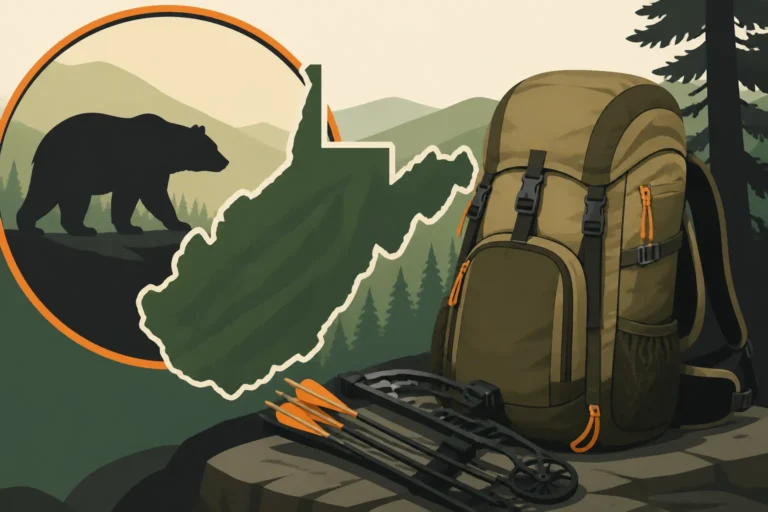
Selecting a daypack for a West Virginia backcountry bear hunt involves evaluating terrain demands, weather variables, and meat-packing capacity.
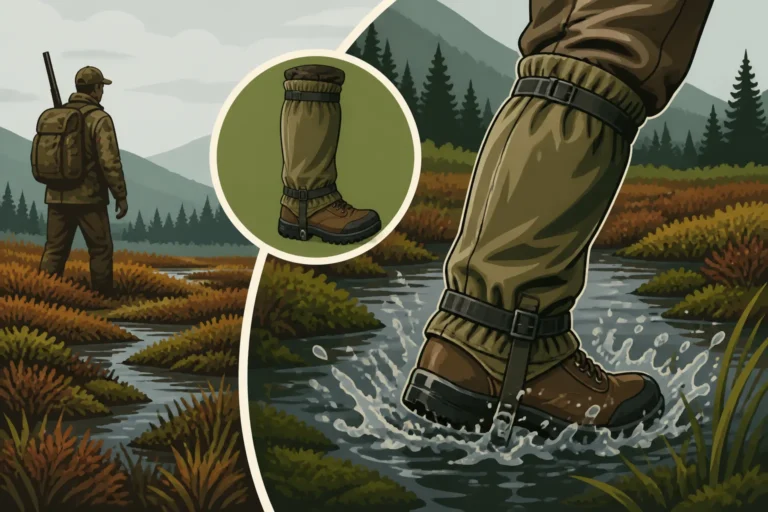
Gaiters protect West Virginia hunters from icy water in mountain bogs, keeping feet dry during Monongahela National Forest trips.
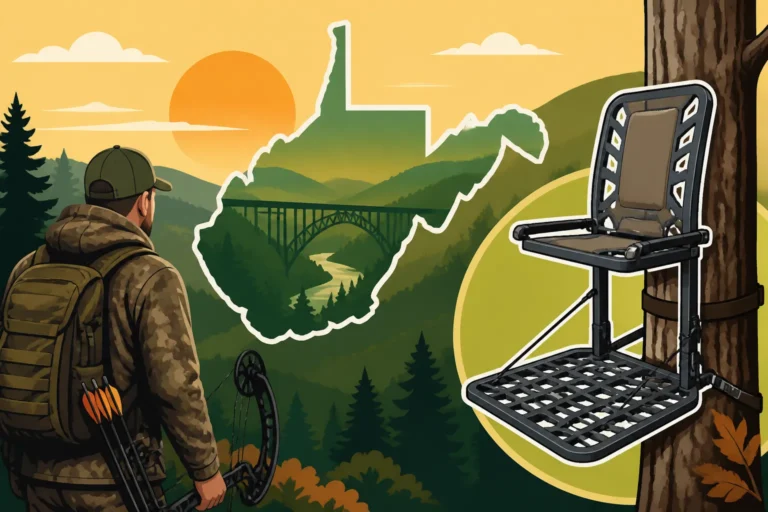
Portable treestands give West Virginia public land hunters the mobility needed to adapt to changing deer patterns and pressure.

Trekking poles provide West Virginia hunters with stability and safety while navigating steep ridges, wet leaves, and uneven mountain terrain.
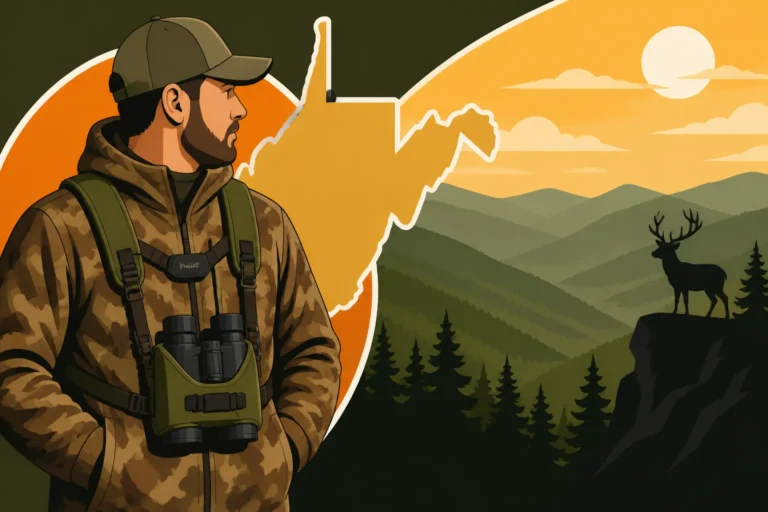
Binocular harnesses distribute weight, protect optics from mountain weather, and provide instant access during West Virginia hunts.
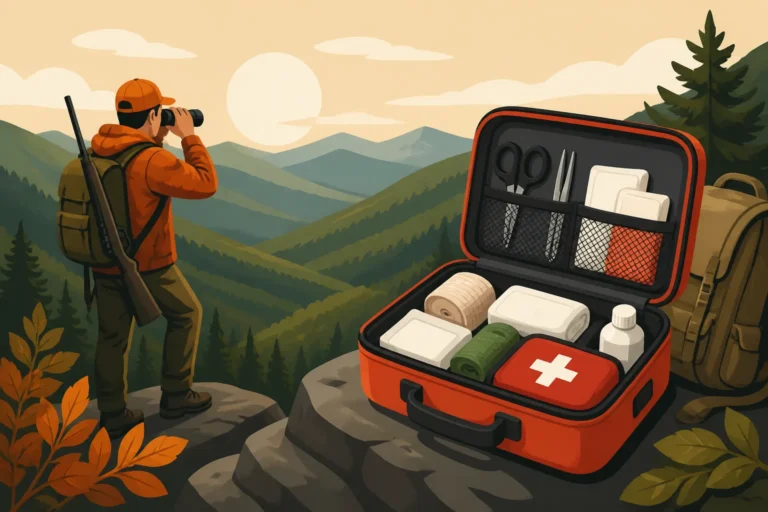
Specialized first aid kits for West Virginia highlands hunting help stabilize injuries and prevent conditions from worsening.
Reliable headlamps for West Virginia hunters provide safe navigation, hands-free field dressing, and effective blood trailing after dark.
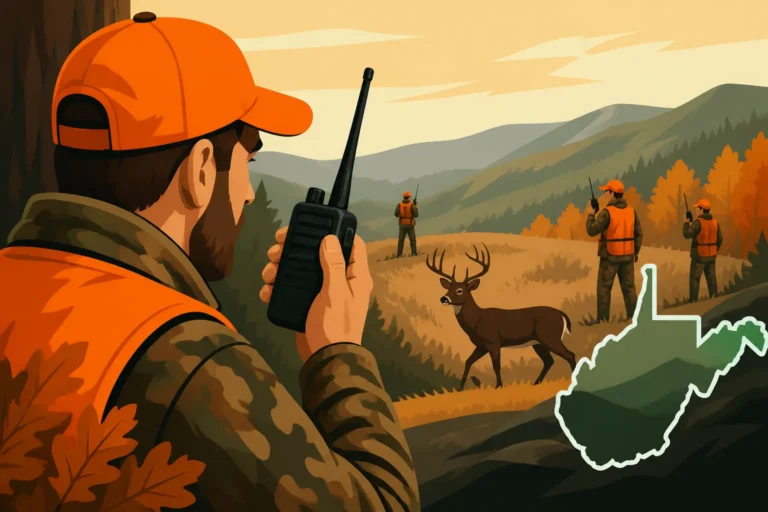
Two-way radios for West Virginia deer drives improve safety and coordination across steep mountains and thick laurel.
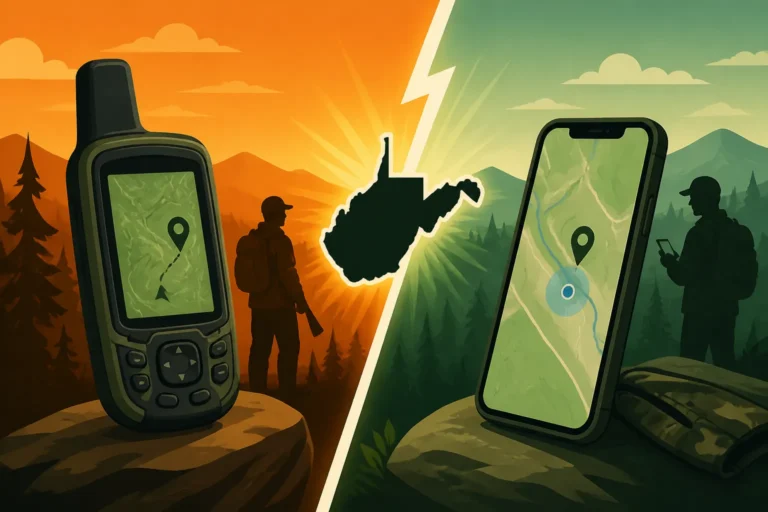
Smartphone hunting apps and dedicated GPS units compared for navigation across the rugged terrain of West Virginia.
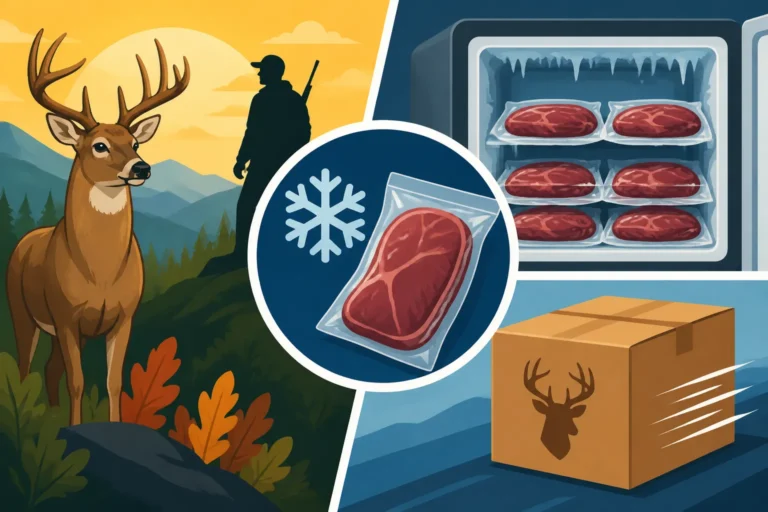
Proper freezing and shipping methods for West Virginia game meat ensure venison, bear, and turkey arrive safely.