Freezing and Shipping Game Meat
After the thrill of a successful hunt in West Virginia, whether it's a big buck from the Monongahela National Forest Hunting or a gobbler from the Eastern Panhandle, the real work begins. Many hunters face the challenge of how to properly freeze and then, crucially, how to ship that hard-earned game meat, especially when they're far from home or sharing with family. This guide will walk you through the essential steps to ensure your venison, bear, or turkey arrives at its destination safely, deliciously, and in compliance with all necessary regulations.
From Field to Freezer: Ensuring Quality Game Meat
The quality of your wild game meat when it reaches the dinner table starts the moment an animal is harvested. How you handle that animal in the field, process it, and prepare it for freezing makes all the difference in taste and longevity. This isn't just about following rules; it's about respecting the animal and making the most of your harvest.
The Critical First Steps After the Harvest
No matter what you've harvested, getting the animal cooled down quickly is paramount. This is especially true during West Virginia's warmer early archery seasons or if you're hunting hogs year-round. Heat is the enemy of fresh meat, promoting bacterial growth that can quickly diminish quality. As soon as possible after the shot, begin the field dressing process. This removes the internal organs, allowing the body cavity to cool. If you're on a multi-day hunt or far from your vehicle, consider getting the hide off the animal if temperatures are high, even if it's just partially skinned to expose major muscle groups to air.
For deer, prompt field dressing and cooling are non-negotiable. If you're Field Dressing a Deer in Cold Weather, you might have a little more leeway, but still, don't delay. Prop open the chest cavity with a stick or spreader to maximize airflow. If you have ice available, stuffing bags of ice into the cavity can dramatically speed up cooling, especially if the ambient temperature is above 40 degrees Fahrenheit. Many hunters overlook this step, only to wonder later why their meat has an off-flavor. Always remember, rapid cooling is the foundation of good game meat.
Preparing Your Game for Long-Term Storage
Once your animal is back at camp or your processing facility, the next stage is breaking it down. For optimal flavor and tenderness, allowing the meat to age in a cool, controlled environment for several days can make a huge difference, particularly with deer. However, this requires consistent temperatures between 34-40 degrees Fahrenheit. If you don't have access to a walk-in cooler, this step might be impractical or risky. In such cases, it's better to process and freeze sooner rather than risk spoilage.
When you're ready to butcher, work on clean surfaces with sharp knives. Remove all fat, silver skin, and connective tissue. These elements can contribute to a "gamey" flavor and don't freeze well, often turning rancid faster than the muscle meat itself. Cut your meat into usable portions – roasts, steaks, stew meat, or grind for burger. Thinking ahead about how you'll cook the meat can guide your cuts. For instance, large primal cuts are great for roasting, while smaller, uniform pieces are perfect for grilling. Ensure all bone fragments are removed; nobody wants to bite into bone.
Preventing Freezer Burn and Maximizing Freshness
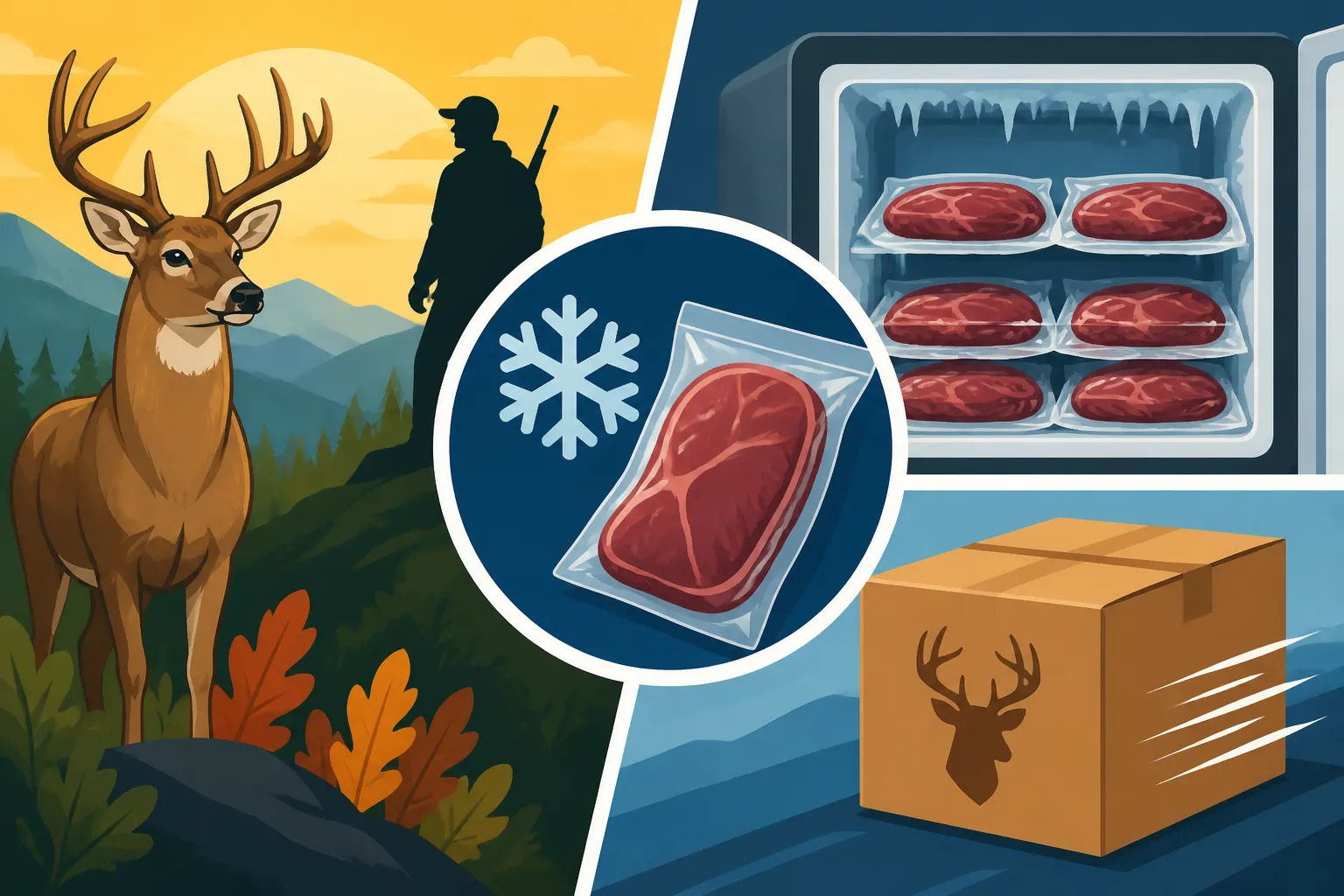
Freezer burn is the bane of stored game meat. It occurs when meat is exposed to air in the freezer, leading to dehydration and a dry, discolored, and unappetizing texture. The best way to combat this is through proper packaging. Vacuum sealing is by far the superior method for long-term storage. A good vacuum sealer removes all air from around the meat, creating an airtight seal that can protect your game for over a year, sometimes even longer.
If you don't have a vacuum sealer, don't despair! You can still achieve good results with heavy-duty freezer bags or butcher paper, though the storage time will be shorter, typically 6-9 months. When using freezer bags, try to squeeze out as much air as possible before sealing. Double-bagging can add an extra layer of protection. For butcher paper, wrap the meat tightly, ensuring no air pockets. Then, wrap it again in a second layer, sealing all edges with freezer tape. Always label your packages with the type of meat, the cut, and the date it was frozen. This prevents the dreaded "mystery meat" situation and helps you rotate your stock, ensuring you're eating the oldest meat first. Checking your freezer regularly to make sure everything is sealed tight and no packages are accidentally open or torn can go a long way in preserving quality.
| Packaging Method | Air Removal | Storage Time (Approx.) | Freezer Burn Protection | Best For |
|---|---|---|---|---|
| Vacuum Seal | Excellent | 12-24 months | Excellent | All cuts, long-term |
| Heavy Freezer Bag | Good | 6-9 months | Good | Shorter-term, smaller cuts |
| Butcher Paper | Moderate | 4-6 months | Moderate | Larger cuts, shorter-term |
| Standard Zip-Loc | Poor | 2-4 months | Poor | Very short-term, not recommended |
Packaging Your Wild Game for the Journey
Once your game meat is properly frozen, you might decide you want to share it with family across state lines or bring it home from a West Virginia hunt. Shipping frozen meat requires careful planning and the right materials to ensure it stays frozen during transit. The last thing you want is a thawed, spoiled package arriving at its destination.
Choosing the Right Insulation and Container
The foundation of successful meat shipping is an excellent insulated container. You're looking for something that can maintain a stable internal temperature for an extended period, often 24-72 hours, depending on your chosen shipping speed. High-quality foam coolers, often made from expanded polystyrene (EPS) or even more robust polyurethane, are your best bet. These are much more effective than standard picnic coolers you might pick up from a big box store, which are designed for short outings, not cross-country shipping.
When selecting your cooler, consider both its insulating properties and its durability. It needs to withstand the rigors of shipping without breaking apart. Some companies specialize in insulated shipping containers that are specifically designed for perishables. Think about the volume of meat you're sending and choose a cooler that can be packed as full as possible, as less empty space means less air to warm up. Once the meat is inside, fill any remaining gaps with crumpled newspaper or additional insulating material to minimize air movement and further stabilize the temperature. This attention to detail can make all the difference, especially if your package encounters unexpected delays during its journey.
Dry Ice Versus Gel Packs: What's Best for Shipping?
This is a common question, and the answer largely depends on how long your package will be in transit and what type of meat you're sending. Both dry ice and gel packs have their advantages, but they operate differently.
Dry ice is frozen carbon dioxide and is much colder than regular ice, around -109 degrees Fahrenheit. It doesn't melt into liquid but sublimates directly into a gas, leaving no mess. This extreme cold makes it ideal for keeping items deeply frozen for longer durations, typically for shipments lasting 24-72 hours. The key is to handle dry ice with gloves, as direct contact can cause frostbite. Place it on top of your frozen meat, as cold air sinks. You'll need about 5-10 pounds of dry ice for every 24 hours of transit in a standard shipping cooler. However, dry ice can be harder to find, and some carriers have specific regulations regarding its use due to the gas it produces. Always check with your chosen carrier about their dry ice policies.
Gel packs, on the other hand, are essentially super-cold reusable ice packs. They don't get as cold as dry ice, typically staying around 0-32 degrees Fahrenheit, but they last longer than regular ice and don't create water when they melt. Gel packs are excellent for keeping items chilled or frozen for shorter transit times, usually 24-48 hours. They are easier to find, safer to handle, and have fewer carrier restrictions. For shipping frozen game meat, you'll want to use a substantial number of deeply frozen gel packs, completely surrounding your vacuum-sealed meat, especially if you're not using dry ice. A combination of both can be effective for longer trips if carrier rules allow it. For example, if you're getting ready for a hunt in the Hunting the Potomac Highlands, knowing your meat will be safe for the trip home is crucial.
Navigating the Shipping Logistics
Shipping frozen game meat isn't as simple as dropping a box at the post office. There are regulations to consider, documentation to prepare, and specific carrier requirements to meet. Skipping these steps can lead to delays, spoiled meat, or even legal issues.
Understanding Carrier Regulations and Best Practices
When it comes to shipping perishable goods like game meat, major carriers like UPS and FedEx are generally your best options. The United States Postal Service (USPS) has very strict rules and typically does not recommend shipping frozen perishables, or at least not with the same level of service and protection as private carriers. This is a critical distinction that many hunters overlook.
Both UPS and FedEx have specific guidelines for shipping frozen food, usually requiring express services (Next Day Air, 2nd Day Air) to minimize transit time. They generally recommend using sturdy, insulated containers and proper coolants (dry ice or gel packs). You'll need to check their respective websites for the most current and detailed information on their policies, as these can change. For example, some carriers might have limits on the amount of dry ice you can use or specific labeling requirements for packages containing it. Paying for expedited shipping might seem costly, but it's a small price to pay to ensure your hard-earned meat doesn't spoil. Imagine successfully Hunting the West Virginia Rut in November and then losing your trophy venison to a shipping mishap!
Labeling, Documentation, and Legal Considerations
Proper labeling is non-negotiable. Beyond the standard shipping label with recipient and sender addresses, if you're using dry ice, you'll likely need a special UN 1845 label indicating the presence of dry ice and its net weight. Some carriers also require a "Perishable" sticker. It's always a good idea to clearly mark the package with "FROZEN FOOD" or "PERISHABLE" on multiple sides.
Beyond labeling, documentation can be important, especially if you're shipping across state lines. While shipping legally harvested game meat for personal consumption is generally allowed, it's wise to carry proof of legal harvest, such as a copy of your hunting license and harvest tag. While not usually required on the package itself by carriers, having this documentation handy could be beneficial if there are any questions or inspections. Always be aware of West Virginia's own game checking requirements, like West Virginia Deer Reporting Requirements, before even considering shipping. Some states have specific rules about importing game meat, especially regarding Chronic Wasting Disease (CWD). If you're hunting in or shipping from a CWD-affected area, like those in the West Virginia's Chronic Wasting Disease Counties, you must be extra vigilant about carcass movement restrictions. Always check the regulations of both the originating state (West Virginia) and the destination state regarding CWD and the transport of cervid carcasses or parts.
Finally, while general hunting apps like GoHunt can be great for scouting new areas, like Scouting West Virginia Public Land Before Season, or navigating unfamiliar terrain, they typically don't cover shipping logistics. For that, your primary resources should be the official websites of the shipping carriers and the wildlife agencies of both the sending and receiving states. A little research upfront can save a lot of headaches – and potentially, a lot of delicious wild game – down the road.
Disclaimer
This article is for general informational purposes only and does not constitute professional advice. Laws, prices and regulations vary by location and change over time. Consult a qualified professional for guidance on your specific situation.