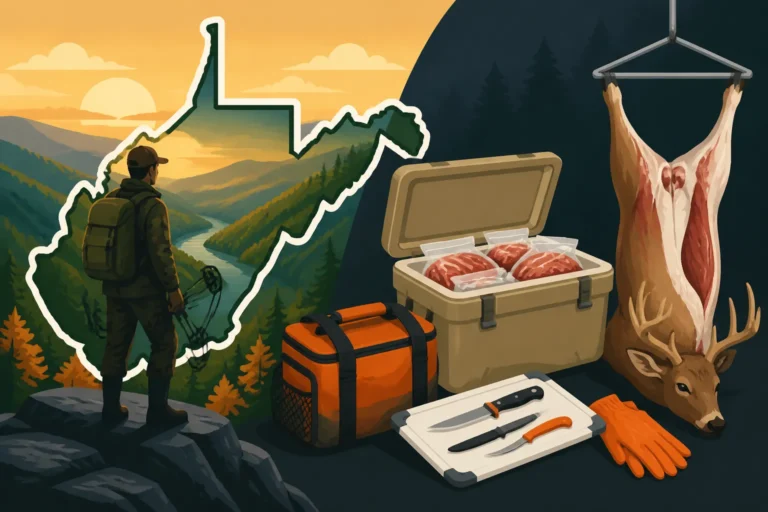
Game Bags for Warm September Days
There's nothing quite like the crisp air of a West Virginia autumn, but let's be honest, early archery season in September can often feel more like summer. You've put in the scouting, practiced your shot, and finally connected with a beautiful buck or doe, only to face the agonizing worry that all your hard work might be undermined by the relentless heat. This guide is here to walk you through how to properly use game bags to protect your precious venison, ensuring that even on those surprisingly warm September days, your harvest makes it to the freezer in prime condition.
The Real Challenge: Why September Heat Threatens Your West Virginia Venison
When that early September sun beats down on the Allegheny Mountains or the rolling hills of the Eastern Panhandle, it creates a formidable foe for any hunter. We dream of cool, crisp mornings, but reality often hands us a sticky, humid start to the season. This isn't just about hunter comfort; it's a critical factor in meat preservation. Understanding the specific dangers of warm weather to your venison is the first step in combating them effectively.
The Rapid Clock of Bacterial Growth
Heat is the enemy of fresh meat. As soon as an animal is down, the clock starts ticking. Warm temperatures create an ideal breeding ground for bacteria, which quickly begin to degrade the meat. This isn't just about spoilage; it can also affect the flavor and tenderness of your venison. In West Virginia, where retrieval can often mean navigating steep hollows and thick laurel patches, every minute counts. A deer that might be recoverable in a few hours on a frosty November day could be at serious risk in the same timeframe during a 75-degree September afternoon. You need a plan, and that plan starts with addressing internal heat and external contamination.
The internal body temperature of a deer is around 100 degrees Fahrenheit, even after death. The goal is to bring that temperature down as quickly as possible. When you’re hunting in areas like the Monongahela National Forest, where temperatures can swing wildly from morning to midday, planning for the worst (meaning the warmest) is crucial. A delayed recovery, combined with warm ambient temperatures, can quickly lead to irreversible damage. Imagine the frustration of finally reaching your trophy, only to find the meat already turning. This is a common, heartbreaking scenario for those who don't prioritize proper meat care from the moment of the shot.
Insects and Other Contaminants
Beyond bacterial growth, warm weather brings out another menace: insects. Flies are particularly attracted to exposed meat and can lay eggs within minutes, leading to maggot infestation that renders large portions of your harvest inedible. While buzzing flies are a nuisance in any season, they become a critical threat when temperatures are elevated. It's not just flies; dust, dirt, leaves, and other debris from the forest floor can also cling to exposed meat during the field dressing and dragging process, creating further opportunities for contamination.
Dealing with these contaminants requires more than just a quick rinse at home; prevention is key. Think about those long drags down a logging road or through dense brush – without protection, your hard-earned venison becomes a magnet for everything you want to avoid. The challenge is amplified if you're hunting in remote areas where immediate access to running water or a cooler isn't an option. This is where the right game bags truly shine, providing a barrier against these external threats while still allowing the meat to breathe and cool. When you're Hunting the Potomac Highlands, you know a long drag is always a possibility, making protection essential.
Choosing Your Lifeline: Types of Game Bags and Their Benefits
Okay, so we've established the problem. Now let's talk about the solution: game bags. These aren't just glorified trash bags; they are purpose-built tools designed to protect your meat in the field. Understanding the different types and their specific benefits will help you make the best choice for your West Virginia hunting adventures, especially during those unpredictable early season temperatures.
Traditional Cotton vs. Advanced Synthetic Materials
For years, many hunters relied on simple, lightweight cotton game bags. These bags are breathable and affordable, doing a decent job of keeping flies off and allowing some air circulation. They're a classic for a reason, offering a basic level of protection that's certainly better than nothing. However, they do have their drawbacks. Cotton can absorb moisture, which can make the bags heavier and potentially lead to bacterial growth if the meat isn't drying quickly enough. They can also tear more easily, especially when loaded with heavy, bone-in quarters or when dragged over rough terrain.
Enter the modern era of game bags, dominated by advanced synthetic materials. Brands like those available through providers sometimes focus on gear for specific hunts, and while not a game bag brand, they exemplify the trend toward specialized equipment for specific conditions. These synthetic bags, often made from durable, lightweight, breathable fabrics, offer superior protection. They are designed to be tear-resistant, reusable, and often feature a tighter weave that keeps even tiny gnats out while still allowing the meat to "breathe" and form a protective dry crust. They don't absorb blood and moisture like cotton, making them easier to clean and less prone to becoming a breeding ground for bacteria themselves. Look for bags that boast a good strength-to-weight ratio, as you'll be packing them in and out of some rugged country.
The Importance of Breathability and Protection
No matter the material, the primary functions of a game bag are breathability and protection. Breathability is critical for allowing the meat to cool down and form a dry crust, which is a natural barrier against bacterial growth. If meat is sealed in a non-breathable bag (like a plastic garbage bag), moisture gets trapped, creating a perfect humid environment for bacteria to flourish, leading to a slimy, spoiled mess. This is often referred to as "sweating" and it's something you absolutely want to avoid with your venison.
Simultaneously, the bag must provide a robust barrier against external contaminants. This means keeping flies, dirt, leaves, and even smaller insects like gnats from coming into contact with the meat. A good game bag acts as a shield, ensuring that once you've field dressed your animal, the meat remains as clean and uncontaminated as possible until you can get it to a cooler or processing facility. This dual function is what makes game bags indispensable for any serious hunter, especially when trying to save that deer on a warm West Virginia day. It's a key part of your strategy, just like knowing Deer Drives With Three or Four Hunters can be a strategy for recovery.
| Feature | Traditional Cotton Game Bags | Advanced Synthetic Game Bags |
|---|---|---|
| Material | Natural cotton weave | Proprietary synthetic blends (e.g., nylon, polyester mesh) |
| Durability | Moderate; prone to tearing on sharp bone/snags | High; resistant to tears, punctures, and abrasion |
| Breathability | Good; allows air circulation | Excellent; often designed for optimal airflow |
| Water Absorption | High; absorbs blood and moisture | Low; resists moisture absorption, often quick-drying |
| Insect Protection | Good against larger flies; less effective against gnats | Excellent; tighter weave keeps out even small insects |
| Reusability | Generally reusable, but can stain and hold odors | Highly reusable; easy to wash, dry, and store, resists odors |
| Weight | Relatively lightweight when dry | Very lightweight, even when wet |
| Cost | Generally more affordable | Typically a higher upfront cost |
| Best Use | Casual use, cooler weather, short recovery times | All-weather, backcountry, extended recovery, premium meat care |
Mastering Warm-Weather Meat Care with Game Bags
Having the right game bags is only half the battle; knowing how to use them effectively in warm weather is where the real skill comes in. It's a systematic approach, starting from the moment the deer hits the ground and continuing until the meat is safely in your cooler. This comprehensive strategy will minimize spoilage risks and ensure you get the most out of your West Virginia harvest.
Field Dressing and Quartering in the Field
The absolute first step to combating heat is rapid field dressing. Don't delay. Get the guts out immediately to allow the body cavity to begin cooling. This is paramount. If you're planning for a long pack-out or anticipate warm temperatures, consider quartering your deer in the field. This means removing the four quarters, the backstraps, and the tenderloins, leaving the heavy bones and spine behind. Quartering reduces weight, making retrieval easier, and more importantly, it exposes more surface area of the meat to the air, accelerating the cooling process. Removing the hide at this stage, if conditions permit and you can keep the meat clean, further aids cooling.
Once the quarters are separated, it's crucial to get them into your game bags as quickly as possible. This protects them from flies and dirt while you work on the remaining pieces. For a backcountry hunt in a place like Monongahela National Forest Hunting, you might even carry specialized knives and a bone saw to facilitate clean quartering. Remember, a clean cut and quick action are your best friends in the fight against heat and bacteria. Every minute of exposure to warm air, and every speck of dirt, increases your risk.
Pre-Cooling and Hanging Strategies
After field dressing or quartering, the next critical step is pre-cooling. If you're in a situation where you can't immediately transport the meat to a cooler, finding a way to cool it down as much as possible in the field is essential. This often involves hanging the bagged quarters or the entire field-dressed carcass in a shady, breezy spot. The ideal location would be in a deep hollow or on a north-facing slope where the sun won't hit it directly. The goal is to maximize air circulation around the meat. Some hunters even carry a small, battery-operated fan for extreme situations, though this isn't always practical.
If you're hunting near a stream or creek, you might carefully use that cold water to help cool the meat, but ensure the water is clean and that the meat doesn't get soaked unnecessarily inside the bag. A better option might be to lay the bagged meat over a bed of ice if you have a cooler nearby that you can access. When scouting areas, especially for Hunting West Virginia's Long Archery Season, it's smart to identify potential hanging spots – sturdy trees in shaded, breezy locations – as part of your overall hunt plan. Platforms like GoHunt can be useful for scouting terrain features and potential shade pockets on your maps beforehand, helping you anticipate these needs.
Transportation and Final Processing
Once your meat is field-dressed, bagged, and pre-cooled as much as possible, transportation becomes the next challenge. For quarters, a good quality frame pack or specialized game hauling pack is invaluable. This keeps the meat elevated off your back, allowing for some airflow and preventing your body heat from transferring directly to the meat. Avoid tossing bagged quarters directly into the trunk of a hot car. Even if it’s a short drive, that enclosed, warm space can quickly undo all your hard work.
Instead, transport the meat in coolers packed with ice. Place a layer of ice on the bottom, then lay the bagged quarters on top, and cover them with more ice. Do not allow the bagged meat to sit in melted water, as this can degrade the meat and cause a phenomenon known as "waterlogging." Keep the drain plug open on your cooler and replenish the ice as needed. For longer drives, or if you're doing a multi-day hunt like Hunting Cranberry WMA Ridges, a steady supply of ice is your best friend. Upon arrival home or at the processor, the meat should be immediately processed or placed in a walk-in cooler. Proper use of game bags, combined with rapid cooling and intelligent transportation, ensures that your West Virginia venison will be delicious, tender, and safe to eat, even if your hunting day felt more like summer than fall.
Disclaimer
This article is for general informational purposes only and does not constitute professional advice. Laws, prices and regulations vary by location and change over time. Consult a qualified professional for guidance on your specific situation.