Coolers for an Early Archery Kill
There's nothing quite like the thrill of West Virginia's early archery season. The woods are still thick, the air is often warm, and the anticipation is palpable. But with that excitement comes a very real challenge: how do you keep your hard-earned venison from spoiling when those September and early October temperatures still feel like summer? Many hunters have faced the heartbreaking reality of meat gone bad, and it's a frustration we all want to avoid. This guide is here to walk you through choosing and using the right coolers to protect your meat, ensuring you bring home delicious, high-quality venison no matter how warm the weather gets.
The Unique Challenges of Early Archery Season in West Virginia
Hunting in the early archery season here in West Virginia isn't just about sharp broadheads and quiet movements; it's also a race against the clock and the thermometer. Unlike the crisp, cold days of late November or December, those early weeks can be deceptively warm, creating a perfect storm for meat spoilage if you're not prepared.
Unexpectedly Warm Temperatures
We've all been there: you wake up to a cool, crisp September morning, perfect for a silent stalk or a sit in the stand. But as the sun climbs over those Allegheny ridges, the temperature can quickly soar into the 60s, 70s, or even 80s. This isn't your grandfather's deer season; climate patterns mean we often experience extended periods of unseasonably warm weather well into what used to be considered "fall." A deer's body temperature is around 101-102 degrees Fahrenheit, and even after a quick, clean kill and immediate field dressing, that internal heat needs to dissipate fast. If the ambient air temperature is high, the meat can't cool down effectively, and bacteria begin to multiply rapidly. This accelerated bacterial growth is the primary culprit behind "gamey" tasting meat, and it's a heartbreaker when you've put in all that effort. You can practically feel the urgency to get that animal cooled down, and that anxiety is completely justified given the conditions. How West Virginia's Season Runs Archery to December truly emphasizes this warm beginning.
Remote Locations and Delayed Recovery
West Virginia offers some incredible hunting opportunities, especially on public lands like the Monongahela National Forest Hunting or various Wildlife Management Areas. These places are beautiful, but they often come with a trade-off: remote access and long hauls. Imagine this scenario: you make a perfect shot on a good buck deep in a hollow, two miles from the nearest logging road. The recovery takes an hour, and then the process of getting the deer out of that steep terrain begins. Each minute that passes, especially on a warm day, is another minute for that meat to stay warm. The sheer physical exertion of dragging an animal, even a field-dressed one, can further inhibit cooling. The longer the distance, the more rugged the terrain, and the higher the temperature, the more critical your post-kill plan becomes. Hunters often underestimate just how much time and effort it takes to get an animal from the point of harvest back to a vehicle capable of transport, especially when navigating West Virginia's challenging landscapes. This delayed recovery is where a solid cooler strategy becomes absolutely indispensable.
Choosing the Right Cooler for West Virginia Hunting
When you're trying to preserve an early archery season deer, not all coolers are created equal. The type of cooler you choose, and its size, can make all the difference in whether you enjoy delicious venison or regret your efforts.
Cooler Types and Their Advantages
Let's break down the main types of coolers you'll encounter and consider their pros and cons for keeping your West Virginia venison prime.
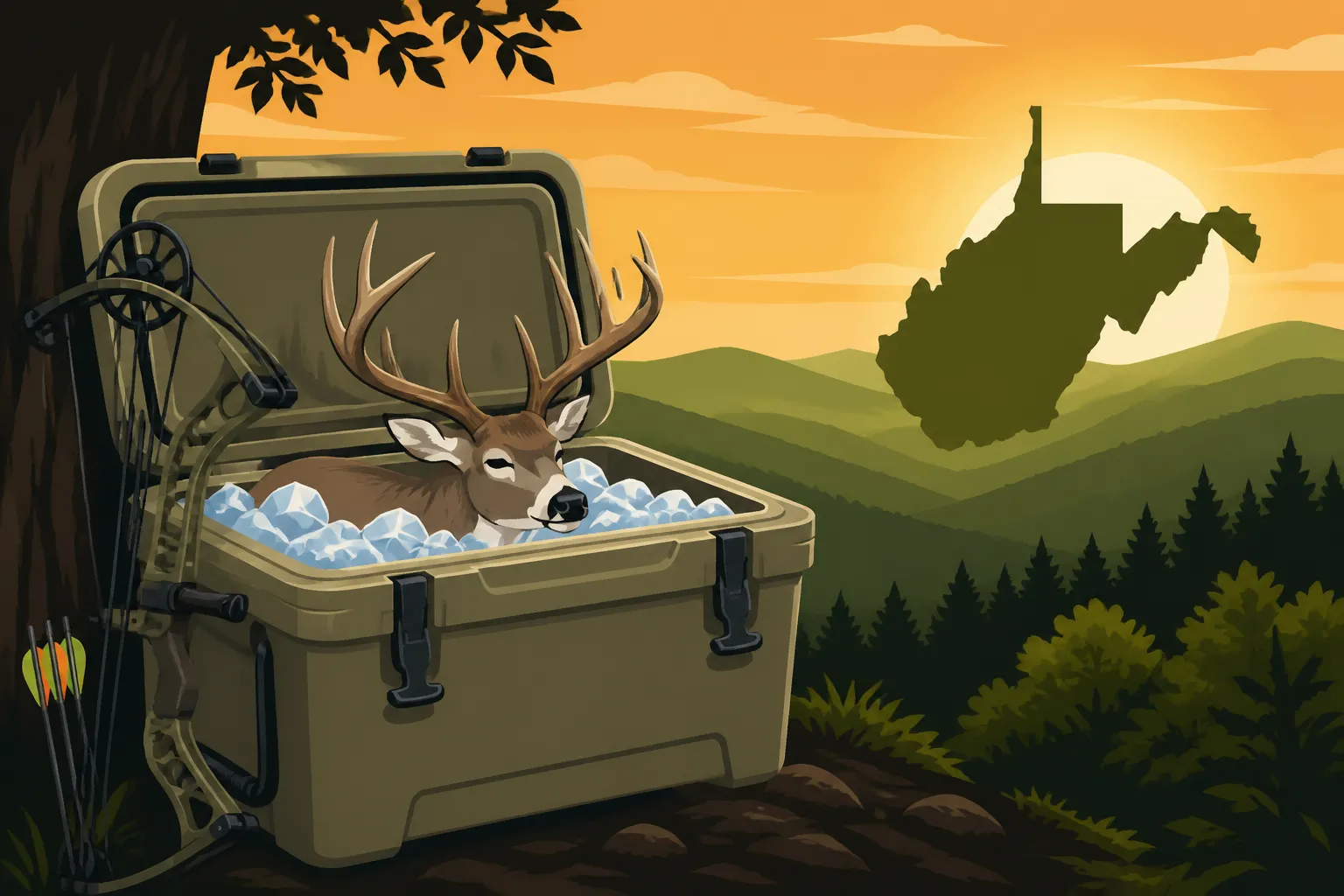
Rotomolded Coolers: These are the heavyweights of the cooler world, and for good reason. Brands like YETI, RTIC, Orca, and Grizzly (to name a few that GoHunt often features in their reviews) are built with a roto-molding process that creates a thick, seamless, and incredibly durable shell. Their insulation is often pressure-injected, leading to superior ice retention, sometimes for days on end, even in hot conditions. If you're hunting remote areas where resupplying ice isn't an option, or if you plan to quarter your deer and let it "age on ice" for a few days before processing, a rotomolded cooler is your best friend. They are rugged enough to withstand rough truck beds and steep trails, and they seal tightly to keep cold air in and warm air out. The main downsides? Their weight and their cost, but for serious game care, many hunters consider them a worthy investment.
Standard Insulated Coolers: Think Igloo or Coleman's more traditional offerings. These are often made with blow-molded plastic and typically have less dense insulation than their rotomolded cousins. They are significantly lighter and more affordable, making them a popular choice for many. While they won't hold ice for as long as a premium rotomolded cooler, they can still do a fantastic job for shorter trips or if you have easy access to replenish ice. For an early archery kill where you can get the deer back to camp or home relatively quickly (within a day or so), a well-managed standard cooler can absolutely suffice. The key is to pre-cool them thoroughly and use plenty of ice. They are a good entry point if you're not ready to commit to the higher price tag of a rotomolded model but still need reliable cooling.
Soft-Sided Coolers: These are more about portability and less about long-term ice retention. Brands like Hydro Flask, Engel, and even some offerings from GoHunt's gear partners often make these. They are excellent for carrying boned-out meat from smaller game, like squirrels or rabbits you might harvest while Squirrel and Small Game Hunting in West Virginia, or perhaps just a backstrap or two from a deer if you're processing in the field to the absolute minimum. They're lightweight and easy to carry, but they generally don't have the insulation or capacity for an entire deer's worth of quarters, especially not in warm weather. Think of them more as a supplemental cooler for specific cuts or smaller animals, or for drinks and snacks for yourself during the hunt.
Electric Coolers (or Powered Coolers): These coolers use a 12V power source (like your vehicle's cigarette lighter) to cool their contents. While they can keep things cool without ice, they typically don't reach refrigerator temperatures and are often more suited for keeping already cold items chilled. They also require constant power and aren't ideal for raw game meat that needs rapid cooling in remote, off-grid scenarios. We won't delve too deep into these, as their practical application for immediate post-harvest meat care in the field is usually limited.
Here's a quick comparison to help you visualize:
| Cooler Type | Ice Retention (Warm Weather) | Durability | Portability | Initial Cost | Ideal Use Case |
|---|---|---|---|---|---|
| Rotomolded | Excellent (3-7+ days) | High | Moderate-Low | High | Multi-day hunts, remote locations, aging meat on ice, maximum peace of mind |
| Standard Hard | Good (1-3 days) | Moderate | Moderate-High | Moderate | Day hunts, quicker transport to processor/home, budget-conscious |
| Soft-Sided | Fair (less than 1 day) | Moderate | High | Moderate-Low | Boned-out small game, specific cuts, supplemental cooler, short-term use |
Sizing Your Cooler for a Deer
Choosing the right size cooler is just as important as choosing the right type. You don't want to show up with a cooler too small to hold your deer, nor do you want one so massive it's impractical to move. The ideal size will depend on whether you plan to quarter the deer (leaving bone in) or bone it out completely (removing all bone).
For a typical West Virginia whitetail, which might weigh anywhere from 100 to 200 pounds live weight, you're usually looking at around 50-100 pounds of boned-out meat. If you're quartering the animal, including the bone, it takes up significantly more space. Many experienced hunters find that a 75 to 120-quart rotomolded cooler is sufficient for a quartered deer, especially if you get a good, long model that accommodates the length of the backstraps and hindquarters. If you plan to fully bone out the animal in the field, you might get away with something slightly smaller, perhaps 65-85 quarts, as boneless meat packs much more efficiently.
If you're an ambitious hunter hoping for a really big buck or considering a scenario where you might help a hunting buddy with their harvest, a 150-quart or even 200-quart cooler might be worth considering. While massive, they offer unmatched capacity. For public land hunting, especially in the rugged Potomac Highlands Public Land, getting a huge, heavy cooler far into the woods is impractical. This is where field processing comes into play. The "gutless method" is an excellent technique for quickly boning out a deer in the field, reducing both bulk and initial heat, making it much easier to pack into smaller coolers or game bags for transport. Remember, you're not trying to fit the whole animal in there, just the cleaned meat. Whether you choose to bone out the animal in the field or quarter it for transport depends on your comfort level and the situation, but planning for either will help determine your cooler size. Check out articles on Butchering a Deer at Camp for more on processing options.
Strategies for Effective Meat Care with Your Cooler
Having the right cooler is only half the battle. Knowing how to use it effectively, especially when the weather is warm, is what truly protects your venison. It’s all about rapid cooling, cleanliness, and thoughtful management.
Pre-Cooling and Ice Management
This is perhaps the most overlooked, yet critical, step in early season meat care: pre-cooling your cooler. Think about it like this – if you put a hot deer quarter into a warm cooler, all that valuable ice is going to be wasted just bringing the cooler itself down to temperature before it can even start on the meat. Days before your hunt, load your cooler with ice (or even frozen gallon jugs of water) and let it sit with the lid closed. Drain the meltwater and repeat if necessary. By the time you head out, your cooler should be thoroughly chilled, ready to accept warm meat without immediately melting all your fresh ice. This simple step can add hours, if not days, to your ice retention.
Now, let's talk ice. Not all ice is created equal. Block ice melts much slower than cubed ice because it has less surface area exposed to the air and warm meat. A combination is often best: a layer of block ice on the bottom for long-term cooling, and then cubed ice mixed in with your game bags to get good contact and quickly draw heat out. For really warm conditions, some hunters even use a small amount of dry ice placed on the bottom (never in direct contact with meat, always separated by cardboard or towels) as it creates a much colder environment, though it's important to use it with extreme caution and ensure proper ventilation. When you're packing, fill any empty space in your cooler with extra ice, towels, or even crumpled newspaper – this reduces air circulation and helps the ice last longer. Remember, every time you open that lid, you're letting cold air out, so try to keep it shut as much as possible.
Field Processing and Placement
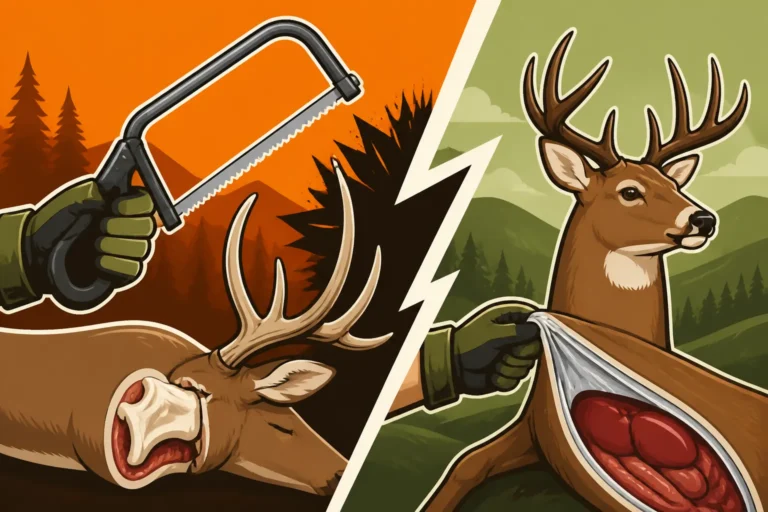
The moment of truth arrives: you've harvested your deer. The very first step, even before thinking about the cooler, is to field dress the animal immediately and thoroughly. Removing the guts allows the body cavity to begin cooling internally and prevents bacterial growth from the digestive tract. If temperatures are high, and especially if you're on public land like the Hunting Potomac Highlands Public Land where dragging out a whole deer is a monumental task, consider skinning and quartering or boning out the deer right there. This maximizes cooling surface area and makes transport much easier.
Once your meat is processed (either quartered or boned out), it's crucial to protect it from dirt, insects, and moisture. This is where game bags come in. High-quality game bags are breathable, allowing the meat to "breathe" and form a protective crust, while keeping flies and debris off. Never put bare meat directly into the cooler without a bag, especially if it's going to be sitting on ice or in meltwater. Waterlogging meat can degrade its quality and flavor. Instead, place your game-bagged meat on the ice, not submerged in meltwater. Many hunters will even place a grate or a few small sticks on the bottom of the cooler to lift the meat slightly above any standing water, ensuring it stays dry while still getting the benefit of the cold. Always ensure good airflow around the bags if possible, though in a packed cooler, direct contact with ice is the priority. For more on this, check out Game Bags for Warm September Days.
Transport and Long-Term Considerations
After the field work is done and your meat is safely packed on ice, the journey home begins. Make sure your cooler is securely fastened in your vehicle – a cooler full of meat and ice can be surprisingly heavy, and you don't want it sliding around or flipping over on those winding West Virginia backroads. If the sun is beating down, cover your cooler with a blanket or tarp to shield it from direct sunlight, which can quickly warm the exterior and melt ice faster.
During transport, especially if you have a long drive from a remote hunting area like the Hunting Ohio River Valley Bottomland back to the more populated areas, periodically check your ice. If you notice a lot of meltwater, drain it and add more ice if needed. The goal is to keep the meat constantly surrounded by cold. Once you get home or to your hunting camp, you have a window of opportunity to fully process your deer. Depending on how well the meat has been kept cold, you can safely leave it on ice for several days, draining meltwater and adding fresh ice daily. This period can even act as a controlled aging process, improving tenderness and flavor. Aim to get your venison to a butcher or into your home processing setup as soon as realistically possible to maximize quality.
Avoiding Common Pitfalls and Ensuring Quality
Even with the right gear, mistakes can happen. Understanding the dangers and planning for potential snags can save your hard-won venison from spoilage and ensure every meal tastes as good as the hunt felt.
The Dangers of Heat and Contamination
The biggest enemy of your early season venison is prolonged heat. Heat provides the perfect environment for bacteria to multiply, leading to spoilage, off-flavors, and that unpleasant "gamey" taste that many wrongly attribute to the deer itself. Often, "gamey" meat is simply meat that wasn't cooled fast enough or kept clean enough. You'll know meat is spoiling if it has a strong, unpleasant odor, feels slimy, or starts to turn green. These are signs that bacteria have taken over, and at that point, the meat is usually unsalvageable.
Contamination is another major concern. Always use clean hands, sharp, sanitized knives, and clean surfaces when field dressing and processing. Dirt, hair, gut contents, and even flies can introduce bacteria to the meat. That's why game bags are so crucial, not just for protection, but also for hygiene. Avoid dragging your deer through puddles or mud after field dressing. If you're using water to clean any blood, make sure it's potable and not from a stagnant pond. Every step you take to keep the meat clean and cool contributes directly to its quality and safety.
Planning for the Unexpected
Even the best-laid plans can go awry in the dynamic environment of a West Virginia hunt. What if you make a successful shot on a hot day, but the deer runs deep into a thicket, requiring a longer-than-expected recovery? What if you're hunting remote public land and your vehicle is further than anticipated? This is where contingency planning comes in.
Always carry more ice than you think you'll need in your primary cooler, or consider bringing a secondary, smaller cooler filled with extra ice just for emergencies. If you find yourself far from the truck with a downed deer, using methods like the gutless technique to bone out the animal and pack the meat into sturdy game bags is vital. You can then use a sturdy pack frame or even a deer cart (if the terrain allows, though West Virginia's terrain often doesn't) to carry the meat out in pieces. Articles like Sleds and Drags for Steep Country can offer ideas for difficult recoveries.
Another smart move is to always pack a dedicated game care kit in your hunting pack. This should include sharp, clean knives, a small sharpener, surgical gloves, a few quality game bags, and perhaps some sanitizing wipes. This ensures you're ready to act quickly and cleanly no matter where your deer drops. Packs for a Monongahela Forest Day Hunt often detail what essentials to carry. Being prepared for the toughest scenario will ensure that even on those surprisingly warm early archery days, your West Virginia venison makes it to the table in peak condition.
Disclaimer
This article is for general informational purposes only and does not constitute professional advice. Laws, prices and regulations vary by location and change over time. Consult a qualified professional for guidance on your specific situation.