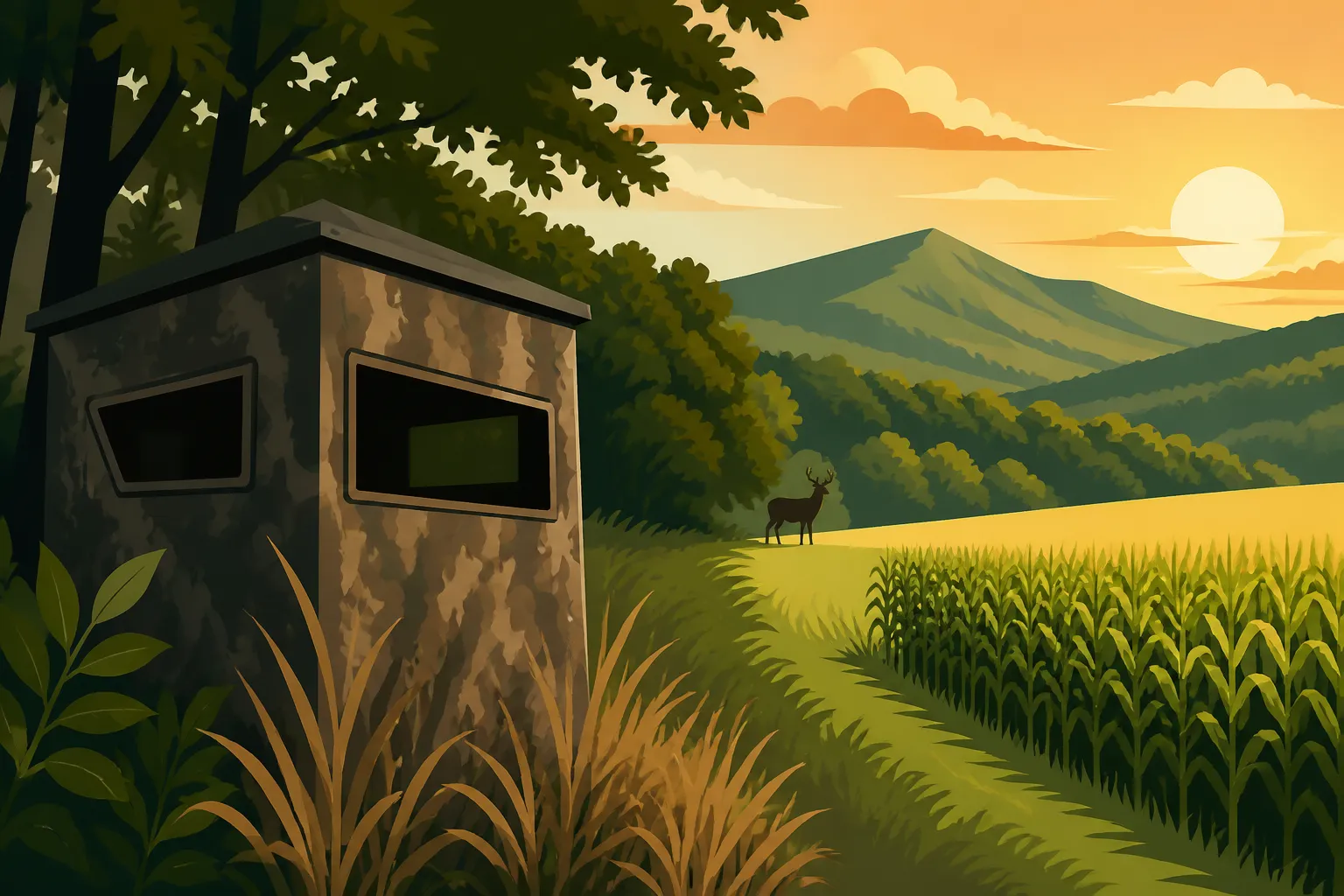
Ground Blinds on West Virginia Field Edges
There's nothing quite like the heartbreak of watching a beautiful West Virginia whitetail skirt the edge of a field, just out of range or in a spot where you simply couldn't get a shot. It's a common frustration, especially when you've put in the time scouting only to have deer use an unexpected entry or exit point. This guide is all about mastering the art of hunting West Virginia field edges from a ground blind, giving you the tools to turn those frustrating near misses into successful hunts.
Why Ground Blinds Work on West Virginia Field Edges
Hunting field edges, whether it's a sprawling agricultural expanse in the Eastern Panhandle or a smaller food plot tucked into the mountains, presents unique opportunities and challenges. Ground blinds, when used correctly, can be an absolute game-changer, offering advantages that a treestand just can't always match, especially when deer are feeding or staging at the field's perimeter.
The Advantage of Field Edge Ambush
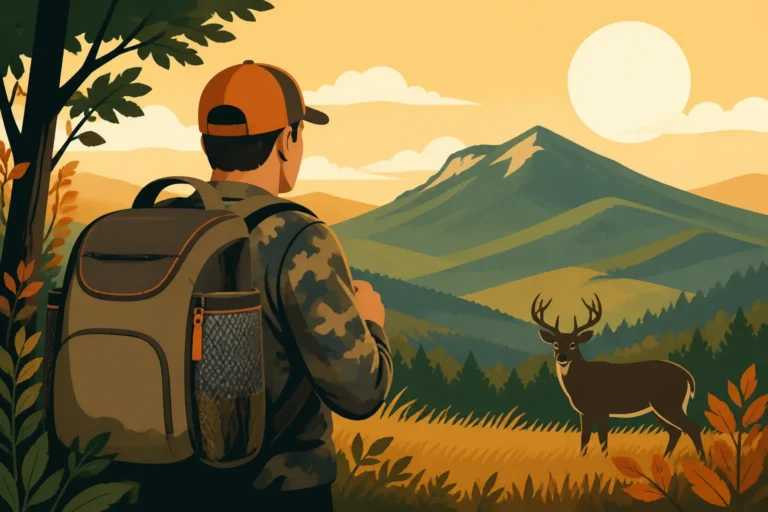
Deer, especially mature bucks, are creatures of habit but also incredibly wary. They'll often stage in thick cover just inside the woods line before cautiously stepping out into a field to feed. A well-placed ground blind allows you to set up an ambush right on that transition line, or even slightly into the field if conditions are right, giving you direct access to those critical movement patterns. Think about those crisp autumn evenings when deer pour into a standing soybean field, or the early morning fog lifting off a clover plot – a blind lets you be right there, hidden and ready. It's about intercepting them where they feel safest before they commit to open ground, or catching them as they filter back into cover. Hunting a Standing Soybean Field or Hunting a Clover Plot at First Light are prime examples of scenarios where a ground blind shines, allowing you to intercept deer as they come and go from these vital food sources.
Blending into the Landscape Naturally
One of the biggest hurdles with any ground setup is concealment. Deer have an incredible sense of smell and keen eyesight, and they're always on high alert for anything out of place. The beauty of a ground blind, particularly one designed for hunting, is its ability to mimic natural features when properly brushed in. Unlike a treestand, which can sometimes stick out like a sore thumb against a winter sky, a ground blind can be made to disappear into the existing vegetation along a field edge. We're talking about mimicking a brush pile, a cluster of small trees, or even an old farm structure. This natural blending is crucial for consistent success, especially as deer become more accustomed to human activity near fields. You want that blind to look like it's been there forever, part of the scenery, not something that popped up overnight.
Comfort and Weather Protection
Let's be honest, hunting in West Virginia can mean facing all four seasons in one day, sometimes within a few hours. From driving rain and biting winds to unexpected snow squalls, the weather can be brutal. Sitting on a cold, wet log or huddling under a flimsy poncho doesn't exactly make for an enjoyable or productive hunt. Ground blinds offer a significant advantage here: comfort and protection. They shield you from the elements, keeping you warmer and drier, which means you can stay on stand longer and remain more focused. This comfort isn't just a luxury; it's a practical tool that directly impacts your stamina and ability to wait out that trophy buck. Plus, being inside a blind means you can shift your weight, stretch a little, or even quietly check your phone without the risk of being silhouetted or spooking deer with subtle movements.
Choosing the Right Ground Blind for West Virginia
The market is flooded with ground blinds, and picking the right one can feel overwhelming. But for West Virginia field edge hunting, a few key characteristics stand out as crucial for success and durability in our unique environment.
Size and Capacity Considerations
When selecting a ground blind, think about your hunting style and how many people (or how much gear) you plan to have inside. Are you a solo archer who values maneuverability and a smaller footprint? Or do you often hunt with a youth hunter, a cameraman, or simply prefer extra space for your pack, heater, and maybe a quiet snack? Most blinds come in various sizes, from compact one-person models to spacious hubs designed for two or even three hunters. For field edge hunting, sometimes a larger blind can offer more shooting windows and flexibility, but it also means a bigger footprint to conceal. Consider your weapon choice too: bowhunters need more interior space for drawing and shooting lanes compared to rifle hunters. A good way to visualize this is to pretend you're setting up for your hunt inside the blind before you buy it – can you comfortably draw your bow without hitting the mesh? Can you swing your rifle to cover the entire field edge?
Material and Durability for Mountain Weather
West Virginia weather is notoriously unpredictable. What starts as a clear, crisp morning can quickly turn into a torrential downpour or a blustery snow shower. The material and construction of your ground blind are paramount. Look for durable, waterproof fabrics that can withstand prolonged exposure to sun, rain, and snow. Reinforced stitching, strong poles (fiberglass or aluminum are common), and robust hubs are indicators of quality. A cheap blind might save you a few bucks upfront, but it'll quickly degrade, rip, or collapse in our mountain winds and rain, leaving you exposed and frustrated. Consider how easily it packs down and whether it comes with a sturdy carrying bag. Many hunters in West Virginia leave their blinds out for weeks, even months, during the season, so knowing it can handle the abuse is key. For those longer deployments, you might want to look at a brand like GoHunt which offers heavier-duty options known for their longevity in tough conditions.
Camouflage Patterns and Visibility
The effectiveness of your ground blind hinges on its ability to disappear. While most blinds come in various camouflage patterns, think about the specific field edge environment you'll be hunting. Is it primarily hardwoods, pine thickets, cut cornfields, or grassy edges? A pattern that blends seamlessly with dark hardwoods in the early season might stick out horribly against a snowy field in late December. Many hunters opt for versatile patterns that feature a mix of greens, browns, and grays to cover a wide range of natural settings. Also, pay attention to the interior of the blind – a dark interior is crucial for minimizing your silhouette against the shooting windows. Some blinds feature a "black-out" interior coating specifically for this purpose. The mesh shooting windows are another critical element; they need to offer clear visibility out while maintaining good concealment in. Some mesh can be difficult to see through in low light, so it’s worth testing if possible.
Strategic Placement and Setup on Field Edges
Once you've got your blind, it's not enough to just plop it down. Strategic placement and thorough setup are what separate a "meh" hunt from a truly successful one. On West Virginia field edges, this means understanding deer movement and utilizing the natural environment to your advantage.
Identifying Key Entry and Exit Points
Deer don't just randomly wander into a field; they use specific funnels, trails, and travel corridors. Your job, as the hunter, is to identify these key entry and exit points and position your blind accordingly. Spend time scouting before the season. Look for well-worn trails leading from the timber to the field, pinch points created by terrain features, or even fence crossings. Often, deer will skirt the edges of fields, especially parallel to the woods, before stepping out to feed. Placing your blind just inside the tree line, overlooking one of these primary travel routes, can be incredibly effective. Use aerial maps, like those available through platforms such as GoHunt, to analyze the terrain and pinpoint potential travel corridors and pinch points where deer are most likely to enter or exit the field. Reading Aerial Photos for Eastern Panhandle Deer can provide valuable insights into identifying these crucial movements. Don't be afraid to experiment with different spots based on prevailing winds or recent sign like fresh tracks and droppings.
Utilizing Natural Cover and Backdrops
The goal is to make your ground blind invisible. The best way to achieve this is to tuck it into existing natural cover. Look for dense thickets, overgrown fence rows, clusters of small pines, or even large downed trees that can break up the blind's outline. Avoid placing it in the wide open where it will stand out like a tent. A natural backdrop is also crucial. Position the blind so that deer are looking into dense woods or a brushy hillside behind it, not towards an open skyline. This helps to further break up its silhouette and keeps deer from picking out the blind against a clear background. Think about the sun's position too – try to place your blind so the setting or rising sun is not directly in your eyes or shining directly onto the blind, which can make it glow. A well-chosen location means half the work of concealment is already done for you.
Brushing In Your Blind for Maximum Concealment
Even the best camouflage pattern can't fully hide a brand-new ground blind without some help. "Brushing in" your blind is a non-negotiable step for field edge hunting. This means using natural materials from the surrounding area to further break up its outline and integrate it into the landscape. Cut small branches, piles of leaves, deadfall, or even cornstalks if you're hunting an agricultural field, and strategically place them around and on the blind. Pay special attention to the corners and roofline, which often present harsh, unnatural angles. The goal is to make the blind look like part of the natural vegetation. Don't go overboard and create a solid wall, as you still need shooting lanes, but aim to soften every edge. Start brushing in your blind a week or two before you plan to hunt if possible; this gives animals time to get used to its presence. Brushing In a Blind on a Field Edge is a skill that takes practice, but it's one that directly leads to more deer feeling comfortable enough to step into your shooting lane.
Overcoming Challenges with Ground Blinds in West Virginia
While ground blinds offer many advantages, they also come with their own set of challenges, especially when dealing with the rugged terrain and varying conditions of West Virginia.
Dealing with Wind and Inclement Weather
West Virginia's mountainous terrain can create unpredictable wind currents, especially on ridgelines and across open fields. A poorly anchored ground blind is susceptible to being battered or even blown over by strong gusts, creating noise and potentially revealing your position. Always stake your blind down securely, using extra stakes or even adding heavy rocks inside if you're in a particularly exposed spot. Some hunters even use bungee cords to secure their blind to nearby trees if available. When rain hits, ensure the blind is properly set up to shed water, preventing leaks and puddles inside. A small tarp or piece of carpet on the floor can also help manage moisture and keep your gear dry. Remember, a dry and stable blind means you can focus on the hunt, not on fighting the elements.
Managing Scent Control on Field Edges
Scent control is always a critical factor in deer hunting, but it's amplified when hunting at ground level. Your human odor doesn't dissipate as easily as it might from a treestand, and field edges are often high-traffic areas where deer are keenly alert for danger. Always play the wind, positioning your blind so your scent blows away from known deer travel routes and feeding areas. Use scent-eliminating sprays, wash your hunting clothes in scent-free detergent, and store them in sealed bags. Consider wearing rubber boots to minimize ground scent. Some hunters even bring a small, battery-operated ozone generator for inside the blind, though opinions vary on their effectiveness. Regardless of your chosen method, maintaining a strict scent control regimen is vital to prevent deer from busting you before they even step foot into the field.
Respecting Property Lines and Public Land Rules
Hunting West Virginia often means navigating a patchwork of private and public lands. When setting up a ground blind on a field edge, it is absolutely paramount to know exactly where you are and to respect property boundaries. If hunting private land, always obtain explicit permission from the landowner, and ideally, get it in writing. Never assume a field edge is fair game just because it looks like public land. On public lands, such as Wildlife Management Areas (WMAs) or National Forests, be aware of specific regulations regarding temporary structures. Some WMAs may prohibit leaving blinds unattended for extended periods, or have rules about brush removal. Always check the current West Virginia hunting regulations booklet or consult the WVDNR website. Using mapping tools like GoHunt can help you visualize property lines, and it’s important to familiarize yourself with West Virginia Trespass and Permission Law. A simple mistake in boundary awareness can lead to fines, loss of hunting privileges, and damage to hunter-landowner relations.
| Ground Blind Feature | Importance for West Virginia Field Edges | Key Considerations |
|---|---|---|
| Durability | High – Wind, rain, snow, long seasons | Reinforced poles, waterproof fabric, sturdy hubs, good stitching |
| Camouflage | High – Needs to blend with varied terrain (woods/fields) | Versatile patterns, dark interior, quiet exterior fabric |
| Size | Moderate to High – Dependent on hunter(s) and weapon | Enough room for drawing bow/swinging rifle, comfort, gear storage |
| Concealment | Extremely High – Deer are often looking for movement | Brush-in capability, mesh windows for visibility out, dark interior |
| Portability | Moderate – May need to move for wind or new sign | Easy setup/takedown, compact carry bag, reasonable weight |
| Quiet Operation | High – Minimizing noise is crucial at ground level | Silent zippers, quiet window adjustments, non-rustling fabric |
Maximizing Your Hunt from a Ground Blind
Once your blind is perfectly placed and brushed in, the work isn't over. To truly maximize your chances, you need to think about your actions inside the blind and your overall hunting strategy.
Practicing Your Shots and Angles
A ground blind changes your shooting dynamics significantly. Unlike a treestand, where you typically shoot downward, ground blinds require shots that are often level or even slightly upward if the deer is on a knoll. Before hunting, it's crucial to practice shooting from your blind. Set it up in your yard or a safe area and practice shooting your bow or rifle through the mesh windows. Pay attention to how the mesh affects arrow flight or bullet trajectory. Understand your effective range from the blind, especially with a bow, as obstructions or tight shooting lanes can be challenging. Familiarize yourself with all available shooting windows and practice shooting from different seated positions to cover various angles. This preparation builds confidence and eliminates surprises when that West Virginia buck steps out.
Staying Patient and Still
Hunting from a ground blind, especially on a field edge where deer might be feeding for extended periods, demands extreme patience and stillness. Any movement inside the blind, even subtle shifts, can be picked up by wary deer through the mesh windows or even through the fabric if it's backlit. Limit unnecessary movement, keep your hands and face covered, and only move when deer are looking away or have their heads down feeding. This is where the comfort of a good blind really pays off, allowing you to remain still for longer durations without becoming restless. Remember, the deer are often close, and their eyes are sharp. Be ready, but be invisible.
Entry and Exit Strategies to Avoid Spooking Game
Your approach to and departure from your ground blind are just as important as your setup. Careless entry or exit can spook deer and ruin a hunt before it even begins, or educate them to your presence for future hunts. Always approach your blind with the wind in your face or crosswind, especially if you're walking through areas where deer might already be staging. Use terrain features and natural cover to mask your approach. Try to get into your blind well before daylight and stay until well after dark, allowing deer to move naturally without detecting your presence. When leaving, if deer are still in the field, wait until they have moved off or use darkness and a favorable wind to slip out undetected. A smart entry and exit strategy is key to long-term success on pressured field edges. This is particularly vital in areas like the Eastern Panhandle Farmland Deer often frequent, where they are keenly aware of human activity.
Disclaimer
This article is for general informational purposes only and does not constitute professional advice. Laws, prices and regulations vary by location and change over time. Consult a qualified professional for guidance on your specific situation.