Hunting a Standing Soybean Field
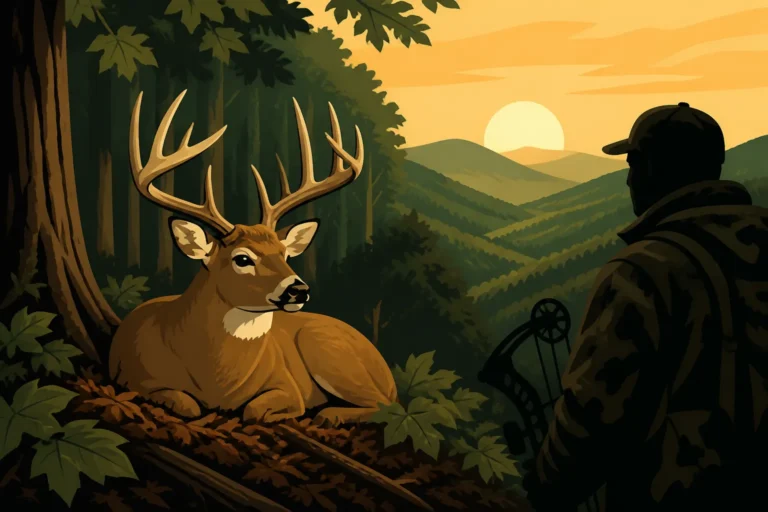
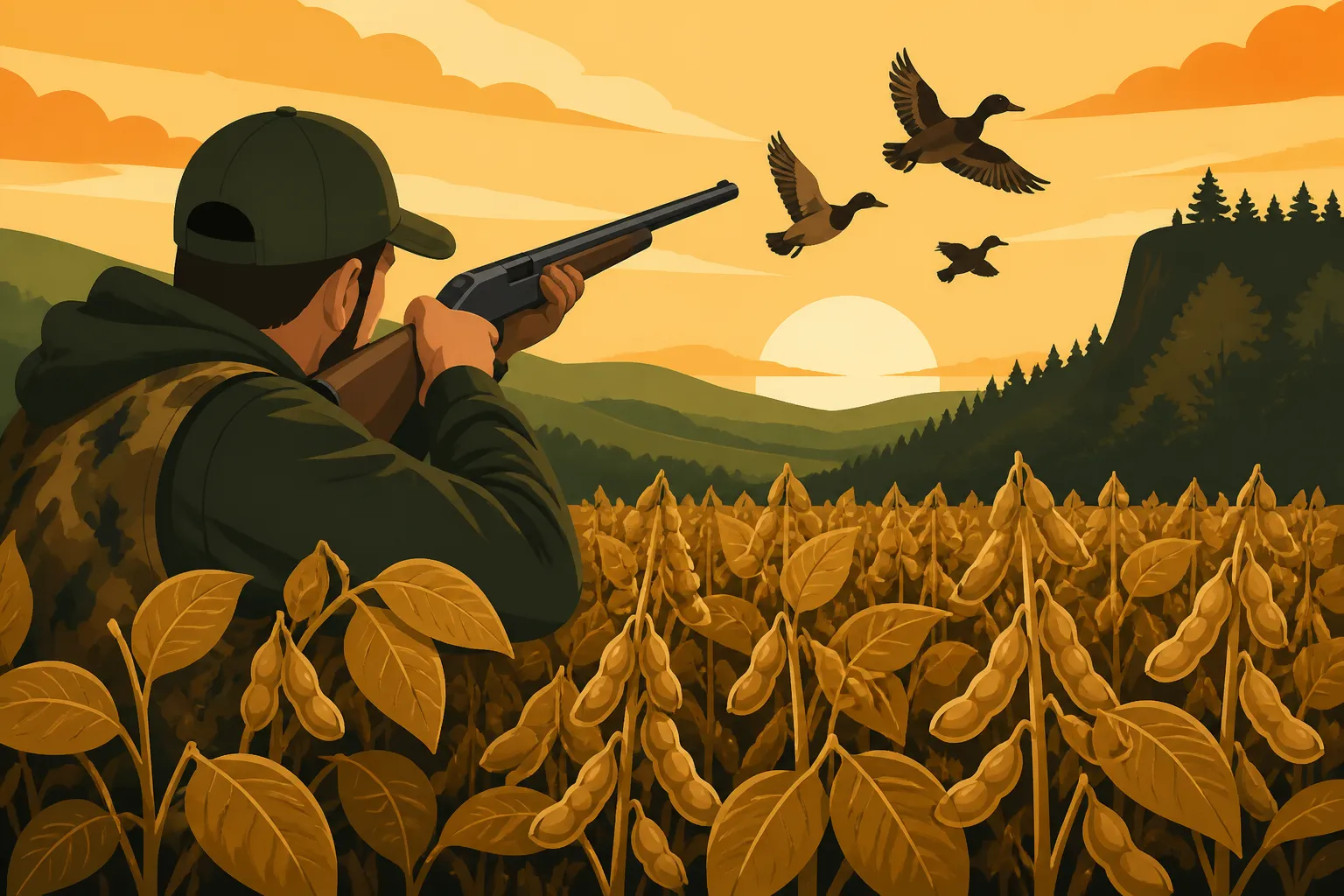
Hunting a standing soybean field can feel like staring at a green wall, knowing deer are in there, but having no earthly idea where they are or how to get a shot. It's one of those West Virginia hunting puzzles that can be incredibly frustrating, yet also incredibly rewarding if you crack the code. This guide will walk you through understanding deer behavior in these dense fields, the best ways to scout them, and practical tactics to increase your odds of success.
Understanding Deer Behavior in Standing Soybeans
Deer, especially the whitetails we pursue here in West Virginia, are masters of cover and efficiency. A standing soybean field, whether it's on a sprawling farm in the Eastern Panhandle or a smaller private plot tucked into a valley, provides both in spades.
Why Deer Love Soybeans
From the moment young soybean plants emerge, they become a magnet for deer. Initially, the tender, green leaves are packed with protein, offering an irresistible browse. As the season progresses and the plants mature, those protein-rich leaves give way to carbohydrate-dense beans, providing crucial energy for deer through the fall and into the colder months. It's essentially a deer buffet that changes its menu with the seasons, always offering something valuable.
Beyond just food, standing soybeans offer incredible security cover. Imagine being a deer; a field of mature soybeans can easily reach chest height or taller, providing a thick, visual barrier from predators and hunters alike. This allows deer to feed and bed right in the middle of the field, feeling safe and unpressured. In areas with limited natural thickets or diverse habitat, a standing soybean field can become an absolute sanctuary, a place where deer spend almost their entire day. We often see this pattern in counties with a mix of agriculture and scattered timber, where deer will bed down deep in the bean fields and only emerge at the very last light, or after dark, to feed in more exposed areas or nearby timber.
Seasonal Changes and Deer Usage
The way deer use soybean fields isn't static; it evolves significantly throughout the hunting season. In the early archery season, typically from early September when West Virginia's Archery Season Opens, the soybeans are often still lush and green. At this stage, deer are mostly browsing the leaves for protein. They might bed within the thicker parts of the field during the day and move to other food sources or adjacent timber during the night, but the beans are a primary draw. They’re comfortable here, with plenty of concealment.
As October rolls around and the beans begin to yellow and dry, the deer's focus shifts. The pods are developing, and the carbohydrate content is peaking. This becomes a crucial energy source as the deer prepare for the rut and the colder weather ahead. It's a transitional period where deer might still use the beans for cover, but their feeding becomes more intense. Once the leaves drop and the beans fully mature, sometimes in November, they become a high-energy jackpot. Deer will focus on these beans right up until harvest, sometimes staying in the fields for extended periods, especially during the colder snaps that hit West Virginia.
Scouting and Strategy for Soybean Fields
You can't just walk into a soybean field and expect success. These fields demand diligent scouting, smart planning, and a deep understanding of deer movement. It’s all about deciphering how deer use this unique habitat.
Pre-Season Intelligence Gathering
The absolute best time to scout a soybean field for deer activity is before the hunting season begins, ideally in late summer or early fall when the beans are still green but tall enough to hide deer. Since you can't walk through the crops without damaging them (and potentially losing permission from the landowner), you'll need to observe from a distance. Use good optics – a spotting scope or powerful binoculars – to glass the edges of the field, especially during the first and last hours of daylight. Look for deer entering or exiting, paying close attention to where they come from and where they go. This will help you identify primary travel corridors.
Beyond direct observation, technology is your friend. Satellite imagery, often available through apps like GoHunt or even the WVDNR's mapping tools, can be invaluable. You can zoom in and identify funnels, pinch points, and dense cover adjacent to the soybean fields. Look for areas where the beans meet a thick woodlot, a creek bottom, or a fencerow – these are natural travel lanes. I often spend hours Reading Aerial Photos for Eastern Panhandle Deer to pinpoint these exact locations, noting potential bedding areas in nearby timber and connecting them to the bean fields. This kind of digital scouting can save you countless hours on the ground and reduce disturbance to the deer. Always remember, the less you disturb the area, the better your chances.
Setting Up for Success Around Soybeans
Once you've identified potential hot spots – those specific points where deer consistently enter or exit the soybean field – it’s time to think about stand placement. This is critical for getting a shot opportunity. You want to be positioned downwind of the expected deer travel, ideally with some form of cover behind you to break up your silhouette. Consider the sun’s position during your hunt times; you don't want to be staring directly into it, or have it silhouetting you.
For elevated stands, consider a sturdy tree on the edge of the field, perhaps where a finger of timber extends into the beans, or at the junction of the beans and a brushy creek bank. Look for trees that offer multiple shot lanes, anticipating deer moving parallel to the field edge, or those few steps they might take out into the beans. If you’re restricted to the ground, a well-brushed-in Using a Ground Blind on West Virginia Public Land can be highly effective, offering concealment and scent containment. Just make sure your entry and exit routes are stealthy, minimizing human scent and noise. This might mean long, roundabout walks to avoid spooking deer as you approach or leave your stand. When Setting Up on a Potomac Valley Field Edge, I'm always looking for that perfect blend of concealment, wind advantage, and a clear view of the most likely travel lanes.
Hunting Tactics in and Around Standing Soybeans
Successfully hunting a standing soybean field involves more than just a good setup; it requires thoughtful timing, patience, and a willingness to adapt your tactics to the deer's behavior.
Timing Your Hunt
When it comes to soybean fields, timing is often everything. Evening hunts tend to be more productive as deer leave their bedding areas, often in adjacent timber or even within the dense beans themselves, to feed. Position yourself an hour or two before sunset, allowing the deer to filter out into the field or move along its edges. You want to intercept them before they've fully committed to the wide-open expanse, where shots can be tricky. Mornings can also be fruitful, but often prove more challenging. If deer have been feeding in the soybeans all night, they might already be bedded deep within the field when daylight breaks, making it difficult to catch them moving back to cover. However, a morning hunt can be excellent if you know deer are returning to a specific bedding area through a funnel you're watching, or if there's been a recent weather change. For instance, deer tend to move more actively after a significant cold front, so those mornings following a cold snap can be exceptional opportunities to catch deer still out feeding or heading back to bed.
Still-Hunting and Drives Carefully
Attempting to still-hunt within a standing soybean field is generally a low-percentage play, fraught with challenges. The noise of walking through dry stalks, the limited visibility, and the difficulty of controlling your scent all stack the odds against you. Deer will often hear or smell you long before you ever see them, especially if they're bedded tight within the field. If you absolutely must try it, move incredibly slowly, using any slight elevation changes or depressions for concealment, and constantly checking the wind. However, it's a tactic best reserved for fields that have already been partially harvested or have natural breaks in the cover.
Deer drives, on the other hand, can be effective in soybean fields, especially on private land with permission from the landowner, but they require careful planning and enough hunters. For example, if you're attempting Deer Drives With Three or Four Hunters, you'll want to position standers on the downwind side of the field, covering known escape routes or funnels, while drivers slowly push through the beans. Safety is paramount here; ensure everyone knows where others are, and only take shots that are safe and ethical. This isn't a tactic for public land unless specified as part of a managed hunt, and it's essential to understand West Virginia Legal Firearms for Deer Hunting and other regulations before attempting such a tactic.
Utilizing Field Edges and Funnels
The edges of soybean fields are where the magic usually happens. Deer, being creatures of habit and caution, rarely just bound out into the middle of an open field. Instead, they will often skirt the edges, using the cover of the timberline, fencerows, or brushy ditches as a security blanket. This is where you want to focus your stand placement. Look for small points of woods that jut into the field, or areas where the timber line makes a sharp bend, creating a natural pinch point. These are often high-traffic areas.
Funnels are also critical. A funnel might be a narrow strip of woods connecting two larger timber blocks, with soybean fields on either side. It could be a low saddle between two hills where deer prefer to cross, or even just a thicket that forces deer past a specific spot. Understanding how deer utilize these natural Hunting a Funnel Between Two Hollows between bedding and feeding areas is key. An app like GoHunt can help you visualize these on a topo map. By setting up near these funnels or edges, you can catch deer moving predictably, often offering you a much better shot opportunity than trying to bust them out of the middle of the field. Even if the deer are feeding deep in the beans, they usually enter and exit through these predictable locations.
| Seasonal Usage of Standing Soybean Fields | Deer Behavior | Best Hunting Tactics |
|---|---|---|
| Early Archery (Late Aug – Sep) | Browsing green leaves for protein; some bedding within fields; movement often during low light or after dark. | Stand on field edges near bedding cover; focus on evening hunts as deer enter. Consider ground blinds on edges. |
| Mid-Season (Oct – Nov) | Browsing maturing plants; increased bedding within fields for security; focused on carbohydrate-rich beans. | Ambush points on funnels and pinch points where deer enter/exit. Utilize natural terrain features along edges. |
| Late Season (Late Nov – Dec) | Feeding heavily on dried beans for energy; fields become primary food source until harvest; deep bedding within fields. | Focus on late afternoon/evening hunts. Hunt interior cover fingers or isolated trees within fields if possible. Post-harvest, hunt remaining beans. |
| Post-Harvest (Dec – Jan) | Scavenging dropped beans; fields offer less cover but still provide food; deer become more exposed. | Hunt adjacent cover, observing deer movement into cleared fields. Focus on thickets near fields. Hunting a Standing Soybean Field changes drastically. |
Challenges and Considerations
Hunting standing soybean fields is a unique challenge that requires hunters to be acutely aware of their surroundings, particularly concerning visibility, scent, and the ever-present factor of the harvest.
Visibility and Shot Opportunities
One of the biggest frustrations when hunting standing soybeans is the sheer lack of visibility. When those plants are chest-high or taller, seeing a deer, let alone getting a clean shot, can feel almost impossible. You might hear deer crunching through the stalks, or catch a glimpse of a back or an ear, but often that's all you get. This challenge underscores the importance of intelligent stand placement. An elevated stand can provide a better vantage point, allowing you to see over the top of the beans. You might also look for natural openings within the field, or slight depressions where deer might expose themselves more.
Sometimes, the best approach is patience. Wait for the deer to naturally break cover and move to a more open area, like a field edge, logging road, or even a small, open spot within the field itself. Trying to force a shot in thick cover often leads to unethical shots or missed opportunities. It’s better to pass on a questionable shot than to risk wounding an animal you can't recover. This is where understanding Rifle Scopes for Low-Light Hollows or Bow Sights for Timber Shots really comes into play, as you're often dealing with limited light and quick reactions.
Wind and Scent Control
In any hunting scenario, wind is your most important ally or your worst enemy. In an agricultural setting like a soybean field, it's even more critical. Deer are highly scent-oriented, and they will almost always try to approach a feeding area from downwind to scent-check for danger. If your wind isn't perfect, they'll bust you every time. Before heading out, check multiple reliable weather sources for wind direction, and have a backup plan if the wind shifts. This might mean having another stand ready for a different wind, or simply staying home if the conditions aren't favorable for your chosen location.
Beyond stand placement, meticulous scent control is essential. This means showering with scent-free soap, wearing clean hunting clothes, and storing them in scent-proof bags. Pay close attention to your entry and exit routes, making sure you don't cross any major deer trails or saturate the area with human odor. If you're walking through dense cover to get to your stand, every leaf, every branch you touch, can potentially pick up and spread your scent. Consider using an ozone generator or sprays, but remember they are secondary to playing the wind correctly. You might even consider walking a longer route to your stand just to ensure you stay downwind of where you expect deer to be.
The Harvest Factor
One of the biggest variables when hunting standing soybean fields is the inevitable harvest. What was once a dense, deer-filled sanctuary can become a wide-open expanse overnight. The timing of the harvest is often unpredictable, dictated by weather and the farmer's schedule, not the deer season. While it can be frustrating to lose that cover, the harvest also creates new opportunities.
Once the combine rolls through, it leaves behind a scattering of high-energy beans. Deer will immediately adapt and return to these fields to scavenge, sometimes in larger numbers than before, as they no longer have the cover to bed down in them. Your tactics must change accordingly. Instead of hunting in the beans, you'll now want to focus on the transitions – the wood lines, fence rows, and brushy ditches adjacent to the now-cleared field. Deer will move from nearby bedding cover to feed on those dropped beans, and those edge opportunities become prime real estate. Think about Late-Season Food Sources for West Virginia Whitetails and how these dropped beans become a critical caloric intake for deer as winter approaches. Hunting Standing Cover Left After Harvest takes a different approach, often focusing on long-range glassing and ambushing deer as they move to and from the field.
Disclaimer
Hunting carries inherent risks, and it is the responsibility of each individual hunter to adhere to all applicable laws and regulations. Always prioritize safety, practice ethical hunting methods, and respect wildlife and the environment. This guide provides general information and should not be considered a substitute for local regulations, professional instruction, or personal judgment.