When West Virginia’s Archery Season Opens
The crisp air of late September in West Virginia brings a unique anticipation for deer hunters: the opening of archery season. It's a time many of us look forward to all year, but it also comes with questions about exact dates, specific regulations, and how best to approach those exciting first hunts. This guide will walk you through everything you need to know about when West Virginia's archery season opens, how to prepare, and what to expect in those crucial early days afield.
The Much-Anticipated Archery Season Opening Dates
For many of us, the opening day of archery season feels like a holiday, marking the true start of fall hunting pursuits. Understanding when that first day arrives, and how long you have to pursue deer with your bow or crossbow, is foundational to planning a successful season.
Statewide Archery Opener for Deer
Generally speaking, West Virginia's archery season for deer kicks off on the last Saturday of September. This is a statewide opening day that applies to most counties. For example, if September 28th is the last Saturday, that's when you can expect to be in your stand or blind, arrow nocked, hoping for that first encounter. It’s a date that’s usually etched into every serious archer’s mind, signaling the end of the long off-season and the start of real-time hunting. This uniform start helps everyone get on the same page, though local conditions and deer behavior will always vary. It's a welcome change after months of only scouting and dreaming.
The Full Archery Season Duration
What many hunters appreciate about West Virginia is the generous length of our archery season. It doesn't just open and then quickly close. After that late September opening, the archery season typically runs continuously all the way through the end of December. That’s a long stretch of opportunity, offering chances to hunt everything from early season patterns focused on food to the frantic rut, and then the late season when deer are focused solely on survival and finding remaining food sources. This extended period means you can adapt your tactics as the season progresses, from targeting specific feeding areas in September and October to focusing on travel corridors and bedding areas during the cooler, later months. You can find a detailed breakdown of this lengthy season by checking out How West Virginia's Season Runs Archery to December.
Special Archery-Only Counties
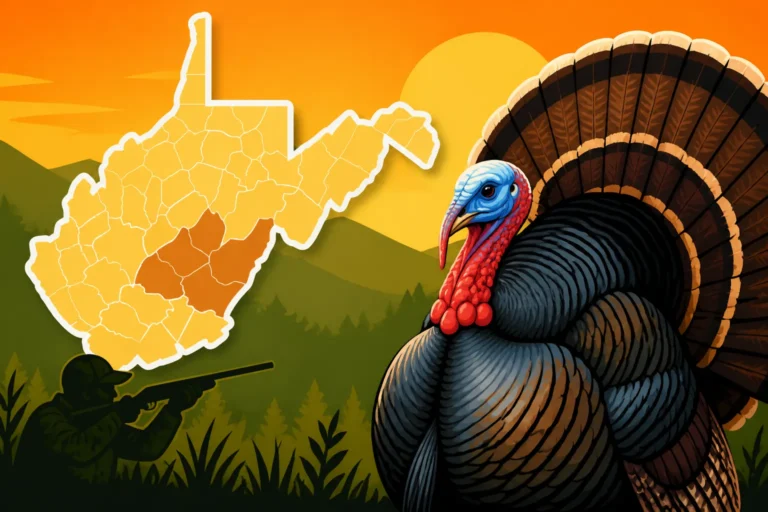
Now, while the statewide opener is pretty consistent, there's a vital exception that every West Virginia hunter needs to be aware of: the four southern counties that are designated as archery-only for deer hunting. These counties—Logan, McDowell, Mingo, and Wyoming—do not have a firearms deer season. For hunters in these areas, the archery season is the only deer season, making the opening day even more significant. If you plan to hunt in any of these counties, your deer season will exclusively be bow or crossbow hunting from that late September opener straight through to the end of December. This is a critical distinction, and you'll want to be absolutely certain of the regulations for your specific hunting area. Understanding these nuances is key, especially if you usually hunt elsewhere. For more on these unique areas, read West Virginia's Archery-Only Southern Counties.
Essential Gear and Regulatory Considerations for Archery Season
Stepping into the woods on opening day requires more than just knowing the date; it demands preparation, adherence to regulations, and the right equipment. Getting all your ducks in a row beforehand ensures a smooth and legal hunt.
Bow and Crossbow Legality in West Virginia
Before you even think about climbing into a stand, you need to be sure your chosen weapon is legal for West Virginia's archery season. Thankfully, the state's regulations are generally pretty clear. Both traditional bows (recurve and longbow) and compound bows are permitted, of course. For crossbows, the good news is that they are also legal for all hunters during the regular archery season. There's no longer a requirement for a special permit or age restriction, which simplifies things immensely for those who prefer or need to use a crossbow. Just ensure your crossbow meets the minimum draw weight and bolt length requirements, and you're good to go. It’s always smart to double-check the specific equipment requirements in the current hunting regulations. You can dive deeper into the specifics of what's allowed by reading Crossbow Rules During West Virginia Archery Season.
Licensing and Stamps: Your Ticket to the Timber
You can have the best bow, the perfect stand, and a monster buck on camera, but without the proper licensing, you're not legally hunting. To participate in West Virginia's archery deer season, you’ll need a valid hunting license (which varies depending on whether you're a resident or non-resident) and a West Virginia deer stamp. These are usually purchased together. It’s crucial to buy these before your hunt. You can purchase them online through the Go Wild West Virginia platform, from authorized license agents, or by phone. Always keep proof of your license and stamps with you while hunting, whether it's a physical copy or stored on your phone via the Go Wild app. Don't forget, if you plan to hunt other species or participate in other seasons, you might need additional stamps or licenses. A comprehensive overview can be found in West Virginia Hunting Licenses and What They Cost, and for specific deer-related costs, West Virginia Deer Stamp Cost provides excellent detail.
Blaze Orange and Archery Season
A common question, especially for those new to archery or West Virginia hunting, revolves around blaze orange requirements. During the archery-only portion of the season, when firearms deer hunting is not yet underway, hunters are not typically required to wear blaze orange. This allows archers to utilize camouflage effectively, which is often crucial for close-range bowhunting encounters. However, once any firearms season (like buck gun or muzzleloader) opens and overlaps with the archery season later in the fall, all hunters afield, including archers, will be required to wear blaze orange. It’s always best practice to consult the current year's West Virginia Hunting and Trapping Regulations booklet to confirm the specific dates when blaze orange becomes mandatory in your hunting area. Staying safe and visible when other weapons are in play is paramount. Learn more about these requirements at West Virginia Blaze Orange Requirements.
Early Season Tactics and Scouting for Success
The early days of archery season present a unique set of challenges and opportunities. Deer behavior can be different from what you see later in the fall, making specific tactics and diligent scouting absolutely critical for a successful hunt.
Focusing on Early Season Food Sources
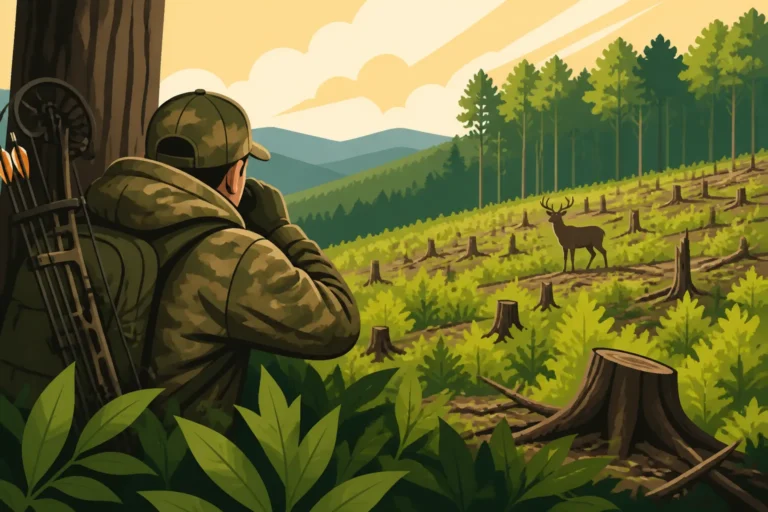
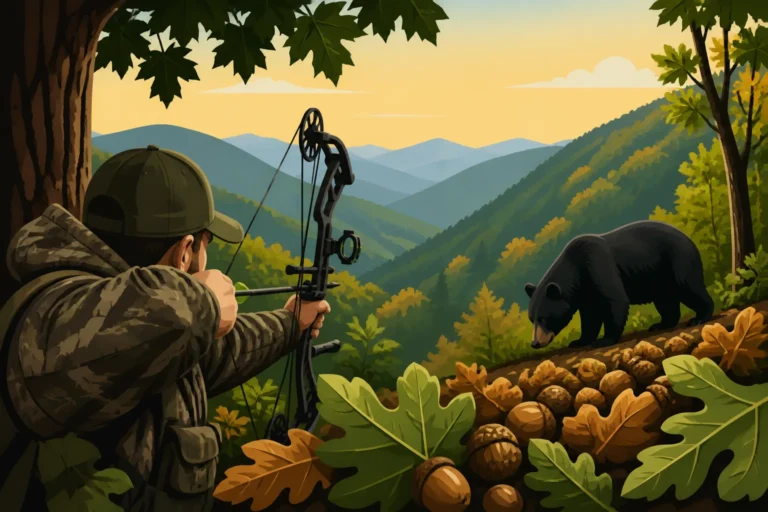
When archery season opens in late September, deer are often still in their late-summer feeding patterns. Their primary focus is packing on calories before the rut and the lean winter months. This means food sources are your best friend. Look for areas with abundant soft mast like persimmons, apples, and wild grapes, as well as hard mast such as early-dropping acorns. White oaks are often preferred by deer and can draw them in like a magnet. If you're hunting near agricultural land, standing soybean fields or cornfields can also be hot spots, especially during the first few weeks of the season. Deer might be hitting these areas primarily at dawn and dusk, so your morning and evening sits will be crucial. Using tools like the GoHunt app can help you identify these potential food sources on public land, or scout around private parcels you have permission to hunt. You'll find great insights into this topic by reading Hunting After a Poor Acorn Year and Hunting a Standing Soybean Field.
Utilizing Pre-Season Scouting and Trail Cameras
Success on opening day often stems from work done weeks, even months, beforehand. Pre-season scouting is paramount. This isn't just about finding big rubs or scrapes (though those will start appearing as bucks shed velvet). It's about identifying consistent travel routes between bedding areas and preferred food sources. Look for fresh tracks, droppings, and well-worn trails. Trail cameras are invaluable during this period, helping you understand when deer are moving and which deer are using particular areas without putting human pressure on them. Set your cameras up near suspected food sources, pinch points, or water sources. The intelligence gathered from your trail cameras will help you pinpoint the best stand locations for those early season hunts. Don't underestimate the power of early intel; it can make or break your first few hunts. For more on preparing, check out Scouting West Virginia Public Land Before Season, and for specific sign to look for, Scrape Lines Along a Logging Road can be really helpful.
Managing Pressure and Access in the Woods
Even on opening day, deer are aware of human presence. Managing your hunting pressure, especially on public land, is vital. Plan your entry and exit routes meticulously to avoid spooking deer as you walk to and from your stand. This often means walking a bit further, taking a circuitous route, or using natural terrain features to shield your approach. Early season generally sees less hunting pressure than gun season, but popular spots can still get hit hard. Consider hunting mid-week if possible, or seek out more remote areas where other hunters might be less willing to venture. The GoHunt platform, with its detailed mapping and public/private land overlays, can be a huge asset in identifying those overlooked pockets of public ground that might hold less pressured deer. Knowing when and where to apply pressure, and more importantly, when to back off, is a skill that comes with experience but pays huge dividends. For more on navigating fellow hunters, see Hunting Pressure on West Virginia Public Land.
Weather, Thermals, and Deer Movement in Early Archery
West Virginia's topography and dynamic weather patterns play a huge role in deer behavior, especially during the variable conditions of early archery season. Understanding these elements can be the difference between a frustrating hunt and a successful one.
Understanding Early Season Weather
The late September and early October timeframe, when archery season kicks off, can be a mixed bag of weather in West Virginia. We might still experience warm, almost summer-like days, especially in the valleys, followed by cooler, crisper nights. These fluctuating temperatures directly impact deer movement. On hot days, deer are more likely to be bedded down in thick cover, moving primarily at night or during the very coolest parts of dawn and dusk. This means your best bet for seeing deer will often be during low-light conditions. Cooler temperatures, especially after a cold front, tend to get deer up and moving earlier and later in the day, sometimes even throughout midday. Pay close attention to weather forecasts, particularly temperature swings and fronts. A sudden drop in temperature can spark significant deer activity.
Playing the Wind and Thermals on Steep Terrain
If you've hunted West Virginia for any length of time, you know our mountains and hollows create complex air currents. In early archery season, these thermals are particularly pronounced. As the sun rises and warms the land, air currents (thermals) tend to rise up the slopes. In the evenings, as the air cools, thermals fall down into the hollows. This means a stand location that's perfect for a morning hunt, with your scent blowing up and away from bedding areas below, might be a terrible choice for an evening hunt when your scent would funnel directly down to deer moving into food plots or feeding areas in the bottomlands. Always check the wind and consider the thermal currents for your specific stand location. The higher you are on a ridge, the more consistent the prevailing wind might be, but in the hollows, thermals will dominate. Ignoring them is a surefire way to get busted. For an in-depth look at this crucial topic, Wind and Thermals on a Steep Ridge is a must-read.
Here's a quick reference for West Virginia's Archery Deer Season:
| Feature | Details | Important Notes |
|---|---|---|
| Opening Day | Last Saturday in September | Applies statewide to most counties. |
| Closing Day | December 31st (or last day of the calendar year) | Season is continuous from opener to closer. |
| Archery-Only Counties | Logan, McDowell, Mingo, Wyoming | No firearms deer season in these four counties; archery is the only method. |
| Legal Weapons | Compound Bows, Recurve Bows, Longbows, Crossbows | Crossbows are legal for all hunters during archery season without special permit. |
| Blaze Orange | Not required during archery-only period; mandatory when firearms season overlaps. | Always check current regulations for specific dates. |
| Required Licenses | Base hunting license + WV Deer Stamp | Must be purchased before hunting. Keep proof with you. |
| Primary Food Sources | Soft mast (persimmons, apples), Hard mast (acorns), Agricultural fields | Deer movement highly tied to available food in early season. |
Disclaimer
Hunting regulations can change, and it is every hunter's responsibility to review the current West Virginia Hunting and Trapping Regulations booklet published by the West Virginia Division of Natural Resources (WVDNR) before heading afield. This guide provides general information and should not be considered a substitute for the official regulations.