Hunting Deer After a Cold Front
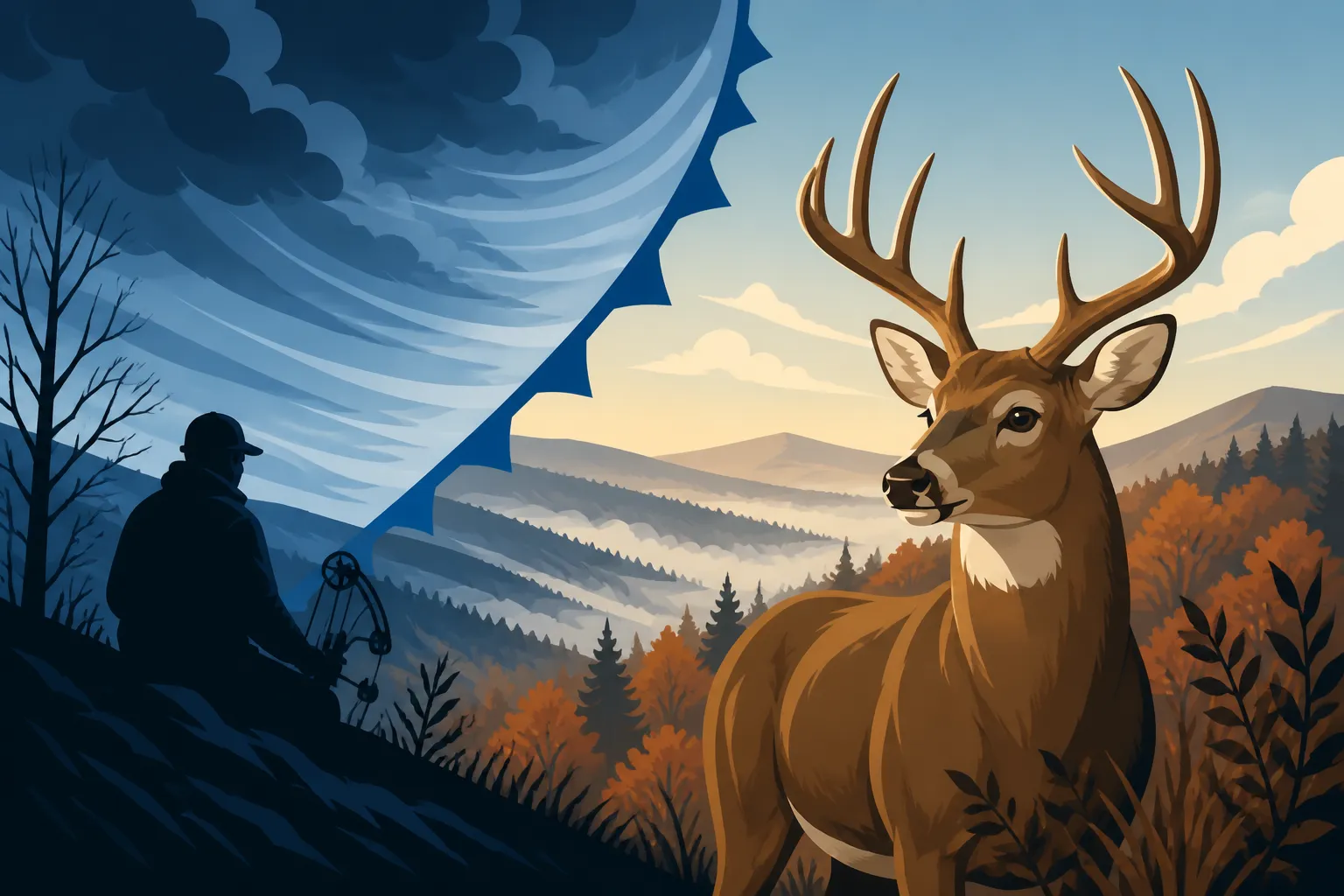
There's nothing quite like the anticipation of a good cold front rolling through West Virginia during deer season. We've all been there: a few days of unseasonably warm weather, and suddenly the woods go quiet, deer movement dwindles, and you start to wonder if you'll ever see a buck again. But then, the forecast shifts, a sharp dip in temperature arrives, often with some precipitation, and every hunter's hopes soar. This guide is all about harnessing that post-cold front energy, understanding how deer react, and applying the right tactics to capitalize on one of the best hunting opportunities the Mountain State offers.
Understanding Deer Behavior After a Cold Front
When a cold front slams into West Virginia, it's like a shot of adrenaline for the deer herd. That sudden drop in temperature, especially if it follows a warm spell, triggers a fundamental shift in their priorities and behavior. It's not just about getting chilly; it's about survival and instinct, and understanding these shifts is your first step to success.
The Instinct to Feed Aggressively
Deer are masters of energy conservation, and a significant drop in temperature means they need to stoke their internal furnaces. This often leads to a burst of aggressive feeding. They know that sustained cold weather is coming, and they need to pack on calories. If you've been seeing sporadic movement or deer feeding primarily at night during warm lulls, expect them to become much more active during daylight hours after a cold front hits.
Think about it: during a warm stretch in October or November, deer might meander, picking at browse here and there. But with 20-degree temperatures and a biting wind, that leisurely stroll turns into a mission. They'll hit prime food sources hard, and they'll do it when it's most efficient – which, for many of us, means during shooting light. Look for them in late-season food sources for West Virginia whitetails like standing corn fields, newly fallen acorns, or even green clover plots if they're still viable. A mature buck that’s been nocturnal might suddenly show up at a favored white oak flat at 9 AM, driven by hunger.
Changes in Bedding and Movement Patterns
Cold fronts don't just affect feeding; they also influence where deer choose to bed and how they move between bedding and feeding areas. During warm weather, deer might bed in open areas or on leeward slopes to catch a breeze. But when the temperatures plummet, they'll seek thicker cover that offers protection from wind and retains heat. This often means moving into dense evergreen thickets, laurel patches, or the thickest regenerating clear-cuts on a hillside.
After a cold front, deer will often utilize thermal cover much more heavily. This could be a dense stand of pines in the Monongahela National Forest, or a thick rhododendron patch in a steep hollow. Their travel corridors might shift slightly to take advantage of these protected bedding sites, and they'll likely move more quickly and purposefully between bedding and feeding. You might find them spending more time bedded on sunny, south-facing slopes during the day, soaking up what little warmth they can. This concentrated movement between defined bedding and feeding areas makes them more predictable for a short window, creating opportunities for strategic stand placement. Knowing where Monongahela Forest bucks bed can be crucial for success.
Rut Activity Intensification
If the cold front happens to coincide with the pre-rut or peak rut, the effect can be even more pronounced. The sudden drop in temperature often re-energizes bucks that might have been feeling sluggish during warm spells. They become more active, chasing does with renewed vigor and searching for hot does.
This is when you'll see those "daylight cruisers"—bucks that typically move under the cover of darkness, now up and moving throughout the day, driven by both hunger and hormones. Rattling and grunting in West Virginia can become incredibly effective as bucks are more willing to investigate perceived rivals. A cold front during the first two weeks of November, often coinciding with the height of West Virginia's deer rut, is a hunter’s dream. This increased activity isn't just limited to bucks; does will be moving more, too, trying to feed and escape persistent suitors, further increasing overall deer movement in the woods.
Scouting and Locating Deer After the Front
Capitalizing on a cold front means more than just showing up. You need to know where the deer should be, and that requires keen observation and smart scouting, both before the front hits and as the temperatures drop.
Identifying Key Food Sources
Before a cold front even appears on the radar, you should have a good idea of the most attractive food sources in your hunting area. Deer, especially when stressed by cold, will gravitate towards the highest-calorie, most accessible food. In West Virginia, this often means acorns, particularly white oaks, in early to mid-fall. As the season progresses, native browse, green fields, and agricultural crops become more important.
If you've done your homework and found a hot oak flat with fresh cuttings or a standing bean field that deer have been hitting, these areas will only become more magnetic after a cold front. Use tools like the GoHunt app to identify different timber types and agricultural fields, helping you pinpoint potential hotspots. Pay attention to specific trees that drop acorns later, as these can become crucial later in the season. A pre-season scout where you identify these prime food sources, noting historical usage, will put you miles ahead when that cold air finally arrives. You're looking for the buffet line that suddenly has a two-hour wait.
Locating Fresh Sign
Once the cold front has moved through, hit the woods to find fresh sign. This is where the real-time intel comes in. Deer movement will pick up, and they’ll leave behind fresh tracks, droppings, and rubs. Focus on the edges of prime food sources, pinch points, and cover transitions. Fresh, crisp tracks in newly dampened earth or a light dusting of snow are gold.
Look for concentrated activity. Are there new rub lines leading directly into a particular thicket? Are the droppings around that persimmon tree still soft and steaming? These details tell you that deer are currently using these areas. Don't be afraid to take a quiet walk and actively scout. A quick, low-impact scout can confirm your hunches and help you fine-tune your stand location. Remember, deer are moving with purpose, so their sign will reflect that focused travel between bedding and feeding. You might even find a new scrape line along a logging road that wasn't there during the warm spell, indicating a buck's renewed rutting intensity.
Utilizing Technology and Topography
Modern hunting tools, like mapping apps and even weather forecasting, are invaluable when hunting after a cold front, especially in West Virginia's rugged terrain. GoHunt, for instance, can help you visualize wind direction and thermals, which are critical in steep country. When a cold front brings strong winds, understanding how those winds funnel through hollows and over ridges can make or break your hunt.
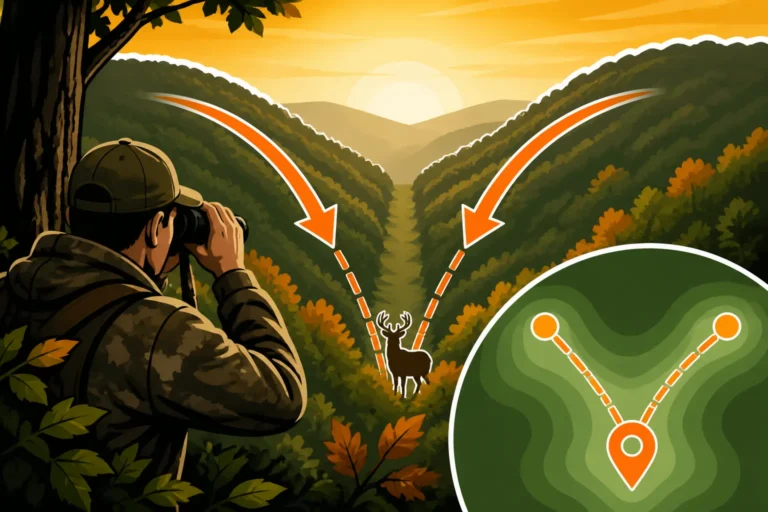
Use aerial photos to identify dense cover (thermal bedding), south-facing slopes (warm bedding), and potential travel corridors. Look for saddles between two peaks or benches on a steep hillside—these often act as natural highways for deer moving efficiently. Understanding wind and thermals on a steep ridge will help you pick the perfect ambush point. A cold front might push deer into specific terrain features for warmth or shelter, and your maps can help you predict these shifts, even if you can’t physically scout every inch.
Tactics for Hunting During a Cold Front
Once you've confirmed deer movement and identified potential hot spots, it's time to put a solid hunting strategy into action. The increased activity after a cold front allows for more aggressive tactics, but also demands precision.
Aggressive Stand Placement
Forget those marginal stand locations you might tolerate during slower periods. A cold front demands aggressive, precise stand placement. Get as close as possible to the primary food source or the tightest travel corridor you’ve identified. This might mean pushing a bit further into a thicket or setting up right on the edge of a field.
Consider a stand hung specifically for the post-cold front conditions, perhaps overlooking a fresh white oak drop in a deep hollow or a secluded green patch. Think about where deer will emerge from dense bedding cover to access food, or how they'll travel between those critical areas. For example, if you know deer are bedding in a thick spruce stand on a north-facing slope, place your stand on the sunny, south-facing side of a nearby ridge that funnels deer towards a known feeding area. This is where still-hunting Cranberry WMA ridges can be effective if you're patient and quiet.
| Factor | Pre-Cold Front Deer Behavior | Post-Cold Front Deer Behavior |
|---|---|---|
| Feeding Intensity | Moderate, often nocturnal, sporadic | High, often extending into daylight hours, purposeful |
| Bedding Choice | Varied, may include open areas for breeze | Dense thermal cover, sunny slopes, wind-sheltered |
| Movement Speed | Leisurely, meandering | Purposeful, direct, quicker |
| Rut Activity | Can be sluggish in warm weather, less vocal | Intensified, more chasing, more responsive to calls |
| Water Needs | Higher, frequent visits to water sources | Lower, may get moisture from browse, less urgent |
| Predictability | Less predictable, scattered movement | More predictable between distinct areas |
Still-Hunting and Driving Strategies
With deer on the move and focused on feeding, still-hunting can be an incredibly effective tactic, especially in West Virginia's sprawling public lands like the Monongahela National Forest. Moving slowly, carefully observing, and using the wind to your advantage, you can intercept deer as they transition. This requires patience and a good understanding of the terrain.
Walk slowly, stopping frequently to glass ahead and to your sides, especially into dense cover where deer might be bedded. Focus on natural funnels, creek bottoms, and ridge-top saddles. If you're hunting with a group, organizing deer drives on West Virginia public land can also be highly successful after a cold front, pushing deer out of their thermal bedding areas towards waiting standers. Just be sure to coordinate carefully and be aware of other hunters. For solo hunters, consider a tactical move through an area, slowly pushing deer ahead of you, much like you might if you were looking for sign in big Monongahela timber.
Calling and Decoy Tactics
The invigorated rut activity post-cold front means calling tactics can be particularly potent. Bucks, feeling the urge to breed and re-energized by the cooler temperatures, are often more responsive to grunts, bleats, and rattling. Time your calling sequences to coincide with periods of increased deer movement, typically early morning and late afternoon.
If you're hunting during the rut, aggressive rattling sequences can sometimes pull a curious buck right out of a thicket. Combine grunts with doe bleats to pique their interest. Decoys can also be effective, particularly a doe or buck decoy placed strategically to draw attention. However, always ensure your decoy placement is safe and visible to other hunters, especially on public land. Learning the nuances of rattling volume in thick laurel cover can be a game changer, making a cautious buck commit to your setup.
Gear and Preparation for Cold Front Conditions
A cold front often means more than just a temperature drop; it can bring wind, rain, or snow. Being properly prepared with the right gear ensures you stay comfortable, safe, and effective in the field.
Layering for Comfort and Adaptability
The key to hunting in West Virginia after a cold front is smart layering. Temperatures can fluctuate, and you’ll warm up quickly on a hike, only to cool down rapidly once on stand. Start with a good base layer that wicks moisture away from your skin, even in cold weather. Over that, add insulating mid-layers like fleece or wool, chosen for warmth without bulk.
Your outer layer should be windproof and waterproof, capable of shedding rain or snow while protecting you from biting winds. Consider a good quality waterproof shell. Being able to shed or add layers quietly and efficiently is crucial. Remember, being cold and uncomfortable will inevitably lead to an early exit from the stand, missing out on prime movement. A well-planned layering system will help you execute a cold-weather sitting strategy in the mountains without prematurely freezing out.
Essential Optics and Navigation Tools
In the low light conditions that often accompany cold, cloudy days or early mornings/late evenings, good optics are indispensable. A high-quality binocular power for mountain hunting will help you pick apart dense cover and spot deer movement at a distance. Don't skimp on a reliable rangefinder; knowing precise distances is crucial for ethical shots.
Navigation is paramount, especially in West Virginia's rugged terrain. While a GPS unit is always a good backup, a robust phone app like GoHunt with downloaded maps is often the go-to for most hunters. Make sure your phone is fully charged and consider carrying a portable power bank. Being able to mark trails, stand locations, and fresh sign effortlessly can greatly enhance your hunting efficiency and safety. Don't forget a good headlamp for walking out after dark; the woods can get disorienting quickly when the light fades.
Scent Control in Cooler Temperatures
While cold temperatures might seem to help with scent, deer still have an incredible sense of smell, and a cold, damp air mass can actually carry scent further. Therefore, maintaining strict scent control remains critical. Shower with scent-free soap, wash your hunting clothes in scent-free detergent, and store them in airtight containers.
Use an ozone generator or scent elimination sprays if you prefer. Pay particular attention to your boots, as ground scent is easily picked up by deer following trails. Even a slight thermal shift or swirl of wind can carry your scent further than you'd expect, especially in the variable mountain winds. Don't let your guard down just because it's cold; a keen-nosed whitetail will still bust you.
Disclaimer
Hunting is an inherently dangerous activity. Always prioritize safety, understand and follow all West Virginia hunting regulations, and obtain appropriate licenses and permits. The information provided here is for educational purposes and should not replace professional guidance or personal experience. Be aware of your surroundings, hunt ethically, and leave no trace.