Cold-Weather Sitting Strategy in the Mountains
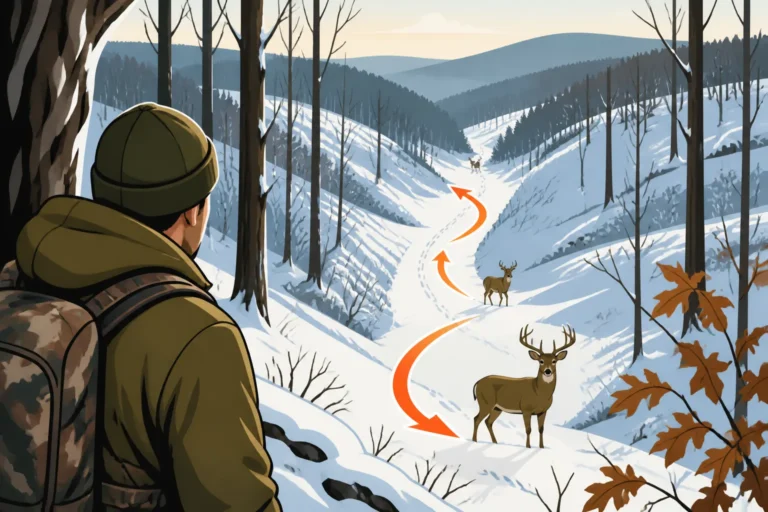
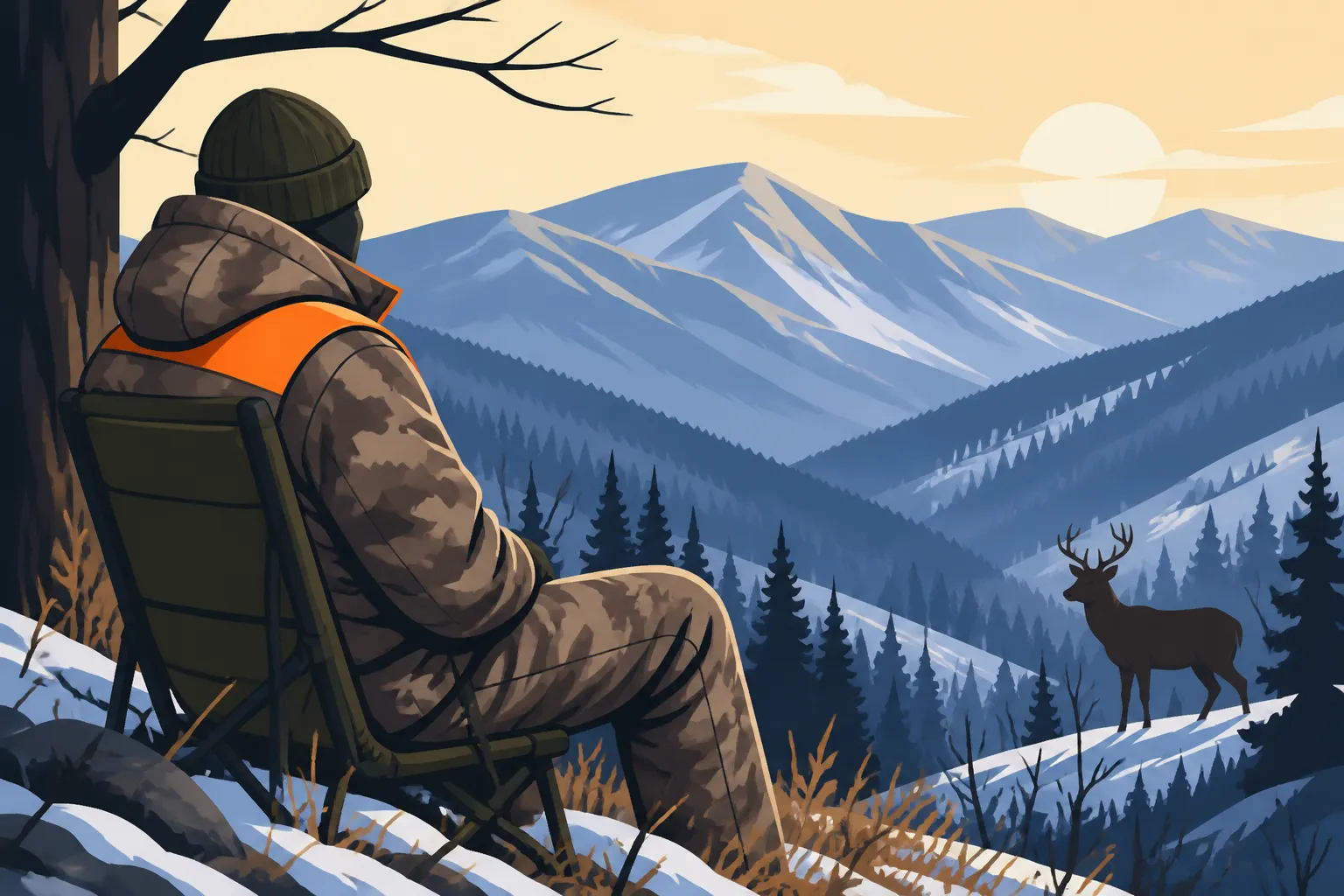
There’s nothing quite like the raw, biting cold of a West Virginia mountain morning, especially when you’re perched silently on a deer stand, hoping for that perfect moment. Many of us have experienced that bone-chilling ache, wondering if our toes will ever thaw, or if we can even stay still enough to make a shot when our whole body is trembling. This guide is all about giving you the practical, real-world strategies to not just endure the cold, but to actually stay warm, comfortable, and focused enough to succeed during those frigid late-season hunts.
The Foundation of Warmth: Pre-Hunt Preparation is Paramount
Hunting in West Virginia's mountains, especially when the mercury drops, isn't just about throwing on a heavy coat. It's a strategic battle against the elements, and it begins long before you ever step foot out the door. The foundation of staying warm is laid in your preparation, from what you put in your body to the layers you meticulously choose.
Physical Conditioning and Hydration in Cold Weather
It might sound counter-intuitive, but your physical state plays a massive role in how well you tolerate the cold. A body that's well-rested and properly fueled simply generates and retains heat more efficiently. Think about it: dragging a deer out of a steep hollow is exhausting, and if you're already run down from a poor night's sleep or lack of food, your body's internal furnace won't be burning hot enough to fight the cold.
Regular exercise, even light cardio and strength training in the off-season, can improve your circulation, which is crucial for keeping your extremities warm. Stronger muscles can also handle the small, constant adjustments you make on stand to stay comfortable without expending too much energy. Hydration is another often-overlooked cold-weather factor. We tend to associate dehydration with hot weather, but in the cold, our bodies still lose moisture through respiration and sweat. If you're dehydrated, your blood volume can decrease, making it harder for your circulatory system to distribute warmth effectively. Make sure you're drinking plenty of water in the days leading up to your hunt, and even consider carrying a thermos of warm, non-caffeinated tea or broth on stand to sip throughout the morning or evening. You might even find your favorite hunting app, like GoHunt, has features to help you track conditions that might influence your hydration needs.
Strategic Layering Systems for Mountain Hunting
Layering is the holy grail of cold-weather hunting, but it's not just about putting on more clothes; it's about putting on the right clothes in the right order. Your goal is to create a system that traps warm air, wicks away moisture, and allows you to adapt to changing temperatures and activity levels.
- Base Layer (Wicking): This is the layer directly against your skin, and its primary job is to manage moisture. When you walk to your stand, you'll sweat, even in cold weather. If that sweat stays on your skin, it will cool rapidly and draw heat away from your body, leaving you chilled to the bone. Opt for merino wool or high-quality synthetic materials. Cotton is absolutely out, as it absorbs moisture and dries slowly. For comprehensive advice, check out our guide on Clothing for a West Virginia Late Season.
- Mid Layer (Insulation): This layer is your primary heat retention layer. It should trap warm air close to your body. Fleece, down, or synthetic insulation are all great choices. The thickness of this layer will depend on how cold it truly is and your personal tolerance. For instance, on a day that's just below freezing, a mid-weight fleece might suffice, but when temperatures plummet into the single digits, you'll want something much more substantial, like a thick synthetic puffy jacket or a heavy wool sweater.
- Outer Layer (Protection): This is your shell, designed to protect you from wind, snow, and rain. It should be quiet, durable, and ideally windproof and waterproof. While it adds some insulation, its main job is to keep the elements out and the warm air in. Look for materials that don't make a lot of noise when you move, as stealth is still critical, even in cold weather. Many hunters find that a good quality outer shell can make all the difference when those mountain winds really start to howl.
Here's a quick look at how a layering system might stack up:
| Layer Type | Purpose | Recommended Materials | Key Considerations |
|---|---|---|---|
| Base Layer | Moisture Wicking | Merino Wool, Synthetic Blends | Snug fit, no cotton, quick-drying. |
| Mid Layer(s) | Insulation | Fleece, Down, Synthetic Puffy | Adjust based on temperature, breathable if active. |
| Outer Layer | Weather Protection | Windproof, Waterproof Fabric | Quiet, durable, camouflaged, allows full range of motion. |
| Extremities | Heat Retention | Wool, Synthetic, Insulated | Focus on head, hands, feet (hat, gloves, insulated boots). |
Essential Gear Beyond Clothing
Beyond your core clothing system, specific gear makes a world of difference. Your feet are particularly vulnerable to cold, especially when sitting still for hours. Invest in high-quality, insulated hunting boots, ideally one size up to allow for thicker socks and better circulation. Our guide on Insulated Boots for All-Day Sits has some excellent recommendations. Pair them with merino wool socks – a thin liner sock can also help wick moisture. Hand warmers are a non-negotiable for me; I usually have several, tucked into my gloves or pockets. Some hunters even swear by a muff, which is a handwarmer pouch worn around the waist.
Don't forget headwear! A significant amount of body heat can be lost through your head. A warm beanie, a balaclava, or even a fleece neck gaiter pulled up over your face can provide immense relief against biting winds. An insulated seat cushion or a portable foam pad is also a game-changer; sitting directly on a cold treestand or frozen ground will leach heat from your body surprisingly fast. Even a simple, lightweight pad can break that thermal connection and keep your backside a lot warmer. Before heading into remote areas like the Monongahela National Forest, always ensure your gear is top-notch.
Mastering the Stand: Tactics for Staying Warm When It Matters
Once you've done all your pre-hunt prep, the real challenge begins: actually staying warm when you're perched high in a treestand or tucked into a ground blind, waiting patiently. This is where strategic choices on stand and smart use of your gear come into play.
Minimizing Heat Loss on Stand
Your choice of stand location can impact your warmth. Whenever possible, consider setting up where you'll get some morning sun. Even weak winter sunshine can provide a surprising amount of warmth. Conversely, try to shield yourself from prevailing winds. A thicker tree trunk, a cluster of evergreens, or even a natural depression in the terrain can offer a crucial windbreak. Sometimes, just shifting your stand slightly can make a huge difference in comfort. If you're looking for stand placement tips, especially in challenging terrain, consider our insights on Treestand Setups in Monongahela National Forest.
Movement, even subtle movement, is key to circulation. While you need to remain still for deer, periodically shifting your weight, gently wiggling your toes and fingers, and flexing your calves can help keep blood flowing. This is especially important for areas prone to cold, like your feet and hands. If you feel yourself getting too cold, it's often better to get down and walk around for 5-10 minutes, generating some body heat, than to tough it out and risk truly getting chilled or even hypothermic. Always prioritize safety over staying on stand just a little longer.
Strategic Movement and Nutrition for Sustained Warmth
It's tempting to sit perfectly still, but small, controlled movements can be your best friend. Every 20-30 minutes, try to gently flex your fingers and toes, roll your shoulders, or subtly shift your weight. These tiny actions keep blood circulating without spooking game. If you feel a specific area getting dangerously cold, like your feet, try to lift them slightly off your stand platform and move them vigorously for a minute or two inside your boots.
Nutrition on stand is more about fuel than just sustenance. Your body burns calories to generate heat. Pack calorie-dense, easy-to-eat snacks that don't require much unwrapping or noise. Think granola bars, nuts, dried fruit, or even a small piece of dark chocolate. Avoid sugary snacks that provide a quick burst followed by a crash. A vacuum-insulated thermos with hot coffee, tea, or even a savory broth can feel like a luxury in the cold. Sipping warm liquid not only provides internal warmth but also helps maintain hydration. For ideas on where deer might be feeding, and thus where you should be, check out Late-Season Food Sources for West Virginia Whitetails.
Gear Hacks for Extreme Cold
Even with the best layering, some days in West Virginia's mountains are just brutally cold. This is where those extra gear hacks shine.
- Chemical Hand and Foot Warmers: Don't be shy with these. Place them strategically. In your gloves, inside your boot insoles, or even taped to your base layer over major arteries like your wrists or neck. Some hunters even put one or two in a small pouch against their lower back.
- Boot Blankets/Covers: These insulated outer shells fit over your boots while you're on stand, creating an extra layer of warmth and stopping wind. They can make an incredible difference for foot warmth.
- Insulated Muffs: A hand muff can be invaluable. It keeps your hands toasty, allowing you to wear lighter gloves for better dexterity when you need to handle your weapon or calls. Many have pockets for hand warmers.
- Heated Vests/Socks/Gloves: Battery-powered heated apparel has come a long way. While an investment, a good heated vest or pair of socks can extend your time on stand significantly, especially on those bitter days. Just be sure to carry spare batteries.
- GoHunt App for Conditions: Before you commit to a long sit, utilize your GoHunt app. It often provides detailed hourly weather forecasts, including wind chill, which can help you make a more informed decision about how long you can reasonably stay out and what gear you'll need. This can be especially useful when considering how wind might affect your comfort on exposed areas.
The Mental Game and Safety in West Virginia's Winter Wilderness
Cold weather hunting isn't just a physical challenge; it's a mental one. Staying positive and focused, while also being acutely aware of potential dangers, is as important as any piece of gear you carry. The West Virginia mountains, while beautiful, demand respect, especially in winter.
Cultivating Mental Toughness
Let's be honest, those frigid hours on stand can be miserable. It’s easy to get discouraged, to question your sanity, and to give in to the urge to call it a day. Cultivating mental toughness isn't about ignoring the cold, but about acknowledging it and pushing through. Set small goals for yourself: "I'll stay until 9:00 AM, then re-evaluate." "I'll make it another 30 minutes before I move." Remind yourself why you're out there – the peace, the challenge, the chance at a magnificent animal.
Visualization can also help. Picture yourself making that perfect shot, or the moment you finally spot the deer you've been waiting for. Distraction, within reason, can also be a tool. Quietly observe the squirrels, listen to the distant sounds of the forest, or practice mental calling sequences. This helps take your mind off the discomfort and keeps you engaged with your surroundings. Remember, many hunters face Hunting Pressure on West Virginia Public Land, and those who endure the cold often find less competition.
Recognizing and Preventing Hypothermia
Hypothermia is a serious risk that cannot be taken lightly. It occurs when your body loses heat faster than it can produce it, leading to a dangerously low core body temperature. Knowing the signs is critical:
- Mild Hypothermia: Shivering (often uncontrollable), confusion, slurred speech, lethargy, loss of coordination.
- Moderate Hypothermia: Shivering stops, confusion worsens, irrational behavior (like trying to shed clothes), blue lips and fingernails.
- Severe Hypothermia: Unconsciousness, weak pulse, irregular heartbeat, shallow breathing.
If you or a hunting partner show signs of mild hypothermia, the immediate priority is to get warm. Get out of the wind, remove any wet clothing, and get into dry layers. Consume warm, sugary liquids if possible. If you're deep in the backcountry, initiating a hike out while still able to move might be the best course of action. Always hunt with a buddy when conditions are extreme, and make sure someone knows where you are and when you expect to be back.
Emergency Preparedness in Remote Winter Areas
Hunting in the remote parts of West Virginia, like the deep woods of Cranberry WMA or the higher elevations near Dolly Sods, means you need to be prepared for the worst. Always carry an emergency kit.
- Extra Layers: A compact, synthetic puffy jacket or even a space blanket can be a literal lifesaver if you get stuck or injured.
- Fire Starter: Waterproof matches, a lighter, or a ferro rod can allow you to build a warming fire if needed.
- Navigation: A GPS device or a reliable phone app like GoHunt with downloaded offline maps is essential. Cell service can be spotty or non-existent in many mountain hollows. Know how to read a map and compass as a backup.
- Communication: Beyond your phone, consider a satellite messenger device for truly remote hunts. This can send an SOS even without cell service.
- First Aid: A basic first aid kit is a must for any hunt, but especially in winter. Injuries, even minor ones, can quickly become dangerous if you can't stop bleeding or clean a wound in freezing temperatures. Our guide on First Aid Kits for Remote Highlands Ground has more details.
- Shelter: A lightweight emergency tarp or bivy sack can provide crucial protection from wind and snow if you're forced to spend an unexpected night out.
West Virginia's mountains are beautiful but unforgiving in winter. Being mentally and physically prepared, alongside having the right gear and knowledge, ensures you can enjoy the hunt safely and effectively, even when the cold sets in. Whether you're trying Hunting Steep Allegheny Ridges or just finding a quiet spot, don't let the cold be the reason you head home early.
Disclaimer
Hunting carries inherent risks, including but not limited to injury or death. The information provided in this guide is for informational purposes only and should not be considered a substitute for professional instruction, proper training, or adherence to all local, state, and federal hunting regulations. Always prioritize safety, respect wildlife, and obtain all necessary licenses and permits. Conditions in the wilderness can change rapidly; be prepared for all eventualities and never hunt alone in remote areas without informing someone of your plans.