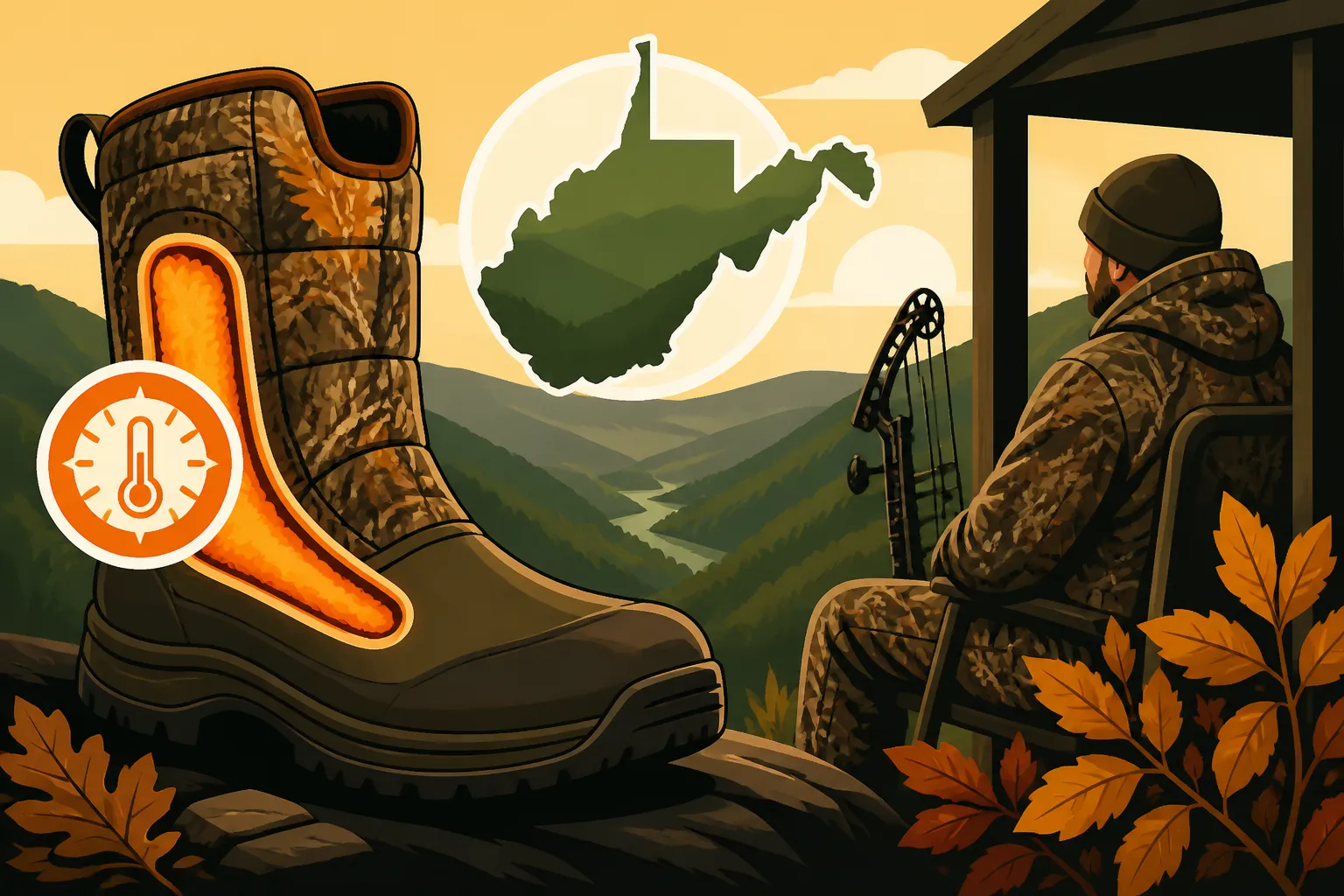
Insulated Boots for All-Day Sits
There's nothing quite like the biting cold that seeps into your bones during a long sit in a West Virginia treestand, and often, the first place you feel it is in your feet. Numb toes and an uncontrollable shiver can cut a promising hunt short faster than anything. This guide is all about understanding why quality insulated boots are an absolute game-changer for surviving those brutal mountain cold snaps and how to choose the right pair for your all-day hunting adventures in the Mountain State.
The Unsung Hero of Cold Weather Hunting: Why Insulated Boots are Non-Negotiable in West Virginia
Let's be real, a cold foot isn't just uncomfortable; it's a distraction that can totally derail your focus when that big buck finally steps out. West Virginia's diverse terrain and often unpredictable weather demand footwear that can stand up to the challenge. We're talking about everything from damp creek bottoms to exposed, wind-whipped ridge tops, and temperatures that can plummet from crisp autumn air to single digits overnight. Your feet are your foundation, and if they're not warm and dry, the rest of you won't be either.
Combatting West Virginia's Variable Winter Conditions
One minute you might be breaking a sweat walking up a steep incline in the early morning, only to be sitting motionless for hours as the mercury drops and the wind picks up. This extreme variability is precisely where a good pair of insulated boots shines. They're designed to trap heat and keep moisture out, creating a microclimate for your feet that stays comfortable regardless of what the outside world throws at you. Think about those chilly late-season hunts where you're trying Hunting the Late-Season December Lull; without adequate insulation, it's a battle you're likely to lose against the cold.
When you're dealing with melting snow, hidden springs, or just the pervasive dampness of the Appalachian woods, non-insulated or poorly insulated boots simply won't cut it. The dampness will wick heat away from your feet at an alarming rate, leading to discomfort and potentially even frostbite in extreme conditions. It's not just about the thermometer reading; it's about the combination of temperature, moisture, and wind chill that makes West Virginia hunting unique.
The Impact of Cold Feet on Performance and Safety
Beyond comfort, cold feet dramatically impact your ability to hunt effectively and safely. Trying to focus on scanning the timber for movement when your toes are screaming at you is next to impossible. You'll shift more, stomp your feet, and generally make more noise, reducing your chances of staying stealthy. Furthermore, cold, numb feet are more prone to injury. You lose dexterity and feel, making it easier to trip on uneven ground or twist an ankle, especially when navigating Hunting Steep Allegheny Ridges in low light.
Safety is paramount, and hypothermia is a genuine concern in West Virginia's colder months. While full-body hypothermia is what often comes to mind, localized cold injuries like frostnip and frostbite can occur on exposed extremities like your feet. Investing in proper insulated boots is not just about comfort; it's about safeguarding your health and ensuring you can stay out in the field as long as it takes to get the job done. This is particularly true when you're engaging in a Cold-Weather Sitting Strategy in the Mountains, where prolonged inactivity amplifies the chill.
Decoding Insulation: Grams, Materials, and When to Use What
When you start looking at insulated boots, you'll quickly notice a "gram" rating – 200g, 400g, 800g, 1000g, even 1200g or more. This number refers to the weight of insulation material per square meter, giving you a general idea of its thermal properties. However, it's not the only factor, and understanding the materials themselves is key.
Understanding Gram Weights and Temperature Ranges
The gram weight is a good starting point, but it's crucial to consider your activity level and personal cold tolerance. A 200g or 400g boot might be plenty for early season sits when temperatures are mild but dropping, or for active hunting like still-hunting where you're constantly moving. However, for those bone-chilling November and December days when you're sitting still for hours, especially when you're facing Wind and Thermals on a Steep Ridge, you'll likely want to step up to 800g or even 1000g+.
Here's a general guideline for gram weights, but remember, everyone's experience is different:
| Insulation Gram Weight | Activity Level | Typical Temperature Range | West Virginia Hunting Scenario |
|---|---|---|---|
| 200g – 400g | Active to Moderate | 30°F to 50°F (-1°C to 10°C) | Early archery, active still-hunting, cool fall days |
| 600g – 800g | Moderate to Stationary | 15°F to 35°F (-9°C to 2°C) | Mid-season treestand sits, moderate winter days, pre-dawn walks |
| 1000g – 1200g+ | Stationary | 0°F to 20°F (-18°C to -7°C) | Deep winter treestand hunts, extreme cold, long sits |
It's tempting to think "more is always better," but overly insulated boots can cause your feet to sweat if you're too active, leading to cold feet once that sweat cools. It's a delicate balance between warmth and breathability. When planning your hunt, consider what the GoHunt app or other weather resources are predicting, not just for the temperature, but also for wind chill and precipitation.
Insulation Materials: Synthetic vs. Natural
Most insulated hunting boots today use synthetic insulation, often brands like Thinsulate or Primaloft. These materials are fantastic because they retain much of their insulating properties even when wet, which is a huge advantage in West Virginia's often-damp environment. They're also generally lighter and less bulky than traditional natural insulations.
Natural insulation, like wool or down, is sometimes found in high-end cold-weather gear, but less commonly in waterproof hunting boots due to its tendency to lose insulating power when wet. However, merino wool socks worn inside your boots can provide an excellent base layer for moisture management and added warmth without significant bulk. When choosing your boots, always check the specific insulation material mentioned by the manufacturer and research its properties. A quality synthetic insulation paired with good waterproofing is usually the best bet for reliable warmth in the Mountain State.
Beyond the Warmth: Essential Features for West Virginia's Varied Terrain
Insulation is critical, but it's only one piece of the puzzle. For West Virginia hunting, your boots need to be a complete package, ready to tackle mud, steep ascents, rocky ground, and everything in between. Paying attention to waterproofing, fit, traction, and boot height will ensure your feet stay comfortable and protected from dawn till dusk.
Waterproofing and Breathability: A Necessary Balance
Waterproof construction is absolutely non-negotiable for hunting in West Virginia. Whether you're crossing a small stream, trudging through morning dew, or caught in a sudden rain or snow shower, dry feet are warm feet. Look for boots with waterproof membranes like Gore-Tex or similar proprietary technologies. These membranes are designed to block water from coming in while still allowing moisture vapor (sweat) to escape, which is the "breathability" aspect.
However, understand that "waterproof" isn't always "bombproof." Over time, membranes can wear, and even the best boots can eventually succumb to deep submersion or prolonged exposure. Regularly cleaning and conditioning the exterior of your boots, especially any leather components, will help maintain their water repellency. You'll also want to consider the overall design; fewer seams often mean fewer potential leak points. Navigating wet creek bottoms or swampy areas in the Ohio River Valley demands a boot that truly seals out moisture.
Fit, Support, and Traction: Navigating Rough Country
A good fit is paramount. Boots that are too tight will restrict circulation, making your feet colder. Boots that are too loose can cause blisters and fatigue, especially on long treks. Always try boots on with the type of socks you'll wear for hunting, and walk around in them. Pay attention to heel slip, toe room (you should have about a thumb's width between your longest toe and the end of the boot), and arch support. Many hunters overlook the importance of proper ankle support, which is vital when you're traversing uneven ground, fallen timber, or loose rock, as is common when Finding Sign in Big Monongahela Timber.
Traction is another critical feature. West Virginia's hunting grounds often feature muddy trails, leaf-covered slopes, icy patches, and slick rocks. The outsole of your boot should have aggressive, multi-directional lugs that grip well in various conditions. A stiff sole offers better support on uneven terrain and reduces fatigue over long distances, but too stiff might feel clunky. Look for a balance that provides stability without sacrificing comfort. Think about how many times you've had to carefully step over a wet log or descend a slippery hillside; good traction can prevent a nasty fall.
Boot Height and Material Choice for Protection
Boot height is largely a matter of personal preference and the type of terrain you anticipate. Taller boots (10-12 inches) offer more ankle support and better protection against deep snow, mud, and briars, which are common in West Virginia. They're also helpful if you're post-holing through deeper snow in the higher elevations. Shorter boots (6-8 inches) are lighter and offer more flexibility, better suited for drier conditions or less rugged ground.
As for materials, full-grain leather is durable and molds to your foot over time but requires more break-in and maintenance. Synthetic materials are lighter, often more flexible, and require less break-in, but may not last as long as high-quality leather. Many boots feature a hybrid construction, combining the best of both worlds. Rubber bottoms with neoprene or nylon uppers are popular for their waterproof qualities, especially in consistently wet or muddy environments. While a hunter might think about Boots for West Virginia Hollows and Ridges specifically for ruggedness, don't forget the need for warmth.
Making Your Investment Last: Care and Maintenance for Insulated Hunting Boots
You've invested your hard-earned money in a quality pair of insulated hunting boots, and with proper care, they can serve you well for many seasons. Neglecting your boots, especially after a tough West Virginia hunt, is the fastest way to shorten their lifespan and compromise their performance.
Post-Hunt Cleaning and Drying Rituals
The moment you get home, resist the urge to just kick them off and forget about them. First, remove any caked-on mud, dirt, or debris. A stiff brush and water (or a hose, if they're really dirty) will do the trick. Pay special attention to the seams and around the sole where dirt can hide and cause wear. Once clean, the most crucial step is proper drying. Never, ever dry your boots directly next to a heat source like a campfire, wood stove, or direct heater. High heat can degrade the adhesives, leather, and waterproof membranes, leading to cracking and premature failure.
Instead, remove the insoles and open the boots up as wide as possible. Stuff them with newspaper or use a boot dryer on a low, gentle setting. Newspaper works wonders by absorbing moisture from the inside. Change the newspaper every few hours until the boots are dry. This internal drying is just as important as the external. A properly dried boot will last longer and smell better, too! This practice is especially important after a long day when your boots have been soaked from the inside and out.
Conditioning, Waterproofing, and Storage
For boots with leather components, once they are completely dry, apply a leather conditioner or wax. This keeps the leather supple, prevents cracking, and maintains its water resistance. For synthetic boots, a spray-on DWR (durable water repellent) treatment can refresh the exterior's ability to shed water. Even boots with waterproof membranes benefit from this, as it prevents the outer fabric from "wetting out," which can make them feel colder and heavier.
When the season ends, clean and dry your boots thoroughly one last time. Store them in a cool, dry place away from direct sunlight and extreme temperatures. Avoid leaving them in a damp basement or a hot attic, as these conditions can accelerate material degradation. Consider using boot trees or stuffing them with newspaper to help them retain their shape during storage. Taking care of your boots between seasons ensures they're ready to perform when you pull them out for your next adventure. Many hunters neglect this step, but it's a simple way to extend the life of essential gear.
Disclaimer
This article is for general informational purposes only and does not constitute professional advice. Laws, prices and regulations vary by location and change over time. Consult a qualified professional for guidance on your specific situation.