Late-Season Food Sources for West Virginia Whitetails
The late season in West Virginia can feel like a completely different hunting experience than the early weeks or even the peak rut. You're bundled up against the biting cold, snow might be on the ground, and those deer you patterned just weeks ago seem to have vanished into thin air. It’s frustrating, right? When the woods are stark and barren, finding those elusive whitetails often boils down to one critical factor: food. This comprehensive guide will break down the essential late-season food sources for West Virginia whitetails, helping you pinpoint where deer are feeding and how to approach those crucial spots.
The Late-Season Grind: Why Food Becomes King
As the calendar turns towards December and January, the landscape in West Virginia undergoes a dramatic transformation. The lush greenery of summer is long gone, the vibrant fall foliage has dropped, and the abundant mast crops that fueled the early season deer are largely depleted. This harsh reality changes deer behavior in fundamental ways, making the search for sustenance their number one priority.
Shifting Deer Behavior in Winter
Deer are survivalists, and as winter tightens its grip, their priorities shift entirely towards conserving energy and finding enough calories to make it through. Gone are the days of chasing does or traveling long distances to cover territories. Now, every calorie counts, and every movement is calculated. Deer will consolidate into smaller, often denser areas where food is most concentrated and cover is abundant, allowing them to minimize exposure to the elements and predators. This means that instead of spreading out across the landscape, they'll often be found in tight pockets.
The impact of cold and snow on their energy needs is immense. A deer needs significantly more calories to simply maintain its body temperature when the mercury drops, especially with a fresh blanket of snow making travel more difficult. They’ll seek out thermal cover – thick stands of evergreens, dense laurel thickets, or deep, protected hollows – and they won't stray far from reliable food sources. Imagine a cold snap hitting, bringing temperatures well below freezing for days. Those deer, shivering through the nights, will be absolutely driven to feed heavily during the warmer parts of the day, making specific food sources absolute magnets. Understanding this shift is paramount to late-season success.
The Scarce Landscape of a West Virginia Winter
If you've spent any time in the West Virginia woods after the leaves have fallen, you know how barren it can look. The familiar oak flats that were teeming with deer in October are now picked clean, and the persimmon trees are bare. It’s easy to feel defeated when scouting, seeing nothing but leafless hardwoods and an empty forest floor. This scarcity is precisely what drives deer to very specific locations. The frustration of finding barren woods is a common late-season experience, but it also means that when you do find a reliable food source, it's exponentially more valuable.
The early season food sources, like white oak acorns, soft mast like grapes and apples, and lush green growth, are either completely consumed or long past their prime. White oak acorns, for example, are highly preferred but typically germinate quickly or are eaten by early November. This means deer are forced to seek out less palatable but still nutritious options that have either persisted or become newly available. This puts a premium on those few remaining natural food sources and any accessible agricultural fields. For insights into how the season transitions, consider reading up on Hunting the Late-Season December Lull to understand deer behavior during this specific timeframe.
Unearthing Natural Late-Season Forage
Even in the deepest chill of winter, West Virginia's diverse landscape still holds pockets of natural food that deer will eagerly seek out. It just takes a keen eye and a bit more effort to locate them. These aren't the abundant buffets of early fall, but rather critical survival rations.
Hard Mast Holdouts and Hidden Acorns
While most acorns are gone, not all hard mast disappears at the same rate. Red oak acorns, for instance, are notoriously bitter until they've been leached by moisture and cold. This means deer often pass them up for sweeter white oak varieties earlier in the season. However, red oak acorns also have a much longer shelf life and are slower to germinate. By late season, after several freezes and thaws, they become a prime, high-calorie food source, often found lingering on the ground, especially on north-facing slopes where snow cover might protect them or in thick leaf litter.
Beechnuts are another fantastic late-season find. If you have beech trees in your hunting area, especially older, mast-producing ones, keep an eye out. Beechnuts are tiny but packed with fat and protein, and deer will work hard to root them out from under the snow or leaves. While not as widespread as oak, if you find a stand of beeches, you've found a late-season honey hole. A real-life scenario might involve carefully scanning the ground in a beech grove, looking for disturbed leaf litter or small tracks, indicating where deer have been nosing around. These hidden nuts can be the difference between a starving deer and one that makes it through the winter.
Woody Browse and Evergreen Sustenance
When mast is truly gone, deer turn to woody browse. This includes the tender tips of branches, shrubs, and young saplings. West Virginia offers a variety of these, including greenbrier, honeysuckle, sumac, and the fresh sprouts of maple and oak that might still be accessible. Look for areas with dense undergrowth, especially where timber has been cut within the last few years, promoting new growth at deer height. Deer will leave obvious browse lines where they've nipped off the ends of branches.
Evergreens also play a crucial role. Eastern red cedar thickets, for instance, provide not only critical thermal cover from harsh winds and snow but also a source of browse. Deer will consume cedar foliage, especially when other options are scarce. Rhododendron and mountain laurel, while less palatable, can also be browsed in desperation. Finding dense cedar thickets, especially those interwoven with greenbrier or honeysuckle, means you've likely found a late-season deer sanctuary that offers both food and shelter. You can often see defined trails leading into and out of these thickets, betraying their hidden residents.
Persistent Soft Mast and Relic Food
It's rare, but sometimes, late into the season, you can still find remnants of soft mast. Certain varieties of wild apples might still cling to branches, particularly in old homesteads or abandoned orchards that dot the West Virginia landscape. Wild persimmons, if they haven't been picked clean by other wildlife, can also remain on the trees, even after freezing. While these finds are more like bonus snacks than primary food sources, deer are opportunists and won't pass up an easy meal.
Even late-hanging wild grapes or some tenacious multiflora rose hips can provide a quick burst of energy. These are often found along creek bottoms or field edges, areas that might also offer good travel corridors. While these aren't guaranteed, validating that deer will take advantage of any available food means it's always worth a quick scan, especially if you know a particular area held these fruits earlier in the year.
Here's a quick reference for common late-season natural food sources in West Virginia:
| Food Source | Type | Availability (Late Season) | Deer Preference | Key Locations |
|---|---|---|---|---|
| Red Oak Acorns | Hard Mast | Moderate (persists) | High | North-facing slopes, thick leaf litter, mature woods |
| Beechnuts | Hard Mast | Scarce (if present) | Very High | Mature beech groves, protected hollows |
| Greenbrier | Woody Browse | Abundant | High | Thickets, clear-cuts, creek bottoms |
| Honeysuckle | Woody Browse | Abundant | High | Forest edges, disturbed areas, old fields |
| Sumac | Woody Browse | Moderate | Medium | Field edges, clearings, open woods |
| Maple/Oak Sprouts | Woody Browse | Moderate | Medium | Recent timber cuts, disturbed areas |
| Eastern Red Cedar | Evergreen | Abundant | Medium | Thickets, ridge tops, old pastures |
| Frozen Wild Apples | Soft Mast | Rare | High | Old homesteads, field edges |
| Persistent Persimmon | Soft Mast | Rare | High | Field edges, open woods, creek banks |
Agricultural and Supplemental Draws
While natural forage is important, nothing pulls deer like abundant, high-calorie agricultural food sources, especially when natural options are scarce. This is where private land, or public land bordering agriculture, can become incredibly valuable in the late season.
Unharvested Row Crops and Leftover Grains
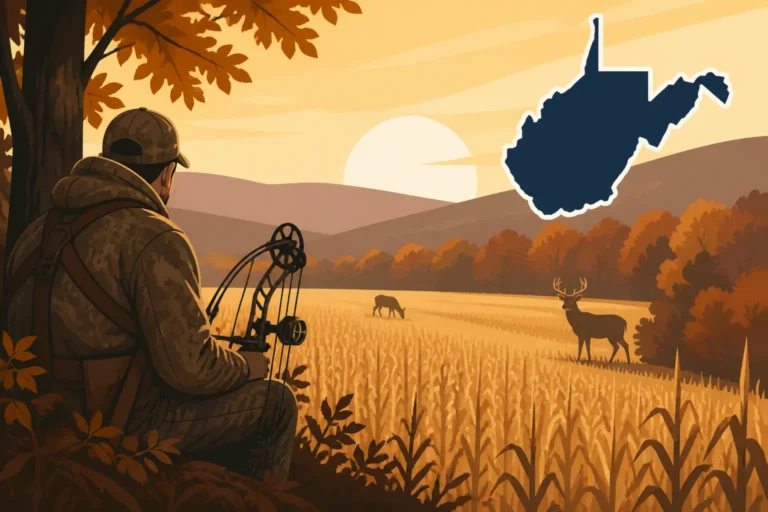
For many West Virginia whitetails, especially those in the more agricultural Eastern Panhandle or Ohio River Valley, unharvested or partially harvested row crops are absolute magnets. Think standing cornfields, cut soybean fields, or even overlooked sections of hayfields. A farmer might leave a corner of a cornfield unharvested, or a combine might miss rows or drop significant amounts of grain. Deer will meticulously work these fields, often under the cover of darkness, but also during daylight hours when conditions are severe enough.
Scouting these areas means looking for heavy deer traffic along the edges of these fields, deep trails, and fresh droppings. If you're hunting near a standing cornfield, the deer aren't just eating the corn; they're also using it for bedding and thermal cover, especially on windy, cold days. You might even find them bedded right in the middle of a cut bean field if the pressure is low enough and food is abundant. Identifying these spots, particularly on parcels you have permission to hunt, can be game-changing. For more specific insights, consider how hunters approach Hunting a Standing Soybean Field in different parts of the state.
Green Fields and Winter Cover Crops
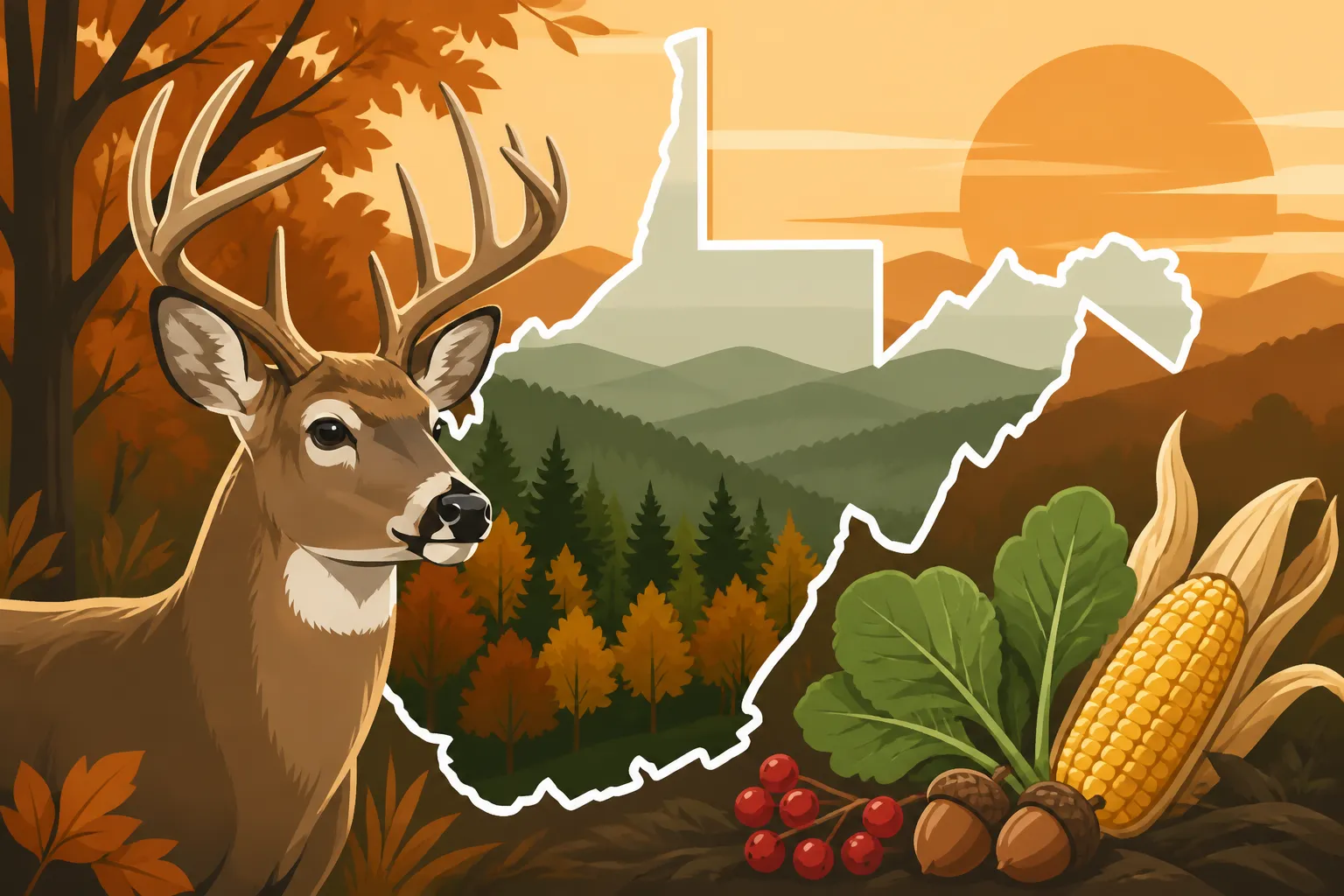
Many landowners and even some wildlife management areas (WMAs) in West Virginia plant food plots, also known as green fields or winter cover crops, specifically for deer. These are designed to be palatable and nutritious late into the season. Common plantings include clover, which can remain green under snow, and brassicas like turnips and radishes, which become sweeter after a few hard frosts. Winter wheat and oats are also popular, providing a consistent green forage.
Deer will pound these food plots, often visiting them daily. If you've been using tools like GoHunt, you might be able to identify public land areas that have designated food plots, though precise details often require on-the-ground scouting or contacting local WVDNR offices. For private land, a friendly conversation with a landowner might reveal if they've planted any. These managed plots essentially create an oasis in an otherwise barren landscape, drawing deer from surrounding cover. When a cold front pushes through, deer will often hit these green fields more aggressively during daylight hours to fuel up.
Hay Bales and Other Accidental Feeds
Deer are highly opportunistic, and sometimes, the best late-season "food source" is entirely accidental. Large round hay bales left in fields can become attractive feeding spots. Deer don't eat the hay itself (they're ruminants, not grazers of dry fodder), but they'll often browse on weeds, leftover clover, or grain spills around the base of the bales. Furthermore, the bales themselves can act as windbreaks, making the area around them a more comfortable spot to feed.
Similarly, grain spills near barns, old feed troughs, or even forgotten piles of silage can draw deer in. While hunters must always be mindful of ethical hunting practices and baiting regulations in West Virginia (which prohibit placing or distributing bait to attract game animals), discovering these incidental food sources can provide key insights into deer movement. It's not about actively creating a feeding station, but rather observing where deer naturally gravitate due to available resources. It simply validates that deer will find any opportunity to supplement their diet when times are tough.
Strategic Hunting Around Late-Season Food
Finding late-season food is only half the battle; the other half is effectively hunting those areas without blowing deer out. Deer are hyper-alert and pressured by this point in the season, making a cautious, strategic approach vital.
Scouting for the Scarcest Meals
Late-season scouting is less about covering vast amounts of ground and more about precision. Focus on areas where food is most likely to persist: thickets, north-facing slopes, specific agricultural fields, or known food plots. Use good optics – binoculars and spotting scopes – to glass likely feeding areas from a distance, especially during low-light hours. You're looking for movement, but more importantly, for fresh tracks in snow or mud, disturbed ground, and tell-tale browse lines. Tools like GoHunt can provide valuable aerial imagery, helping you identify potential agricultural fields or dense timber stands where you might find persistent browse or acorns. Always check historical data or talk to local experts about areas known to hold deer later in the year. Remember, these deer are concentrated, so finding a single sign can mean multiple deer are nearby. For more general guidance on preparation, consider Scouting West Virginia Public Land Before Season as the principles still apply, just with a narrower focus.
Stand Placement and Approach
Once you've identified a promising food source, your stand placement and approach are critical. Deer often feed during the last hour or two of daylight in the late season, sometimes even earlier if the weather is exceptionally severe. Set up downwind of the feeding area, paying extremely close attention to wind direction and thermals. Cold air sinks, meaning thermals will typically drop down into hollows in the mornings and rise up ridges in the afternoons. Your entry and exit routes must be quiet and avoid crossing known deer travel routes.
Instead of setting up directly on a food source, often the most effective strategy is to target the travel corridors leading to it. Deer will often stage in heavy cover just off a food source before stepping out into the open. Identify these transition areas – a saddle between two peaks, a pinch point along a creek bottom, or a subtle ridge line leading into a field. Placing your stand there can give you a shot at a deer that feels safe. For tactics specifically adapted to enduring the cold, a read on Cold-Weather Sitting Strategy in the Mountains will be immensely helpful.
Understanding Pressure and Time of Day
Late-season deer have likely been hunted for months. They've seen hunters, heard shots, and become incredibly wary. This pressure means they'll often stick to thick cover until the absolute last minute, especially on heavily hunted public land. However, extreme cold changes this equation. When the temperatures plummet and snow piles up, deer must feed. This can sometimes push them to feed more heavily during daylight hours than at any other time of year.
Avoiding over-pressuring prime late-season spots is crucial. If you blow deer out of a small, reliable food source, it might be days or even weeks before they return, if at all. Consider hunting these spots sparingly, perhaps only when conditions are absolutely perfect (e.g., a cold front pushes through). Using a ground blind can sometimes offer a lower-impact way to hunt a food source, as it's less intrusive than hanging a new stand. And when that unexpected cold snap hits, remember that hunting after a cold front can yield incredible results as deer are forced to move and eat.
Disclaimer
Please note: Hunting regulations and seasons can change. Always consult the latest West Virginia Division of Natural Resources (WVDNR) hunting regulations before heading afield. This guide provides general information and recommendations for educational purposes only.