Sitting a Field Edge in Late Season
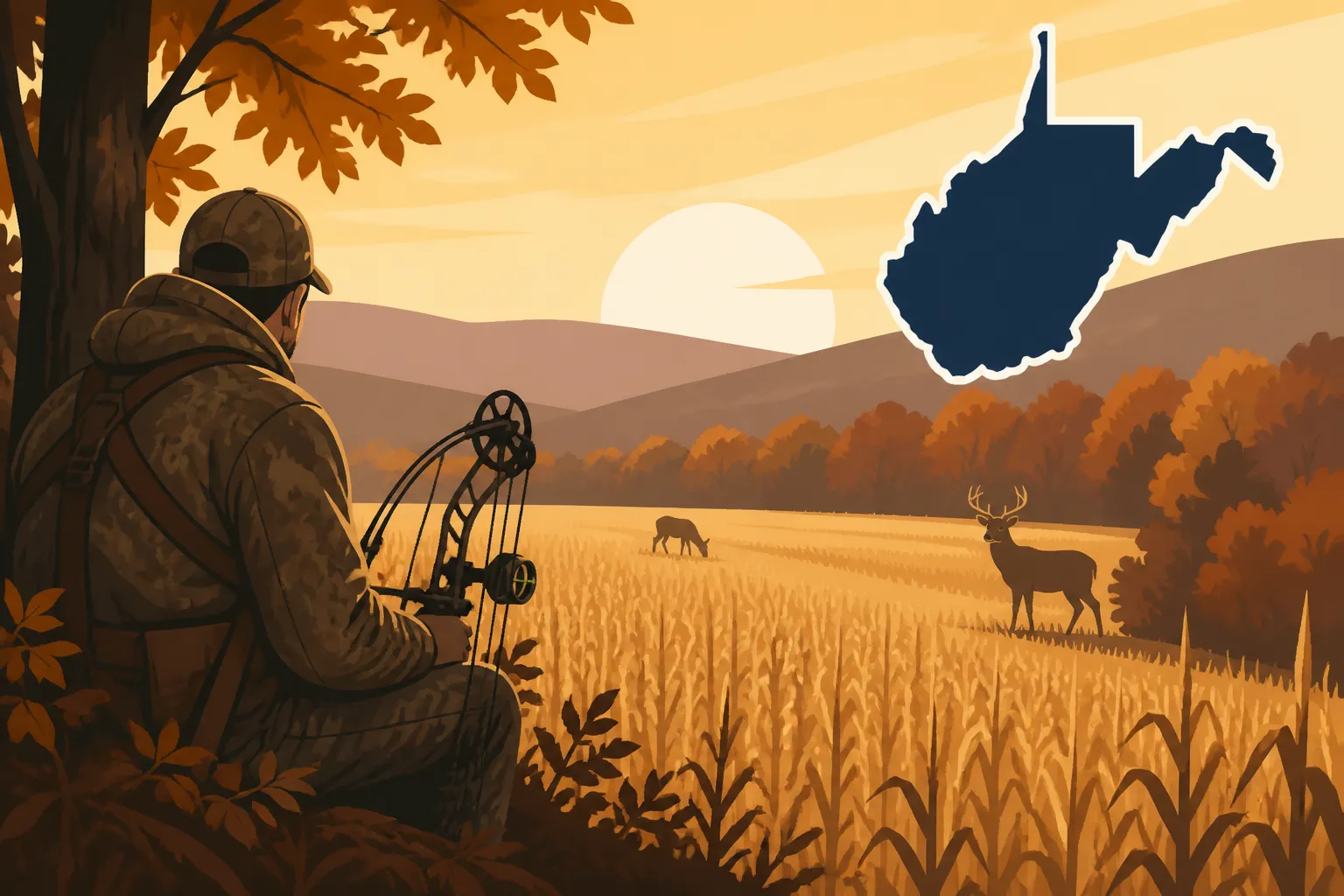
The late season in West Virginia can be a brutal but rewarding time to hunt deer, especially when you're perched on the edge of a field. Deer have seen a lot of pressure by now, their natural food sources are dwindling, and the chill in the air dictates their every move, making them incredibly difficult to pattern. This comprehensive guide is designed to help you understand why deer use field edges in the waning days of hunting season, how to set up strategically, and what gear and tactics will keep you comfortable and effective when the mercury drops.
Understanding Late-Season Deer Behavior on Field Edges
As winter approaches and the landscape grows stark, a deer's priorities shift dramatically. Survival becomes paramount, driven by the need for readily available calories and thermal protection from the elements. This fundamental change in their behavior is what makes field edges so potent during the late season.
The Draw of Persistent Food Sources
By late November and December, much of the natural mast crop – acorns, beechnuts, and soft mast – has been depleted or buried under fallen leaves and snow. This scarcity forces deer to seek out more reliable, concentrated food sources, and agricultural fields fit that bill perfectly. Fields of standing corn, harvested soybeans, or planted brassicas become magnets for deer looking to pack on calories to survive the harsh winter ahead. They know these fields offer the best chance for a consistent meal.
It's not just about what's in the field, but what's left in the field. Even a harvested corn field can hold a surprising amount of dropped kernels, offering easy pickings for hungry deer. Soybean fields, even after harvest, will have residual beans that provide vital protein and fat. And for those fortunate enough to have access to fields planted specifically for wildlife, like turnips or winter wheat, these become absolute hotspots. Deer will often hit these food sources just before dark and linger until well after daylight, maximizing their feeding time when temperatures are at their lowest. Understanding these patterns is key to successful Hunting the Late-Season December Lull.
Thermal Cover and Sun Exposure
Beyond food, deer are constantly seeking thermal cover and sunny spots to conserve energy during the cold, short days of late season. A field edge often provides a perfect combination of these elements. The transition line between an open field and a dense woodlot or a thicket of pines or cedars offers crucial protection from biting winds and heavy snow. Deer might bed just inside this cover, especially on a south-facing slope that catches the warming rays of the low winter sun.
Imagine a crisp, clear December morning. The air is still, but it's cold. A deer exiting the warmth of a dense pine thicket on the field edge, stepping into the sunshine to feed, is a common late-season sight. They'll gravitate towards these areas where they can feed efficiently while remaining close to escape routes and thermal bedding. When you're scouting, use a mapping tool like GoHunt to analyze aerial photos, looking for dense stands of evergreens or thick briar patches bordering potential food sources. These topographical features can reveal where Reading a Hollow for Deer Movement After Snow might lead them to feed.
Strategic Setup for a West Virginia Late-Season Field Edge
Setting up your stand or blind on a field edge during late season requires meticulous planning. You're dealing with deer that have been pressured for months and are extremely wary. Your goal is to be invisible, silent, and positioned perfectly for a shot.
Concealment and Wind Direction
Your ability to remain undetected is paramount. Natural cover along a field edge, such as a brushy fencerow, a stand of tall cedars, or the deep shadows of mature hardwoods, is your best friend. A well-brushed-in ground blind can be incredibly effective, especially if it's been in place for a while. Remember, in West Virginia, you can't just throw up a blind and expect deer to ignore it. Deer are accustomed to seeing changes in their environment. Blinds should be brushed in meticulously, becoming part of the natural landscape. For public land, ensure you understand the rules around Using a Ground Blind on West Virginia Public Land.
Wind direction is non-negotiable. Even in freezing temperatures, a deer's nose is its primary defense. You must play the wind. A slight thermal drift might push your scent down into a hollow or up a ridge, so pay attention to how air currents behave, especially around dawn and dusk. This is where a good mapping app like GoHunt can provide crucial topographical data, helping you predict how wind and thermals will interact with the terrain. When you're considering Brushing In a Blind on a Field Edge, always position it so your scent is blowing away from where you expect deer to approach and feed.
Entry and Exit Routes
This is often the most overlooked aspect of hunting a field edge, and it’s arguably the most critical for late-season success. If deer know you’re there before you even settle into your stand, or if you bump them on the way out, you’ve effectively ruined that spot, at least for a few days. Plan your approach and exit to be as stealthy and non-disruptive as possible. This means using natural terrain features, such as creek bottoms, ditches, or dense wood lines, to screen your movement.
Try to approach from a direction that keeps the wind in your favor, avoiding direct lines of sight from where deer might be feeding or bedding. Often, this means taking a longer, more circuitous route. Similarly, for your exit, wait until all deer have left the field if possible. If you must exit while deer are still present, do so as quietly as possible, again, utilizing cover and favorable wind. Think about the impact of your pressure; deer, especially mature bucks, will alter their patterns quickly if they feel threatened. Using a tool like GoHunt's property lines layer can also help ensure you're sticking to legal access points while planning these vital routes.
Gear and Tactics for Success in the Cold
Late-season hunting in West Virginia often means dealing with truly biting cold, sometimes accompanied by snow or freezing rain. Your comfort directly impacts your ability to remain focused and still, which is essential for success.
Layering Up for Frigid Sits
Sitting motionless for hours in freezing temperatures demands proper attire. Forget cotton; it holds moisture and saps heat. Instead, embrace a comprehensive layering system. Start with a good base layer of merino wool or synthetic material to wick away moisture. Over that, add insulating mid-layers like fleece or puffy jackets. Your outer layer should be windproof and waterproof, capable of shedding snow and rain while blocking the chilling wind. Don't forget your extremities! A warm hat, insulated gloves or mittens (perhaps with hand warmers tucked inside), and a good neck gaiter are crucial.
Perhaps the most critical piece of clothing for a cold-weather sit is your footwear. Cold feet will send you home faster than anything else. Invest in high-quality, insulated hunting boots, and wear warm wool socks. Consider bringing a small insulated pad to sit on, keeping your backside off the cold stand. For more detailed advice, check out Cold-Weather Sitting Strategy in the Mountains and Insulated Boots for All-Day Sits. Being prepared physically allows you to be mentally prepared to wait for that crucial moment.
Patience and Shot Execution in Low Light
The late season often means deer move primarily during the low-light hours of dawn and dusk. This creates a challenging scenario for shot execution. You might only have a narrow window of good shooting light, and the deer might be moving quickly, eager to get to the food. Patience becomes a virtue. Don't rush a shot. Wait for the deer to present a clear, ethical broadside shot, even if it means letting it walk a bit further into the field.
Practice shooting in low-light conditions before the season to build confidence. Understand your weapon's capabilities in dim light. Your optics—whether a rifle scope or bow sight—should be clean and free of fog. A rangefinder is essential, as distance estimation can be tricky in fading light. When the moment comes, take a deep breath, focus on your aiming point, and execute a clean shot. Recovering a deer in the dark, especially in West Virginia's rugged terrain, is already difficult, so ensure your shot placement is impeccable. Consider reading about Hunting Deer After a Cold Front for how deer react to changing weather.
Reading the Sign and Adapting to Conditions
Deer sign tells a story, and during the late season, that story is often one of survival. Being able to interpret fresh sign and adapt your tactics based on changing weather conditions can make all the difference.
Interpreting Tracks and Droppings
Fresh tracks in the snow or mud leading to and from a field edge are undeniable proof of recent deer activity. Look for clusters of tracks, indicating multiple deer using the same path, or larger, deeper tracks that might signify a mature buck. The direction of travel can tell you if deer are entering the field from a particular bedding area or departing to seek cover. Similarly, fresh droppings are a goldmine of information. Soft, moist droppings mean deer were there very recently. Pay attention to their size and consistency – larger droppings often indicate larger deer.
Beyond just identifying fresh sign, try to discern a pattern. Are they consistently entering the field from a specific corner? Is there a particular trail along the field edge that sees more traffic? Using a topographical map, perhaps even the ones on GoHunt, helps you visualize how these trails connect to bedding areas or other food sources. This knowledge allows you to fine-tune your stand placement, perhaps shifting it fifty yards to intercept deer that might otherwise pass just out of range. Check out Reading West Virginia Mud for Fresh Deer Movement for more insights.
Adjusting for Snow and Ice
West Virginia's late season often brings snow and ice, which dramatically impact deer movement and visibility. Fresh snow can be both a blessing and a curse. It makes tracking incredibly easy, highlighting every deer trail and showing you exactly where they've been. However, it also makes deer more visible to you, and conversely, it can make you more visible to them. Strive to blend in with the snowy landscape.
Ice, on the other hand, can shut down deer movement in some areas. If trails are icy and treacherous, deer might opt for easier travel routes, or simply move less overall. Fields that become glazed with ice might be harder for deer to access or feed in, pushing them to other food sources like standing browse in thickets. Pay attention to forecasts and scouting reports. If a heavy snowfall is expected, deer often feed heavily just before and after the storm. Knowing these subtle shifts can help you target Late-Season Food Sources for West Virginia Whitetails more effectively.
Late Season Field Edge Setup Checklist
Here's a quick reference table to help you optimize your late-season field edge hunt:
| Factor | Consideration | Key Action |
|---|---|---|
| Food Source | Standing corn, soybeans, brassicas, winter wheat remnants. | Identify most attractive, accessible, and active feeding plots. |
| Thermal Cover | Dense evergreens (pines, cedars), thick briar patches, south-facing slopes. | Locate cover adjacent to food sources, especially those with sun exposure. |
| Wind Direction | Prevailing winds, thermal drafts (especially near dawn/dusk). | Always position to keep your scent away from deer approach/feeding areas. |
| Concealment | Natural brush, dense trees, well-brushed ground blinds. | Blend seamlessly into the natural landscape; consider natural blind options. |
| Entry/Exit | Quiet, wind-favored routes; avoid disturbing deer. | Use terrain features for cover; wait for fields to clear before exiting. |
| Comfort Gear | Layered clothing, insulated boots, hand warmers, seat pad. | Prioritize warmth and dryness to maintain focus and stillness during long sits. |
| Optics | Clean, fog-free binoculars and scope, rangefinder. | Practice shooting in low light; confirm distances before the hunt. |
| Sign Reading | Fresh tracks, droppings, consistent travel patterns. | Adapt stand placement based on real-time deer movement and activity. |
Final Thoughts on West Virginia Field Edge Hunting
Hunting West Virginia's field edges in the late season is a test of patience, endurance, and strategy. But for those willing to brave the cold and put in the effort, the rewards can be immense. Those big, cautious bucks that have avoided hunters all season often become a bit more predictable as survival drives them to the remaining reliable food sources. Remember to prioritize safety, always let someone know where you're hunting, and cherish every moment spent in the beautiful, rugged mountains of West Virginia. Getting a deer off a steep ridge can be a challenge, so be prepared for Recovering a Deer From a Steep Hollow.
Disclaimer
The information provided in this guide is for general informational purposes only and does not constitute professional advice. Hunting regulations and conditions can change rapidly. Always consult the latest West Virginia Division of Natural Resources (WVDNR) regulations and local laws before planning any hunting trip. Hunt safely and ethically.