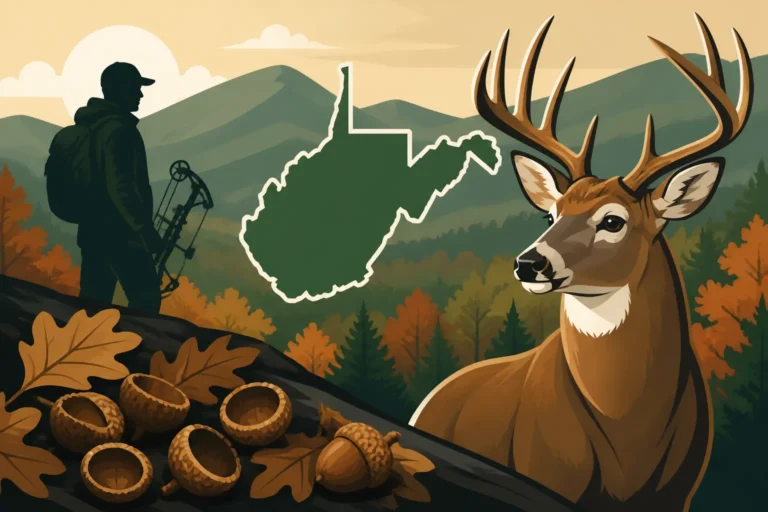
Hunting Potomac Highlands Public Land
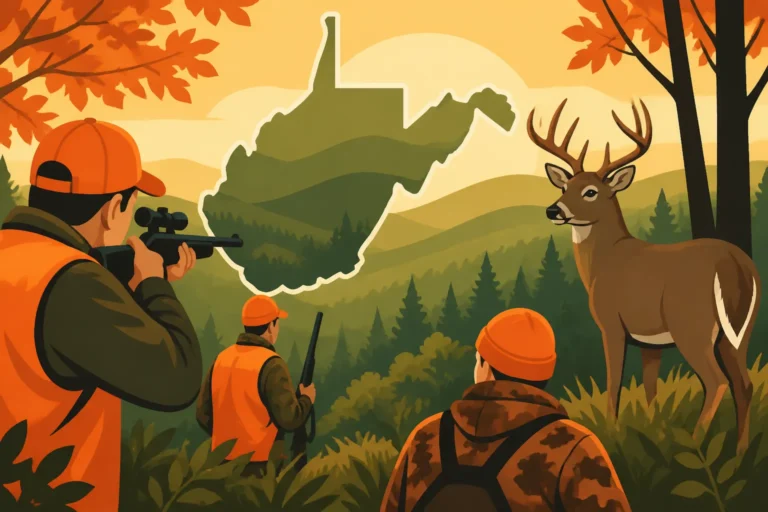
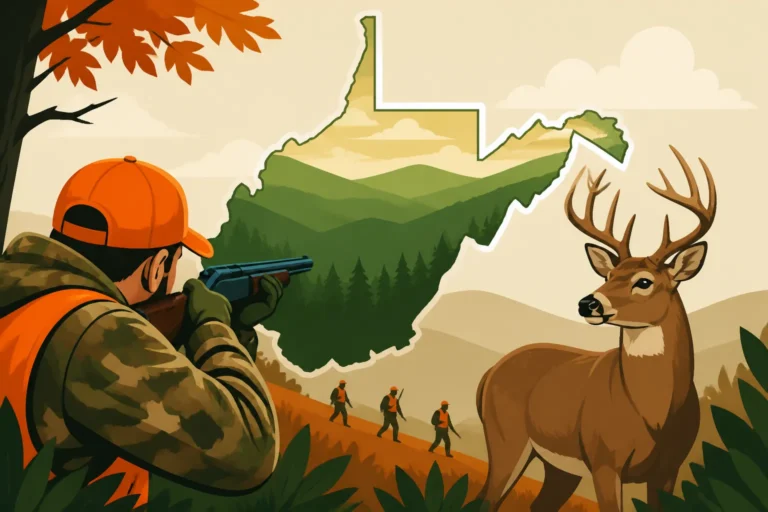
The steep, unforgiving terrain of West Virginia's Potomac Highlands can be intimidating for any hunter, leaving many wondering where to even begin their public land adventure. Finding accessible, productive ground amidst these vast mountains often feels like searching for a needle in a haystack, especially when you're contending with dense cover and dramatic elevation changes. This comprehensive guide aims to demystify hunting these incredible public lands, offering practical strategies and insights to help you navigate the unique challenges and opportunities found in this rugged corner of the Mountain State.
Understanding the Unique Landscape of the Potomac Highlands
Hunting in the Potomac Highlands is an experience unlike many other regions. It demands a different approach, a certain level of physical preparedness, and a keen understanding of how the land dictates animal movement and behavior. This isn't just a hunt; it's an immersion into a truly wild landscape that offers incredible rewards for those willing to put in the effort.
Rugged Terrain and Elevation Extremes
The Potomac Highlands isn't your typical flatland hunting experience; we're talking about serious mountains here, carved by ancient rivers and glaciers, resulting in dramatic elevation changes within relatively short distances. You'll find yourself scrambling up steep inclines, navigating rocky outcrops, and descending into deep, dark hollows that might not see sunlight for hours. This topography dictates everything from how deer move to where turkeys roost and even where grouse prefer to make their homes. It's a land of high ridges and narrow valleys, often heavily timbered, which means visibility can be limited, and every step is a workout. Hunters coming from flatter regions might find the sheer physical demands a significant adjustment, but the reward is often less crowded woods and truly wild animals.
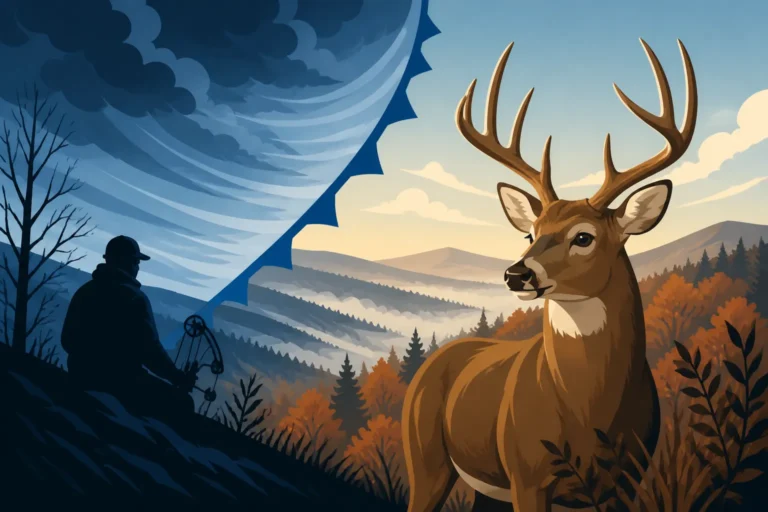
This ruggedness also creates unique microclimates. One side of a ridge might be a wind-swept, north-facing slope holding dense evergreens like spruce and hemlock, while the south-facing slope just over the top could be a sun-drenched hardwood forest, littered with acorns in the fall. Understanding these subtle shifts is crucial. Game animals, especially deer and bears, use these changes to their advantage, finding thermal cover, bedding areas, and food sources that suit the current conditions. You might scout a perfect bedding area only to find it deserted due to a change in wind or temperature, forcing you to think on your feet and adapt to the mountain's whims. The sheer scale of the landscape means you'll spend more time walking, climbing, and exploring, so come prepared for an aerobic challenge, and remember that Wind and Thermals on a Steep Ridge are your constant companions.
Diverse Habitats and Ecosystems
Beyond the rugged terrain, the Potomac Highlands boasts an incredibly diverse range of habitats, a critical factor for successful hunting. From the high-elevation red spruce forests reminiscent of northern wilderness to expansive oak and hickory stands, and from thick laurel and rhododendron hells to regenerating clear-cuts, this region has it all. This mosaic of ecosystems supports a healthy population of various game species. For instance, the higher elevations often provide crucial summer range and mast crops for bears, while lower, more sheltered areas with mixed hardwoods are prime deer country.
You'll encounter vast tracts of mature timber, but also areas actively managed for timber, creating successional growth that is gold for deer and grouse. Think about those brushy clear-cuts where young saplings and briars offer unparalleled cover and browse for deer. Or the dense alder runs along mountain streams where woodcock thrive. This habitat diversity means that your scouting efforts need to be broad, and your hunting tactics flexible. A strategy that works in a mature oak flat might be completely ineffective in a spruce thicket. A hunter truly keyed into these habitat differences can unlock more opportunities throughout the season. Being able to read the land and identify these diverse zones, even on a map, is half the battle; knowing that West Virginia Deer Antler Growth Timeline might be impacted by varying mast availability in these diverse habitats further underscores their importance.
Overview of Primary Target Species
The Potomac Highlands is a big game hunter's paradise, but it also offers fantastic opportunities for small game and upland birds. When we talk about big game, white-tailed deer are, of course, a primary focus. While the deer might not carry the massive racks seen in some agricultural parts of the state, they are often older, wilier, and incredibly tough, providing a real challenge. Black bears also roam these mountains in significant numbers, offering one of the most liberal seasons in the country. Wild turkeys, both gobblers in the spring and flocks in the fall, thrive here, utilizing the vast timber and mast crops.
For those who love chasing smaller game, the region is a stronghold for ruffed grouse, especially in areas with aspen regeneration or dense evergreens. Squirrels are abundant in the hardwood forests, and rabbits can be found in brushy clearings and fencerows. Woodcock, a migratory bird, also pass through the alder bottoms during their fall migration. This incredible diversity means you can literally hunt multiple species within a few miles of each other, making the Potomac Highlands a truly special hunting destination for a wide array of pursuits. Understanding the habits and preferred habitats of each of these species will vastly improve your chances, and you'll quickly realize why this region boasts such a healthy West Virginia Wildlife Disease Monitoring program to keep these populations thriving.
Key Public Hunting Lands in the Potomac Highlands
The sheer amount of public land in the Potomac Highlands can be a double-edged sword: it offers endless possibilities but can also feel overwhelming. Knowing where to focus your efforts and understanding the nuances of different public land types is essential for success.
The Dominance of Monongahela National Forest
When people think of hunting the Potomac Highlands, their minds often jump straight to the Monongahela National Forest, and for good reason. The "Mon," as it's affectionately known, covers over 920,000 acres, much of which lies within the Potomac Highlands counties like Pocahontas, Randolph, Pendleton, Tucker, and Grant. This vast expanse of public land is the backbone of hunting opportunity in the region. It’s a mix of designated wilderness areas, working forest, and multiple-use lands, all open to public hunting. The sheer scale can be daunting, but it also means there are always new ridges to explore and hollows to descend. This is big woods hunting at its finest, where patience, stamina, and good navigation skills are paramount.
Within the Monongahela, you'll find everything from remote, roadless areas perfect for those seeking true wilderness solitude to areas with more developed trail systems. Hunters need to pay attention to specific regulations within wilderness areas, as motorized vehicles and certain types of equipment (like mountain bikes or even game carts in some places) may be restricted. Always check the local forest service rules in addition to the WVDNR regulations. Scouting West Virginia Public Land Before Season is vital here. A good topographical map or a GPS mapping app like GoHunt can be invaluable for identifying potential access points, remote ridges, and key habitat features within the Monongahela. Don't be afraid to put some serious miles on your boots here; the further you get from the road, the more likely you are to find undisturbed game, particularly where Monongahela Forest Bucks Bed.
Notable Wildlife Management Areas and Their Focus
While the Monongahela National Forest is vast, several excellent Wildlife Management Areas (WMAs) are scattered throughout the Potomac Highlands, often managed by the West Virginia Division of Natural Resources (WVDNR). These WMAs often have specific management objectives that can enhance hunting opportunities for certain species. For example, the Potomac Wildlife Management Area in Grant County offers diverse habitat, including farmland, open fields, and forest, providing excellent deer and turkey hunting opportunities. Cheat Wildlife Management Area, near Parsons in Tucker County, is known for its rugged forest and provides good bear and grouse hunting. Similarly, Pedlar Wildlife Management Area in Randolph County is another solid choice for deer and turkey.
These WMAs are typically well-marked and often have better access roads or parking areas than some of the deeper national forest tracts. However, this ease of access can sometimes mean higher hunting pressure, especially on opening weekends. It’s a trade-off. Some WMAs may also have specific regulations, such as sign-in requirements or special youth hunting days, so always consult the WVDNR regulations for the specific area you plan to hunt. Think of WMAs as more intensively managed pockets within the broader highland landscape, often designed to optimize habitat for particular game species, making them worth exploring alongside the larger national forest acreage. Remember that West Virginia WMA access permit requirement details might apply to some areas.
County-Level Public Access and Opportunities
Beyond the major federal and state public lands, several counties within the Potomac Highlands offer additional public hunting opportunities, sometimes through smaller state forests or even leased timber company lands. Counties like Grant, Pendleton, Randolph, Tucker, Pocahontas, Mineral, and Hardy all contain significant portions of the Monongahela National Forest or various WMAs. However, each county can have unique characteristics and regulations worth noting. For example, some counties might have higher deer densities in specific zones, or particular WMAs might be better known for their bear populations due to abundant mast crops.
It's crucial to understand that while these counties are part of the broader Highlands region, specific local conditions can vary wildly. A deep dive into the WVDNR's county-specific harvest reports can give you insights into where certain species are thriving. For instance, Grant County CWD Zone Public Ground might have different rules for carcass movement, or you might find that Pendleton County Public Hunting Access offers a slightly different mix of timber and open ground. Local knowledge is gold, so don't hesitate to check in with bait shops or local sporting goods stores when you arrive; they often have a pulse on where the action is.
Strategic Hunting Methods for Potomac Highlands Big Game
Hunting big game in the Potomac Highlands is a rewarding pursuit that tests your skills, patience, and physical endurance. The animals here are truly wild, and the terrain demands well-thought-out strategies.
Deer Hunting Tactics in Steep Country
Hunting whitetails in the Potomac Highlands is a unique challenge. Forget those flat-land food plots; here, you're looking for natural food sources like acorns, beechnuts, and browse, often dictated by elevation and aspect. Deer in this rugged terrain learn to conserve energy, using benches, saddles, and old logging roads as travel corridors. They'll bed on points and ridges where they have a view and the wind in their favor, or tuck into dense laurel thickets. Still-Hunting Cranberry WMA Ridges is an excellent tactic here, moving slowly, glassing ahead, and listening intently. You need to be methodical and patient, always considering your Entry Routes Through Standing Corn or other cover types.
Understanding wind and thermals is absolutely critical. On a steep ridge, air currents often rise in the morning as the sun warms the ground and fall in the evening as temperatures drop. Deer use these thermals to scent check below them. Setting up above a suspected travel route in the morning or below it in the afternoon can give you an advantage. Often, the best strategy is to find a bench or a saddle that connects two hollows or ridges, serving as a natural funnel. Pay close attention to subtle terrain features—a slight dip, a change in timber, or a rock outcrop can become a deer's favorite travel route. You'll put in a lot of work, but the payoff of a hard-earned mountain buck is immense. Don't underestimate the importance of your entry and exit routes to avoid spooking game.
Bear Hunting Approaches
The Potomac Highlands is prime bear country, with a robust and growing population. West Virginia's Liberal Bear Season is one of the longest in the country, allowing various methods. Many hunters pursue bears with hounds, a tradition deeply embedded in mountain culture. Running Hounds for West Virginia Bears is a highly effective method, as the dogs can track and tree bears across the challenging terrain, allowing hunters to navigate to the tree for a shot. This is a physically demanding pursuit, requiring specialized dogs, knowledge of bear habits, and the ability to traverse extremely steep and thick country.
For still-hunters, focusing on natural food sources is key. Bears are opportunistic omnivores, and in the fall, they'll gorge on mast crops like acorns and beechnuts to put on weight for winter. Look for areas with heavy mast production, especially oak flats on benches or along creek bottoms. Finding fresh scat, flipped rocks, or torn-up logs are all excellent indicators of recent bear activity. Spot-and-stalk tactics can be effective in more open timber or powerline cuts, particularly during periods of high mast availability. Identifying active bear trails and setting up patiently near a proven food source can yield results. Remember, bears have an incredible sense of smell, so play the wind diligently, especially when Hunting Bears Over Natural Mast in the Mountains.
Spring and Fall Turkey Strategies
Hunting wild turkeys in the Potomac Highlands offers thrilling challenges, whether you're chasing gobblers in the spring or calling in a fall flock. Spring Turkey Hunting in West Virginia sees hunters often focusing on ridgelines and benches where birds love to roost and strut. Locating gobblers on the roost at first light is paramount. Listening for distant gobbling, then swiftly and quietly moving into position before they hit the ground, is a classic run-and-gun tactic. Calling a West Virginia Gobbler Off the Roost requires patience and subtlety, often just enough to pique his interest without over-calling. Find a setup against a large tree with good visibility and clear shooting lanes.
Fall turkey hunting is a different ballgame. Turkeys often congregate in large flocks, typically hen-led, and feed heavily on mast. Your goal is usually to scatter a flock, then set up and call them back together using yelps, clucks, and lost hen calls. This Breaking Up a Fall Turkey Flock strategy works well in the dense timber of the Highlands. Understanding the different West Virginia Fall Turkey County Tiers is also important, as season lengths vary. These birds are incredibly wary, especially in the fall, so meticulous scouting for feeding areas, roosts, and fresh sign is crucial for success.
Chasing Small Game and Upland Birds in the Highlands
While big game often gets the spotlight, the Potomac Highlands offers fantastic, and often less pressured, opportunities for small game and upland bird hunters. These pursuits can be incredibly rewarding and help you hone your woodsmanship throughout the year.
Ruffed Grouse in Allegheny Highlands Cover
For many, the ruffed grouse is the king of upland birds in West Virginia, and the Potomac Highlands offers some of the best opportunities, particularly in the Allegheny Highlands. Grouse thrive in young, regenerating forests, often found in aspen cuts, dense laurel thickets, or areas with a mix of conifers and hardwoods. Grouse Hunting Allegheny Highlands Cover demands stamina, a good ear, and often a well-trained bird dog. These birds hold tight, flushing explosively at your feet or just ahead, providing a challenging shot. You'll walk miles, often through thick cover, so proper footwear and brush pants are essential.
The key to finding grouse is locating their preferred habitat. Look for dense pockets of cover near water sources or food-producing areas. Old logging roads that are slowly regenerating are often hotspots. In the fall and winter, grouse will key into winter food sources like buds, catkins, and remaining berries. While a good dog can significantly increase your success rate, many hunters Flushing Grouse Without a Dog by meticulously working through promising cover, stopping frequently to listen for flushes, and keeping their gun ready. The sound of a drumming grouse echoing through the mountains is a reward in itself, a true testament to the wildness of this region.
Squirrels in Oak and Hickory Ridges
Squirrel hunting often gets overlooked in the excitement of big game seasons, but it offers fantastic opportunities in the Potomac Highlands, particularly for sharpening your woodsmanship and scouting skills. Both gray and fox squirrels are abundant throughout the hardwood forests. They’ll be heavily focused on mast crops like acorns, hickory nuts, and beechnuts. Squirrel Hunting a West Virginia Oak Ridge is a classic approach. In early season, you might find them actively cutting nuts, and listening for the tell-tale sound of falling nut fragments can guide you to their feeding zones.
Still-hunting slowly through mature oak and hickory stands, especially on sun-drenched slopes, is a productive tactic. Look for cuttings—the small pieces of nut shells on logs, rocks, or the forest floor—as fresh sign of activity. Don't forget to look up; squirrels often feed high in the canopy. For those who enjoy a more stationary approach, finding a good ambush point near a heavy mast tree or a well-used travel corridor between trees can yield plenty of action. A good pair of binoculars can help spot camouflaged squirrels high in the branches, and a .22 rifle or a small-gauge shotgun are excellent choices for this exciting pursuit, offering a chance to fill the freezer when West Virginia Squirrel Season Opening Day rolls around.
Woodcock in Alder Runs and Wet Bottoms
The American Woodcock, sometimes called the "timberdoodle," is a migratory bird that passes through West Virginia during the fall, and the Potomac Highlands can offer excellent hunting for them. These unique birds prefer damp, boggy areas with young, dense cover, particularly alder runs along mountain streams and beaver ponds. Finding Woodcock in Alder Runs requires a keen eye for habitat and a willingness to wade through some messy terrain. They're masters of camouflage, often holding incredibly tight until you're almost on top of them, then flushing vertically through the thick cover.
Similar to grouse, a good bird dog with a strong nose is invaluable for woodcock hunting, as they can pinpoint birds in dense cover. Without a dog, you'll need to meticulously work these thick, wet areas, paying close attention to any subtle movements or flushes. Look for their distinct "boring" holes in the soft earth, where they probe for earthworms, their primary food source. Woodcock hunting is a fast-paced, close-quarters affair, and a quick-handling shotgun with an open choke is usually preferred. They provide a unique challenge and a great reason to explore the wetland pockets of the Highlands, especially during the West Virginia Woodcock Season Dates.
Navigating the Challenges of Highlands Public Land
The rugged beauty of the Potomac Highlands comes with its own set of challenges that can deter the unprepared hunter. However, with the right mindset and preparation, these obstacles can be overcome, leading to more successful and enjoyable hunts.
Effective Pre-Season Scouting Strategies
One of the biggest frustrations for hunters on vast public lands is the feeling of being overwhelmed. Where do you even start? Pre-season scouting is not just recommended; it's absolutely essential in the Potomac Highlands. This isn't just about finding rubs and scrapes; it's about understanding the terrain, identifying travel corridors, locating natural funnels, and pinpointing food and water sources. Using mapping tools like the WVDNR's Go Wild app or a dedicated hunting app like GoHunt with its robust public land layers is a game-changer. You can virtually scout from home, identifying potential access points, remote ridges, and steep hollows that might hold deer.
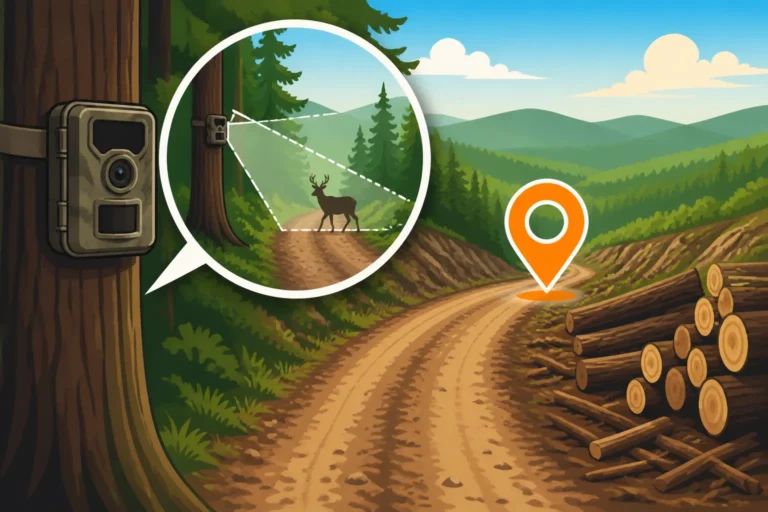
On-the-ground scouting, however, is irreplaceable. Go for walks in the spring and summer. Identify acorn-producing oaks, beechnut trees, and potential bedding areas. Look for old logging roads or trails that animals might use. Pay attention to how the wind and thermals will behave in different areas. Reading Aerial Photos for Eastern Panhandle Deer offers similar insights for the Highlands, helping you identify distinct timber changes or clear-cuts that might not be obvious from the ground. The more time you spend in the woods before the season opens, the better you'll understand the flow of the land and where animals might concentrate, ultimately reducing frustration and increasing your success.
Dealing with Hunting Pressure and Finding Solitude
Public land, by its nature, attracts other hunters, and the Potomac Highlands are no exception. While the sheer vastness helps, you'll still encounter pressure, especially on easily accessible areas or during opening weekends. The key to finding solitude and undisturbed game often comes down to one simple principle: go where others aren't willing to go. This typically means walking further, climbing higher, or descending into those deep, dark hollows that most hunters avoid. Hunting Pressure on West Virginia Public Land is a real factor, and adapting to it is crucial.
Don't be afraid to put on an extra mile or two from the nearest road or parking area. Often, just getting a half-mile off the beaten path is enough to shed 80% of the hunting pressure. Look for terrain features that create natural barriers to human access, like steep cliffs, dense laurel thickets, or broad, flat creek bottoms that require wading. Consider hunting during weekdays or in the later parts of the season when fewer people are in the woods. While it requires more effort, the reward of finding undisturbed game in a truly wild setting is what makes hunting the Potomac Highlands so incredibly special. Sometimes, the most daunting terrain is precisely where you'll find what you're looking for, perhaps by Finding Ground Others Walk Past.
Weather Preparedness and Mountain Safety
The weather in the Potomac Highlands can be as unpredictable as it is beautiful. You can start a crisp fall morning in a light jacket and find yourself caught in a sudden downpour, or even a late-season snowstorm, by lunchtime. Conditions can change rapidly, and being unprepared can quickly turn a memorable hunt into a miserable, or even dangerous, situation. Layering is critical. Think moisture-wicking base layers, insulating mid-layers like fleece or wool, and a waterproof/windproof outer shell. Cold-Weather Sitting Strategy in the Mountains demands serious attention to clothing.
Beyond clothing, mountain safety is paramount. Always carry a compass and a reliable GPS unit or a fully charged phone with offline maps, as cell service can be spotty at best. Let someone know your hunting plans, including your route and expected return time. A small first-aid kit, a headlamp, fire-starting materials, and extra water and high-energy snacks are non-negotiables, even on a "day hunt." Recovering a Deer From a Steep Hollow can be incredibly challenging, even dangerous, if you're not prepared. The mountains are stunning, but they demand respect and thorough preparation.
Essential Gear for Potomac Highlands Hunting
Having the right gear won't guarantee success, but it will certainly enhance your comfort, safety, and ultimately, your effectiveness in the challenging environment of the Potomac Highlands. Skimping on essentials here can lead to a truly miserable experience.
Footwear and Layering for Rugged Conditions
Your feet are your most important tool in the Potomac Highlands. You'll be putting in serious miles over uneven, often steep, and sometimes wet terrain. Investing in high-quality, waterproof, and supportive hunting boots with excellent ankle support is non-negotiable. Look for boots designed for mountain hunting; they’ll offer the stability and traction you need. Merino wool socks are also a game-changer for moisture-wicking and blister prevention.
For clothing, layering is the only way to effectively manage the fluctuating temperatures and exertion levels. You’ll be hiking hard uphill, generating heat, then sitting motionless on a cold stand. Start with a good moisture-wicking base layer to pull sweat away from your skin. Add insulating layers like fleece or wool for warmth, making sure you can easily add or shed them. A quiet, waterproof, and windproof outer shell is crucial for those sudden mountain squalls. Think about how Wool Versus Synthetics in Mountain Cold performs; wool retains warmth even when wet, which is a significant advantage. Don't forget a warm hat and gloves, even on milder days, as exposed extremities quickly lose heat.
Navigation and Safety Essentials
Given the vastness and often lack of cell service in the Monongahela National Forest and other remote areas, reliable navigation is paramount. A dedicated GPS unit is still considered by many to be the gold standard, offering dependable service even without satellite phone signal. However, modern smartphone apps like GoHunt or the WVDNR's Go Wild app, with downloaded offline maps, are incredibly powerful tools. Just be sure to carry a portable power bank to keep your phone charged. Always carry a traditional compass and know how to use it as a backup – batteries die, and electronics fail.
Beyond navigation, safety should always be your top priority. A quality first-aid kit, whistle, fire starter, headlamp with extra batteries, and an emergency blanket can be lifesavers. Carrying enough water and high-energy snacks is also critical. If you're planning on Tracking a Deer Through West Virginia Leaf Litter after dark, a powerful headlamp becomes an absolute necessity. Consider a personal locator beacon (PLB) for truly remote hunts, especially if hunting alone. West Virginia's mountains are beautiful but unforgiving if you get lost or injured.
Optics and Weaponry Considerations
Choosing the right optics and weaponry for the Potomac Highlands depends heavily on the species you're pursuing and the specific terrain. For rifle hunters, a caliber capable of cleanly taking deer or bear at moderate ranges, perhaps up to 200-300 yards, is ideal. Popular choices include .270, .30-06, .308, or 6.5 Creedmoor. A quality rifle scope with good low-light performance is invaluable for those dim hollows and last minutes of legal shooting light. Rifle Scopes for Low-Light Hollows can make or break a hunt, allowing you to clearly identify your target in challenging light conditions.
Archery hunters will find treestand hunting challenging on steep slopes, but saddle hunting or strategically placed ground blinds can be effective. Fixed-blade broadheads are often favored for their reliability in dense timber. For bear hunting, a larger caliber rifle or a shotgun slug is suitable. For upland birds, a fast-handling 12 or 20-gauge shotgun with an open choke is perfect for quick flushing grouse and woodcock. Binoculars (8x or 10x) are essential for glassing distant slopes or finding deer sign. A rangefinder is also incredibly useful for accurately judging distances in varied terrain, which is particularly important when Rifle Ranges Realistic in Steep Terrain can be deceptive.
| Public Land Area | Primary Species | Key Habitat Features | Access Challenges | Best Use Case |
|---|---|---|---|---|
| Monongahela National Forest | Deer, Bear, Turkey | Vast mature timber, high elevation spruce, deep hollows | Remote, steep terrain | Wilderness big game, solitude |
| Potomac WMA | Deer, Turkey | Farmland, open fields, mixed forest | Moderate pressure | Mixed-habitat deer/turkey, easier access |
| Cheat WMA | Bear, Grouse | Rugged forest, clear-cuts, high elevation | Dense cover, steep | Bear hunting, ruffed grouse |
| Pedlar WMA | Deer, Turkey, Bear | Mixed hardwoods, some clear-cuts, varied topography | Variable pressure | General big game, diverse hunting |
| County Forests | Deer, Small Game | Smaller tracts, often mixed with private land, diverse | Patchy, local knowledge | Localized small game, deer during peak times |
Disclaimer
This guide provides general information about hunting in West Virginia's Potomac Highlands. Hunting regulations, seasons, and access rules can change frequently. Always consult the most current West Virginia Division of Natural Resources (WVDNR) regulations and specific land management rules before planning any hunt. Safety should always be your top priority.