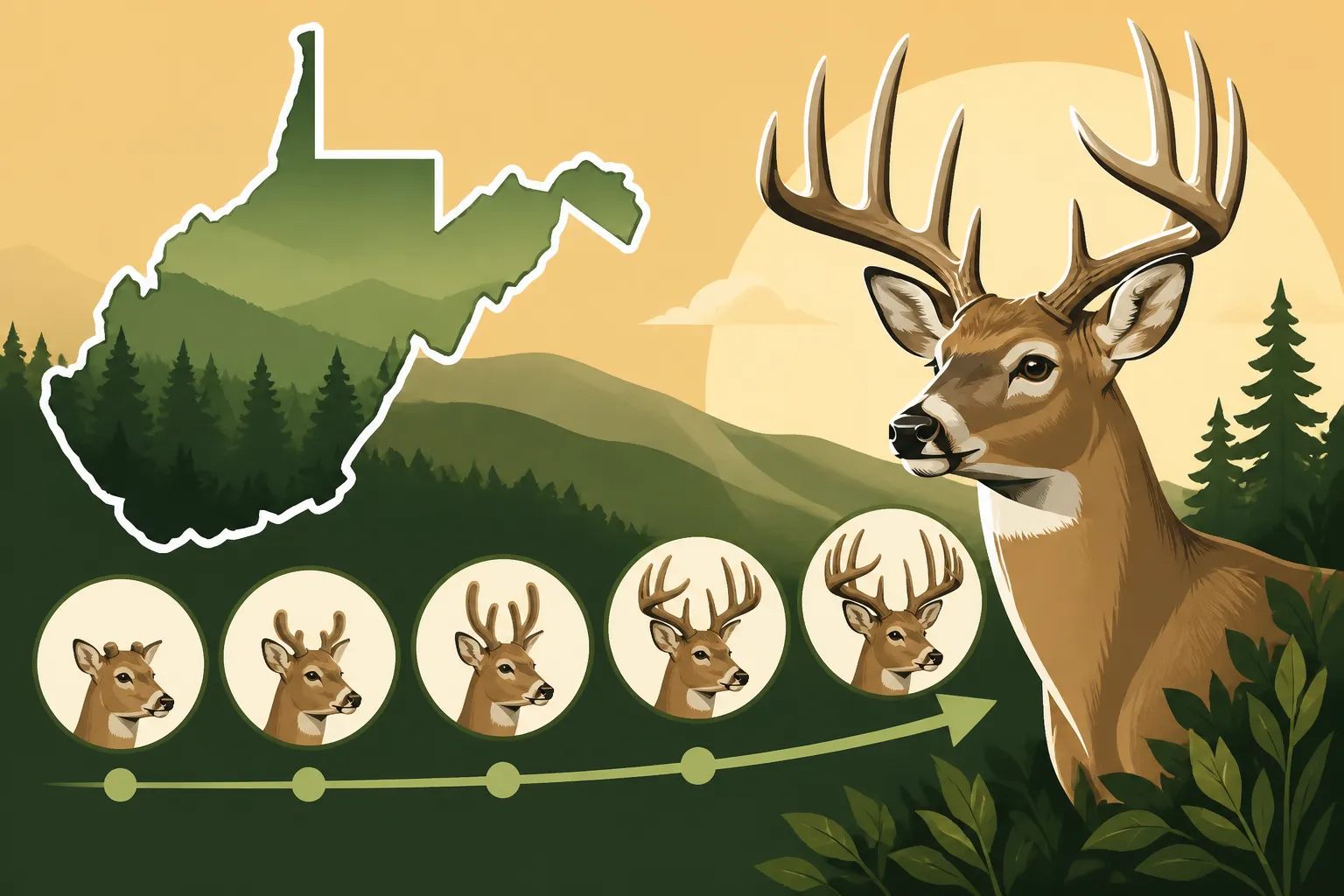
West Virginia Deer Antler Growth Timeline
One of the most captivating aspects of hunting West Virginia's white-tailed deer, and frankly, a source of endless fascination and sometimes deep frustration for hunters, is the incredible, annual cycle of antler growth. You might be out in early spring, seeing little nubbin bucks, and then suddenly by fall, they're sporting impressive racks. Understanding this intricate process, from when those first nubs appear to when the hardened antlers are shed, can give you a real edge in scouting, identifying mature bucks, and appreciating the resilience of our mountain whitetails. This guide will walk you through the fascinating West Virginia deer antler growth timeline, shedding light on what drives those annual transformations.
The Annual Antler Cycle: A Hormonal Dance in West Virginia's Woods
The entire process of antler growth is a marvel of nature, driven primarily by hormones and deeply influenced by a buck's age, nutrition, and genetics. It's not a static thing; it’s a dynamic, year-long cycle that mirrors the rhythms of life in our Appalachian forests. For West Virginia hunters, recognizing these stages is crucial for anticipating deer behavior and making informed decisions in the field.
Winter: Shedding and Regeneration
After a long, cold West Virginia winter, usually between late January and early April, bucks begin to shed their antlers. This timing can vary quite a bit, even among bucks in the same area. A buck that was stressed during the rut, perhaps by injury or a prolonged period of chasing does without much recovery, might shed earlier. Older, more dominant bucks often hold their antlers longer than younger ones, but there's no hard and fast rule.
Once the antlers are shed, the pedicle – the bony base on the skull from which the antlers grow – begins to heal. This period is critical, even though nothing visible is happening above the skull. Below the surface, the body is already preparing for the next growth cycle. Think of it as hitting the reset button. Many hunters love this time of year for Shed Hunting on West Virginia Public Land, walking logging roads and ridges hoping to find those fallen treasures. It’s not just a scavenger hunt; it’s an incredible way to take inventory of the bucks that made it through the season and see what kind of bone they were carrying.
Spring: The Rapid Ascent in Velvet
As the days lengthen and the vibrant greens of spring burst forth across West Virginia, signaling new life, the deer's hormonal changes kick into high gear. With increasing daylight, the buck's pituitary gland begins to produce more prolactin, and critically, testosterone levels are at their annual low. This specific hormonal cocktail triggers the rapid new growth.
By April and May, you'll start to see little bumps on the pedicles, quickly elongating into fuzzy, velvet-covered shafts. This velvet isn't just a pretty covering; it's a living tissue rich with blood vessels and nerves, carrying essential nutrients and minerals directly to the rapidly growing bone. It's an astonishing process; a buck can grow an inch or more of antler per day during peak spring and early summer! Imagine trying to put on that much bone in such a short amount of time. It's a testament to the incredible energy and resources a buck's body dedicates to this annual display. During this time, the bucks are trying to pack on as much nutrition as possible from the burgeoning spring forage.
Summer's Surge: Development and Mineralization
Summer is when the magic really happens for antler development. While many hunters are dreaming of fall, the bucks are out there in the heat, quietly building their headgear. This is when you'll see the full expression of their genetic potential, aided or hindered by the quality of the food sources they can access.
June and July: Branching Out and Lengthening
During June and July, the antlers continue their rapid growth, developing tines and mass. The amount of growth a buck puts on depends heavily on its age and the quality of its diet. A young, healthy buck might be growing his first substantial rack, while a mature 4 or 5-year-old buck is putting the finishing touches on what could be a magnificent set of antlers. All of this is still happening under the protective, nourishing layer of velvet.
Access to protein, minerals like calcium and phosphorus, and overall forage quality are absolutely paramount during this phase. If West Virginia has a particularly lush spring and early summer with abundant browse and forbs, bucks will have a better chance of maximizing their antler potential. Conversely, a drought-stricken summer with poor forage can result in smaller, less developed racks, even on older deer. This is a critical period that really sets the stage for what you'll see when West Virginia's Archery Season Opens. Using tools like GoHunt, you can analyze satellite imagery to identify areas with prime summer forage that might be producing larger racks.
August: Hardening and Mineralization
As August progresses, a subtle shift begins. Days start to shorten, and the hormonal balance within the buck’s body starts to change. Testosterone levels slowly begin to rise. This increase in testosterone signals the slowing of blood flow to the velvet, and the bone-building process accelerates, leading to mineralization. The antlers harden from the base upwards. This is a crucial transition period, often unseen by hunters unless they happen to catch a glimpse of an early velvet shed.
By late August, most bucks are entering the final stages of antler hardening. The velvet, which has served its purpose, begins to dry out and die. It will soon be rubbed off.
Fall: Hard Horns, Rubs, and the Rut's Influence
This is the moment all West Virginia deer hunters anticipate: seeing those hard-earned antlers shining in the fall sun. The development doesn't stop once the velvet is gone; it's just a different kind of "development" now, preparing the buck for the breeding season.
September: Velvet Shed and Polishing
As late August rolls into September, the testosterone surge really takes hold. The drying velvet becomes itchy and irritating to the buck, prompting him to rub it off. This is a fascinating period, often happening over just a few days. Bucks will rub their antlers on saplings, small trees, and even brush, tearing off the velvet. This initial rubbing often leaves some bloody streaks on the antlers, but they quickly clean up. The process also helps to polish the antlers, giving them their distinctive color, which varies depending on the type of trees and vegetation the buck rubs on.
By the time Bowhunting West Virginia's Long Archery Season truly gets underway, most West Virginia bucks are sporting clean, hard antlers. Those early rubs and scrapes you find in the woods are usually the first signs of this post-velvet activity. Bucks are marking their territory and establishing dominance, letting other deer know they are present and ready for the upcoming rut.
October and November: Rut Activity and Maintenance
Throughout October and especially into November, as Hunting the West Virginia Rut in November approaches, antlers serve their primary purpose: intimidation and combat. Bucks use their antlers to spar with rivals, establish hierarchy, and sometimes to engage in serious fights over breeding rights. While the antlers aren't growing in the traditional sense anymore, the buck's physical condition and energy levels still impact how well he can defend and utilize his rack during the intense period of the rut. A buck that is overly stressed or injured during the rut might even begin to show signs of antler "regression" if the season is long and hard.
This table summarizes the general timeline and key events:
| Month | Antler Stage | Key Biological Event | Hunter's Perspective |
|---|---|---|---|
| January – March | Shedding / Pedicle Healing | Decreased testosterone, antler detachment | Shed hunting, assessing winter survival |
| April – May | Early Velvet Growth | Increased prolactin, low testosterone, rapid growth | First visible growth, "nubbin" bucks, rapid changes |
| June – July | Peak Velvet Growth, Branching | Continued rapid growth, mineralization begins | Antler development well underway, tines form |
| August | Hardening, Velvet Preparation | Testosterone levels rise, blood flow to velvet slows | Antlers solidifying, velvet begins to dry |
| September | Velvet Shed and Polishing | High testosterone, velvet rubs off | Hard antlers, rubs appear, bucks establishing dominance |
| October – December | Hard Horns, Rut Use | Maintained high testosterone, combat, breeding | Rut behavior, scraping, fighting, peak hunting season |
Factors Influencing Antler Quality in West Virginia
While the timeline is fairly consistent, the quality of antlers — their size, mass, and number of points — can vary dramatically. This isn't just random luck; it's a direct result of several interconnected factors.
Age: The Number One Predictor
Hands down, the single biggest factor influencing antler size is age. A young buck simply hasn't had enough time to reach his full antler potential. In West Virginia, most bucks don't hit their prime antler production until they are 3.5, 4.5, or even 5.5 years old. Before that, their bodies are still investing a lot of energy into overall body growth and development.
You might see a yearling (1.5 years old) buck with tiny spikes, or perhaps a small 6-point. A 2.5-year-old might have a respectable 8-point, but it will likely lack the mass and spread of a fully mature buck. Patience is a virtue when it comes to trophy antlers. Why the Eastern Panhandle Grows Big Bucks often comes down to areas with lower hunting pressure, allowing bucks to reach older age classes.
Nutrition: Fueling the Growth Machine
Antlers are bone, and bone requires significant amounts of protein, calcium, phosphorus, and other minerals. A buck with consistent access to high-quality forage will almost always grow better antlers than one struggling to find adequate food. West Virginia's diverse landscape offers varying levels of nutrition. Areas with rich agricultural fields or abundant mast crops (like acorns, which are crucial, especially after Hunting After a Poor Acorn Year) tend to produce healthier deer and, consequently, bigger antlers.
If a buck is forced to spend more energy simply surviving due to poor food sources, that energy is diverted away from antler growth. This is why you often see a correlation between areas with fertile soils and healthier deer populations, indicated by larger body sizes and antler growth. Good nutrition isn't just about size, it's also about symmetry and overall antler health. Late-Season Food Sources for West Virginia Whitetails are critical for post-rut recovery and preparing for the next year's antler cycle.
Genetics: The Blueprint for Bone
While age and nutrition are huge, genetics also play a role. Just like in humans, some deer are simply predisposed to grow larger, more impressive antlers due to their inherited genetic traits. You can have two bucks of the same age and on the same diet, and one might consistently grow a bigger rack than the other simply because of its genetic blueprint.
It's a complex interplay. Even a buck with excellent genetics won't reach its full potential if it doesn't have the age and nutrition to support that growth. Conversely, a buck with poor genetics isn't likely to grow a monster rack, even if it lives to an old age and eats like a king. It's a combination of all these factors coming together that determines the final outcome. Understanding the West Virginia Deer Herd Size and local population dynamics can give insights into genetic potential.
Overall Health and Stress
A buck's overall health can significantly impact antler growth. Any major illness, injury, or prolonged period of stress can divert resources away from antler development. For instance, if a buck breaks a leg during the summer, its body might prioritize healing that injury over growing antlers, potentially resulting in a smaller or malformed rack that year. Severe winters or EHD (Epizootic Hemorrhagic Disease) outbreaks can also impact the herd's overall health and, by extension, antler quality.
For hunters looking to understand the local deer herd's health and potential, looking for these indicators can be helpful. Keep an eye out for limping deer, deer with patchy coats, or those looking particularly gaunt. These are signs of a stressed animal, and it's likely their antler growth was affected that season.
Scouting for Antler Potential in West Virginia
Understanding the antler growth timeline isn't just biological trivia; it's incredibly practical for West Virginia hunters. By knowing what to look for and when, you can become a more effective scout and hunter.
Summer Scouting for Future Success
Even though you can't hunt deer in August, summer is an incredibly valuable time for scouting. With the aid of trail cameras, you can get a good feel for the bucks in your hunting area and watch their antlers develop in real-time. Early summer, when antlers are still growing rapidly, you might see small baskets or developing tines. By late summer, just before velvet shed, you'll have a much clearer picture of what the buck will look like in the fall.
This intelligence gathering is priceless. You can identify specific bucks you want to target, understand their summer patterns, and get a rough idea of their age class. This information can then be cross-referenced with your knowledge of food sources and bedding areas as you continue Scouting West Virginia Public Land Before Season. When using mapping tools like GoHunt, you can drop pins for observations of bucks in velvet and track their location as the season progresses, giving you a better understanding of their core summer range.
Rubs, Scrapes, and Post-Velvet Assessment
Once the velvet is shed in September, the true assessment of antler quality begins. The appearance of fresh rubs on saplings and trees is a clear sign that bucks are polishing their antlers and actively marking their territory. These rubs, along with scrapes, indicate areas of high buck activity. Pay attention to the size of the rubs; larger, more aggressive rubs often suggest a bigger, more mature buck.
By observing these signs and continuing to monitor with trail cameras, you can put together a comprehensive picture of the bucks in your area. This helps you develop strategies for Rattling and Grunting in West Virginia during the rut, or figuring out good stand locations. When you're Reading a Ridge for Eastern Panhandle Deer, looking for these signs along travel corridors can be hugely beneficial.
The journey of a West Virginia buck's antlers, from shedding to growth to rut-ready hard horns, is a year-round testament to nature's cycles. As hunters, appreciating and understanding this intricate timeline only deepens our connection to the land and the animals we pursue.
Disclaimer
This article is for general informational purposes only and does not constitute professional advice. Laws, prices and regulations vary by location and change over time. Consult a qualified professional for guidance on your specific situation.