Mange in West Virginia Coyotes and Foxes
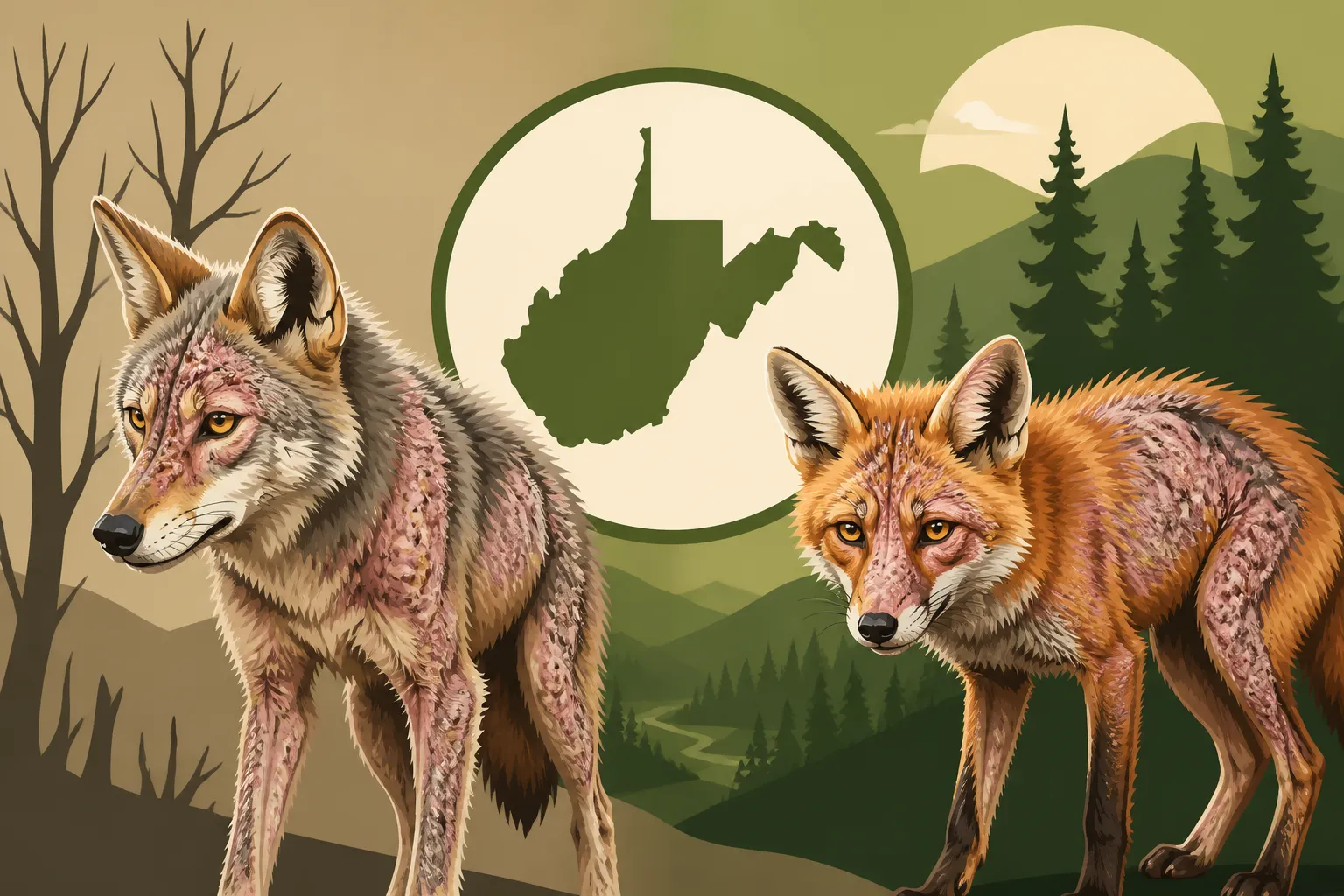
It’s a sight that can be unsettling for any outdoors enthusiast in West Virginia: seeing a coyote or fox with patchy fur, crusty skin, or looking gaunt and sickly. This isn't just a sad sight; it raises questions about the health of our wildlife, the spread of disease, and what it might mean for local populations. This guide dives deep into sarcoptic mange, its effects on West Virginia's coyotes and foxes, and what hunters and wildlife observers need to know.
Understanding Sarcoptic Mange in West Virginia's Wildlife
When you see a fox or coyote looking rough, chances are you're witnessing the effects of sarcoptic mange. This isn't just some minor skin irritation; it's a serious parasitic infestation that can really take a toll on these animals. As hunters and nature lovers, understanding what this disease is and how it manifests is the first step to being informed observers.
What is Sarcoptic Mange?
Sarcoptic mange, sometimes called Sarcoptes scabiei, is caused by microscopic mites that burrow into the skin of an infected animal. These tiny creatures are barely visible to the naked eye, but their impact is huge. Once they've burrowed in, they feed and reproduce, leading to an intense allergic reaction in the host animal. Think of it like a persistent, severe case of poison ivy all over their body, but one that gets worse and worse.
The classic signs of mange are unmistakable: severe itching, hair loss, and the development of thick, crusty lesions on the skin. You'll often see it starting around the face, ears, and legs, but it quickly spreads across the entire body. The constant scratching, often to the point of self-mutilation, prevents their fur from growing back, leaving large areas of bare, irritated skin. This skin can then become secondarily infected with bacteria, creating open sores and further compounding the animal's misery. A severely infected animal will spend nearly all its waking hours scratching and biting itself.
The Stages and Progression of Mange
Mange doesn't just appear overnight; it progresses through stages, each one more debilitating than the last. Initially, an animal might just have small, localized patches of hair loss and mild itching. It might be hard to spot in the dense cover of a West Virginia woodlot. But left unchecked, the mites proliferate rapidly. The itching becomes incessant, and the animal's immune system is constantly fighting the infestation, diverting energy from essential functions like hunting or finding shelter.
As the disease advances, the animal's coat becomes sparse and patchy, especially on the flanks, tail, and belly. The skin thickens, wrinkles, and forms scabs. You might observe a mangy fox or coyote looking emaciated, weak, and disoriented. They become highly susceptible to exposure during our cold West Virginia winters, lacking their insulating fur, and their ability to hunt effectively diminishes drastically. It's a truly heartbreaking condition to witness, and for most wild animals, it's a slow, agonizing death sentence without intervention.
How Mange Spreads and Affects West Virginia's Predator Populations
Sarcoptic mange doesn't just pop up randomly; it spreads through direct contact between infected and uninfected animals. Understanding its transmission dynamics is crucial for grasping its impact on our local wildlife, particularly coyotes and foxes, who are often at the forefront of these outbreaks in West Virginia.
Transmission Pathways Among Canids and Foxes
The primary mode of transmission for sarcoptic mange is direct, prolonged contact between animals. This means shared dens, communal resting spots, or even just brief encounters during breeding season or territorial disputes can facilitate the spread. Think about a family unit of foxes sharing a den in the hollows near the New River Gorge Adjacent Public Ground, or coyotes congregating at a carcass in the Eastern Panhandle; these are prime scenarios for mites to jump ship.
While mites prefer specific hosts, they can temporarily survive off an animal, making shared environments a risk. A healthy fox might bed down in an area where a mangy fox recently rested, picking up stray mites. This indirect transmission is less efficient but still contributes to the disease's persistence. Scavenging on the same deer carcass or even just sniffing the same tree can be enough for a transfer. The density of predator populations also plays a huge role; in areas with high coyote or fox numbers, the disease can spread much more rapidly through the population, leading to more widespread outbreaks.
Impact on Local Coyote and Fox Populations
While mange is devastating for individual animals, its impact on the overall population of coyotes and foxes in West Virginia can vary. In localized outbreaks, it can certainly lead to a significant decline in numbers. We're talking about areas where perhaps 30-50% of the local fox or coyote population might be visibly affected and succumb to the disease. Young animals are particularly vulnerable, and a severe mange outbreak can decimate a year's litter.
However, these populations are often resilient. While local dips can be sharp, natural population dynamics, combined with factors like habitat availability and prey abundance, often allow them to rebound over time. It's rare for mange alone to completely wipe out a regional population. Instead, it acts as a natural control mechanism, particularly in areas where populations might be at higher densities. It's a harsh reality of nature, but one that wildlife biologists monitor closely to understand its long-term effects. They use tools like the WVDNR's harvest reports and sighting data to understand trends in populations. For instance, if you're out Coyote Calling in West Virginia Farm Country, you might notice fewer animals if mange has been particularly bad that year.
| Mange Severity Stage | Appearance | Behavioral Changes | Health Impact | Survival Prognosis |
|---|---|---|---|---|
| Early Stage | Minor hair loss, localized itching | Increased scratching/biting | Mild irritation, minimal energy loss | Good with treatment (if applicable) |
| Moderate Stage | Patchy fur, crusty skin, widespread itching | Constant scratching, some lethargy | Significant energy drain, potential secondary infection | Poor without intervention |
| Advanced Stage | Severe hair loss, thick scabs, emaciation | Extreme lethargy, disorientation, reduced hunting | Severe immune suppression, hypothermia risk, organ damage | Very Poor, likely fatal |
Mange and the Hunter: What You Need to Know
For hunters traversing the hills and hollows of West Virginia, encountering a mangy animal can be a perplexing experience. Beyond the immediate concern for the animal, questions often arise about safety, ethics, and potential implications for game species like deer and turkeys.
Mange and Its Effect on Prey Animals
One common concern for hunters is whether mangy coyotes or foxes pose a direct threat to the health of the deer or turkey populations. The good news is, sarcoptic mange in coyotes and foxes does not typically transmit to hoofed animals or birds. The mites are species-specific; they thrive on canids and generally cannot establish an infection in deer, elk, or turkeys. So, while you might see a mangy predator in the same area you're hunting deer in the Monongahela National Forest Hunting, rest assured that the mites themselves aren't going to jump to your harvested buck.
However, there's a more indirect ecological effect to consider. A severely debilitated coyote or fox is less effective at hunting their natural prey, which often includes small game like rabbits and rodents. This could theoretically lead to a temporary localized increase in some small game populations. Conversely, if mange significantly reduces predator numbers, it might lessen predator pressure on fawn recruitment for deer or turkey poults in some areas, though this effect is usually minor and difficult to pinpoint. The overall health of West Virginia's deer and turkey herds is influenced by many factors, and predator disease is usually a very small piece of that puzzle.
Handling and Safety Precautions for Hunters
While mange doesn't jump species to your game animals, it's crucial to exercise common sense and good hygiene when afield, especially if you're in an area where mangy animals have been sighted. Sarcoptic mange can temporarily transmit to humans, causing a condition known as "scabies." It's an itchy, unpleasant rash, but it's typically self-limiting as the mites can't complete their lifecycle on humans.
Therefore, if you harvest a coyote or fox, and you suspect it might have mange due to its appearance, it's always best to wear gloves during handling. This is generally a good practice for field dressing any animal, but especially so with furbearers. Ensure you thoroughly wash your hands and any tools or clothing that came into contact with the animal. Cooking game meat thoroughly eliminates any potential concerns, but again, mange itself isn't a food safety issue. The main takeaway here is vigilance and hygiene. If you're out Running a Trapline in Rural West Virginia, you're likely already practicing these precautions.
What to Do If You See a Mangy Animal
Seeing a mangy coyote or fox is tough. Your immediate instinct might be to help, but with wild animals, direct intervention is usually neither safe nor effective for an individual. However, there are still important steps you can take to contribute to wildlife management and public health.
Reporting Sightings to the WVDNR
The most important thing you can do when you encounter a sick or mangy animal is to report it to the West Virginia Division of Natural Resources (WVDNR). They are the experts in wildlife health and population management. They need this data to track disease prevalence, understand geographic spread, and monitor its impact on broader wildlife populations. Your report helps them gather crucial information for West Virginia Wildlife Disease Monitoring.
When you report, try to provide as much detail as possible: the exact location (GPS coordinates if you have them, or a detailed description), the date and time of the sighting, a clear description of the animal's condition (e.g., severe hair loss, emaciation, lethargy), and if possible, photos or videos. Don't approach the animal to get closer photos; safety first! Many hunters use scouting tools like GoHunt to mark locations, and these detailed notes can easily be transferred to a WVDNR report. If you're tracking potential West Virginia Coyote Attacks on Livestock, knowing the health status of local predators can be vital.
General Advice for Public Interaction
As much as it tugs at our heartstrings, it's vital to remember that wild animals are just that: wild. Do not attempt to capture, treat, or directly interact with a mangy coyote or fox. Not only is it dangerous for you—a sick animal is a stressed animal and may bite—but it's also illegal to possess or treat wildlife without proper permits from the WVDNR. Trying to help can often cause more harm than good, stressing the animal further or spreading the disease to other areas.
Keep your distance, observe from afar, and let the professionals handle it. Ensure your pets are vaccinated and kept current on flea and tick prevention, as these domestic animals can sometimes contract sarcoptic mange from wildlife, though this is less common with modern preventative medications. When using tools like GoHunt for scouting, you might make notes about areas where you've seen mangy animals, indicating potential hotspots that the WVDNR might be interested in. This collective data helps paint a clearer picture of wildlife health across the state. Understanding How Many Coyotes West Virginia Has starts with good data from the field.
Management and Ethical Considerations
From a wildlife management perspective, mange is often viewed as a natural regulatory mechanism for predator populations. While it’s certainly tragic for individual animals, widespread intervention in wild populations is often impractical and can sometimes disrupt natural ecological processes. The WVDNR focuses on monitoring and understanding the disease's overall impact rather than trying to treat every affected animal in the wild.
For hunters, there's an ethical dimension. If you encounter a severely mangy animal while legally hunting, you might consider harvesting it to end its suffering. This is a personal decision, but it's one that many compassionate hunters make. Always check current regulations regarding legal harvest of coyotes and foxes in West Virginia, as these can change. For instance, Predator Hunting in West Virginia allows for year-round coyote hunting in many areas. Tools like GoHunt can sometimes provide insights into local population densities and historical harvest data, helping hunters make informed decisions about their role in wildlife management.
Disclaimer
This article is for general informational purposes only and does not constitute professional advice. Laws, prices and regulations vary by location and change over time. Consult a qualified professional for guidance on your specific situation.