Aging Venison in Cold Weather
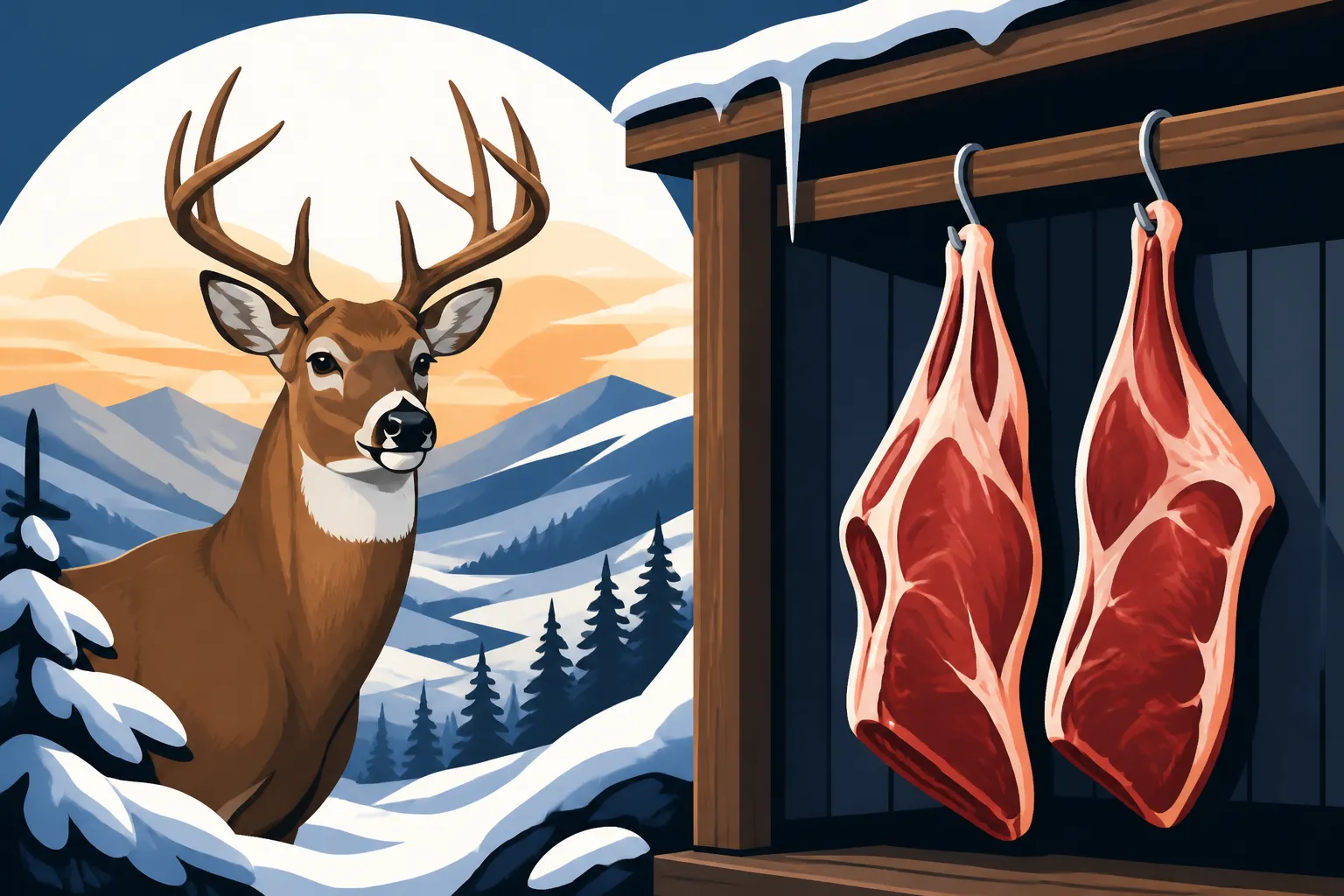
So, you've put in the hard work, navigated the steep ridges, maybe even braved a spitting snow, and now you've got a beautiful West Virginia whitetail on the ground. Congratulations! But the job isn't quite done. Many hunters just get that deer butchered right away, often missing out on a crucial step that can dramatically improve the eating quality of their venison: aging. This guide is all about how to properly age your venison, especially when those unpredictable Mountain State cold snaps roll through, ensuring every meal from your harvest is tender, flavorful, and something you’ll be proud to serve.
Why Aging Venison Matters for Tender, Flavorful Meals
Let's be honest, we all want that prime, tender cut of venison, not something that's tough or overly "gamey." Aging venison is the secret handshake, the pro tip that truly elevates your wild game. It's not just some fancy culinary technique; it's a time-honored practice rooted in biology that makes a significant difference.
The Science Behind Tenderization
When an animal is harvested, its muscles are, understandably, in a state of tension. Over time, without proper care, these muscles can contract and stiffen, leading to tough meat. However, if handled correctly, a natural process of tenderization begins. Enzymes naturally present in the muscle tissue start to break down complex proteins and connective tissues. Think of it like nature's own tenderizer. This enzymatic action softens the muscle fibers, making the meat far more palatable and enjoyable to chew. Without this process, even the most perfectly cooked steak can feel like shoe leather.
This process is critical, especially for older bucks or deer that might have been particularly stressed before the shot. While a young doe might be naturally tender, giving it a few days to age will only enhance its quality. It’s about letting the meat relax and transform, turning a potential chore into a culinary delight.
Enhancing Flavor Development
Beyond just tenderness, aging also plays a significant role in developing the venison's flavor profile. While some folks worry about a stronger "gamey" taste, proper aging actually helps to mellow out any undesirable flavors and allows the inherent richness of the venison to shine through. As the enzymes break down proteins and fats, they create new flavor compounds, deepening the savory notes.
The slight drying on the surface, often called a "crust," concentrates the flavors within the meat, much like how a good chef reduces a sauce. This isn't about letting the meat spoil; it's a controlled process that allows the meat to mature, much like a fine cheese or a good bottle of wine. You'll notice a distinct difference in depth and complexity compared to venison that's butchered immediately after harvest.
The Ideal Conditions for Successful Venison Aging
Aging venison successfully, especially outdoors in West Virginia, hinges on creating and maintaining very specific environmental conditions. It's a delicate balance, and understanding these factors is your first line of defense against spoilage and your best friend for achieving delicious results. You're trying to walk a fine line between allowing beneficial enzymatic processes to occur and preventing bacterial growth.
Temperature Control: Finding the Sweet Spot
The golden rule for aging venison is consistent, cool temperatures. Ideally, you're looking for temperatures between 34°F (1°C) and 40°F (4°C). This range is cold enough to significantly slow down the growth of spoilage bacteria but warm enough to allow those natural enzymes to do their work in tenderizing the meat. Below 34°F, the enzymes become less active, prolonging or even halting the aging process. Above 40°F, you're entering the "danger zone" where bacteria can multiply rapidly, risking spoilage.
West Virginia's autumn and early winter weather can be fickle. One day might be perfect, dipping into the mid-30s, and the next could see an unseasonable warm-up into the 50s. This is where vigilance is key. If you're hanging a deer in a barn or garage, you need to be constantly aware of the forecast. A sudden warm spell means you need a backup plan, like transferring the quarters to a cooler with ice or moving them to a refrigerated space. You can often see historical weather patterns on a scouting app like GoHunt when planning your hunting trips, which can give you an idea of what to expect for aging conditions.
Humidity and Airflow: Preventing Problems
Temperature isn't the only factor; humidity and airflow are equally critical. You want an environment with moderate humidity – not too dry, which will cause the meat to crust over excessively, and not too moist, which can encourage mold growth. Good air circulation is absolutely essential. Stagnant air is a breeding ground for bacteria and mold.
When hanging a deer, ensure it's not touching any walls or other surfaces. A fan circulating air, even a small oscillating one, can be incredibly beneficial in a shed or garage. The goal is to allow the surface of the meat to dry slightly, forming a protective "pellicle." This pellicle helps prevent bacterial penetration while still allowing the internal aging process to proceed. If the air is too dry, this crust can become too thick, leading to excessive trim loss. If it's too humid, the surface will remain wet, inviting unwanted guests like mold and slime.
Monitoring the Environment with Simple Tools
You don't need a fancy meat locker to age venison, but you do need to be able to monitor your conditions. A simple, inexpensive thermometer placed near your hanging deer is crucial. If you want to get a little more precise, a hygrometer (which measures humidity) can also be helpful. These tools allow you to react quickly if conditions start to stray outside the ideal range.
It's also worth noting that factors like Wind and Thermals on a Steep Ridge can impact how quickly a harvested deer cools down in the field, which indirectly affects when you can start aging. Once the deer is out of the field, though, your focus shifts to the controlled environment. For hunters in remote areas who might be Hunting the Cranberry Backcountry Wilderness Edge, getting the deer out and into a proper aging environment quickly after field dressing is paramount. Planning your harvest recovery strategy with aging in mind can save a lot of headaches later on.
Practical Methods for Aging Venison in West Virginia's Cold Weather
Successfully aging venison in West Virginia often means working with the weather and your available resources. Not everyone has a walk-in cooler, but with a bit of planning and attention, you can achieve excellent results using more common methods. The key is adaptation and constant vigilance.
The "Hang in the Barn/Garage" Method
This is perhaps the most traditional method for many West Virginia hunters, especially during the colder parts of the deer season, which can include Hunting the Rut in Mid-November and Hunting Into the Late December Archery Close. If you have an unheated barn, shed, or garage that stays consistently cool, this can be an effective way to age your deer.
Pros: It's simple, requires minimal specialized equipment beyond a strong hoist or sturdy beam, and allows the deer to hang whole or in large sections, maintaining good airflow around the meat. The hide can be left on to protect against excessive drying and contamination, especially if the temperatures are fluctuating.
Cons: The biggest challenge is temperature consistency. West Virginia weather, especially in the fall, can swing wildly. A warm spell can quickly turn your aging project into a spoilage disaster. Also, pests like flies, rodents, and even stray cats can be an issue if your space isn't secure. You'll need to monitor regularly and have a backup plan for unexpected temperature increases.
How to make it work: After proper Field Dressing a Deer in Cold Weather, get your deer hung up. If hanging whole, ensure internal organs are completely removed and the cavity is clean and dry. Many hunters prefer to skin the deer and quarter it, hanging the individual quarters. This allows for faster cooling and more surface area for aging. If you leave the skin on, the hide acts as a natural barrier, reducing moisture loss and contamination. However, if conditions aren't perfect (e.g., slightly too warm or humid), removing the hide can be beneficial for faster cooling and better airflow. Cover the meat with breathable game bags to protect against insects and dust while still allowing air circulation. You can find excellent Coolers and Game Bags for Early Archery that transition well to late-season meat care.
Using a Dedicated Cooler with Ice
When the outdoor temperatures just aren't cooperating, or if you only have smaller sections of venison, a large cooler with ice becomes your best friend. This method offers much more control over the temperature, making it ideal for warmer early seasons or those unpredictable late-season thaws.
How to make it work: First, skin and quarter your deer immediately. This allows for faster cooling and easier handling. Place the venison quarters in large, heavy-duty garbage bags or dedicated game bags, ensuring they are well-sealed to prevent waterlogging. Then, layer them in a clean cooler with plenty of ice. Drain the melted ice and replenish it regularly, at least once or twice a day. The goal is to keep the meat submerged in the cold environment, not in melted water. The ice should keep the temperature well within that 34-40°F range. This method is particularly useful if you've harvested a deer during warmer periods or if you're traveling a distance from your hunting spot, say after Hunting the Ohio River Valley Bottomland where temperatures might be milder. Remember to monitor the ice levels daily, just as you would check the weather for a hanging deer.
Refrigeration for Controlled Aging
If you're lucky enough to have access to a spare refrigerator or a walk-in cooler, this offers the most controlled environment for aging your venison. It virtually eliminates concerns about fluctuating outdoor temperatures, pests, and uncontrolled humidity.
How to make it work: Skin and quarter your deer. Place the quarters on racks or hang them inside the refrigerator, ensuring there's plenty of space for air to circulate around each piece. Avoid stacking the meat directly on shelves or against walls, as this can create moisture traps and hinder proper drying. You might even consider placing a small fan inside to promote airflow if the refrigerator is large enough. This method is meticulous but yields very consistent results, allowing you to age for the optimal time without worry. This is especially good if you plan to do Butchering a Deer at Camp after the aging process is complete, as you can keep everything chilled until you're ready.
Skin-On vs. Skin-Off Considerations
The decision to age with the skin on or off is often debated among hunters and largely depends on your environment and specific goals.
- Skin-On Aging: This is generally preferred in very cold, dry conditions, or if you're hanging a whole deer. The hide acts as a natural protective barrier, reducing moisture loss and offering some defense against contamination. It slows down cooling slightly, but once cool, it helps maintain a consistent internal temperature. However, if conditions are even slightly warm or humid, the hide can trap heat and moisture, accelerating bacterial growth beneath it.
- Skin-Off Aging: This is my personal preference in most West Virginia scenarios, especially if you're quartering the deer or using a cooler. Removing the skin allows the meat to cool much faster, which is critical for preventing spoilage right after the harvest. It also allows for the formation of that protective pellicle more evenly and quickly across the meat's surface. When aging skin-off, always use breathable game bags to keep insects and dust away while still promoting airflow. Whether you keep the skin on or take it off, remember that proper Meat Care Gear for West Virginia Hunters is essential for a quality end product.
| Aging Method | Ideal Temperature Range | Humidity/Airflow | Pros | Cons | Best Use Case |
|---|---|---|---|---|---|
| Hang in Barn/Garage | 34-40°F (1-4°C) | Moderate, Good airflow | Simple, traditional, whole carcass possible | Weather dependent, pest risk, temperature swings | Consistent cold weather, secure rural location |
| Dedicated Cooler with Ice | 34-40°F (1-4°C) | Controlled by ice/sealed bags | Excellent temperature control, portable | Requires frequent ice replenishment/draining, meat must be bagged | Warmer weather, smaller sections, transport required |
| Refrigeration | 34-40°F (1-4°C) | Controlled, Good airflow | Most consistent, no external risks | Requires significant fridge space, quarters only | Optimal control, urban settings, consistent results |
How Long to Age Venison: Finding the Sweet Spot
The million-dollar question: how long should you age your venison? There's no single perfect answer, as it depends on several factors. However, understanding the variables and knowing what to look for will help you make the best decision for your specific harvest. Patience is a virtue, but too much patience can lead to ruin.
Factors Influencing Aging Time
Several elements contribute to the ideal aging duration for your venison:
- Temperature Consistency: This is paramount. If your aging environment maintains a steady 34-40°F (1-4°C), you have more flexibility. If temperatures fluctuate, you'll need to shorten the aging time or choose a more controlled method.
- Age of the Deer: A younger deer, like a fawn or a yearling doe, will naturally be more tender and might only need 3-5 days of aging. An older, mature buck, especially one that's been through a few ruts, will benefit significantly from a longer aging period, perhaps 7-10 days, or even up to 14 days if conditions are absolutely perfect. The enzymatic breakdown has more work to do on tougher muscle fibers.
- Desired Tenderness: This is a personal preference. Some hunters prefer a shorter, 3-5 day age for a slightly firmer texture, while others swear by a full two weeks for maximum tenderness.
- Initial Shot Placement and Field Dressing: A clean, ethical kill followed by prompt and thorough Field Dressing a Deer in Cold Weather minimizes stress hormones and bacterial contamination, allowing for a longer, safer aging period. A gut shot deer or one that wasn't cleaned quickly in warm weather should not be aged extensively, if at all.
- Amount of Fat: While venison is lean, any fat present can also influence aging. Too much fat can go rancid if aged too long, though this is less common with wild deer.
Generally, for average West Virginia hunting conditions and a clean harvest, most hunters aim for 5 to 10 days of aging.
Signs of Properly Aged Venison
Knowing when your venison is "done" aging comes down to a few key observations:
- Aroma: The most important indicator. Properly aged venison should have a clean, slightly earthy, "beefy" smell. It should never smell sour, rotten, putrid, or off in any way. If you detect any foul odors, it's a strong sign of spoilage, and the meat should be discarded. Trust your nose!
- Appearance: The outer surface of the meat will typically dry out and form a dark, crusty pellicle. This is normal and desirable. You'll trim this layer off before Butchering a Deer at Camp. The underlying meat should still be a rich, dark red. Some slight discoloration on the very surface is okay, but deep green or black spots, or fuzzy growth (mold), are signs of trouble.
- Texture: The meat should feel firm but not hard. When you press it, it should have a slight give.
When Not to Age Venison (and Why)
While aging is beneficial, there are specific circumstances where it's best to skip the process entirely:
- Poor Shot Placement: If your deer was gut-shot or sustained significant trauma to the gut cavity, there's a high risk of bacterial contamination. The meat should be processed immediately, with heavily contaminated sections discarded, and not aged.
- Warm Weather Harvest: If you harvested a deer and couldn't get it cooled down quickly (below 40°F) within a few hours, especially during warmer spells in early archery season, aging is too risky. Rapid cooling is crucial. This is where methods like using Coolers and Game Bags for Early Archery are non-negotiable.
- Unsanitary Conditions: If your hanging or cooling environment cannot be kept clean, sterile, and free from pests, then aging shouldn't be attempted. Introducing contaminants negates any benefits.
- Damaged Meat: Any meat that appears bruised, discolored, or has an off-smell immediately after the kill should be trimmed aggressively or discarded, not aged. This also applies if you find signs of disease, which you should be on the lookout for, especially if you are hunting in one of the West Virginia's Chronic Wasting Disease Counties. If you have any concerns about CWD, refer to West Virginia CWD Testing for Hunters.
Troubleshooting Common Aging Problems
Even with the best intentions and careful planning, sometimes things don't go exactly as planned when aging venison. West Virginia's unpredictable weather and varied environments can throw a wrench in the works. Knowing how to identify and address common issues can save your harvest.
Dealing with Mold and Slime
One of the most disheartening things to see on your aging venison is mold or a slimy film. This usually indicates an environment that is too humid, lacks adequate airflow, or has fluctuating temperatures that allow bacteria to thrive.
- Causes: High humidity combined with insufficient air circulation is the primary culprit. If the surface of the meat remains wet for too long, mold spores and bacteria will quickly colonize it. Also, leaving the hide on in warm or humid conditions can trap moisture and accelerate mold growth underneath.
- Prevention: Ensure excellent airflow around your hanging meat. Use a fan if necessary. Maintain proper temperature control (34-40°F). If humidity is naturally high, consider skinning the deer and possibly using breathable game bags that promote drying while protecting the meat. A quick wipedown of the hanging area with a diluted bleach solution before you hang your deer can also help sanitize the space.
- What to Do: If you see light, powdery mold (often white or greenish) on the surface, don't panic immediately. Often, this is superficial. Carefully trim away all affected areas, ensuring you remove a generous amount of clean meat around it. If the mold has penetrated deeply, or if it's accompanied by a foul smell or extensive slime, the entire affected piece or even the whole deer may be compromised and should be discarded. A little slime on the surface can be wiped off with a clean cloth soaked in vinegar, but if it feels thick or smells bad, it’s a sign to discard.
Excessive Drying and Crusting
While a slight pellicle is good, too much drying can lead to significant trim loss, reducing the yield of edible meat from your Deer Meat Yield From a West Virginia Buck.
- Causes: This usually happens when the aging environment is too dry, or there's too much direct, strong airflow without adequate humidity. Freezing temperatures can also "freeze-dry" the outer layer, creating a tough crust.
- Prevention: Try to maintain moderate humidity. If you're using a fan, ensure it's not blowing directly and constantly on one spot. If you're hanging in a very dry environment, you might consider leaving the hide on for a longer period (if temperatures allow) or periodically misting the floor of your aging space to increase ambient humidity. Using game bags can also help slow down excessive drying while still allowing air to circulate. Make sure your meat is not exposed to freezing temperatures during the aging process.
Recognizing Off-Smells: When to Toss It
Your nose is your most critical tool in determining the safety of aged venison. Any off-smell is a non-negotiable warning sign.
- Causes: Off-smells, ranging from sour to rancid to outright putrid, are almost always due to bacterial spoilage. This occurs when temperatures have been too high, field dressing was inadequate, or the meat was contaminated.
- What to Do: If you detect any foul or unusual odor that isn't the clean, earthy smell of good meat, do not risk it. Even if the meat visually looks okay, a bad smell means it's compromised. It's heartbreaking to discard a harvest, but food safety must always come first. There's no way to "cook out" bacterial toxins. Discard the affected meat immediately.
By paying close attention to these details and being proactive, you can navigate the challenges of aging venison in West Virginia's climate and consistently achieve delicious, tender results from your hard-earned harvest. Always prioritize food safety, and when in doubt, it's better to be safe than sorry.
Disclaimer
This article is for general informational purposes only and does not constitute professional advice. Laws, prices and regulations vary by location and change over time. Consult a qualified professional for guidance on your specific situation.