Hunting the Cranberry Backcountry Wilderness Edge
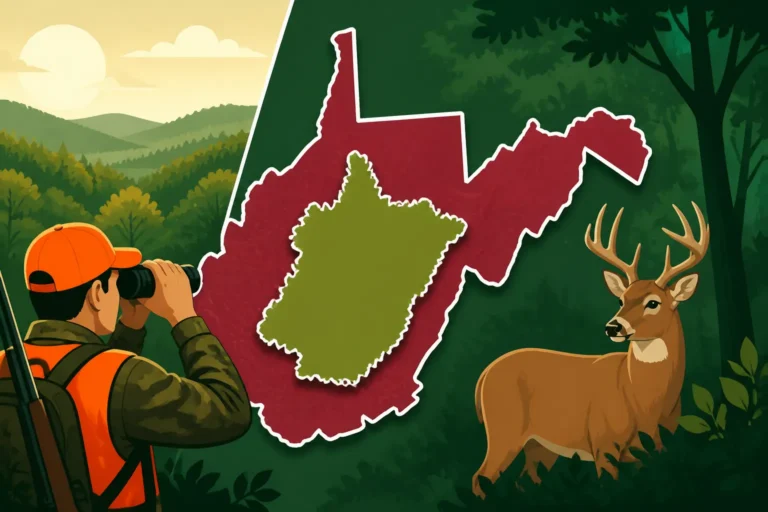
Ah, the Cranberry backcountry. Just the name conjures images of thick spruce, rhododendron tunnels, and that undeniable scent of damp earth and pine. It's West Virginia at its wildest, a place where many of us dream of escaping the crowds that can sometimes plague more accessible public lands. But let's be honest, dreaming about it and actually hunting the edge of that wilderness area are two very different things. It can feel daunting, right? That worry of stepping where you shouldn't, of getting turned around in a place where the trails fade into game paths, or simply not knowing how to approach a hunt in such raw country. This guide is all about giving you the confidence and the know-how to successfully and ethically hunt the unique transition zones where the Cranberry Wildlife Management Area meets the designated wilderness, helping you unlock some truly special experiences.
Understanding the Cranberry Backcountry Wilderness Edge
The Cranberry Backcountry Wilderness Edge isn't just a place on a map; it's a feeling, a boundary where the managed forest land begins to yield to something truly untamed. Within the expansive Monongahela National Forest Hunting, Cranberry Wildlife Management Area stands out as a jewel, encompassing a vast and diverse landscape. What many hunters seek is that sweet spot where the convenience of WMA access points meets the raw, unpressured potential of the adjacent Cranberry Wilderness.
This particular edge is often characterized by extremely rugged terrain, dense vegetation, and a significant lack of maintained trails or roads. It's not uncommon to find yourself pushing through thick laurel slicks or navigating steep hollows where the sun barely penetrates. The sheer scale of the area, combined with its remoteness, naturally filters out many hunters, creating pockets where game animals can live out their lives with minimal human disturbance. This is precisely why the "wilderness edge" holds such allure – it offers a taste of true backcountry hunting without necessarily requiring the same level of permits or restrictions that might apply deep inside a federally designated wilderness area. Hunters are often looking for that elusive feeling of being the only person for miles, and this edge certainly delivers.
Why the Edge is Unique for Hunters
The "edge effect" isn't just an ecological term; it's a hunting advantage. Where different habitats meet, you often find a greater diversity and abundance of wildlife. The Cranberry Wilderness boundary acts as a massive linear edge. On one side, you have the Cranberry WMA, which might see some timber management or other activities that create varying stages of forest succession. On the other, the wilderness area itself, often characterized by mature, old-growth timber, deep ravines, and less human alteration. Deer, bear, and turkey often use these transition zones as travel corridors, bedding areas, and feeding grounds. They can find refuge in the impenetrable thickets of the wilderness during periods of high pressure, then venture out into areas of the WMA that offer better foraging opportunities.
Imagine a mature buck that has learned to avoid human contact. During the gun season, he might retreat deep into the thickest, nastiest rhododendron stands within the wilderness boundary, knowing that most hunters won't pursue him there. But come dusk, or during the archery season when pressure is lower, he might ease out to a ridge line in the WMA, where a forgotten patch of mast or an old clear-cut provides a preferred food source. Understanding this movement pattern, and focusing your efforts on these fringes, is key to success. It's a game of patience and observation, but the rewards can be significant.
Common Frustrations and Challenges
Let's be real: hunting the Cranberry backcountry edge isn't a walk in the park. One of the biggest frustrations is simply the physical demand. The terrain is relentless. You'll encounter steep ups and downs, rocky outcrops, and dense vegetation that can feel like fighting through a jungle gym. It's easy to get discouraged when you've hiked for hours only to find yourself no closer to your objective, or worse, feeling completely turned around. Navigation can be another major headache. While main trails exist further into the WMA, the closer you get to the wilderness boundary, the more they fade into faint game trails or disappear entirely. Without a reliable mapping system, getting lost is a very real concern, especially when the weather turns foul or darkness falls rapidly in the deep hollows.
Access points can also be limited, meaning longer hikes just to get into position, and even longer drags if you're fortunate enough to harvest an animal. Imagine the challenge of Dragging a Deer Off a Steep Ridge – it's not for the faint of heart. On top of that, cell service is often non-existent in these remote areas, cutting you off from communication and relying solely on your pre-planned routes and gear. It takes a certain mindset and a commitment to self-sufficiency to tackle these challenges head-on, but for many of us, that's exactly what makes it so rewarding.
Navigating the Wilderness Edge: Tools and Strategies
Successfully hunting the Cranberry backcountry wilderness edge hinges on excellent navigation and a deep respect for the land. You're operating in an environment where mistakes can have serious consequences, so preparation is paramount.
Mapping and GPS Essentials
Forget relying on outdated paper maps alone, or hoping your phone's GPS will always have signal. While a paper map and compass are crucial backups, modern technology is your best friend out here. A robust GPS unit or a reliable phone app like onX Hunt is absolutely invaluable. With onX Hunt, you can download offline maps before you even leave cell service, allowing you to see property boundaries, topographic lines, and even potential game sign recorded from previous scouting trips, all without a signal. This is critical for understanding exactly where the WMA ends and the wilderness begins, ensuring you stay within legal hunting areas. I use it constantly to mark my truck, potential bedding areas, water sources, and especially my route in and out. It's a lifesaver when you're trying to figure out if that barely perceptible game trail leads you into a legal hunting area or into a designated no-go zone.
Before every trip, I spend hours poring over satellite imagery and topo maps on a platform like onX Hunt, identifying potential access routes, natural funnels, and areas that look untouched by other hunters. Knowing the terrain before you even set foot on it saves you valuable time and energy, and can prevent you from stumbling into an impassable thicket or a gorge you didn't anticipate. This pre-scouting is truly half the battle when you're dealing with such rugged country. For more general research and planning, while not specific to West Virginia, tools like GoHunt can still offer valuable insights into general hunting strategies, even if you need to translate their Western focus to our Appalachian mountains.
Respecting Boundaries and Regulations
The "wilderness edge" also means respecting the specific regulations that apply to each type of land. Inside the Cranberry Wilderness Area, you're generally looking at stricter rules regarding motorized vehicles, permanent structures like treestands, and sometimes even camping. While you might be hunting adjacent to it on WMA land, knowing where that line is crucial. You don't want to inadvertently cross into an area with different rules, especially if it involves carrying a firearm or setting up a stand where it's not allowed.
Always double-check the latest West Virginia DNR regulations and maps for any specific rules pertaining to the Cranberry WMA and its wilderness buffer. This might involve understanding Treestand Rules on West Virginia Public Land or camping restrictions. Ignorance is never an excuse, and game wardens patrol these areas to ensure compliance. A good rule of thumb: when in doubt, err on the side of caution. Don't push the boundaries; know them intimately. If your hunting plans involve going deep into the wilderness, be sure to research those specific regulations carefully before you go.
Here's a quick comparison of general considerations when hunting near the wilderness edge:
| Feature/Activity | Cranberry WMA (adjacent to wilderness) | Cranberry Wilderness Area (inside boundary) |
|---|---|---|
| Motorized Vehicles | Generally allowed on designated roads/trails | Usually prohibited; foot travel only |
| Treestand Placement | Generally allowed with specific rules (no damage, removal after season) | Often prohibited or highly restricted; check specific rules |
| Camping | Allowed in designated areas or dispersed with rules | Allowed, but often with stricter "leave no trace" principles |
| Trail Cameras | Generally allowed with specific rules | May be prohibited or require special permits |
| Harvest Retrieval | May utilize certain methods (e.g., ATVs on designated roads) | Foot power only; no motorized assistance |
| Hunting Pressure | Can vary; often lighter than more accessible WMA areas | Typically very light due to difficult access |
| Signage | Boundary markers exist but can be subtle | Clearly marked at entry points, but often rugged beyond |
Hunting Tactics for the Fringe
Hunting the Cranberry backcountry wilderness edge requires a different approach than hunting farmland or easily accessible public land. Success here often comes down to adaptability, patience, and a willingness to embrace the wildness.
Scouting for Success
Scouting in this rugged environment needs to be a year-round commitment. Forget cruising roads; you need to put boots on the ground, even in the off-season. Focus on finding natural funnels, like saddles between two steep ridges or creek bottoms that act as travel corridors. Look for old growth timber adjacent to denser, younger regeneration – these are classic bedding and feeding areas. Pay close attention to mast crops, especially oak and beech nuts, which are critical food sources for deer, bear, and turkey. A poor mast year can drastically alter animal movement, sending them in search of other food. Look for sign: rubs, scrapes, droppings, and tracks. In such a vast area, finding fresh sign is like striking gold.
During your scouting trips, map out potential stand sites, identifying trees that offer good cover and shooting lanes. Consider the prevailing winds and thermals in these steep areas; Wind and Thermals on a Steep Ridge can be tricky, often flowing uphill in the morning and downhill in the evening, sometimes swirling unpredictably in the hollows. Mark these spots on your onX Hunt app or GPS, along with potential entry and exit routes that minimize disturbance. Remember, the goal is to find where the game is moving naturally between the sanctuary of the wilderness and the resources of the WMA.
Deer, Bear, and Turkey Strategies
For deer, the wilderness edge often holds older, wiser bucks that have learned to avoid pressure. Still-hunting, moving slowly and deliberately through the terrain, can be incredibly effective here, especially when you're navigating the dense rhododendron thickets or the edges of old clear-cuts. Focus on ridges and benches that connect the wilderness to more open areas. Consider setting up near natural springs or seeps, which can be critical water sources. If you're willing to hike deep, portable stands or saddle hunting setups are ideal, allowing you to get into unpressured areas where other hunters won't venture. Hunting Steep Allegheny Ridges can be exhausting, but it's often where the biggest bucks are found.
Black bears are abundant in the Cranberry region, and the wilderness edge provides excellent habitat. During mast years, they'll often be found gorging on acorns or beech nuts on the ridges. Spot-and-stalk hunting can be productive in more open timber, but often requires patience and excellent optics. Pay attention to fresh scat and overturned rocks or logs – clear signs of bear activity. Hunting Bears Over Natural Mast in the Mountains is a traditional and effective method here. If you're hunting with hounds, ensure you understand the specific rules for using dogs in this area, particularly near wilderness boundaries. Remember, West Virginia's Black Bear Comeback means there are healthy populations, offering a unique opportunity.
For wild turkeys, the edge of the wilderness can be fantastic, especially during the spring season. Gobblers will often roost in the tall timber of the wilderness and then pitch down onto benches or into more open WMA areas to feed and strut. Roost hunting, locating birds the evening before, and then getting into position early the next morning, can be very successful. Aggressive calling can sometimes pull a reluctant gobbler out of the deep woods, but often subtle calling is more effective for wary birds that have heard it all. Knowing when to be patient and when to go Run-and-Gun Turkey Tactics on Public Land is key. Pay attention to transition areas where mature timber meets younger growth, as these are often preferred strutting zones.
Essential Gear and Preparedness
Hunting the Cranberry backcountry wilderness edge demands a high level of self-sufficiency and the right gear. Being prepared isn't just about comfort; it's about safety.
Beyond the Weapon: Safety and Navigation
Your rifle, bow, or shotgun is only one piece of the puzzle. Far more important for this kind of hunt are your navigation tools and safety essentials. As mentioned, a reliable GPS unit or a smartphone with offline mapping capabilities (like onX Hunt) is non-negotiable. Always carry a physical compass and a detailed topographic map as a backup, and know how to use them. A personal locator beacon (PLB) or satellite messenger like a Garmin InReach can literally be a lifesaver, allowing you to call for help even without cell service.
A comprehensive first-aid kit, a headlamp with spare batteries, fire-starting materials, and enough water and high-energy food for more than just a single day hunt are critical. Weather in the West Virginia mountains can change on a dime, so layering your clothing is a must, even during warmer seasons. Good quality rain gear is also non-negotiable; you will get wet. Think about everything you'd need if you unexpectedly had to spend a night out in the woods, injured or disoriented. This isn't being paranoid; it's being smart. For such remote hunts, having a solid plan and sharing your route with someone who isn't hunting with you is also a crucial safety measure.
Clothing, Footwear, and Packs
Your clothing and footwear choices will make or break your hunt in the Cranberry backcountry. You need durable, quiet layers that can wick moisture away from your body and keep you warm when it's cold, but also allow you to shed layers when you're exerting yourself climbing steep hills. Wool or synthetic base layers are far superior to cotton, which retains moisture and can chill you quickly. For outerwear, prioritize tough, briar-resistant materials that can stand up to dense rhododendron and multiflora rose thickets. And don't forget your blaze orange or pink requirements during gun seasons! West Virginia's Blaze Orange and Pink Options ensure you meet legal requirements and stay visible to other hunters.
Footwear is arguably the most critical piece of gear. You'll be covering miles of uneven, rocky, and often wet terrain. Invest in high-quality, waterproof hunting boots with excellent ankle support and aggressive tread. Blisters can quickly end a hunt, so make sure your boots are broken in and worn with good wool socks. For crossing shallow creeks or navigating muddy sections, rubber boots can be a game-changer. For advice on specific boots, you might check out Boots for West Virginia Hollows and Ridges.
Finally, a well-fitting, comfortable pack is essential. You'll be carrying all your essentials – water, food, first aid, calls, optics, and potentially your harvested game. A pack with good suspension that distributes weight effectively will save your back and shoulders over long, rugged miles. For longer day hunts or even quick overnighters, consider a pack with enough capacity for survival essentials and to pack out meat. Thinking about Packs for a Monongahela Forest Day Hunt can give you an idea of what to look for. A good meat hauling frame pack can be a game changer if you're lucky enough to tag an animal miles from the nearest road.
Disclaimer
This article is for general informational purposes only and does not constitute professional advice. Laws, prices and regulations vary by location and change over time. Consult a qualified professional for guidance on your specific situation.