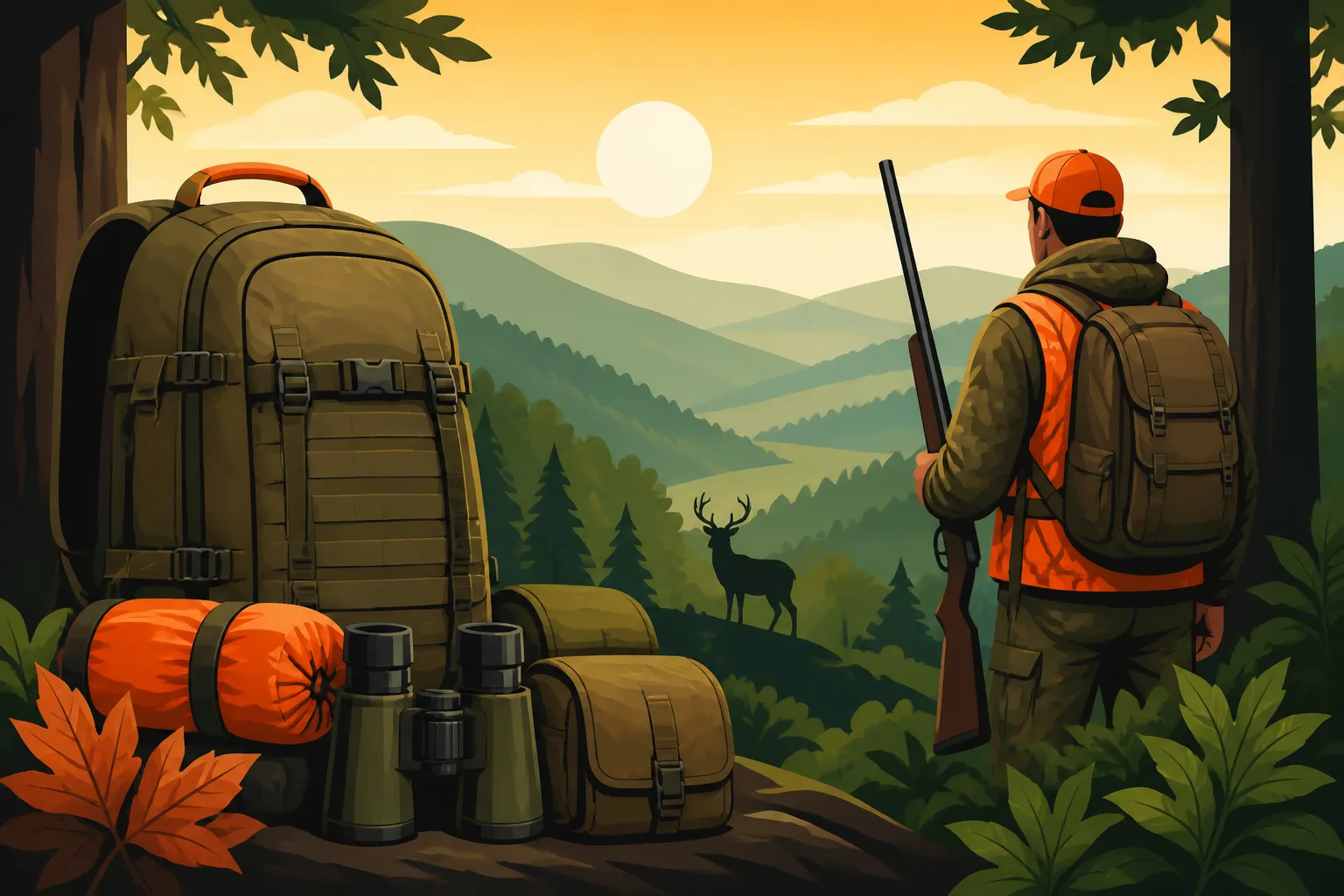
Packs for a Monongahela Forest Day Hunt
Venturing into the sprawling, rugged beauty of West Virginia's Monongahela National Forest for a day hunt can be an incredible experience, but it also presents unique challenges. The steep grades, dense laurel thickets, and unpredictable weather mean that what you carry, and how you carry it, can make or break your trip. This guide will walk you through selecting and equipping the perfect pack to ensure you're prepared, comfortable, and efficient from sunrise to sunset in the Mon.
Understanding the Monongahela Terrain and Hunt Style
The Monongahela National Forest isn't your average woodlot. It's a vast, wild place with elevations ranging from under 1,000 feet to over 4,800 feet, boasting a mix of northern hardwoods, red spruce, and impenetrable rhododendron thickets. This diverse and often unforgiving landscape dictates a specific approach to your gear, especially your pack, for any day hunt.
Steepness and Cover
Anyone who has spent a day chasing deer or turkeys in the Mon can tell you about the terrain. It’s not just hilly; it's often steep, with long, arduous climbs and descents that test your endurance and balance. You'll be navigating rocky outcroppings, slippery leaf litter, and fallen timber. This means your pack can't just carry gear; it needs to integrate with your body, stay secure, and not become a hindrance as you move. A pack that shifts or sways on steep ground can throw you off balance, potentially leading to a fall or making an already tough hike even tougher.
Beyond the steepness, the Monongahela is characterized by its thick cover. From the dense undergrowth in many areas to the seemingly endless rhododendron and mountain laurel, you’ll find yourself pushing through tight spots. A bulky pack can snag on branches, restrict your movement, and even make noise, alerting game. Therefore, a streamlined design that doesn't extend too far beyond your body is often preferable, allowing you to slip through cover more quietly and efficiently. When you're Hunting Steep Allegheny Ridges, having a pack that doesn't fight you every step of the way is critical.
Weather Variability
"If you don't like the weather in West Virginia, wait five minutes." This old saying holds particularly true in the mountains of the Monongahela. You can start your day with a crisp, clear morning, experience a midday shower, and then find yourself in a sudden fog or even snow flurries, all before heading back to the truck. This drastic variability means your day hunt pack needs to accommodate layers, rain gear, and sometimes even emergency cold-weather supplies, even if the forecast looks mild.
Adequate protection for your gear is also paramount. A sudden downpour can drench electronics, maps, and spare clothing, rendering them useless or uncomfortable. Water-resistant or waterproof materials, or at the very least, a readily accessible rain cover, are non-negotiables for a Monongahela day hunt. Think about those chilly, damp November hunts when you're trying Cold-Weather Sitting Strategy in the Mountains; having dry gear can be the difference between a productive sit and an early retreat.
Key Features to Look For in a Day Hunting Pack
Choosing the right pack isn't just about how much it holds; it's about how well it performs under the specific conditions you'll face. In the Monongahela, certain features move from "nice to have" to "absolutely essential."
Capacity and Organization
For a day hunt, you’re looking for a pack with enough volume to carry essentials without being overly cumbersome. Generally, a pack in the 1,500 to 2,500 cubic inch range is ideal. This allows for extra layers, food, water, first-aid, navigation tools, and some basic game processing gear. Too small, and you'll be stuffing things to bursting; too large, and you'll carry unnecessary bulk. The trick is to find that sweet spot that allows for flexibility without excess.
Beyond the raw volume, consider the organization. Multiple pockets, both internal and external, help you keep crucial items like a compass, headlamp, or a snack easily accessible without having to dig through your entire pack. A dedicated compartment for a hydration bladder is also a huge plus, as staying hydrated on those steep climbs is key. Some packs even offer external lashing points or pockets for items like a spotting scope or trekking poles, which can be invaluable when Optics for Steep Allegheny Terrain come into play or when navigating difficult descents.
Material and Durability
The Monongahela is tough on gear. Branches, rocks, and general wear and tear demand a pack built to last. Look for materials like Cordura or robust nylon fabrics that are resistant to abrasions and tears. Reinforcements in high-wear areas, such as the bottom panel or attachment points, indicate a higher quality, more durable pack. Stitching should be strong and even, ideally reinforced at stress points.
Water resistance is another critical factor. While a separate rain cover is always a good idea, the base material of your pack should offer some inherent protection against light rain or dew. Treated fabrics or polyurethane coatings can provide this. The zippers, too, are often a weak point; look for robust, self-healing zippers, preferably with storm flaps or water-resistant coatings, to protect your contents from moisture and debris.
Suspension and Fit
This is arguably the most important aspect for comfortable, efficient hunting in the Mon. A good suspension system distributes weight effectively across your hips and shoulders, preventing fatigue and hot spots. Look for padded, adjustable shoulder straps that contour to your body and a sturdy, well-padded hip belt that can carry the majority of the pack's weight. The hip belt should be firm enough to transfer weight but comfortable enough not to dig in.
Additionally, consider the frame type. Some daypacks are frameless, relying on the contents for shape, while others have internal frames or even external frames. For the Monongahela’s demanding terrain, an internal frame that sits close to your back can provide stability without being too bulky. Look for adjustability in the torso length and load lifter straps that allow you to pull the top of the pack closer to your body, enhancing stability on uneven ground. A brand like GoHunt often highlights the importance of a well-fitting pack for long days afield, and for good reason – it truly makes a difference in your endurance and overall comfort.
Essential Gear to Pack for a Monongahela Day Hunt
Packing for a day hunt in the Monongahela is about striking a balance: carrying what you absolutely need for safety and success, without overpacking and burdening yourself. Every item should have a purpose.
Safety and Navigation
Even for a "day hunt," emergency preparedness is key in the Mon. A detailed map of the area (a physical one, not just your phone app) and a reliable compass are non-negotiable. While GPS units and smartphone apps like GoHunt's mapping feature are incredibly useful for Scouting West Virginia Public Land Before Season and in the field, batteries die, and signals can be spotty in deep hollows. Knowing how to use a map and compass could literally save your hide.
Beyond navigation, a comprehensive first-aid kit is crucial. This isn't just a few band-aids; it should include items for cuts, blisters (a common issue on long hikes with Boots for West Virginia Hollows and Ridges), sprains, and any personal medications. A headlamp or flashlight with extra batteries is vital, even if you plan to be out before dark – you never know when a tracking job or an unexpected delay might keep you out past sunset. A whistle for signaling, a small fire-starting kit (waterproof matches, lighter, fire starter), and a durable knife are also must-haves for any backcountry outing.
Food and Water
Staying fueled and hydrated is paramount for maintaining energy and focus throughout a strenuous day hunt. Water is heavy, so plan carefully. A 2-3 liter hydration bladder is usually sufficient for a day, especially when combined with a filter bottle or purification tablets if you know there are reliable water sources in your hunting area. Don't underestimate how much water you'll need when climbing those steep ridges.
For food, opt for calorie-dense, easy-to-eat snacks that don't require preparation. Trail mix, energy bars, jerky, and fruit are excellent choices. Pack enough to sustain you through a full day, plus a little extra in case you're out longer than expected. Having a quick energy boost readily available can prevent bonking on a long uphill trek or during a prolonged sit. Remember, your body burns a lot of calories just staying warm and moving through tough terrain.
Game Processing and Recovery
If you're successful, your day pack needs to be ready for the "after" picture. While you might not carry a full butchering kit, essential items include latex gloves, a sharp game processing knife (separate from your general utility knife), and game bags. Game bags are especially important for keeping meat clean and cool if you have a long pack-out, or if you're quartering an animal to make the retrieve easier on steep, rugged ground.
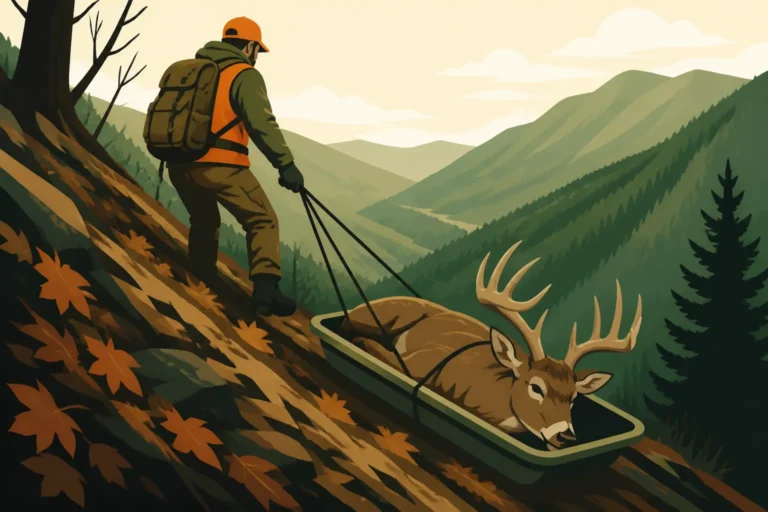
Depending on your hunting style and the size of game, you might consider a collapsible game cart or a heavy-duty deer drag, though for true Monongahela steepness, boning out an animal and using a sturdy frame pack might be more practical. Don't forget trash bags for packing out any waste, especially from field dressing. Having a plan for Recovering a Deer From a Steep Hollow is part of being a responsible and prepared hunter in this challenging environment.
Optimizing Your Pack for Comfort and Efficiency
It's not just what you pack, but how you pack it. A poorly packed bag can feel twice as heavy and be a constant source of irritation, whereas a well-organized pack becomes an extension of yourself.
Weight Distribution
Proper weight distribution is critical for comfort and stability, particularly on uneven terrain. The general rule of thumb is to place heavier items close to your back and centered between your shoulder blades. This keeps the weight balanced and prevents the pack from pulling backward, which can strain your shoulders and lower back. Lighter, bulkier items, like extra layers of Layering for a West Virginia Deer Stand, can go towards the top and bottom of the main compartment.
Ensure that the weight is evenly distributed from left to right as well. An off-kilter pack will constantly try to pull you to one side, leading to fatigue and an increased risk of losing your footing. Use internal compression straps if your pack has them to cinch down contents, preventing them from shifting around as you move. This is especially important when you're navigating those steep, rocky ascents or picking your way through dense thickets.
Accessibility and Organization
Think about the items you'll need frequently versus those you'll only need in an emergency. Keep frequently accessed items, like your rangefinder, calls, water bottle, or a quick snack, in easily reachable pockets – perhaps on the hip belt, an external side pocket, or a lid pocket. This minimizes the need to stop, take off your pack, and rummage through everything.
Emergency items, such as your first-aid kit, fire starter, or extra navigation tools, should be in a consistent, dedicated spot where you can find them quickly, even in low light or stressful situations. It's helpful to organize these items into smaller dry bags or pouches within your pack. For example, all your safety gear could go in one bright-colored pouch, while your food goes in another. This prevents chaos when you're trying to quickly retrieve a specific item. A tool like GoHunt's digital scouting platform can help you pre-plan routes and potential stops, informing what you might need quickly.
Minimalist vs. Prepared Approach
There's a constant tension between carrying "just enough" and being "overprepared." For the Monongahela, lean towards prepared, but smart prepared. This doesn't mean bringing everything but the kitchen sink, but rather considering the potential consequences of not having certain items. A sudden change in weather, a longer-than-expected track, or a minor injury can quickly turn into a serious situation if you lack basic emergency gear.
However, avoid unnecessary duplication or items that are simply "nice to have." Each item should justify its weight and space. Before every hunt, lay out your gear and do a mental walk-through of your day. Will you really use that extra call? Is that third knife truly necessary? Can two items serve the purpose of one? By asking these questions, you can trim down your load without compromising safety or effectiveness. When you're Finding Sign in Big Monongahela Timber, you'll appreciate a lighter, more agile pack as you traverse miles of rugged terrain.
Specific Pack Types and Their Advantages for Monongahela
Different pack designs offer distinct advantages. Understanding these can help you choose the best option for your specific hunting style and the Monongahela's unique demands.
Small Daypacks and Hydration Packs
For hunters who prioritize speed and agility, or for shorter excursions into less remote parts of the Mon, a compact daypack or even a specialized hydration pack can be a great choice. These packs typically range from 500 to 1,500 cubic inches and are designed to carry just the bare essentials: water, a few snacks, a light layer, and basic navigation. They often feature a low profile, minimizing snagging in dense cover, and are exceptionally lightweight.
| Pack Type | Capacity (Cu. In.) | Primary Advantages | Considerations |
|---|---|---|---|
| Small Daypack | 1000 – 2000 | Lightweight, agile, minimal bulk for tight cover | Limited capacity, less comfortable for heavier loads |
| Medium Daypack | 2000 – 3000 | Good balance of capacity & mobility, comfortable for full day | Can be bulky if overpacked, heavier than small daypack |
| Internal Frame Pack | 2500 – 4000 (day use) | Excellent weight distribution, stability for heavier loads, capable of hauling game | Heavier, more structured, might be overkill for light loads |
Hydration packs, in particular, focus on integrating a water bladder, making it easy to drink on the move without stopping. Many hunters will pair a smaller, minimalist pack with a chest rig or bino harness to keep essential optics and calls instantly accessible. However, the downside is limited capacity for extra layers, bulkier optics, or significant game processing gear. If you anticipate a challenging pack-out of an animal, or if weather conditions might shift dramatically, these smaller options might leave you wanting. They're excellent for Run-and-Gun Turkey Tactics on Public Land, but perhaps less so for an all-day deer stand.
Frame Packs (Day Use)
While full-sized external frame packs are often associated with multi-day backpacking trips, many companies now offer hybrid external/internal frame packs that are designed for day use but with the added capability to haul heavy loads, such as quarters of a deer. These packs typically offer a stable platform for carrying weight, excellent ventilation, and a robust suspension system. For hunters venturing deep into the Monongahela, where a successful kill means a long, arduous pack-out, these specialized frame packs can be invaluable.
The main advantage is the ability to securely lash heavy, awkward loads to the frame, keeping the weight close to your back and centered. This design helps transfer the load efficiently to your hips, greatly reducing strain. They also tend to have more robust construction, better adjustability, and often come with more pockets and organizational features than simpler daypacks. While they are heavier and bulkier when empty, the ability to comfortably pack out hundreds of pounds of meat and gear makes them a strong contender for the serious Monongahela hunter, especially if you're targeting larger game like bear or planning to be Hunting Bears in the Cranberry Backcountry. GoHunt often reviews packs with hauling capabilities, which can be useful when considering these options.
Treestand Specific Packs
For hunters who primarily hunt from a fixed position, such as a treestand or ground blind, specialized packs exist that cater to this style. These often feature quiet fabrics, multiple external pockets for easy access to calls and accessories while seated, and sometimes integrated shooting rests or hydration systems. They might also have features to attach climbing sticks or a stand to the pack itself, consolidating your carry.
When you're Treestand Setups in Monongahela National Forest, having a pack that is quiet to open and close, and that keeps everything organized within reach, can significantly improve your hunt. The downside, however, is that these packs are often optimized for sitting and might not be as comfortable or streamlined for extensive hiking, especially over the rugged, steep terrain of the Monongahela. Their bulk can be a disadvantage when pushing through thick cover or navigating tricky climbs.
Maintenance and Longevity for Your Hunting Pack
Your hunting pack is an investment, both financially and in your comfort and success in the field. Proper care and maintenance will ensure it serves you well for many seasons to come in the challenging environment of the Monongahela.
Cleaning and Storage
After every hunting trip, especially after a successful one involving game processing, it's crucial to clean your pack. Start by emptying all contents and shaking out any debris, leaves, or dirt. If the pack has blood stains or is particularly dirty, you can typically spot clean it with a mild soap (like unscented dish soap) and water. Avoid harsh detergents or bleach, which can damage the fabric and its water-resistant coatings. For deeper cleaning, some packs can be gently hand-washed or hosed down, but always check the manufacturer's recommendations. Ensure it's completely dry before storing to prevent mildew and odors.
Store your pack in a cool, dry place away from direct sunlight and pests. Hanging it up can help maintain its shape and prevent critters from making a home in it. Avoid stuffing it into a small closet where it might be crushed or folded improperly, which can stress seams and fabric over time. Proper storage ensures that when you're ready for your next hunt, perhaps Hunting the West Virginia Rut in November, your pack is ready to go.
Repairs and Adjustments
Even the most durable pack can suffer wear and tear in the field. Inspect your pack regularly for any signs of damage: frayed seams, small tears, broken buckles, or sticky zippers. Addressing minor issues quickly can prevent them from becoming major problems. Small tears can often be repaired with a patch kit designed for outdoor gear, or with heavy-duty thread and a sewing awl. Replacement buckles are usually easy to find and swap out.
Zippers can be cleaned and lubricated with a silicone-based spray or zipper wax if they start to stick. If your pack’s suspension system is adjustable, periodically re-check and adjust the fit, especially if your body shape changes or if you find yourself carrying different types of loads. Many quality brands offer repair services or replacement parts, so don't hesitate to reach out to them. A well-maintained pack is a reliable pack, and in the backcountry, reliability is priceless.
Disclaimer
This article is for general informational purposes only and does not constitute professional advice. Laws, prices and regulations vary by location and change over time. Consult a qualified professional for guidance on your specific situation.