Hunting Bears in the Cranberry Backcountry
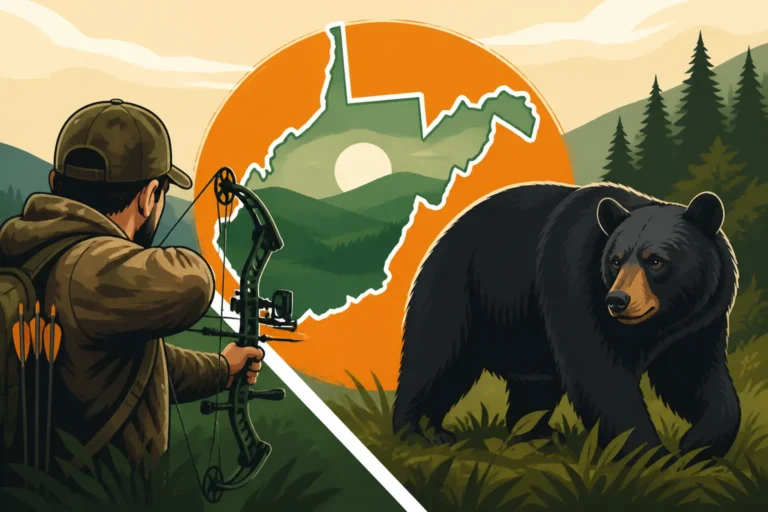
Hunting bears in West Virginia's vast Cranberry backcountry presents a truly unique challenge, one that tests your physical limits, mental fortitude, and woodsman skills like few other hunts. The sheer scale and ruggedness of this wilderness area can be incredibly daunting, often leaving even experienced hunters feeling overwhelmed by the steep terrain, dense cover, and the sheer absence of human influence. This comprehensive guide is designed to equip you with the knowledge and strategies needed to successfully navigate and hunt the elusive black bear in the heart of Cranberry, transforming those frustrations into rewarding experiences.
Understanding the Cranberry Backcountry Challenge
The Cranberry Wilderness and the surrounding Cranberry Wildlife Management Area (WMA) are not for the faint of heart or the casually prepared hunter. This is a land where the mountains truly live up to their "Wild, Wonderful" moniker, and that wildness often translates directly into the difficulty of the hunt. Bears here are not accustomed to daily human interaction, making them incredibly wary and demanding a specific approach from hunters.
The Vastness and Terrain of Cranberry
Imagine over 100,000 acres of untamed Appalachian wilderness, much of it within the greater Monongahela National Forest, where roads dwindle to trails, and trails often fade into dense laurel thickets or impossibly steep hollows. That's the Cranberry. This isn't a place where you can just drive up, hop out, and expect to spot a bear. The terrain is a relentless series of sharp ridges, deep drainages, and high-elevation plateaus, with elevations frequently exceeding 4,000 feet. You'll encounter rocky outcrops, slippery moss-covered logs, and thick stands of spruce, hemlock, and rhododendron that can reduce visibility to mere yards.
The physical demands are immense. Expect to gain and lose thousands of feet of elevation in a single day, navigating through dense undergrowth and often without the benefit of a clear trail. Your calves will burn, your lungs will ache, and your resolve will be tested. Many hunters underestimate this aspect, leading to early exits or dangerous situations. Proper physical conditioning before you even set foot on the mountain is non-negotiable. Furthermore, getting a bear out of this country after a successful harvest can be a monumental task, often requiring multiple trips or a team of dedicated friends. It's a true test of endurance and preparation. This is why understanding the lay of the land, potentially by studying maps with tools like the GoHunt app or other GPS systems, becomes critical before you even consider hanging a stand on a steep Allegheny ridge.
Bear Behavior in Undisturbed Wilderness
Bears inhabiting areas like Cranberry are fundamentally different from those that frequent more populated regions or agricultural zones in the Eastern Panhandle farmland. These are truly wild animals, masters of their domain, and their behavior reflects their deep integration into the natural rhythms of the forest. They are inherently more reclusive, more sensitive to human presence, and their patterns are almost exclusively dictated by natural food sources and the need for secure bedding areas.
Their diet in Cranberry is heavily reliant on seasonal mast crops. In late summer and early fall, they'll be keying in on soft mast like blackberries, raspberries, and serviceberries. As autumn progresses, the focus shifts dramatically to hard mast, primarily acorns from various oak species (red, white, chestnut), and beech nuts. These food sources are scattered across the vast landscape, and a bear's movement will directly follow the most abundant and nutritious offerings. A successful Cranberry bear hunter must become an expert at identifying these food sources, understanding which trees are producing in a given year, and knowing how to find them across miles of rugged terrain. Bears will also forage for grubs, overturned rocks, and even consume carrion. Their travel corridors will often connect these feeding areas to dense bedding cover, typically found in thick laurel patches, blowdowns, or steep, inaccessible hollows where they feel secure. Their senses are incredibly sharp – their nose is legendary, and their hearing and eyesight are far superior to ours in the dim forest light. A slight shift in wind, a misplaced twig underfoot, or a silhouette against the skyline can send them disappearing into the wilderness without a trace.
Essential Scouting and Planning for Cranberry Bears
Hunting bears in the Cranberry backcountry without thorough scouting and meticulous planning is akin to wandering aimlessly through a maze in the dark. The scale of the landscape and the elusive nature of the bears demand a proactive and strategic approach long before the season opens.
Pre-Season Digital and Map Scouting
Before you even tie your boots, your scout begins at home. Digital mapping tools, like the GoHunt app, Gaia GPS, or OnX Hunt, are indispensable for dissecting the Cranberry landscape from the comfort of your couch. Start by identifying large tracts of potential bear habitat. Look for areas with significant elevation changes, which often create natural funnels and travel corridors. Focus on topographical features like saddles between ridges, benches along steep slopes, and the heads of deep hollows. These are natural places where bears might travel between feeding and bedding areas.
Layer your maps with satellite imagery to identify different timber types. Stands of oak and beech will appear differently than dense hemlock or spruce groves. Remember, bears follow food. Identify large stands of mast-producing trees. Look for areas that have mature, open timber for foraging, but are adjacent to thick, impenetrable cover for bedding. Water sources, especially during dry spells, are also critical attractants. Many experienced hunters also scour maps for old logging roads or faint game trails that might offer easier (though still challenging) access deep into remote areas, but always be mindful of the rules regarding vehicle access on Monongahela National Forest Hunting. Also, be acutely aware of the boundaries between the Cranberry Wilderness Area (where motorized vehicles, bicycles, and even permanent tree stands are often prohibited) and the surrounding Cranberry WMA, as different rules apply. This initial digital reconnaissance can save you countless miles of wasted walking and help you prioritize which areas to physically explore.
Boots-on-the-Ground Reconnaissance
Once you've narrowed down your potential hunting zones through digital scouting, it's time to put boots on the ground. This phase is grueling but absolutely crucial. The goal is to verify what you saw on the map and find fresh, actionable bear sign. The best time for this is typically late summer to early fall, when mast crops are developing, and bears are actively feeding and leaving abundant sign.
When you're out there, look for:
- Scat: Fresh bear scat is a definitive indicator. Note its contents (berries, nuts, insect casings) to understand what bears are currently feeding on.
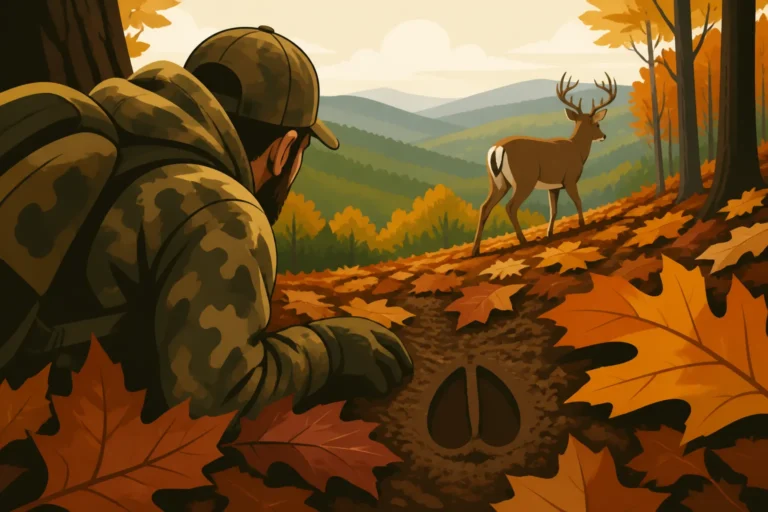
- Tracks: Look for large, five-toed paw prints in soft earth, mud around water sources, or along game trails. Pay attention to the size and direction of travel.
- Claw Marks: Bears will often claw trees, especially beech, to mark territory or to climb for nuts. Look for fresh marks on smooth-barked trees.
- Overturned Rocks/Logs: Bears will flip over rocks and logs looking for grubs and insects. Extensive signs of this indicate active foraging.
- Rubbed Saplings: Young trees, especially evergreens, might be rubbed by bears scratching their backs or scent marking.
- Disturbed Ground: Large patches of rooted-up earth can indicate a bear digging for roots or tubers.
Interpreting these signs is key. Is the sign fresh? Is it concentrated in a particular area, suggesting a current feeding hot spot? Or is it scattered, indicating a travel route? Focus on areas where multiple types of fresh sign converge. Remember that access is difficult; expect multi-day trips, which often means packing in camping gear and staying in the backcountry. This allows you to spend more time observing and scouting specific areas without losing valuable daylight hiking in and out. Be sure to check the specific rules for Camping Rules on West Virginia National Forest Land before you go. This immersive scouting will not only reveal bear activity but also familiarize you with the daunting terrain, helping you plan your hunt strategy and recovery logistics.
Proven Hunting Tactics for Cranberry Wilderness Bears
Hunting bears in the Cranberry backcountry requires patience, stealth, and a deep understanding of how to move and position yourself in truly wild country. Unlike some areas where baiting or hounds are common, hunting in Cranberry typically means still-hunting or setting up over natural food sources, often without the benefit of extensive trail networks.
Still-Hunting and Spot-and-Stalk Strategies
Still-hunting is perhaps the most effective method for bears in Cranberry's dense, rugged environment. This isn't about sitting stationary, but about moving through the forest with extreme slowness and deliberate purpose. Take one or two steps, then stop and thoroughly scan your surroundings for several minutes. Use your binoculars constantly to pick apart dense cover, looking for a patch of black, a subtle movement, or the flick of an ear. The goal is to blend into the environment, becoming part of the natural rhythm of the forest. Pay close attention to the wind direction and thermals, which are constantly shifting in steep country. Always hunt into the wind or with a quartering wind to keep your scent from blowing ahead of you. Bears have an incredible sense of smell, and a misplaced gust of wind will send them fleeing before you even know they're there.
Spot-and-stalk can also be effective, particularly during the early season or on cooler, overcast days when bears might be moving more openly. This involves getting to a high vantage point overlooking a large basin, a series of benches, or a promising mast flat. Spend extended periods glassing with good optics, looking for any sign of movement. Once a bear is spotted, the real challenge begins: planning a silent, downwind stalk through thick cover and difficult terrain. This often requires significant detours and an almost impossible level of stealth. Remember, you're not just looking for the bear itself, but also for areas of disturbed ground, broken branches, or fresh scat that indicates recent activity. Using a reliable mapping app like GoHunt can help you mark these signs and visualize potential stalk routes. For more advice on quiet movement, consider tips found in articles like Still-Hunting Cranberry WMA Ridges.
Stand Hunting Over Natural Food Sources
While often associated with deer hunting, stand hunting can be highly effective for bears in Cranberry, provided you've identified a prime natural food source. This strategy hinges entirely on your scouting efforts. Once you've located an area with abundant, fresh mast – a productive oak flat, a grove of beech trees dropping nuts, or a berry patch that's seeing heavy use – setting up a stand can be a game-changer.
Because you'll be deep in the backcountry, mobility is key. Lightweight, packable treestands or saddle hunting setups are ideal, allowing you to get in and out efficiently. When choosing your tree, ensure it offers good concealment and, most importantly, provides a clear shooting lane into the feeding area while keeping your scent out of the primary wind currents. Patience is paramount. Bears often feed during dawn and dusk, but can also be active throughout the day, especially during peak mast production. Be prepared for long, quiet sits. Understanding the prevailing wind and how thermals rise and fall in the mountains is critical when selecting a stand location. In the mornings, thermals generally rise, carrying your scent uphill; in the evenings, they fall, carrying it downhill. Position yourself accordingly to keep your scent from blowing into the bear's likely approach path. For additional insights, consider reading about Treestand Setups in Monongahela National Forest.
Ethical Considerations and Recovery Challenges
Ethical hunting in the Cranberry backcountry demands that you consider shot placement and recovery before you ever pull the trigger. In dense cover, taking a clean, ethical shot can be challenging. Wait for the bear to present a clear, broadside shot, aiming for the vitals to ensure a quick, humane kill. Practice with your chosen weapon extensively before the hunt to ensure you are confident in your abilities.
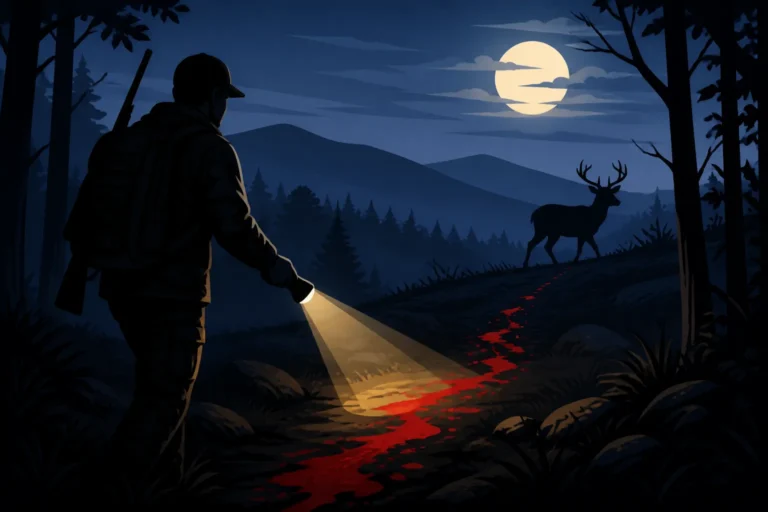
The real logistical nightmare often begins after the shot. Recovering a bear in the Cranberry backcountry is arguably the most demanding part of the hunt. This terrain is unforgiving, and a wounded bear can disappear into thick cover quickly. You must have a clear blood trail and be prepared for a long, arduous track. Bring plenty of flagging tape, a good headlamp, and a reliable GPS or mapping app to mark your trail. If hunting alone, consider bringing a satellite messenger or a way to call for assistance, as you might need help dragging out a heavy animal. The sheer weight of a bear, combined with steep slopes and dense vegetation, makes dragging a monumental task. Many hunters opt for the "gutless method" or quartering the bear in the field to make it more manageable, packing out the meat in game bags. This also becomes crucial for proper meat care, especially during warmer early season hunts, to prevent spoilage. Planning for recovery is as important as planning the hunt itself, and should be considered an integral part of your overall strategy.
Essential Gear and Safety for Backcountry Bear Hunts
A successful and safe bear hunt in the Cranberry backcountry hinges not only on skill and knowledge but also on the right gear and meticulous safety planning. The remote nature of this wilderness means you must be self-sufficient and prepared for any eventuality.
Specialized Gear for Deep Woods Hunting
Your gear list for a Cranberry bear hunt will look different from a typical deer hunt on easier terrain. Every item needs to be considered for its weight, durability, and necessity.
Here's a breakdown of critical gear:
| Category | Item | Purpose |
|---|---|---|
| Navigation | GPS Unit & Spare Batteries | Essential for precise location tracking, marking waypoints (kill sites, blood trails, camp), and navigating dense, featureless terrain. Cell service is unreliable here. |
| Satellite Communicator (e.g., Garmin InReach, Zoleo) | Critical for emergency communication outside of cell service range, sending check-in messages to loved ones, and summoning help if injured. | |
| Topographic Maps & Compass | Backup navigation. Know how to use them without electronics. | |
| GoHunt/OnX Hunt App (downloaded offline maps) | Digital maps are invaluable for identifying terrain features, property boundaries, and marking sign. Ensure maps are downloaded for offline use as cell service is rare. | |
| Optics | Quality Binoculars (8x or 10x) | For glassing distant hillsides and dissecting thick cover. |
| Rangefinder | For accurate shot placement in varying terrain. | |
| Shelter/Survival | Lightweight Tent or Tarp/Bivy | Essential if planning multi-day trips or in case of an unexpected overnight. |
| Emergency Blanket/Sleeping Bag | For warmth in an emergency. | |
| Fire Starter (waterproof matches, lighter, ferro rod) | For warmth, signaling, and morale. | |
| Water Filter/Purifier | Access to clean drinking water is vital. Carry a small filter or purification tablets. | |
| First-Aid Kit (comprehensive) | For treating cuts, blisters, sprains, and other injuries common in rugged terrain. Include pain relievers, gauze, antiseptic wipes. | |
| Hunting Specific | Packable Treestand/Saddle Hunting Gear | For setting up over natural food sources. Must be lightweight for hiking long distances. |
| Game Bags | For quartering and packing out meat, crucial for preventing spoilage and reducing drag weight. | |
| Sharp Knives & Bone Saw/Hatchet | For field dressing and butchering. | |
| Flagging Tape | For marking blood trails, routes, or important sign. | |
| Headlamp & Spare Batteries | Essential for navigating in the dark, tracking, or setting up/taking down stands before dawn/after dusk. | |
| Bear Spray | For close encounters, though less common for hunters, it's a wise precaution. Make sure it's accessible. | |
| Clothing | Layered Clothing System (wool/synthetics) | For adapting to rapidly changing mountain weather. Avoid cotton. Focus on moisture-wicking base layers, insulating mid-layers, and a waterproof/windproof outer shell. |
| Durable, Waterproof Boots | With good ankle support and aggressive tread for steep, slippery terrain. | |
| Gaiters | To keep debris and moisture out of your boots. | |
| Other | Heavy Duty Backpack | Large enough to carry all your gear, and potentially a section of a bear. With a good frame system. |
| Trekking Poles | Invaluable for stability on steep ascents and descents, and for probing ahead in thick brush. | |
| Whistle | For signaling. | |
| Plenty of High-Energy Snacks | Bars, jerky, nuts to sustain energy during grueling hunts. |
This list might seem extensive, but each item serves a critical purpose in ensuring your safety and increasing your chances of success in such a demanding environment. For instance, knowing how to use your GPS Units Versus Phone Apps effectively can be the difference between a safe return and being lost.
Preparing for Remote Wilderness Conditions
Beyond the gear, mental and physical preparation are paramount for a Cranberry bear hunt. This isn't a casual walk in the park; it's an expedition.
- Physical Fitness: Start a rigorous fitness regimen months before your hunt. Focus on cardiovascular endurance, leg strength (especially for climbing and descending steep grades), and core stability. Practice hiking with your full pack weight.
- Communication Plan: Before you leave, provide a detailed itinerary to a trusted contact. This should include your exact hunting area, expected return time, and what to do if they don't hear from you. Carry a satellite communicator for daily check-ins; cell service is almost non-existent in much of Cranberry.
- Wildlife Awareness: While bears are your target, be aware of other wildlife. Coyotes are common, and while typically shy, it's always good to be aware. Venomous snakes (timber rattlesnakes and copperheads) are present, especially in warmer months. Always watch where you step and place your hands.
- Bear Encounters: While you're hunting bears, direct encounters are still possible and can be startling. Carry bear spray on your hip, readily accessible. Know how to use it. If you encounter a bear that is unaware of you, make noise and give it space to retreat. If a bear becomes aggressive, stand your ground, make yourself look as large as possible, and be prepared to use your bear spray.
- Weather Preparedness: Mountain weather is notoriously unpredictable. A sunny morning can turn into a cold, driving rain or even snow in a matter of hours. Always pack rain gear and extra layers, even if the forecast looks clear. Hypothermia is a real danger.
- Leave No Trace: Practice strict Leave No Trace principles. Pack out everything you pack in, and minimize your impact on the wilderness.
Hunting in the Cranberry backcountry is an immersion into true wilderness. It’s an adventure that requires respect for the land, thorough preparation, and a commitment to safety. With the right mindset, gear, and tactics, you can experience one of West Virginia's most challenging and rewarding hunts.
Disclaimer
Hunting is an inherently dangerous activity. This guide provides general information and recommendations. Always consult the official West Virginia Division of Natural Resources (WVDNR) regulations for the most current laws and season dates before embarking on any hunt. It is your responsibility to understand and abide by all applicable hunting laws, ensure your safety, and obtain proper landowner permissions if hunting on private land.