Blood Trailing After Dark in West Virginia
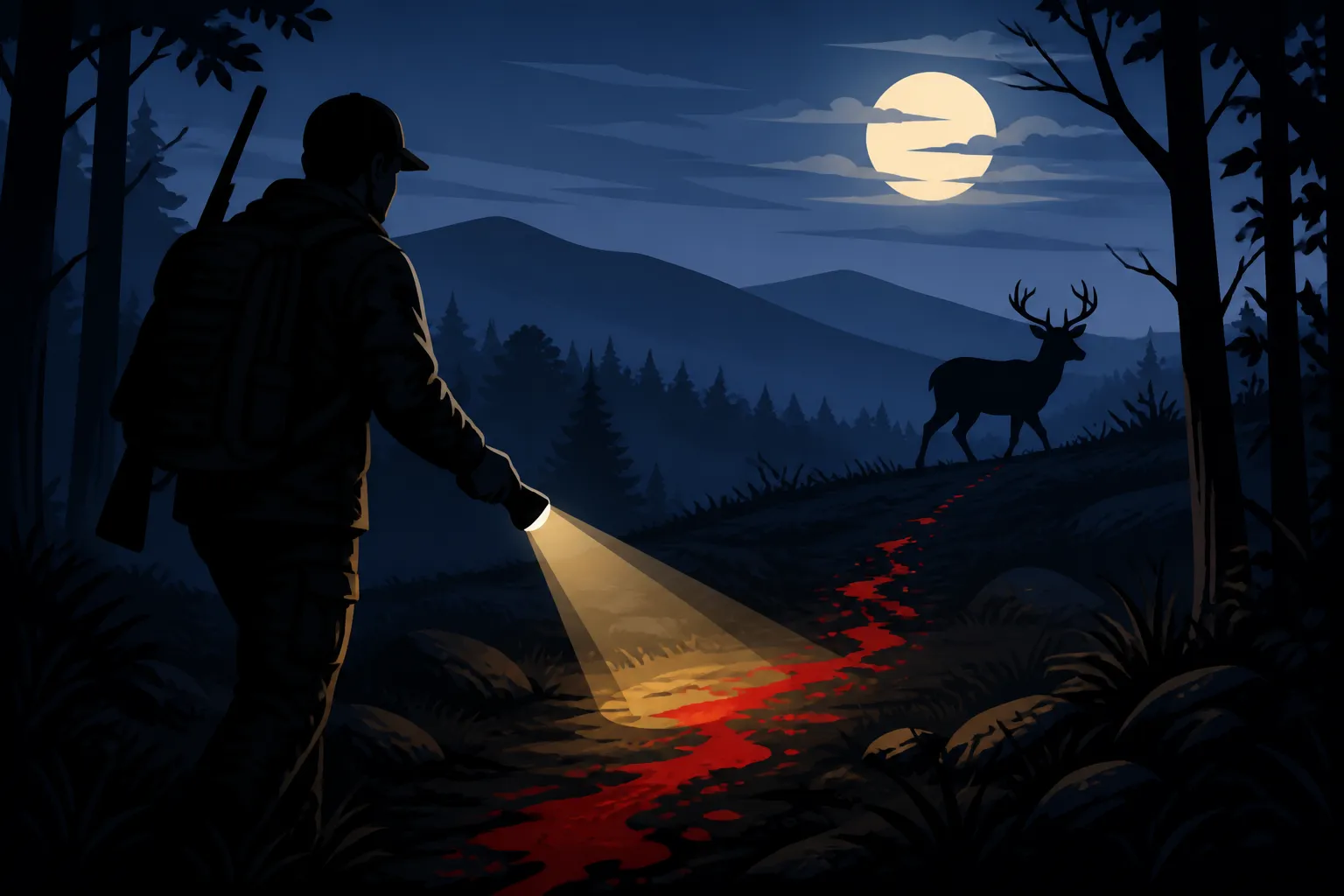
There are few feelings worse than making a shot on a West Virginia deer, only to have them disappear into the thick timber or down into a steep hollow as darkness starts to fall. That pit in your stomach, the frantic searching, the cold dread as the blood trail fades with the last light – it's a frustration every hunter can relate to. This guide is here to walk you through proven strategies for effectively blood trailing after dark in West Virginia's challenging terrain, helping you maximize your chances of recovery and avoid leaving an animal out overnight.
The Immediate Aftermath and Preparing for a Night Trail
When you make a shot, adrenaline surges, and the natural instinct is often to take off after the deer. But in West Virginia, especially as dusk approaches, patience is your most powerful ally. The decisions you make in those first few minutes and hours can often dictate whether you find your deer.
Assessing the Shot and Waiting Period
After the shot rings out, your mind races. Did it sound good? Did the deer react? Did it kick, mule-kick, or just bolt? These are critical observations. If you saw the deer kick its hind legs, it often indicates a gut shot, which means a much longer wait is in order – often 6-8 hours, sometimes even longer if weather conditions allow. If it hunched up or ran off with its tail tucked, it could also point to a gut shot or a muscle hit.
Conversely, a deer that barrels off with its tail flagging high and then suddenly drops it, or one that shows a noticeable sag in its midsection, often points to a heart or lung shot. These animals typically don't go far, often dropping within 50-100 yards. You might even hear the telltale "crash" if it piled up nearby. However, even with a seemingly perfect shot, the dense cover of West Virginia's forests – the rhododendron thickets, the laurel patches, the steep, rocky ravines – can swallow a deer whole, making visual confirmation almost impossible from the stand. This is why a waiting period, tailored to your best assessment of the shot, is so crucial. Pushing a marginally hit animal too soon can bump it off its bed, pushing it further and making recovery exponentially harder. Resist the urge to go immediately, unless you are absolutely certain it was a catastrophic hit and the animal is down within sight.
Essential Gear for Night Trailing
Once you've given the deer an appropriate amount of time, gathering the right gear before you even step foot on the trail is non-negotiable. Trying to piece together equipment in the dark, fumbling with dead batteries, or realizing you're missing something vital only adds to the stress and reduces your effectiveness.
First and foremost, you need good lighting. A powerful headlamp is a must, freeing up your hands for navigating tricky terrain or marking the trail. Look for one with a high lumen output, ideally with adjustable beam settings – a wide flood for scanning the general area and a focused spot for pinpointing subtle blood droplets. Always carry spare batteries or a fully charged power bank. In addition to a headlamp, a dedicated, bright handheld flashlight is invaluable. Some hunters swear by specialized blood-trailing lights, which use specific LED colors (like blue or UV) that are supposed to make blood "pop" against the leaf litter. While these can sometimes work, the reality is that West Virginia's varied soil types, leaf colors, and dampness can make any specialized light hit-or-miss. The most reliable method is often a very bright white light, used meticulously.
Next, you need markers. Surveyor's tape, small strips of toilet paper, or reflective tacks are excellent for marking every discernible blood spot, broken twig, or sign of passage. This prevents you from losing your place and allows you to easily backtrack if the trail disappears. For navigation, a reliable GPS unit or a hunting app like GoHunt on your smartphone is critical. It allows you to mark your starting point, the last known blood, and your path, which is crucial if you get turned around in the dark. Always have a backup, like a compass and physical map, especially in areas with poor cell service, which is common throughout the state's rugged topography.
Don't forget personal safety and comfort items: extra layers of clothing (West Virginia nights can get cold, even after a warm day), water, a sharp knife, and a small first-aid kit. If you plan to quarter the animal to pack it out, consider carrying game bags. Preparing thoroughly eliminates distractions and allows you to focus solely on the task at hand.
| Gear Item | Purpose | Key Feature for Night Trailing |
|---|---|---|
| Headlamp | Hands-free illumination | High lumens, adjustable beam (flood/spot), long battery life |
| Handheld Flashlight | Focused, powerful light | Very bright, good for sweeping ground, specific blood-tracking modes if desired |
| Spare Batteries/Power Bank | Sustained light source | Essential backup for all electronics |
| Surveyor's Tape / Toilet Paper | Marking the trail | Highly visible, easy to tie to branches, biodegradable options |
| GPS Device / Phone App (e.g., GoHunt) | Navigation & trail marking | Ability to drop waypoints, track path, show property boundaries |
| First-Aid Kit | Personal safety | Bandages, antiseptic, pain relievers for minor injuries |
| Warm Layers | Comfort & safety | Fleece, wool, or synthetic insulation to prevent hypothermia |
| Water & Snacks | Sustained energy | Staying hydrated and energized for a potentially long search |
| Sharp Knife | Field dressing / Cutting markers | Reliable blade for various tasks |
| Small Binoculars | Identifying subtle clues | Can help discern disturbed ground or distant spots with adequate light |
| Trekking Poles | Stability on steep ground | Reduces risk of falls, aids in navigating slippery or uneven terrain |
Techniques for Following a Blood Trail in Darkness
Blood trailing at night in West Virginia requires a completely different mindset and approach than trailing during daylight hours. Every single clue becomes amplified, and the pace must slow down dramatically.
Utilizing Specialized Lighting and Optics
While daylight allows you to pick up large splashes or smears from a distance, night trailing demands a methodical, almost forensic approach. The specialized blood-tracking lights I mentioned earlier, which often emit a blue or UV light, work by making the iron in blood fluoresce or stand out against other colors. The effectiveness can vary wildly depending on the moisture content of the leaves, the color of the soil, and even the type of foliage. Sometimes they make blood jump out, other times they just create a distracting glare. My advice is to try one if you have it, but don't rely solely on it. A high-quality, bright white LED headlamp or flashlight, combined with a very low angle of attack, often proves most effective.
Get down low, even on your hands and knees if necessary. Sweep your light back and forth across the ground, just inches above the surface. This low angle helps shadows highlight irregularities on the forest floor, making even tiny specks of blood more visible against the often-busy backdrop of West Virginia's leaf litter. Look for pinpricks of dark red, often appearing almost black, or shiny smears on leaves or bark. Don't just look for bright red puddles; even a few drops of dark, coagulated blood can tell you where to go next. Remember that blood can sometimes look brownish or even greenish under certain lights or against certain backgrounds. Take your time, mark every single spot, and never move forward until you've confirmed the direction of travel.
Reading Subtle Clues Beyond Blood
In West Virginia, especially when tracking a deer through dense laurel or rhododendron, the blood trail can often disappear or become incredibly sparse. This is where you need to become a detective, reading every subtle clue the deer has left behind. Don't solely rely on blood. Look for disturbed leaves and moss where the deer's hooves have shuffled or dug in. Pay attention to broken twigs or scraped bark on saplings, especially if the breaks are fresh and the wood inside is still light-colored. A deer that's hurting might drag a leg, leaving a distinct mark, or push through thickets rather than jumping over them, snapping branches in unnatural ways.
Hair, often overlooked in the panic, can be a goldmine of information. Look for tufts of hair caught on thorns, briars, or broken branches. The color and length of the hair can indicate where on the body the deer was hit. Dark, short hair often comes from the back or upper body, while longer, lighter hair might indicate a leg or belly hit. Sometimes you'll find bone fragments or stomach contents, which are undeniable signs of a serious hit, though unfortunate indicators of a long, difficult trail. Even the smell of a gut-shot animal can sometimes be detected in still air. Remember the exact spot where you last saw the deer and expand your search in widening circles from that point. Consult your GoHunt app to mark the "last known blood" and then expand your search radially, focusing on areas of thick cover where a wounded animal might seek refuge. As detailed in our guide on Reading West Virginia Mud for Fresh Deer Movement, even slight impressions can offer direction.
Working with a Partner or Group
Blood trailing at night is significantly more effective and safer with a partner or, ideally, a small group. The advantages are numerous: more eyes on the ground, fresh perspectives when one person gets stumped, and the added safety net of having others in the wilderness after dark.
Designate one person as the "blood tracker" – their sole job is to meticulously follow the actual blood trail. This person should be focused, slow, and methodical. Another person can act as the "marker," placing tape or tacks at each verified blood spot, ensuring the path is clear. A third person can be the "searcher," ranging slightly ahead or to the sides, looking for parallel signs like disturbed ground, broken branches, or even the animal itself. This team approach allows for a wider search pattern and reduces the chance of missing critical clues.
Clear communication is paramount. Use quiet whispers, specific hand signals, or agreed-upon verbal cues to avoid spooking the animal if it's still alive and bedded nearby. Never allow the "searcher" to get too far ahead and potentially contaminate the trail or push the deer. Ensure everyone understands the plan before you start. For larger groups, setting up a system for Deer Drives With Three or Four Hunters can offer insights into coordinated movement, even if you’re not actively driving deer. This collaborative effort not only increases your chances of success but also provides a layer of security against getting lost or injured in the dark.
When to Call Off the Trail and Re-evaluate
Despite your best efforts, sometimes the trail simply vanishes into the mountain. Knowing when to back out and when to push on is a tough decision, but a crucial one for both ethics and safety.
Knowing When to Back Out
There comes a point when, after exhaustive searching, the blood trail truly disappears, and you’ve expanded your search in all logical directions without success. You've checked every thicket, every downed log, every creek bottom, and there’s simply no more sign. Continuing to blindly wander the woods in the dark risks pushing the deer even further, confusing the scene, or, more importantly, compromising your own safety.
If the weather forecast calls for rising temperatures, you might have less time. However, in cooler West Virginia fall nights, you can usually pause the search without significant risk of spoilage if the deer is indeed expired. It’s also important to consider the shot placement. If you suspect a gut shot and have already given it several hours, pushing through the night might result in spooking the animal and losing it entirely. In these cases, it's often best to mark your last known blood heavily with surveyor's tape or reflective tacks, note its coordinates on your GoHunt app, and strategically retreat. Remember that safety is paramount. If you're becoming disoriented, fatigued, or the terrain is becoming too treacherous, it's time to call it a night. Pushing your limits can lead to falls or getting truly lost, especially in the remote parts of the Monongahela National Forest.
Strategies for Resuming the Search at Dawn
Returning at first light significantly improves your chances. Daylight allows for a wider field of vision and a different perspective on the terrain. Blood that might have been invisible under artificial light can sometimes "pop" in the natural light, and dried blood can present a different appearance.
Head back to your last marked blood spot. From there, expand your search in ever-widening circles, meticulously covering every inch of ground. Pay close attention to areas where a wounded animal might naturally seek refuge: dense cover like conifer stands, laurel thickets, or rhododendron patches; creek bottoms or water sources where it might have gone for a drink; and natural funnels between ridges, as described in Hunting a Funnel Between Two Hollows. Deer often prefer to bed down with their back to a natural barrier, watching their backtrail, so keep an eye out for such spots. Even if you don't find blood, look for areas of disturbed leaves or fresh tracks in soft soil.
The early morning light also brings dew, which can make subtle tracks more evident. Walk slowly, scanning the ground not just for blood, but for any sign of disturbance. When resuming a search for a deer, think like a Shed Hunting on West Virginia Public Land enthusiast – slow, deliberate, and covering ground methodically, looking for any anomaly. Often, a deer will travel a short distance, bed down, and if pushed, will get up and move again. Finding that first bed can be a game-changer.
Safety Considerations for Night Trailing
The wilds of West Virginia are beautiful but unforgiving, and the challenges are magnified exponentially after dark. Your personal safety and the safety of your hunting partners must be your absolute top priority.
Navigating West Virginia's Challenging Terrain in the Dark
West Virginia is, after all, the Mountain State. Our terrain is notorious for its steep slopes, rocky outcroppings, hidden roots, tangled blowdowns, and thick, thorny underbrush. Navigating this after dark presents significant risks. A simple misstep can lead to a sprained ankle, a broken bone, or a nasty fall down a steep incline. Recovering a deer from a steep hollow can be a brutal task even in daylight, let alone when visibility is compromised. Our guide on Recovering a Deer From a Steep Hollow emphasizes the difficulty.
Always wear sturdy, ankle-supporting boots with good traction. Trekking poles can provide invaluable stability, helping you maintain balance on slippery leaves, loose rocks, or steep descents. Move slowly and deliberately, constantly scanning the ground directly in front of you. Avoid rushing. Be especially cautious around creek beds, rocky ledges, and areas of dense laurel or rhododendron that can conceal drop-offs or make footing uncertain. It's easy to become disoriented in the dark, even in familiar territory, so trust your GPS and marked trail.
Communicating and Staying Aware of Other Hunters
Even though night hunting for deer is generally not permitted (except for specific nuisance or depredation permits), there's always a chance other hunters might be out tracking or scouting, or even engaged in legal activities like Predator Calling West Virginia Ridgelines at Dusk for coyotes. To ensure your safety and avoid alarming others, it's a good practice to still wear some blaze orange or blaze pink, even if it's just a vest. Our guide on West Virginia Blaze Orange Requirements explains the full scope during legal daylight hours, but the principle of visibility remains.
Clearly communicate your presence, especially if you hear or see signs of other people. Yell out "Hunter!" or "Tractor!" periodically to alert anyone in the vicinity. If you're with a group, keep each other within earshot or sight. Carry a fully charged cell phone for emergencies, but don't rely on it as your sole communication device due to spotty coverage in many remote areas. A personal satellite messenger or two-way radios can be a lifesaver.
Always be aware of private property boundaries, especially when using your GoHunt app for navigation. Respecting these boundaries, as well as being mindful of where you're discharging a firearm (if you're carrying one for defense against predators), is crucial. Being lost or injured in the dark is bad enough, but accidentally trespassing or encountering another hunter unexpectedly can add serious complications. Familiarize yourself with all West Virginia Hunter Education Requirements before hitting the woods, as they cover many of these vital safety aspects. Always be cautious, deliberate, and communicate clearly to ensure a safe and successful recovery effort.
Disclaimer
The information provided in this guide is for informational purposes only and is not a substitute for official West Virginia hunting regulations. Always consult the current West Virginia Division of Natural Resources (WVDNR) hunting regulations for specific season dates, bag limits, legal equipment, and safety requirements. Rules and laws can change, so staying informed is the hunter's responsibility.