Opening Weekend Crowds on West Virginia Public Land
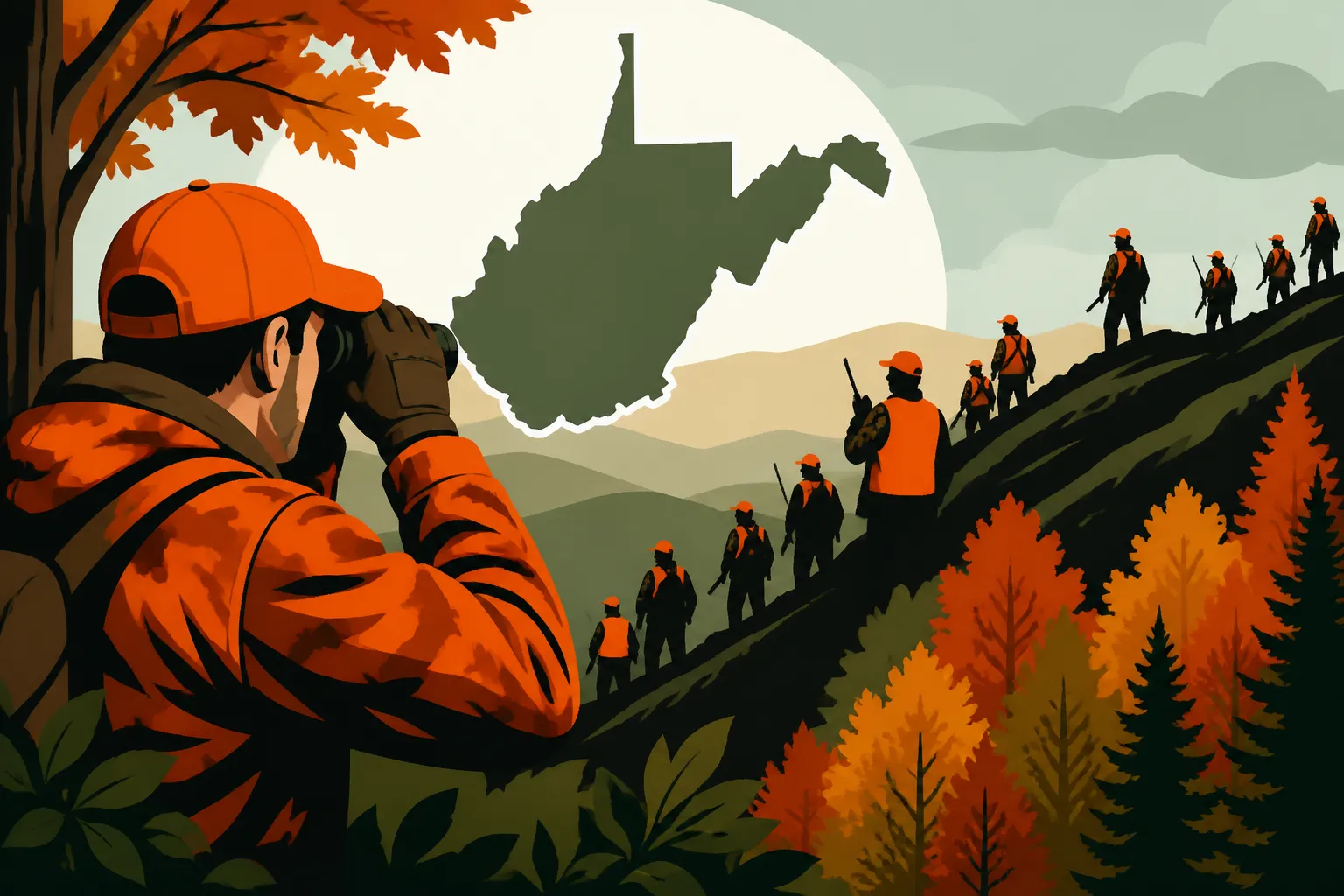
The first few days of deer season in West Virginia can feel less like a peaceful hunt and more like a crowded amusement park, especially on our public lands. It’s frustrating when you've put in the time scouting, only to arrive opening morning and find trucks bumper-to-bumper at every pull-off. This guide is all about navigating those infamous opening weekend crowds on West Virginia public land, helping you find those pockets of solitude and increase your chances of success, even when it feels like everyone else has the same idea.
Understanding the Opening Weekend Rush
There's a reason opening weekend is such a spectacle, and understanding why so many hunters converge on the woods can help you anticipate their movements and plan your own strategy accordingly. It’s not just about tradition; it's about anticipation, opportunity, and sometimes, a little bit of wishful thinking.
Why Everyone Shows Up
Let's be honest, the excitement leading up to opening day is palpable. For many West Virginia hunters, deer season isn't just a hobby; it's a deeply ingrained tradition, a family event, and often, the culmination of months of anticipation. People take vacation time, gather their hunting camps, and dream of that perfect buck. The sheer kinetic energy of everyone heading into the woods simultaneously creates a surge that's hard to avoid. There's a feeling that "this is the day," and no one wants to miss out on the initial flurry of activity.
Beyond tradition, there's a strong belief that deer are most susceptible on opening day before they've been pressured. While there's some truth to deer moving during the initial disturbance, the sheer number of hunters often works against finding consistent patterns. Many hunters also have limited time off, making opening weekend their only real window to hit the woods. This concentration of effort means that prime spots, or even seemingly mediocre ones, will inevitably see a lot of boot traffic.
It's also about hope. Every hunter steps into the woods on opening morning with the dream of a quick, successful hunt. The idea of getting that big buck within the first few hours is a powerful draw, and it contributes significantly to the concentrated effort we see across our public lands. Combine this with the varying rules outlined in the West Virginia Deer Season Structure Explained, and you have a recipe for focused pressure in specific areas.
Common Congestion Points
If you want to avoid the crowds, you first need to know where they're most likely to be. On West Virginia public land, certain areas are almost guaranteed to be packed on opening weekend. The easiest access points are always the first to fill up. Think about any gravel pull-off along a main road adjacent to a national forest boundary or the main entrance gates to popular Wildlife Management Areas (WMAs). These spots offer the path of least resistance, and that’s exactly what many hunters, especially those with less mobility or who prefer shorter walks, are looking for.
Established trails and old logging roads also become major arteries for hunter traffic. If you can walk it easily, chances are dozens of other hunters have the same idea. Areas with gentle slopes, visible clear-cuts, or obvious habitat transitions (like where a hardwood ridge meets a pine thicket) that are simple to navigate often become human highways. For instance, the edges of agricultural fields in the Eastern Panhandle or easily accessible overlooks in the Monongahela National Forest can become bustling hubs.
Lastly, "known good spots" or areas that have produced in the past will draw hunters like magnets. Whether it's a specific bench, a famous hollow, or a well-documented acorn flat, word gets around. Even if not explicitly advertised, hunters scout during the offseason and identify these promising locations, leading to multiple individuals trying to hunt the same small parcel of ground. Understanding West Virginia Hunting Licenses and What They Cost and where hunters choose to buy them won't tell you where they're going, but knowing the sheer volume of licenses sold definitely indicates the potential for heavy pressure.
Strategies to Avoid the Crowds
While the crowds on opening weekend can feel overwhelming, you're not powerless. With a bit of strategic thinking and a willingness to put in some extra effort, you can significantly reduce your encounters with other hunters and find those elusive pockets of unpressured deer.
Scouting Smart: Before the Season
The absolute best defense against opening weekend crowds is proactive, thorough scouting. This isn't just about finding deer sign; it's about finding unpressured deer sign. Start well before the season, utilizing every tool at your disposal. Digital mapping applications, like those offered by GoHunt, are indispensable. They allow you to pour over topographic maps and aerial imagery from the comfort of your home, identifying potential access points that are less obvious, steep terrain that might deter others, or overlooked habitat features. You can essentially perform a digital walkthrough of the entire area, identifying potential hideaways for both deer and yourself.
When you hit the woods for physical scouting, focus on areas that are difficult to access. Look for places that require a longer walk, involve crossing a creek, or navigating steep, broken terrain. These are the natural barriers that filter out the majority of hunters. Instead of just looking for rubs and scrapes, try to identify escape routes and bedding areas that are far from any obvious human disturbance. For a deeper dive, check out Scouting West Virginia Public Land Before Season. Think about transition areas that deer might use to move between thick cover and food, especially if those areas are a pain to get to.
GoHunt's layers can help you pinpoint these subtle changes in elevation or cover type. By identifying these less-trodden paths and hidden pockets, you're not just finding where deer are, but where deer will be when pressure mounts. Remember, pressured deer become masters of evasion, and their first move is often to retreat to the most impenetrable cover they can find.
Timing Your Hunts
One of the simplest, yet often overlooked, strategies is to adjust when you hunt. While the allure of opening morning is strong, it's also when hunter density peaks. If you have the flexibility, consider waiting a day or two. The initial burst of activity and the subsequent wave of hunters often push deer into new patterns or deeper cover. By Sunday afternoon or Monday, many weekend warriors have packed up and headed home, leaving the woods significantly quieter.
Mid-week hunting, if your schedule allows, is a game-changer. The difference in hunter numbers between a Saturday and a Tuesday can be absolutely staggering. You'll often find yourself having entire ridges or hollows to yourself. Additionally, think about your timing during the day. While most hunters are out at first light, many will head back to their vehicles or camp by mid-morning for breakfast or a break. If you're willing to hunt through lunch and into the early afternoon, you might be surprised at the deer movement you observe during this often-overlooked window.
It's also worth considering late-morning starts if you're aiming for a deep penetration into public land. By the time you've hiked a mile or two, many of the early birds might be on their way out, creating less disturbance during your entry. This can be particularly effective when you're looking to capitalize on deer that have been pushed out of the easily accessible areas and are settling into new bedding locations.
Leveraging Weekdays and Bad Weather
If you truly want to escape the crowds, look to the calendar and the sky. If your job allows, using vacation days for mid-week hunts, especially the Monday through Wednesday after opening weekend, will yield a vastly different experience. The collective pressure drops dramatically, and deer often begin to resume more natural movement patterns. This is when the woods truly start to feel like hunting again, rather than a competition for space.
Perhaps the most potent crowd-dispersal tool is inclement weather. Most hunters are fair-weather folk. A steady rain, a sudden drop in temperature, or even a light snow will send a significant percentage of hunters back to their warm homes or hunting camps. This is your opportunity. Invest in good quality, waterproof, and insulated gear. Staying comfortable and persistent when others are bailing out gives you a huge advantage. Deer don't stop moving in the rain; in fact, they often seem more active and less wary.
Embracing the elements requires preparation: a reliable rain suit, warm base layers (wool or synthetics are key), and waterproof boots. While it might not be the most comfortable hunt, it's often the most productive in terms of finding unpressured deer and enjoying a truly solitary experience. When you're the only one out there in a steady drizzle, you'll be amazed at how much more wildlife you encounter, including that wary buck everyone else left behind.
Finding Solitude: Beyond the Beaten Path
The truth about hunting West Virginia's public land on opening weekend is that finding solitude often means going where others simply won't. This requires a bit more effort, a solid understanding of topography, and a willingness to explore less obvious avenues.
Go Deeper: The Two-Mile Rule
This is an old adage, but it holds true: most hunters don't walk more than a mile, maybe a mile and a half, from their vehicle. If you're willing to push beyond that two-mile mark, especially in vast tracts like the Monongahela National Forest, your chances of finding genuinely unpressured ground skyrocket. This isn't just about distance; it's about the perceived effort. A two-mile walk up a steep hollow or over two ridgelines feels much longer than two miles on flat ground. These are the areas where you can truly find what amounts to a private hunting experience.
Committing to the two-mile rule demands physical fitness and a lighter, more efficient gear setup. Every ounce counts when you’re hiking into remote country. A small, efficient pack, minimal essentials, and a focus on essential gear will make the journey easier. Remember, the deeper you go, the more self-reliant you need to be. These are the places where mature bucks often bed down when pressure mounts, knowing most hunters won't follow them. For insights on where to look, consider Where Monongahela Forest Bucks Bed.
When you plan these deep penetration hunts, always factor in your exit. That two-mile hike in becomes a challenging two-mile hike out, potentially with a deer on your back. It’s a commitment, but the reward of solitude and a real chance at an older animal makes it worthwhile. This is particularly true if you are Finding Ground That Sees Fewer Hunters.
Utilizing Topographic Maps and Aerial Imagery
Your mapping tools are your best friends in the quest for solitude. Digital apps with detailed topographic maps and high-resolution aerial imagery are crucial. Tools like GoHunt allow you to identify subtle terrain features that might be overlooked by others. Look for steep slopes, deep hollows, isolated benches, and remote creek bottoms that show no obvious trail access. These are the places deer will retreat to when pressure is high, and they're often ignored by hunters who stick to the more obvious routes. Reading Aerial Photos for Eastern Panhandle Deer offers excellent tips for this.
Beyond the obvious, scrutinize the terrain for forgotten logging roads or old homestead paths that might be overgrown but still offer a slightly easier route into otherwise impenetrable areas. These faint lines on a map can often lead you to hidden pockets of prime habitat. Look for saddles between two peaks, inside corners of thickets, or abrupt changes in elevation that might create natural funnels or bedding areas. A prime example is Hunting a Funnel Between Two Hollows, where deer are naturally channeled by the terrain.
Plan your entry and exit routes meticulously, considering not just distance but also elevation changes. What looks like a short distance on a map can be a grueling climb in reality. Understanding how wind and thermals will interact with the topography in these remote spots is also vital for a successful hunt, as deer will often use these to their advantage when feeling pressure.
Focusing on Overlooked Habitat
Many hunters gravitate towards what they perceive as "ideal" habitat – open oak ridges, mature timber, or food plots. While these areas can be productive, they're also heavily pressured. To find solitude and pressured deer, you need to think like a deer under pressure: Where would you go to hide? The answer is usually the thickest, nastiest, most uncomfortable cover you can imagine. This means focusing on areas that others avoid.
Seek out dense laurel thickets, regenerating clear-cuts (even those that seem impenetrable), steep rhododendron hells, or brushy creek bottoms. These areas might not look appealing from the road, and they certainly don't offer easy walking, but they are sanctuaries for deer. When the woods fill with hunters, deer will often bed down in these seemingly impenetrable spots, moving only at night or when forced. Hanging a Stand on a Steep Allegheny Ridge offers specific tactics for this kind of unforgiving terrain.
Hunting these overlooked habitats requires a different approach. You might need to still-hunt slowly, listening for subtle movements, or set up on the very edge of the thick stuff, waiting for a deer to stage before entering more open areas. It's not glamorous, but it's often where the biggest, most cautious bucks will hide when the pressure of opening weekend is at its peak.
Safety and Etiquette in Crowded Areas
Even with the best strategies, you might still encounter other hunters on opening weekend. Knowing how to safely and respectfully share the woods is crucial for everyone's experience and, more importantly, for safety.
Communication and Respect
When you do encounter another hunter, a simple nod, a friendly wave, or a quiet greeting goes a long way. We're all out there for similar reasons, and a little courtesy can diffuse potential tensions. If you see a parked vehicle or an occupied treestand, give that area a wide berth. There's nothing more frustrating than having another hunter unknowingly (or knowingly) walk in on your setup. Ethical hunting means respecting others' space.
It’s always a good idea to pre-plan your entry and exit routes, especially if you're hunting with partners. If you're on public land, let someone know where you're going and when you expect to be back. Consider using two-way radios with your hunting party if allowed and practical, especially for deer drives on public land, which some groups undertake during crowded periods. Being aware of your surroundings and using common sense will prevent most negative interactions.
Remember, patience is a virtue, especially when dealing with crowds. Frustration can lead to hasty decisions, so keep a clear head and focus on what you can control. The woods are big enough for everyone, but sometimes it takes a little extra effort and understanding to make it feel that way.
Blaze Orange: Your Best Friend
Perhaps the most critical safety measure, especially on opening weekend, is wearing sufficient blaze orange. Even if you're bowhunting during a rifle season where orange requirements are slightly different, or in an archery-only county, it is simply common sense to wear it when entering or exiting the woods. As outlined in West Virginia Blaze Orange Requirements, West Virginia law has specific mandates, but going above and beyond those minimums can literally save your life.
Your blaze orange hat, vest, or jacket makes you visible to other hunters, significantly reducing the risk of being mistaken for game, especially during low light conditions at dawn and dusk. Many hunting accidents occur when hunters are walking to or from their stand, not necessarily when they are actively hunting. Don’t rely on others to see you; make yourself as visible as possible.
If you are hunting with a dog, ensure your canine companion is also wearing blaze orange. Modern dog vests come with high-visibility features that are easy to spot. This simple act of wearing proper blaze orange is a sign of respect for other hunters and a commitment to your own safety. Never skimp on this vital piece of gear, particularly when you know the woods will be teeming with other enthusiasts.
Crowd Avoidance Strategies at a Glance
Navigating West Virginia's public lands during opening weekend requires a multi-faceted approach. Here's a quick overview of key strategies:
| Scenario | Hunter Density (Est.) | Recommended Strategy |
|---|---|---|
| Roadside Parking Areas | Very High | Avoid completely; walk in at least 1 mile, preferably 2+ from these areas. |
| Popular WMAs (Opening Day) | High | Hunt mid-week, embrace foul weather, or focus on remote sections. Utilize GoHunt for mapping. |
| Established Logging Roads | Medium-High | Venture off-trail; hunt deep hollows or steep benches above roads. |
| Deep Backcountry | Low | Commit to long walks (2+ miles); use topo maps for hidden access. |
| Mid-Week or Inclement Weather | Low-Medium | Prioritize these days; pack good gear and stay resilient. |
| Southern Archery-Only Counties | Variable | Even in these areas, opening weekend still draws crowds. Apply deeper strategies. |
Disclaimer
Always consult the latest West Virginia Department of Natural Resources (WVDNR) hunting regulations before heading afield. Seasons, bag limits, and specific rules can change annually. This guide is for informational purposes only and does not supersede official regulations.