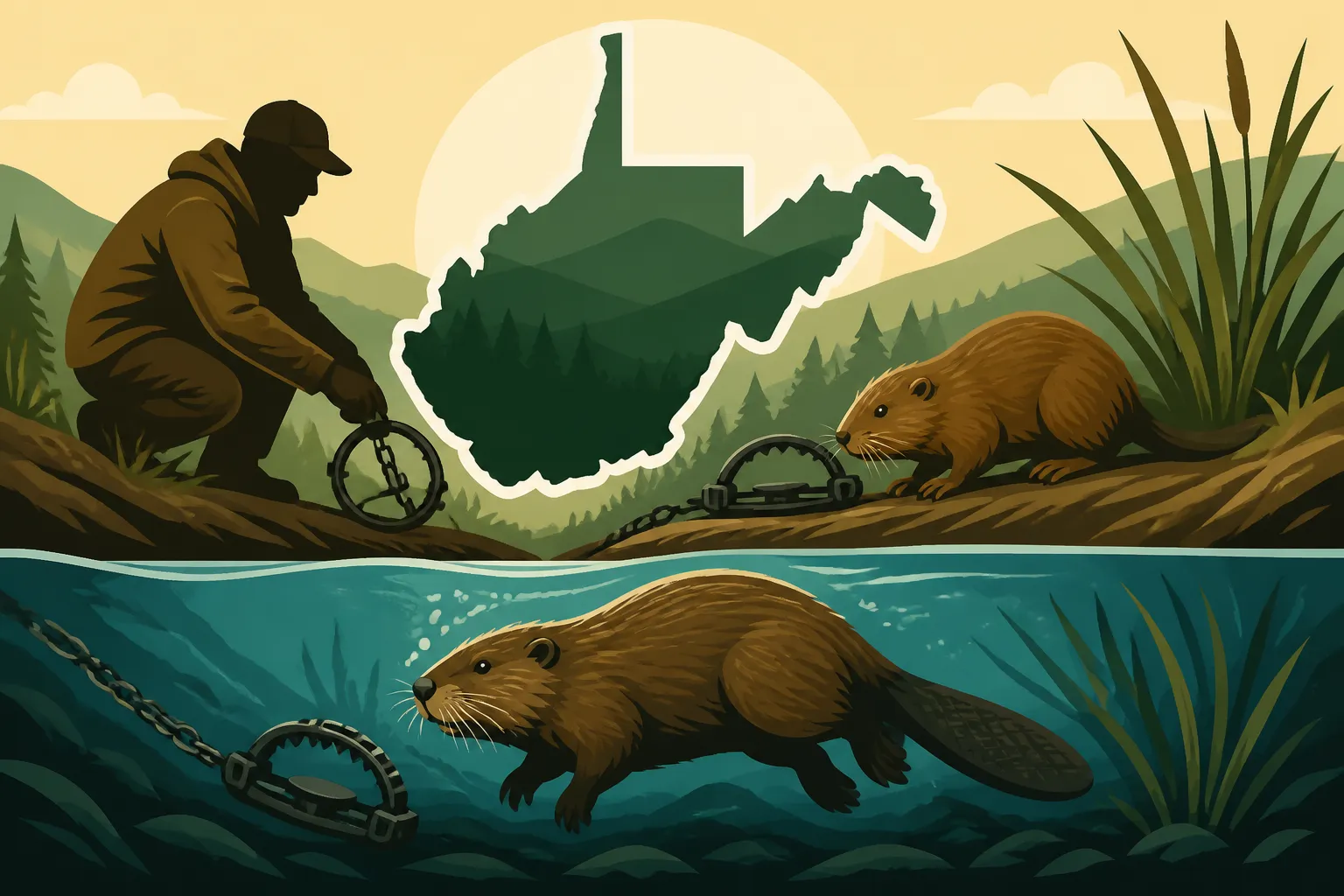
Trapping West Virginia Muskrat and Beaver
There's a unique satisfaction that comes from truly understanding the land and its creatures, and for many of us in West Virginia, that extends to furbearer trapping. It’s not just about harvesting; it’s about managing populations, utilizing natural resources, and connecting with the wild on a deeper level. But let's be honest, getting started or even staying proficient in trapping muskrats and beavers here in the Mountain State can feel like navigating a maze of regulations, elusive critters, and ever-changing conditions. This guide aims to clear the path, offering practical advice and seasoned insights to help you successfully and ethically trap muskrats and beavers across West Virginia's diverse landscapes.
Navigating West Virginia's Furbearer Regulations
Before you even think about setting steel in the water, you've got to know the rules. West Virginia has clear, though sometimes nuanced, regulations for furbearer trapping, and staying on the right side of them is paramount. Ignoring these details can quickly turn a rewarding outing into a costly headache.
Understanding Licenses and Season Dates
First things first: you'll need the proper licenses. For residents, this typically means a base hunting/fishing license (like the Class A or X) along with a specific furbearer trapping stamp. Non-residents have similar requirements, often involving a more comprehensive non-resident hunting/trapping license. It’s critical to remember that these aren't just one-and-done purchases; regulations can change, so always check the current West Virginia Department of Natural Resources (WVDNR) hunting and trapping regulations synopsis before each season. You can often find this information readily available on the WVDNR website, and many experienced trappers use platforms like GoHunt to cross-reference regulations and stay informed. Having your West Virginia Trapping License Requirements sorted out is the non-negotiable first step.
Muskrat and beaver seasons in West Virginia generally run through the fall and winter months, often opening in early November and extending into late February or early March, depending on the species and year. These extended seasons give trappers ample opportunity, from the brisk autumn days to the depths of winter's ice. However, exact dates can fluctuate, and regional differences might apply, so consulting the WVDNR synopsis each year is not just a suggestion; it’s a requirement. This annual check ensures you're operating within legal timeframes, preventing any accidental violations.
Beyond the season dates, always be mindful of bag and possession limits, though for muskrats and beavers, these are often quite liberal or non-existent in many areas due a focus on population control and harvest. Nonetheless, it’s about more than just staying legal; it’s about being an ethical steward of the resource. Knowing when to quit, or when to shift your focus to other areas, demonstrates respect for the furbearer populations and the broader ecosystem.
Legal Trap Types and Setting Restrictions
West Virginia permits a variety of trap types for furbearers, including body-grip traps (often called Conibears), foothold traps, and snares. Each has its specific legal nuances and best practices. Body-grip traps, known for their quick, humane dispatch, come with size restrictions. For instance, larger body-grips like the 330s, commonly used for beaver, usually require setting entirely in water or elevated in a specific manner to prevent unintended captures of non-target species. Foothold traps, effective for both muskrats and beavers, also have maximum jaw spread limits.
A crucial aspect of trapping aquatic furbearers ethically and legally in West Virginia is the proper use of drowning sets. A properly constructed drowning set ensures that any captured animal quickly succumbs in deep water, minimizing suffering. This often involves a heavy anchor and a slide wire that prevents the animal from reaching the surface. This isn't just a good ethical practice; it's often a legal requirement or best practice highly encouraged by the WVDNR. Failing to ensure a drowning set functions correctly can lead to fines and, more importantly, prolonged suffering for the animal.
Furthermore, all traps must be tagged with your name and address or WVDNR ID number. There’s also the critical 24-hour trap check rule. This means every trap you set must be checked at least once every 24 hours. This regulation is in place for animal welfare and to minimize the chance of non-target animals being held for extended periods. Setting a long trapline requires careful planning to ensure you can physically check every set within this timeframe, especially during periods of inclement weather or challenging terrain, which are common when Running a Trapline in Rural West Virginia.
Mastering Muskrat Trapping in West Virginia
Muskrats might be small, but they're abundant and offer a fantastic opportunity for both new and seasoned trappers. Understanding their habits and preferred hangouts is key to consistent success.
Identifying Prime Muskrat Habitat and Sign
Muskrats thrive in slow-moving water, making them common residents of West Virginia's countless ponds, marshes, sloughs, and creek banks. You’ll find them along the gentler stretches of rivers, in farm ditches, and even in smaller beaver ponds. They particularly favor areas with abundant emergent vegetation like cattails, bulrushes, and sedges, which they use for food and building their dome-shaped push-ups or bank dens. If you're looking at a body of water and see healthy stands of these plants, you're likely looking at muskrat country.
Learning to read muskrat sign is like learning their secret language. Look for "push-ups" – mounds of vegetation typically 1-2 feet high, especially visible above ice in winter, which serve as feeding stations or breathing holes. "Feeding stations" along the bank will often have small piles of chewed vegetation, clam shells, or even corn husks. Their "slides" are narrow, worn paths leading from the water up the bank or onto submerged logs. In soft mud along the banks, you can often spot their tracks, which resemble miniature opossum tracks. Differentiating these from mink or young beaver sign comes with practice; muskrat chews are usually smaller and more delicate than beaver work.
Muskrat activity tends to be highest at dawn and dusk, though they can be active throughout the day, especially in undisturbed areas. Their diet consists primarily of aquatic vegetation, but they'll also eat roots, fruits, and occasionally small fish or mussels. Understanding these dietary preferences can help you select effective baits and lures, making your sets even more irresistible.
Effective Muskrat Sets and Lures
When it comes to traps, the most common choices for muskrats are #1.5 coilspring or longspring foothold traps and 110-sized body-grip traps. Footholds are typically used in drowning sets along slides or near feeding stations, while 110 body-grips are excellent for dive sets or run-throughs. Drowning wires, which ensure the trapped animal quickly submerges and expires, are critical components for any water set. These wires attach to the trap chain and extend into deep water, anchored with a heavy weight.
There are several highly effective muskrat sets. The "dive set" involves placing a 110 body-grip trap just under the water's surface at a spot where muskrats habitually dive, often at the entrance to a bank den or a deep water plunge from a push-up. "Bank den sets" place a foothold or small body-grip at the underwater entrance to their burrow. "Run-through sets" target narrow channels or travel routes, often made more appealing with a bit of lure or bait. Remember, muskrats are creatures of habit, often using the same pathways repeatedly.
For lures and baits, muskrats are attracted to sweet, pungent smells. Slices of apple, carrot, or sweet potato can be impaled on a stick above the trap. Commercial muskrat lures, often based on castor or sweet scents, are also highly effective when dabbed on a nearby stick or vegetation. When setting, aim to make your trap blend into the natural environment. Keep human scent to a minimum by wearing gloves, and use natural materials to guide the muskrat into the trap's path. A little planning and a clean set can make all the difference.
Strategies for Trapping West Virginia Beavers
Beavers are arguably one of the most intelligent and industrious furbearers you’ll encounter. Their engineering feats – dams, lodges, and canals – reshape landscapes, but they also make them formidable trapping targets. Success with beavers requires patience, keen observation, and robust trapping methods.
Reading Beaver Sign and Understanding Their Behavior
The signs of beaver presence are often unmistakable. Massive dams, intricate lodges, and extensive canal systems are clear indicators. They fell trees with distinctive hourglass-shaped chew marks, especially preferring aspen, willow, birch, and sweetgum. These chewed trees, along with freshly cut branches and debarked sticks, are tell-tale signs of active feeding. Their "runs" or "channels" are deep, well-worn underwater paths where they travel between their lodge, feeding grounds, and dam. Observing these travel routes is crucial.
Beavers also utilize "scent mounds" – small piles of mud and vegetation on which they deposit castor, a musky secretion from their castor glands. These mounds are essentially their territorial markers and social calling cards, making them prime locations for a well-placed trap. Identifying fresh chew marks, active mud slides, and well-maintained dams suggests recent and consistent activity. The sheer scale of their work, capable of flooding acres of land, highlights their impact and reinforces the need for thoughtful population management, particularly where West Virginia Beaver Population and Damage may be significant.
What makes beavers particularly challenging for trappers is their intelligence and wary nature. They are notoriously trap-shy, especially mature individuals. They learn quickly, so a poorly made or sprung trap in an active area can educate them, making future captures far more difficult. Their keen sense of smell and robust build mean your traps and sets need to be impeccable.
High-Percentage Beaver Sets
For beavers, powerful body-grip traps like the 330 are the workhorses. These traps are designed to deliver a swift, humane kill. However, they are incredibly strong and require proper setting tools and extreme caution. Safety should always be your top priority when deploying a 330. "Dam break sets" are highly effective: make a small breach in a beaver dam, and when the beaver comes to repair it, place a 330 in the breach, just underwater. Beavers are almost pathologically compelled to repair dam breaks.
"Run-through sets" in their canals or channels are also excellent. Place a submerged 330 where the beaver must swim through it. These channels are often bottle-necked, making natural funnels. "Castor mound sets" involve building an artificial castor mound (or enhancing an existing one) and placing a foothold or 330 body-grip trap submerged directly in front of it. The beaver, drawn by the scent, will often swim directly into the trap.
Foothold traps, typically #3 or #4 sized, are also effective, always used in conjunction with a drowning rig. These are placed on slides, feed beds, or at the edge of deeper water. The drowning rig must be robust enough to handle a powerful beaver, using heavy cable or rebar for anchors. Lastly, snares are a legal and highly effective tool for beavers in West Virginia, particularly in narrow channels or where dam breaches force them into specific travel paths. Like snares used for Trapping West Virginia Feral Hogs, beaver snares need to be set with proper break-away mechanisms and anchored securely to ensure humane dispatch. Always ensure your snare loops are set at the correct height to target the beaver's neck or chest for a quick kill.
Lures, Baits, and Site Selection
The single most important attractant for beavers is their own castor. Collected from the castor glands of previously harvested beavers, this pungent, oily substance is a powerful territorial attractant. Small amounts dabbed on a stick or mud mound near a submerged trap can draw beavers from considerable distances. While commercial beaver lures often mimic this castor scent, natural castor is often hard to beat.
Beyond castor, natural attractants like freshly cut poplar or aspen branches can be used to "bait" a set. Beavers love these trees and will often investigate a new pile of fresh cuttings. These branches can be stuck into the bank near a trap, forcing the beaver to approach the set from a specific angle. For site selection, scouting with modern tools is invaluable. Using mapping applications like GoHunt can help you identify potential beaver ponds, dams, and flooded areas by examining aerial photos before you even step foot in the woods. This allows you to pinpoint high-percentage locations and plan your approach, saving time and increasing your chances of success.
Remember, beaver trapping is often a game of persistence. If a set doesn't produce, don't be afraid to move it or change your approach. Beavers are smart, but they are also driven by strong instincts to maintain their territory and feed. Understanding these instincts is your greatest advantage.
| Feature | Muskrat Trapping | Beaver Trapping |
|---|---|---|
| Primary Traps | #1.5 foothold, 110 body-grip | #3 or #4 foothold, 330 body-grip, snares |
| Ideal Locations | Small creeks, ditches, marsh edges, push-ups | Dams, lodges, main canals, castor mounds, tree falls |
| Sign to Look For | Push-ups, small slides, chewed cattails, clam shells | Chewed trees, dams, lodges, canals, large slides, scent mounds |
| Lures/Baits | Apple, carrot, sweet potato, commercial lures | Castor, poplar/aspen branches, commercial lures |
| Trap Check | Within 24 hours (for drowning sets, more critical) | Within 24 hours (crucial for humane dispatch) |
| Challenge Level | Moderate | High (due to intelligence and power) |
Essential Gear and Ethical Trapping Practices
Just like any other outdoor pursuit, trapping requires the right tools and a commitment to ethical conduct. Being prepared and principled will make your time on the trapline more enjoyable and successful.
Recommended Trapping Equipment
A well-stocked trapping kit is essential. You'll need an assortment of traps – #1.5 coilsprings and 110 body-grips for muskrats, and #3 or #4 footholds, 330 body-grips, and snares for beavers. Don't forget setting tools for those powerful body-grips; they're not just a convenience, they're a safety necessity. Drowning rods, heavy weights (like rebar or concrete blocks), and plenty of sturdy wire are crucial for aquatic sets. Pliers, a good knife, gloves, a hatchet or small saw for clearing brush, and a reliable pair of chest waders are also must-haves.
Safety cannot be overstated, especially when working with powerful traps. Always use safety grippers and setters when deploying body-grip traps. A well-stocked first aid kit should always be part of your gear, particularly if you're venturing into remote areas. For navigation, a handheld GPS unit or a reliable phone app like GoHunt is invaluable. This allows you to accurately mark trap locations, track your route, and find access points, especially when you're Scouting West Virginia Public Land Before Season or navigating through a large West Virginia Wildlife Management Area. GoHunt's property line overlays are also fantastic for making sure you're always on legal ground, respecting boundaries and preventing accidental trespass.
Handling Catches and Maximizing Value
Ethical trapping dictates that any caught animal should be dispatched quickly and humanely. For muskrats and beavers in water sets, a proper drowning rig achieves this. For land-based foothold traps (less common for these species, but possible), a quick, clean dispatch is vital. Once harvested, the work isn't over. Skinning and fleshing are skills that take practice, but they are fundamental to preserving the value of the pelt. Muskrat pelts are relatively small and easy to handle, while beaver pelts are large, thick, and require more effort to flesh and stretch properly.
After skinning, the pelts need to be properly stretched and dried. This process is crucial for preventing spoilage and ensuring the fur is of good quality, which directly impacts its value at market. While the fur market fluctuates, many trappers still sell their pelts to fur buyers. However, don't overlook the meat! Beaver meat, when properly prepared, is a delicious and lean wild game. Utilizing the meat is a fantastic way to maximize your harvest and show respect for the animal.
Respecting the Resource and Other Users
Trapping, like all forms of hunting, comes with a responsibility to the resource and to other users of the land. Always strive to leave the land as you found it, or better. This means removing all traps, stakes, and wires at the end of the season. Proper disposal of carcasses (if not utilized) is also part of being a good steward. Many trappers bury carcasses or return them to the woods away from trails and water sources.
When trapping on private land, explicit permission is an absolute must. Never assume access. Tools like GoHunt can help you identify landowners, and a polite, well-prepared request for Getting Private Land Permission in West Virginia can often open up new opportunities. If you're utilizing Public Hunting Land in West Virginia, be aware of other recreational users – hikers, birdwatchers, or even other hunters. Set your traps discreetly and safely, away from high-traffic areas where non-target animals or people might encounter them. Our shared outdoor spaces thrive on mutual respect and responsible conduct.
Disclaimer
This guide is intended for informational purposes only and is not a substitute for official West Virginia hunting and trapping regulations. Always consult the most current WVDNR regulations manual before engaging in any hunting or trapping activities. Regulations are subject to change, and it is the individual hunter's/trapper's responsibility to know and obey all applicable laws.