Getting Private Land Permission in West Virginia
For many hunters in West Virginia, the dream of having a private piece of ground to pursue deer, turkey, or even bear feels like a distant fantasy. Public land can be a fantastic resource, but it often comes with crowds, competition, and unpredictable hunting pressure. This comprehensive guide will walk you through the often-intimidating process of respectfully and effectively approaching landowners to gain permission to hunt their private property, opening up new opportunities and potentially forging lasting relationships.
Understanding West Virginia's Land Ownership Landscape
When you look at a map of West Virginia, especially in the more populated areas or even many rural regions, you'll quickly realize that private land makes up the vast majority of the state. While we're blessed with incredible public hunting opportunities like the Monongahela National Forest Hunting and various Wildlife Management Areas, these spots can feel like Grand Central Station on opening day. Understanding this dynamic is the first step toward appreciating why gaining private land access is such a valuable pursuit.
Public vs. Private Land Realities
Let's be real: public land, especially closer to towns and cities, often gets hammered. You might spend weeks scouting a perfect ridge, only to find three other trucks parked at the trailhead on the first day of the season. The pressure can push game onto neighboring private parcels, making your public land efforts feel futile. This isn't to say public land can't be great – it absolutely can, especially if you're willing to hike deep or hunt midweek. But relying solely on it means accepting a level of competition and unpredictability that private land access largely alleviates. Imagine having a secluded hollow all to yourself, or a prime food plot that hasn't seen a hunter's boot print all year. That's the allure of private ground, and it's a huge motivator for hunters who want a more consistent, less crowded experience.
The "Posted" Sign Dilemma
Every hunter has driven down a country road and seen those ubiquitous "No Trespassing" or "Posted" signs. They can feel like a solid wall, an impenetrable barrier to hunting opportunity. It’s easy to get discouraged and assume every landowner is against hunting or won't consider granting access. But here's the kicker: a "Posted" sign doesn't always mean "never." Often, it means "don't trespass without asking." These signs are frequently a landowner's way of managing who is on their property, for liability reasons or simply to control traffic, rather than an outright rejection of hunting. Approaching these landowners with respect and a clear request is often the only way to turn a "No Trespassing" sign into a "Welcome" sign. This also brings up the critical importance of understanding West Virginia Trespass and Permission Law before you ever step foot on someone's property.
The "Why" Behind Seeking Private Land Permission
So, why go through all the effort of knocking on doors and having potentially awkward conversations? For many of us, it boils down to a desire for better hunting, less stress, and a deeper connection to the land and the local community.
Benefits of Private Access
The advantages of private land permission are numerous and deeply appealing. First and foremost, you get vastly reduced hunting pressure. No more battling for a spot, no more wondering if another hunter just spooked your target buck. This often translates to higher quality hunting opportunities and a more relaxed experience. You might even discover Best West Virginia Counties for Big Bucks on private parcels where deer can mature without constant disturbance. Beyond that, private land allows for greater consistency. You can learn the patterns of specific animals over seasons, implement habitat improvements (if the landowner agrees), and develop a true sense of stewardship for the property. Plus, if you secure permission on a larger parcel, you might find diverse hunting opportunities, from chasing whitetails in the timber to calling turkeys in a pasture. It’s about creating a more personal and predictable hunting experience.
Challenges of Public Land
We love our public lands here in West Virginia, but they definitely come with their own set of challenges. One of the biggest is the sheer volume of hunters, especially during peak seasons like West Virginia's Buck Gun Season opener. This can lead to ethical dilemmas, safety concerns, and often, simply less game activity due to constant disturbance. Another challenge is the vastness and ruggedness of much of our public land, like the steep Allegheny ridges, which can be incredibly physically demanding. While this is part of the appeal for some, for others, easier access and a more manageable tract of land on private property is a huge draw. Plus, specific rules about baiting, stands, and even vehicle access can sometimes limit your tactics on public ground, whereas on private land, you might have more flexibility with landowner consent.
Key Steps to Approaching Landowners
Securing private land permission isn't just about showing up. It's a process that requires preparation, politeness, and persistence. Think of it less like a transaction and more like building a relationship.
Initial Research and Identification
Before you even think about knocking on a door, do your homework. Start by identifying areas that interest you, perhaps near a known travel corridor or a productive Hunting the Eastern Panhandle Farmland Deer area. Modern mapping tools are your best friend here. Apps like onX Hunt allow you to see property lines, landowner names, and often even contact information, all from your phone. GoHunt also provides valuable data and mapping resources that can aid in this research. Look for parcels that fit your hunting style and species of interest. Do you see good timber, creek bottoms, or agricultural fields? Note down the landowner's name and address. Sometimes, looking for smaller, isolated woodlots adjacent to public ground or fields can be a great starting point, as these might be overlooked by other hunters. You're looking for landowners who might have a problem (deer eating crops, for example) that you can help solve.
First Contact and Introduction
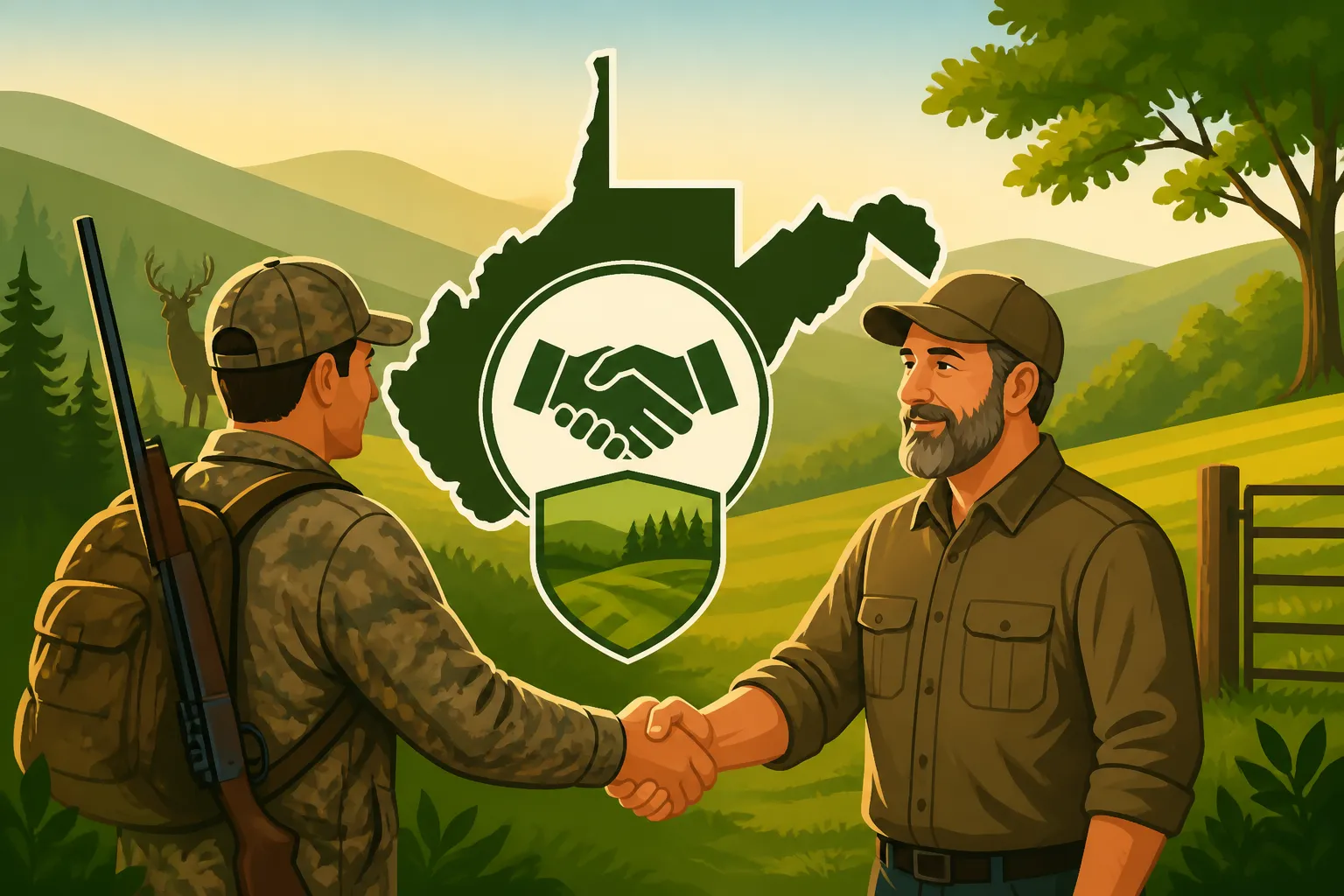
This is where many hunters get nervous, and understandably so! The best approach is usually in person, during daylight hours, and not during peak hunting season when landowners are busy or already dealing with other hunters. Dress neatly, but practically – no camo, but don't show up in a suit. A simple collared shirt and clean jeans are often appropriate for Asking a West Virginia Farmer for Permission. Start with a friendly, brief introduction: "Hi, my name is [Your Name], and I live just down the road/over in [Your Town]. I was hoping to speak with the landowner about hunting, if you have a moment." State your purpose clearly and concisely. Be respectful of their time and space. If they're busy, offer to come back at a more convenient time. Remember, you're a guest on their property from the moment you pull into the driveway, even if it's just to ask a question.
Scheduling a Meeting
Sometimes, the initial contact might just be a quick chat at the mailbox. Don't push for an immediate decision. The goal of the first encounter is often simply to introduce yourself and set up a more formal conversation. If the landowner seems receptive but busy, ask, "Would it be alright if I gave you a call next week, or perhaps I could swing by again on Saturday morning when you might have more time?" Get their preferred contact method and stick to it. This shows you respect their schedule and aren't trying to ambush them. If they say no, thank them for their time and move on gracefully. A polite refusal today doesn't mean a refusal forever, but badgering them will certainly close the door permanently.
Crafting Your "Pitch" for Permission
Once you've secured a moment of their time, either in a quick chat or a scheduled meeting, your "pitch" is crucial. This isn't about sales; it's about demonstrating value and trustworthiness.
Presenting Your Value Proposition
Landowners generally have concerns: liability, property damage, safety, and simply not knowing who is on their land. Your job is to address these proactively. Offer to help them. Do they have issues with deer eating their garden or crops? You're there to help manage that. Is there a specific nuisance animal like coyotes that you could assist with? Mentioning that you're interested in predator calling in West Virginia farm country could be a huge selling point. Explain your responsible hunting practices, your commitment to safety, and your willingness to follow their rules. For example, "I'm a very safe hunter, always aware of my surroundings, and I'd be happy to share my harvest with you, or perhaps help with any chores around the property." This shows you're not just taking, but willing to give back. Consider having a simple, professional-looking card with your name and contact information.
Addressing Landowner Concerns
Anticipate their worries. They might be concerned about loud noises, leaving gates open, litter, or even hunting too close to their home or livestock. Be ready to tell them your plan. "I primarily bowhunt, which is very quiet, and I'd only be hunting in the back woods away from your house." Or, "I always close gates, pack out everything I pack in, and I have full hunter's insurance for peace of mind." Mentioning that you carry insurance is a big one for many landowners. Be prepared to discuss when you'd hunt (e.g., specific days, specific seasons), what species you're interested in, and what type of weapon you'd use. Be crystal clear about your intentions and show them you've thought through the logistics and potential impacts. This transparency builds confidence.
The Importance of Appearance and Demeanor
This cannot be overstated. Your appearance should be neat and clean – not fancy, but respectable. Your demeanor should be humble, polite, and confident, but never arrogant or demanding. Look them in the eye, listen more than you speak, and treat them with the utmost respect. Avoid slang or overly casual language. A simple "yes, sir" or "no, ma'am" can go a long way. Remember, you are asking for a privilege, not demanding a right. A positive first impression can make all the difference, and a negative one can close the door permanently. If they can tell you're a decent, trustworthy person, they're much more likely to consider your request.
| Landowner Concern | Hunter's Proactive Solution |
|---|---|
| Liability | Offer proof of hunter's insurance; explain safe hunting practices. |
| Safety | Discuss weapon choice (e.g., bowhunting), hunting away from dwellings, adherence to blaze orange rules. |
| Property Damage | Promise to close gates, not drive off-road, respect crops/fences, pack out all trash. |
| Ethics/Trust | Offer to share game meat, help with chores, provide references, maintain clear communication. |
| Privacy/Nuisance | Detail specific hunting times, agree to stay out of certain areas, promise quiet conduct. |
| Over-Harvest | Discuss specific harvest goals (e.g., one doe, one buck), commitment to WVDNR regulations. |
Building and Maintaining the Relationship
Getting permission is just the beginning. The real work, and the true reward, comes from nurturing that relationship year after year.
Ongoing Communication and Updates
Once you have permission, don't disappear until hunting season. Touch base periodically. A quick call or text in the off-season to say hello and ask if they need anything shows you remember them. Before season starts, always reconfirm permission. "Just wanted to check in and make sure it's still okay for me to hunt your property this season." This simple gesture avoids misunderstandings and reinforces your respect for their property. If you harvest an animal, let them know! "Just wanted to let you know I was able to take a nice doe off the back field today. Thanks again for the opportunity." They often enjoy hearing about the success and knowing their land is providing. Consistent, clear communication is the bedrock of a long-term hunting relationship.
Offering Assistance Beyond Hunting
This is a huge one. Remember that initial offer to help? Follow through on it! Is there a fence that needs mending? Does a fallen tree need cutting up? Can you help with some hay bales or clear a brush pile? West Virginia Deer Damage Permits for Farmers are a thing for a reason, meaning landowners often have ongoing wildlife management needs. Offer your labor, even if it's just a few hours. This goodwill goes a long way and demonstrates that you genuinely appreciate their generosity. It transforms you from "the hunter who wants something" to "a helpful friend who happens to hunt." My buddy spent a few weekends helping a farmer fix fences and clear some old outbuildings, and he's had exclusive hunting access to over 100 acres for almost a decade now. It's an investment that pays dividends.
Respecting Boundaries and Rules
This is non-negotiable. If the landowner says "don't hunt past the old oak tree," you don't hunt past the old oak tree. If they say "no hunting on Sundays," then you respect Why West Virginia Closes Turkey Hunting on Sundays on their property, even if it might be legal elsewhere. Period. Understand exactly where the property lines are, and don't stray onto neighboring land without separate permission. This is where detailed mapping apps like onX Hunt are invaluable for staying on track. If they have specific rules about parking, access points, or even the type of game you can pursue, adhere to them strictly. Leaving a gate open, driving through a wet field, or accidentally shooting too close to livestock will instantly and permanently ruin your chances. It's better to ask twice than to assume once and lose your privilege. This also extends to knowing when Do You Need Written Permission in West Virginia? might be prudent, ensuring both parties are clear.
Leveraging Technology in Your Search
In today's world, technology can be a game-changer in your quest for private land access. It takes a lot of the guesswork out of identifying landowners and understanding property boundaries.
Mapping Applications for Landowner Info
Gone are the days of relying solely on plat books at the county courthouse. Apps like onX Hunt and others have revolutionized how we find and research private land. You can literally sit at home, zoom in on an area that looks promising, and instantly see property boundaries, landowner names, and even approximate acreage. This means you can identify potential landowners with surprising accuracy before you ever leave your couch. Imagine finding a promising looking woodlot adjacent to Hunting Potomac Highlands Public Land, seeing the landowner's name, and then finding their address through a quick online search. This hyper-specific information is invaluable for crafting a targeted approach, rather than aimlessly driving around hoping to spot a mailbox name. It also helps you understand onX Layers for West Virginia Land Status to distinguish public from private easily.
Digital Tools for Communication
While in-person contact is always best for the initial request, digital tools can help with follow-up and ongoing communication. Once you have permission and an established relationship, a polite text message or email can be a great way to reconfirm permission, share a picture of a harvested animal, or simply check in. "Hey Mr. Smith, just wanted to check if you needed anything while I'm in the area this weekend. Hope you're doing well!" This low-impact communication keeps the relationship warm without being intrusive. However, always defer to the landowner's preferred method of communication – if they prefer a phone call, stick to that. And never, ever send unsolicited hunting requests via email or social media to people you don't know; that's a surefire way to annoy them.
Common Pitfalls and How to Avoid Them
Even with the best intentions, it's easy to make mistakes. Knowing what to avoid can save you a lot of frustration and keep those doors of opportunity open.
Mistakes in Initial Contact
One of the biggest blunders is showing up unannounced during a busy time, like supper, early morning, or when the landowner is clearly working hard. Another major faux pas is wearing hunting clothes or bringing your dog to the initial meeting; it screams "I'm here to hunt!" and can be off-putting. Never assume permission. If you see a landowner outside, don't start walking onto their property uninvited; stay by the road or their driveway until you're waved in. Being vague about your intentions or, worse, being dishonest, will lead to immediate distrust. Always be direct, polite, and respectful. Don't mention specific game you're after initially; just express interest in responsible hunting. Overly aggressive or demanding language will also get you nowhere. Remember, you're building a partnership, not making a demand.
Breaching Trust and Losing Access
This is the fastest way to lose permission, and it's heartbreaking when it happens because it often impacts other hunters too. Things like not closing gates, leaving trash (even an empty water bottle), driving through crops or fields without permission, damaging fences, or failing to report your presence are all trust-breakers. Shooting too close to buildings, livestock, or violating any specific rule the landowner set is a severe breach. Even something as seemingly innocent as bringing a buddy without clearing it with the landowner first can be a deal-breaker. If they grant you permission, it's you they trust, not an unknown number of your friends. To maintain this trust, always uphold every agreement, no matter how small. And remember, if you have to track a deer onto neighboring property, Retrieving Game From Private Land in West Virginia has specific rules that need to be followed.
Legal Missteps and Trespass
Trespassing, whether intentional or accidental, is a serious legal issue. Always know precisely where property lines are. Don't rely on old fence rows that might not be accurate boundaries anymore. This is where a reliable mapping app is essential. Hunting posted land without permission is illegal, plain and simple. Even retrieving a wounded animal from posted land generally requires landowner permission. Understanding West Virginia Posted Land Rules is critical. Ignoring these rules can lead to fines, loss of hunting privileges, and even criminal charges. It's not worth the risk, and it reflects poorly on all hunters. Always err on the side of caution and secure explicit permission.
Alternative Approaches to Private Land Access
While knocking on doors is often the most direct route, it's not the only way to gain access to private ground in West Virginia. Other avenues exist, though they often come with their own set of considerations.
Hunting Leases and Their Considerations
For those looking for more guaranteed, long-term access, a hunting lease might be an option. This involves paying a fee to a landowner for exclusive hunting rights to a specific parcel of land for a defined period, usually a year. Leases can range from small woodlots to vast tracts of timberland. The biggest pro is guaranteed access and often, less hunting pressure. However, leases can be expensive, especially for prime ground, and finding a landowner willing to lease can take time. West Virginia Hunting Lease Prices Per Acre can vary widely based on location, habitat, and game density. It's crucial to have a clear, written lease agreement that outlines all terms: hunting dates, species, weapons, guest policies, liability, and payment schedule. This protects both the hunter and the landowner. While it requires a financial investment, a good lease can provide years of quality hunting opportunities.
Joining Hunting Clubs
Hunting clubs can be a fantastic way to access private land, often without the full financial burden of a personal lease. Many clubs lease large tracts of land, and members pay annual dues to share access. This can be a more affordable entry point into private land hunting, as the costs are spread among many individuals. Clubs often have established rules, management plans, and even social events. The downside can be that you're still sharing the land, albeit with a known group, and you'll need to adhere to the club's specific bylaws. Finding a reputable club that aligns with your hunting ethics is key. This might be a great option if you're new to an area or want to expand your network. You can learn more about Joining a West Virginia Hunting Club by searching local classifieds, online forums, or asking around at sporting goods stores.
Landowner Assistance Programs
Occasionally, state wildlife agencies or conservation groups might have programs that connect landowners with hunters. These programs are often designed to help landowners with specific wildlife issues, such as overpopulation of deer causing crop damage. While not as widespread as direct permission, it's worth checking with the West Virginia Division of Natural Resources (WVDNR) to see if any such initiatives exist. For instance, some programs might aim to place hunters on farms where deer numbers need to be reduced. These opportunities are often highly localized and seasonal, but they represent another path to access while also contributing to wildlife management. If you're passionate about helping landowners and conservation, these programs can be a win-win.
Getting private land permission in West Virginia is a journey, not a destination. It takes effort, humility, and a commitment to being a responsible, respectful hunter. While the challenges of public land are real, the rewards of finding your own private piece of hunting heaven are immeasurable. So, dust off your boots, practice your polite introduction, and get ready to forge new connections and open up exciting new hunting possibilities.
Disclaimer
This article is for general informational purposes only and does not constitute professional advice. Laws, prices and regulations vary by location and change over time. Consult a qualified professional for guidance on your specific situation.