Do You Need Written Permission in West Virginia?
One of the biggest headaches and sources of anxiety for West Virginia hunters, especially those new to an area or trying to expand their hunting grounds beyond public land, is figuring out permission. You hear stories, you see "Posted" signs, and sometimes it feels like navigating a legal minefield just to pursue game. This guide is going to cut through all that confusion and clearly explain when, where, and why you need written permission to hunt in the Mountain State. We'll dive into the specific rules, discuss best practices, and help you feel confident in your right to be in the woods.
Understanding West Virginia's Trespass and Permission Laws
Before we get into the nitty-gritty of written permission, it's crucial to grasp the fundamental concept of trespass in West Virginia. Many states have slightly different interpretations, and what might be acceptable in one place could land you in hot water here. Our state laws are designed to protect private property rights, and hunters, like anyone else, are expected to respect those boundaries.
The Basic Premise of Trespass
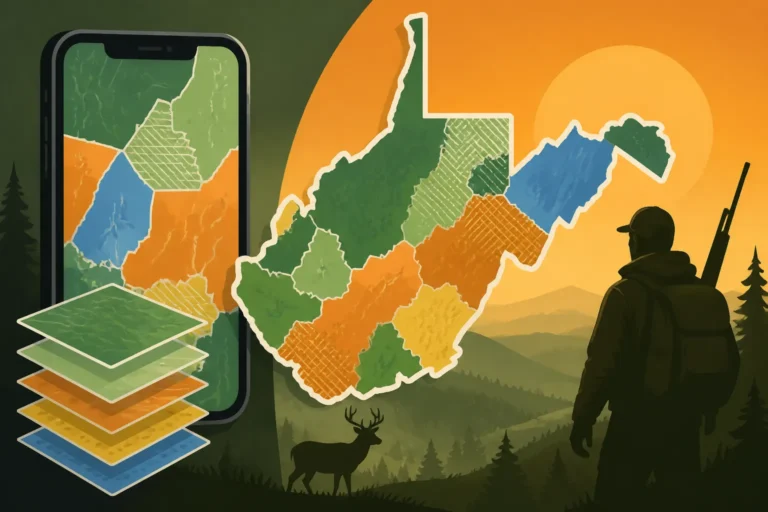
In West Virginia, the general rule of thumb is that if land is privately owned, you need permission to be on it, even if it's not explicitly posted with "No Trespassing" signs. This can be a point of confusion for hunters from other states that might operate under a "if it's not posted, it's open" mentality. Here, the burden is largely on you, the hunter, to know whose land you're on and to have obtained permission. Ignorance of property lines or ownership is generally not a valid defense if you're caught trespassing. Imagine you're deep in the woods, following a game trail, and suddenly you realize you've crossed a faint, unmarked boundary onto someone's private timberland. Without permission, you're technically trespassing. This is why tools like onX Hunt have become so invaluable for hunters today.
How "Posted" Land Differs
While all private land requires permission, land that is "posted" simply makes the landowner's intent clearer and, in some cases, strengthens the legal standing for prosecution. West Virginia Posted Land Rules generally define what constitutes a legal "Posted" sign – things like size, spacing, and specific wording. The presence of these signs removes any plausible deniability that you didn't know the land was private and off-limits. It's a clear, unmistakable declaration from the landowner. If you see those signs, understand that the owner is serious about controlling access, and you absolutely must seek permission before setting foot on that property, regardless of whether you carry a weapon or not.
When Written Permission is Absolutely Required
Now, let's get to the core of the matter: when do you absolutely need written permission in West Virginia? This isn't just a suggestion; it's a legal requirement in specific situations, and failing to adhere to it can lead to fines, loss of hunting privileges, and a whole lot of unnecessary trouble.
Hunting Posted Land for Deer, Bear, or Turkey
This is perhaps the most critical distinction. If you are hunting deer, bear, or turkey on posted private land in West Virginia, state law specifically mandates that you must have written permission from the landowner. A casual verbal conversation, a handshake, or an assumed agreement simply won't cut it in the eyes of the law, especially if a conservation officer checks your credentials or a dispute arises. The law is quite clear on this point.
Think about it this way: a game warden can't verify a verbal agreement between you and the landowner without tracking down the owner, which is often impractical in the field. Written permission provides concrete proof. It acts as a clear, undeniable document of agreement. This applies whether the land is your uncle's back forty, a friend's small woodlot, or a sprawling farm. If it's posted and you're after those three specific big game animals, get it in writing. This requirement is a strong incentive for hunters to be prepared and thorough when seeking access, especially on properties they've just secured.
Using ATVs or Other Vehicles on Private Land
While not directly related to hunting permission itself, the use of off-road vehicles like ATVs on private land is often tied to permission. Even if you have permission to hunt on foot, using an ATV might require separate, and often written, consent, especially on larger tracts or in areas where vehicle access is restricted. Many landowners are rightly concerned about property damage, erosion, or liability stemming from vehicle use.
Therefore, if your hunting plan involves driving anything beyond a public road onto private property, confirm with the landowner, and ideally, get that specific permission in writing. This could be for hauling out a deer, accessing a distant stand, or just scouting. A simple line in your written permission document stating, "Hunter is permitted to use an ATV for game retrieval on designated trails," can save a lot of grief. Otherwise, you might find yourself with a harvested deer miles from the road and no legal way to retrieve it without risking further issues.
| Situation | Verbal Permission Acceptable (But Written is Better) | Written Permission Required by Law (Crucial) |
|---|---|---|
| Hunting small game on unposted private land | Yes | No |
| Hunting deer on unposted private land | Yes | No |
| Hunting bear on posted private land | No | Yes |
| Hunting turkey on posted private land | No | Yes |
| Hunting small game on posted private land | Yes | No |
| Crossing private land to access public land | Yes (for unposted), No (for posted) | Yes (if posted) |
| Using an ATV on private land | Yes (landowner discretion) | Often best to get it in writing |
Navigating Verbal Permission and Unposted Land
So, what about all those other scenarios? West Virginia's laws recognize that not every hunting scenario needs a formal written document, but even in these cases, common sense and courtesy go a long way.
Unposted Private Land
For unposted private land, the law generally allows you to hunt small game (like squirrels, rabbits, grouse) with verbal permission. You can also hunt deer and bear, and turkey on unposted land with just verbal consent. This distinction often surprises people. The key here is "unposted." If the land has no signs, and you have explicit, verbal permission from the landowner, you are generally in the clear for these species.
However, relying solely on verbal permission can be a precarious situation. Memories fade, landowners sell property, or a new family member might not know about the "deal" you had. I've heard too many stories of hunters who had a verbal agreement for years, only to be confronted by a new family member or a conservation officer who couldn't verify the verbal agreement. Even for unposted land, taking the extra step to get something in writing – even a simple note signed and dated – can save you a world of trouble and misunderstandings down the road. It also demonstrates your respect for the landowner's property.
The Nuances of Neighboring Properties
Another common situation arises when you're hunting with permission on one property but game crosses a boundary onto a neighboring private tract. Can you retrieve it? This is where things get tricky. West Virginia law generally states that if a wounded animal travels onto posted private land, you cannot pursue it without permission from that specific landowner. If it's unposted, you can typically pursue and retrieve a wounded animal without prior permission, but you must leave the property immediately after retrieval.
My advice? Always try to get permission from neighboring landowners before the season, especially if you anticipate this scenario. It's a courtesy that builds good relationships and prevents frantic calls or awkward encounters when you're trying to retrieve a downed animal. Having a pre-existing understanding can turn a stressful situation into a smooth recovery.
Tools and Best Practices for Securing Access
Getting permission can feel daunting, but with the right approach and a few helpful tools, it becomes much easier. Remember, landowners are often hesitant because of bad experiences, so being respectful, prepared, and trustworthy is key.
Identifying Landowners and Property Lines
One of the first hurdles is knowing who owns the land you want to hunt and exactly where their property lines are. This is where modern technology shines. Mobile mapping applications, such as onX Hunt, have revolutionized this process. You can overlay property lines, see landowner names, and even get contact information in some cases. This saves you from knocking on the wrong door or accidentally trespassing while scouting. Imagine being able to walk a property with your phone and see the lines clearly defined, even deep in the woods where fences are long gone. Finding West Virginia Property Lines has never been easier than with these digital tools.
Beyond the apps, county assessor's offices or online public records can often provide landowner information. It might take a bit of detective work, but knowing who to talk to is the first step. You'll want to gather as much information as possible before making that initial contact.
How to Approach a Landowner
When you do make contact, remember you're asking for a privilege, not asserting a right. Dress neatly, be polite, and introduce yourself clearly. Explain why you want to hunt their land (e.g., "I've noticed some deer activity on the edges of your fields and was hoping to get permission to bowhunt"). Highlight what you can offer in return: "I'm happy to help keep an eye on your property, report any suspicious activity, or even help with small chores if you ever need a hand." Always emphasize safety and respect for their land.
Here are some key points to cover:
- Be specific: What species do you want to hunt? What weapon? During what seasons?
- Discuss boundaries: Clarify where you can and cannot hunt on their property.
- Access points: Where should you park? What gates can you use?
- Communication: How will you let them know when you're hunting?
- Respect for property: Promise to close gates, not leave litter, avoid driving through fields, etc.
- Liability: Some landowners are concerned about liability. While West Virginia has laws that offer some protection to landowners who allow recreational use, offering to sign a simple liability waiver (if they provide one) can ease their mind.
If you're unsure about how to start, a friendly "hello, my name is [Your Name], and I'm a hunter from [Your Town]. I'm interested in the possibility of hunting on your property, if you allow it," is a great opener. Knocking on Doors in Eastern Panhandle Farm Country can sometimes feel intimidating, but a respectful approach often yields positive results.
Crafting a Simple Written Permission Form
If the landowner agrees, offer to provide a simple written permission form for them to sign. This doesn't need to be a legal novel. A basic document should include:
- Your name and contact information.
- The landowner's name and contact information.
- A clear statement granting permission to hunt.
- The specific dates or duration of the permission (e.g., "for the 2024-2025 hunting season").
- The species you are permitted to hunt.
- Any specific conditions or restrictions (e.g., "bowhunting only," "no vehicle access," "stay clear of the barn").
- A brief description of the property (e.g., "the land located at [address/tax map number]").
- Both your signatures and the landowner's signature, with the date.
Keep a copy for yourself and leave a copy with the landowner. This small act of professionalism can build immense trust and often leads to long-term hunting access. Many state wildlife agencies, or even hunter education courses, offer templates for simple permission slips that you can adapt. Remember, if you're hunting posted land for deer, bear, or turkey, this written document isn't just a good idea, it's a legal requirement.
Maintaining a good relationship with a landowner is like gold. Always follow through on your promises, keep them informed, and perhaps even offer a small token of appreciation, like some venison from your harvest, after the season. This kind of thoughtful interaction can ensure that you not only retain your hunting spot but also develop a lasting friendship. Remember, there's always Hunting Small Private Tracts in West Virginia, and securing permission is your ticket to these often overlooked opportunities.
Disclaimer
This article is for general informational purposes only and does not constitute professional advice. Laws, prices and regulations vary by location and change over time. Consult a qualified professional for guidance on your specific situation.