Handley WMA Campsite Access for Hunters
For hunters who crave the raw, immersive experience of being truly in the woods, finding reliable and accessible camping options on public land can sometimes feel like a treasure hunt itself. You want to be close to the action, ready for first light, and not spend precious hunting time driving back and forth from a distant motel. This guide will walk you through everything you need to know about Handley Wildlife Management Area (WMA) and its campsite access, helping you plan a memorable and effective hunting trip right in the heart of West Virginia's wild beauty.
Understanding Handley WMA and Its Appeal for Hunters
Handley WMA is one of those places that might fly a little under the radar compared to some of West Virginia's larger, more famous public land tracts, but for the discerning hunter, that's often its greatest strength. Nestled in a beautiful part of the state, it offers a fantastic blend of challenging terrain and diverse wildlife.
A Brief Overview of Handley WMA
Handley Wildlife Management Area is located in the southeastern part of West Virginia, primarily within Pocahontas County. It spans a respectable amount of acreage, enough to give you a real sense of wilderness without being overwhelming. The terrain here is typical of the Allegheny Mountains: a mix of steep slopes, deep hollows, and hardwood ridges, all carved by meandering creeks and streams. Expect elevations to vary quite a bit, offering different forest types from oak-hickory stands in the lower elevations to more mixed hardwoods and even some conifer patches higher up. This varied landscape creates prime habitat for a range of game species. White-tailed deer are abundant, of course, but Handley WMA also offers solid opportunities for wild turkey, especially during spring gobbler season, and a healthy population of various small game, including squirrels and grouse. You might even find signs of black bear, as they roam widely in these mountains. The WMA is managed by the West Virginia Division of Natural Resources (WVDNR) to provide public access for hunting, fishing, and other outdoor recreation, meaning habitat work is ongoing to benefit wildlife.
Why Handley WMA is a Prime Spot for Hunters
So, why should Handley WMA be on your radar? For starters, its location. While it offers that wild mountain feel, it’s often a bit less pressured than some of the more widely known spots within, say, the Monongahela National Forest Hunting region. The diverse habitat is another huge draw. You can find everything from dense thickets perfect for bedding deer to mature timber stands where squirrels abound, and creek bottoms that turkeys love to strut through. The WMA's management often involves maintaining openings and mast-producing trees, which concentrates game and provides crucial food sources. For deer hunters, understanding the terrain and how deer use it – like travel corridors along benches or bedding areas on steep slopes – can really pay off. Turkey hunters will appreciate the mix of open woods and dense cover, which offers both visibility for calling and places for birds to escape pressure. If you're looking for a challenging but rewarding public land hunt, Handley WMA delivers a genuine Appalachian experience. It's a place where you can truly immerse yourself in the hunt, far from the hustle and bustle, and the ability to camp right there makes that immersion even deeper.
Navigating Handley WMA's Campsite Access and Rules
One of the biggest advantages of hunting Handley WMA is the opportunity to camp right on site, allowing you to wake up to the sounds of the forest and be in your stand or blind well before dawn. But like all public lands, there are specific rules and designated areas you need to be aware of.
Designated Camping Areas and Facilities
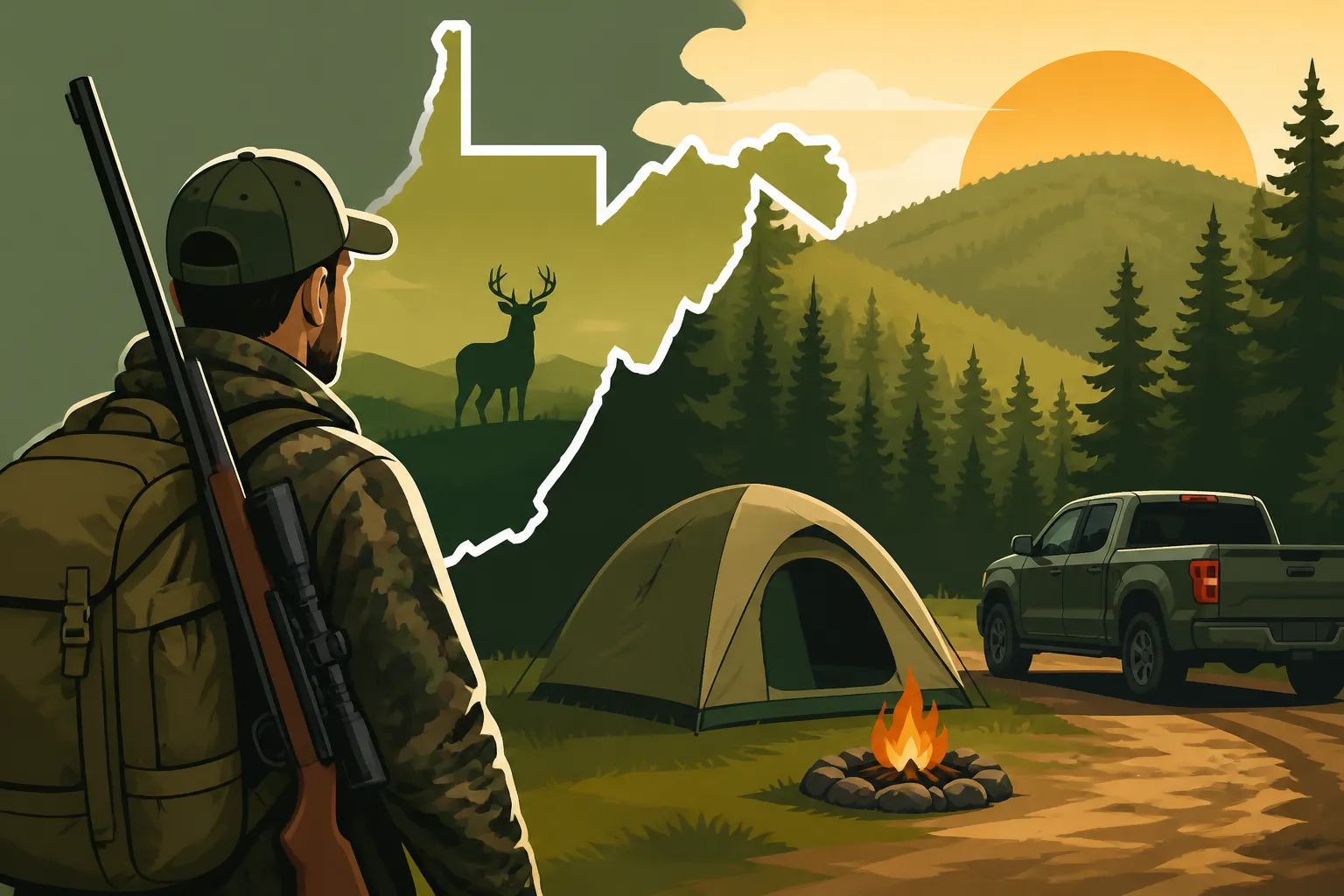
Handley WMA, like many West Virginia Wildlife Management Areas, typically offers primitive camping opportunities. This isn't your RV park with full hookups and heated bathhouses. Instead, you'll generally find designated primitive campsites or areas where dispersed camping is permitted. These spots are usually fairly basic, often just a cleared area large enough for a tent or two, maybe a fire ring constructed from rocks, and sometimes a simple picnic table if you're lucky. Don't expect running water or flush toilets. You'll need to be self-sufficient, bringing in all your water or having a reliable filtration method for natural sources. Vault toilets, which are basically glorified outhouses, might be available near some of the more accessible camping areas or parking lots, but don't count on one at every single site. Access to these primitive sites can vary; some might be just off a main WMA road, while others require a short walk or hike, perfect for those looking for a truly secluded experience. Always check for specific signage upon arrival, as designated sites will be marked, and areas where camping is prohibited will also be clear. Being able to set up camp close to your planned hunting area is a huge tactical advantage for those early morning sits and late evening retrieves.
Permitting, Fees, and Reservation Processes
For the most part, primitive camping at West Virginia WMAs, including Handley, operates on a first-come, first-served basis and often doesn't require a specific fee beyond your standard hunting license. However, this isn't a universal rule, and it's always, always best practice to double-check with the WVDNR directly or on their official website before you head out. Rules can change, and some specific WMAs or designated areas within them might have unique regulations. Generally, a West Virginia hunting license acts as your "entry permit" to these public lands for hunting purposes, and camping is often considered an incidental activity that doesn't require a separate permit or fee.
That being said, because these sites are usually first-come, first-served, popular spots, especially during peak hunting seasons like West Virginia's Buck Gun Season or Bowhunting West Virginia's Long Archery Season, can fill up quickly. If you're planning a trip during a busy time, consider arriving a day or two early if possible, or have a backup plan for alternative camping locations, such as nearby national forest land, which might have different rules. There's no formal reservation system for most primitive WMA campsites, which adds to the adventure but also requires a bit of flexibility. Always carry proof of your hunting license and any other required stamps or permits, like a West Virginia Deer Stamp Cost or West Virginia Turkey Stamp Cost, as WVDNR officers do patrol these areas.
Essential Rules and Regulations for Campers
Camping on public land comes with a shared responsibility to respect the environment and other users. At Handley WMA, and generally across West Virginia's public lands, several key rules are in place. First and foremost are fire regulations. Always check for current fire bans, especially during dry periods. If fires are permitted, keep them small, contained within a designated fire ring (or a safe, cleared area if dispersed), and ensure they are completely extinguished before you leave or go to bed. Never cut live trees for firewood; only use dead and downed timber.
Waste disposal is another critical aspect. Practice Leave No Trace principles religiously. Pack out everything you pack in, and then some. This includes all trash, food scraps, and even human waste should be properly managed and buried away from water sources. Quiet hours are generally expected, particularly from dusk till dawn, to ensure other campers and wildlife are not disturbed. Vehicle access is typically restricted to designated roads and parking areas; you usually can't drive your vehicle right up to a primitive campsite unless it's explicitly allowed and accessible by a maintained road. Stay limits are also common – you might be restricted to camping for a certain number of days (e.g., 14 consecutive days) within a specific period. These rules help prevent long-term occupation and ensure resources remain available for all. Lastly, be mindful of wildlife. Store food securely to prevent attracting bears or other critters, and never feed wild animals. Adhering to these regulations ensures that Handley WMA remains a pristine and enjoyable place for everyone.
Practical Tips for Camping and Hunting at Handley WMA
Making the most of your Handley WMA hunting trip involves more than just knowing the rules; it's about smart planning, proper gear, and integrating your camp into your overall hunting strategy.
Gear Considerations for a Successful Hunt-Camp
When you're combining hunting and primitive camping, your gear choices are crucial. You're essentially outfitting for two activities at once, often in rugged terrain. Start with your shelter: a reliable, lightweight tent that can withstand West Virginia's unpredictable weather is a must. Think waterproof rainfly and a sturdy footprint. A good sleeping bag rated for the lowest temperatures you expect (and then some, because mountain nights can surprise you!) is essential. Don't skimp on a sleeping pad; it provides insulation from the cold ground and makes a huge difference in comfort.
For cooking, a compact backpacking stove is far more reliable and environmentally friendly than relying on a campfire, especially if fire bans are in place. Bring dehydrated meals or non-perishable options that are easy to prepare. Water purification, whether a filter, tablets, or a portable UV purifier, is non-negotiable if you plan to use natural water sources. Beyond the basics, consider how your camping gear impacts your hunting. A quiet headlamp with a red light option is invaluable for early morning walks to the stand. A comfortable, well-fitting pack is vital for carrying your gear in and out, especially if you plan to walk into a more remote campsite. Think about the Packs for a Monongahela Forest Day Hunt as a good benchmark for what you'll need. Don't forget a quality first-aid kit, a compass, and a whistle.
Integrating Camping with Your Hunting Strategy
Your campsite at Handley WMA isn't just a place to sleep; it's a strategic base of operations. By camping close to your hunting grounds, you gain a significant advantage. You can be in your stand or blind before legal shooting light without a long drive, allowing you to catch deer moving at first light. Similarly, you can hunt until the very last minute of legal shooting light and then have only a short walk back to the warmth of your camp. This is especially beneficial when Hunting the Rut in Mid-November when deer are active all day.
Use your camp as a place to review maps, strategize for the next day, and dry out gear. Consider setting up your camp in a location that gives you quick, quiet access to multiple hunting spots without disturbing too much of the surrounding area. For instance, if you're hunting a particular ridge, find a camp spot in a hollow nearby that allows you to ascend quietly. You can even use your campsite as a base for Scouting West Virginia Public Land Before Season, marking trails and game sign during the day and returning to camp to refine your plans. Keep scent control in mind, even at camp. While you're not in your hunting clothes all day, minimizing strong odors around your campsite can help prevent alerting nearby game, especially if you're planning a morning hunt from that general vicinity.
Maximizing Your Experience with Mapping Tools
In today's hunting world, digital mapping tools are absolute game-changers, especially when navigating public land like Handley WMA. Tools like onX Hunt and GoHunt become indispensable for a hunter-camper. These apps allow you to view detailed topographic maps, aerial imagery, and critical land ownership layers right on your smartphone or GPS device.
Before you even leave home, you can use these platforms to pinpoint potential campsite locations. Look for flatter ground, proximity to water sources (streams, springs), and access points. You can mark these potential sites as waypoints, making them easy to find once you're on the ground. Crucially, these apps show WMA boundaries clearly, ensuring you're always camping and hunting legally on public land.
Once at Handley WMA, onX Hunt allows you to track your movements, mark fresh sign, and identify key terrain features like saddles, benches, and funnels – all while understanding your exact position relative to your camp. You can plan your entry and exit routes to hunting spots, minimizing disturbance. GoHunt provides similar functionalities, often with additional features for specific states that might include WVDNR-specific layers or harvest data. These tools are invaluable for Reading Aerial Photos for Eastern Panhandle Deer or any West Virginia region, helping you visualize the landscape from a bird's-eye view and make informed decisions about where to set up camp and hunt. Don't rely solely on cell service, though; make sure you download offline maps of the Handley WMA area before you head out, as cell signal can be spotty or nonexistent in remote mountain hollows.
Common Challenges and Solutions for Handley WMA Campers
Hunting and camping in the wild mountains of West Virginia, even at a gem like Handley WMA, isn't always smooth sailing. You'll likely face some challenges, but with a little foresight, you can overcome them and still have a fantastic experience.
Dealing with Crowds, Especially During Peak Season
Let's be real: public land means other people. While Handley WMA might not see the same crushing pressure as some more famous spots, during opening weekends of popular seasons, you will encounter other hunters. This can be a bummer when you're seeking solitude. The solution often involves getting off the beaten path. Most hunters won't walk more than a mile or two from a road or parking area. If you're willing to put in the effort, packing your camp in further to a remote primitive site can pay huge dividends in finding unpressured game and a more peaceful camping experience.
Another strategy is to hunt mid-week if your schedule allows, avoiding the heavy weekend traffic. You can also research less conventional access points or focus on terrain that's challenging to traverse, such as particularly steep hollows or areas with dense laurel thickets. Using your mapping apps to find ground others walk past, even if it's just a few hundred yards further than the obvious trail, can make all the difference. Remember, everyone is out there to enjoy the outdoors, so practice courtesy, share the space, and always be aware of other hunters' positions, especially when planning drives or moving through the woods. Knowing the general layout of where others are camping can also inform your hunting routes, helping you avoid walking through someone else's area at dawn.
Weather Preparedness in West Virginia's Mountains
West Virginia's mountain weather is notoriously unpredictable. You can start your day with crisp autumn sunshine and end it with an unexpected snow squall or a torrential downpour. Being prepared for anything is not just good advice; it's essential for safety and comfort. Layering your clothing is paramount. Start with a good base layer that wicks moisture, add insulating layers (fleece or wool are excellent), and top it with a waterproof and windproof outer shell. This allows you to adjust to changing temperatures and conditions throughout the day.
Your rain gear needs to be top-notch – a cheap poncho won't cut it when a full-blown mountain storm rolls in. Pack extra socks and a change of clothes, kept in a dry bag within your pack, especially if you're camping for multiple days. For cold-weather camping, an insulated sleeping pad and a zero-degree sleeping bag might seem overkill in October, but you'll thank yourself if an unseasonable cold front moves in. Keep an eye on the weather forecast before and during your trip (if you can get service), but always be ready for conditions to worsen quickly. Wind and thermals on a steep ridge can quickly sap your body heat, so pack accordingly.
Respecting the Environment and Other Users
As hunters and campers, we are stewards of the land. Practicing responsible ethics at Handley WMA ensures these opportunities remain for generations to come. This means adhering strictly to Leave No Trace principles. Pack out all your trash, including spent shell casings, food wrappers, and anything else you brought in. If you have to relieve yourself, do so at least 200 feet from water sources and trails, burying human waste properly.
Be mindful of your noise levels at camp, especially during quiet hours, to avoid disturbing other campers, nearby residents, or the wildlife you're trying to hunt. If you're running a generator, use it sparingly and only during appropriate hours. When building a campfire (if permitted), keep it small, contained, and ensure it's completely out before you leave it unattended. Respect designated "no hunting" zones or safety setbacks around roads and dwellings. If you encounter other users – hikers, bird watchers, or fellow hunters – offer a friendly nod and keep a respectful distance. Our presence in the woods should be as subtle as possible, leaving no lasting impact on the landscape. Being a responsible outdoor enthusiast helps maintain a positive image for hunting and ensures continued access to beautiful places like Handley WMA.
Handley WMA Primitive Camping & Hunting Tips
| Feature | Description | Hunter's Advantage | Key Rules/Considerations |
|---|---|---|---|
| Camping Style | Primitive/Dispersed camping in designated areas | Immediate access to hunting grounds for early starts | Pack in/pack out all trash; no running water; vault toilets rare. |
| Fees & Permits | Generally no specific camping fee beyond hunting license | Cost-effective way to extend hunting trips | Verify current WVDNR regulations; license required. |
| Access | Often walk-in or short drive on WMA roads to sites | Hunt deeper, avoid crowded areas | Vehicle restrictions on some roads; check signage. |
| Terrain | Steep slopes, hollows, hardwood ridges (Allegheny Mountains) | Diverse habitat for deer, turkey, small game | Physically demanding; require good boots and conditioning. |
| Game Species | White-tailed deer, wild turkey, squirrel, grouse, bear | Variety of hunting opportunities | Check season dates and bag limits for each species. |
| Water Source | Natural streams/springs (requires filtration) or pack-in | Self-sufficiency skills honed | Always filter or treat natural water; plan supply. |
| Fire Policy | Designated fire rings; check for bans | Warmth, cooking, ambiance | Use only dead & downed wood; extinguish completely. |
| Mapping Tools | onX Hunt, GoHunt recommended |
Pinpoint camps, boundaries, game sign, routes | Download offline maps; don't rely on cell service. |
| Weather | Unpredictable mountain conditions (rain, snow, cold) | Test of preparedness | Layered clothing, waterproof gear, extra dry clothes. |
| Pressure | Less than major national forests, but busy on opening weekends | Opportunity for solitude if willing to hike | Scout remote areas; hunt mid-week; respect other hunters. |
This article is for general informational purposes only and does not constitute professional advice. Laws, prices and regulations vary by location and change over time. Consult a qualified professional for guidance on your specific situation.