Pedlar Wildlife Management Area
It's incredibly frustrating when you're itching to get into the woods but feel overwhelmed by the sheer size and varied terrain of West Virginia's public lands, especially places like Wildlife Management Areas that can seem like a wild maze. This guide is here to cut through that confusion, focusing specifically on Pedlar Wildlife Management Area to help you understand its unique challenges and opportunities, ensuring you step into the woods with a plan and confidence.
Understanding Pedlar WMA's Unique Landscape
Pedlar Wildlife Management Area, tucked away in the heart of West Virginia, presents a distinctive blend of habitats that can be both challenging and incredibly rewarding for the persistent hunter. It’s not your typical flat, open country, but rather a testament to the rugged beauty of our state's central highlands. Understanding the lay of the land here is your first, and arguably most important, step toward a successful hunt.
Diverse Terrain and Habitat Zones
What truly sets Pedlar apart is its dynamic topography. You'll encounter everything from dense, mature hardwood forests blanketing steep hillsides to more open, younger growth areas that have seen timber management in recent years. There are deep, shadowed hollows that retain moisture, often cradling small streams and thicker undergrowth, contrasting sharply with dry, rocky ridgetops where mature oaks dominate. This variety means that different game species will gravitate to specific zones depending on the season, food availability, and cover needs. For instance, a secluded creek bottom might be a hotspot for whitetail deer seeking water and browse, while the higher, drier ridges could be where you find the mast crops preferred by squirrels and turkey.
Navigating these distinct habitat zones requires keen observation and a willingness to adapt your approach. The transitions between these zones, like where a dense stand of pines meets a more open deciduous forest, often act as natural travel corridors for game. Over time, as you become more familiar with Pedlar, you'll start to recognize the subtle cues that indicate a shift in habitat and, consequently, a potential change in game activity. It's truly a place where reading the land pays off in spades.
Water Sources and Their Importance
Water is life, and in a place as varied as Pedlar, understanding its distribution is paramount. Small feeder streams, spring seeps, and seasonal damp spots dot the landscape, acting as magnets for wildlife, especially during drier periods. These water sources aren't just for drinking; they often nurture lush pockets of vegetation that provide critical browse for deer and attract insects that turkeys forage on. Knowing where these dependable water points are can significantly narrow down your scouting efforts.
In my experience, animals often move along contours that offer easy access to water, especially as they travel between bedding and feeding areas. Mapping out these hydrological features, whether it’s a named creek or an unnamed seep, can reveal predictable patterns of movement. Sometimes, the only "trail" a deer consistently uses is the faint path paralleling a small stream, offering them both hydration and concealment. Keeping an eye out for fresh tracks in the soft mud near these areas is always a good strategy.
Deer Hunting Strategies at Pedlar
Deer hunting at Pedlar WMA can be incredibly rewarding, but it demands thoughtful strategy due to the varied terrain and the nature of public land hunting. You're not likely to find the same patterns you would on private agricultural land, so adapting your approach is crucial.
Scouting for Whitetails
Effective scouting is the bedrock of successful deer hunting in Pedlar. Before the season even opens, I spend a good deal of time on the ground, but even more importantly, poring over detailed maps. Tools like onX Hunt can be incredibly helpful here, allowing you to identify potential bedding areas on leeward slopes, funnel points created by converging hollows or ridges, and transition zones between different timber types. Look for evidence of natural food sources like oak flats for acorns or areas with specific browse. These areas change year to year, so fresh scouting is always important.
When I'm actually walking the WMA, I'm not just looking for deer sign, but trying to piece together a story of how deer move through the landscape. I'm searching for rub lines, which tell you where bucks are marking territory, and scrape lines along logging roads or ridge edges, which indicate active communication hubs. Droppings give you an idea of what they're eating and how recently they've been in an area. Remember that deer on public land are often more sensitive to pressure, so finding those less-traveled pockets, often deeper into the WMA, can make all the difference. Scouting West Virginia Public Land Before Season is a great place to dig deeper into these tactics.
Stand Placement and Still-Hunting Tactics
Given Pedlar's topography, your choice between a treestand or still-hunting, and where you implement either, becomes vital. If you're going with a treestand, focus on pinch points, saddles between ridges, or the edges of dense thermal cover where deer might move between bedding and feeding areas. Understanding Wind and Thermals on a Steep Ridge is absolutely paramount here; a slight shift in wind can carry your scent right to your target. I often set up in areas that give me a good vantage point over a natural travel corridor, ensuring my entry and exit routes are as quiet and scent-free as possible.
Still-hunting is another incredibly effective method in Pedlar's timber, especially for those who prefer to actively pursue game. This involves moving slowly, taking a few steps, then pausing for several minutes to observe and listen. Focus on moving into the wind or with a quartering wind, paying close attention to thickets, creek bottoms, and benches on hillsides where deer might be feeding or bedded. The key is patience and stealth. Look for horizontal lines in a vertical world, like the back of a deer, or the flicker of an ear. When the leaves are crunchy, focus on moving during windy conditions or right after a rain to mask your footsteps. This can be especially productive when Still-Hunting Cranberry WMA Ridges, a strategy that translates well to Pedlar's similar terrain.
| Strategy Type | Best Pedlar Terrain | Key Considerations |
|---|---|---|
| Treestand | Ridge saddles, hollow funnels, dense cover edges, oak flats | Wind direction and thermals, silent entry/exit, long-term observation |
| Still-Hunting | Thick timber, creek bottoms, benches, new growth areas | Wind direction, slow and deliberate movement, keen observation, quiet footsteps |
Turkey Hunting in Pedlar's Diverse Habitat
Pedlar WMA offers fantastic opportunities for turkey hunters, whether you're chasing spring gobblers or looking for fall flocks. The diverse habitat, from mature hardwoods to brushy clearings, provides everything a wild turkey needs to thrive.
Spring Gobbler Tactics
Spring turkey hunting in Pedlar is all about finding those vocal gobblers and then executing a smart setup. I typically start my mornings listening from a high point, trying to pinpoint a bird on the roost. Once I hear that distinct gobble, the challenge begins. My approach usually involves getting as close as I can without spooking the bird, using terrain features like creek beds or ridge lines for cover, and then setting up against a wide tree that breaks up my silhouette. Calling a West Virginia Gobbler Off the Roost requires patience and understanding when to call and when to remain silent.
Decoy use can be effective, especially if you're on a field edge or in a more open area, but in the thick timber of Pedlar, sometimes a lone hen call is all you need to pique a gobbler's interest. Be prepared to move and adapt if the bird hangs up or moves away. The "run-and-gun" method, moving and calling until you get a response, is often highly effective on public lands where birds might be more scattered or pressured. Always have your Turkey Vests With a Kickstand Seat ready for a quick setup against any suitable tree.
Fall Turkey Opportunities
While spring gets all the glory, fall turkey hunting in Pedlar can be incredibly challenging and rewarding. Instead of listening for gobbles, you're primarily scouting for flocks, looking for fresh droppings, scratching in the leaves, and dusting bowls. Turkeys in the fall are often grouped up, and they're focused on feeding on mast crops like acorns, beechnuts, or even wild grapes. These big flocks can be found ranging across various elevations.
One of my favorite fall tactics, particularly on WMAs like Pedlar, is to locate a flock and then attempt to break it up. Once scattered, the individual birds will often try to "tree up" and then slowly start calling to re-group. This is your cue to mimic those lost calls – soft clucks and yelps – to try and draw a bird back into range. It takes a lot of stealth to approach a flock undetected, and then a quick burst of speed to scatter them effectively. Understanding Fall Turkey Tactics Where Sundays Are Closed is also important, as Sunday hunting rules vary across the state.
Small Game and Other Opportunities
Pedlar WMA isn't just for big game; it's a fantastic place to pursue a variety of small game and explore other hunting opportunities throughout the year. Don't overlook these often-underestimated seasons, as they can provide enjoyable and productive days afield.
Squirrel and Rabbit Hunting
Squirrel hunting is a classic West Virginia tradition, and Pedlar's expansive hardwood forests provide prime habitat for both gray and fox squirrels. I love nothing more than walking an oak ridge in the early fall, listening for the chatter of squirrels or the cutting sounds of them opening acorns. It's a great way to introduce new hunters to the woods, and the skills you learn, like patience and keen observation, transfer directly to bigger game. Focus on areas with mature mast-producing trees, especially oaks and hickories. Mornings and late afternoons are typically most productive when the squirrels are actively feeding. Squirrel Hunting a West Virginia Oak Ridge offers a detailed look at this rewarding pursuit.
Rabbit hunting, while perhaps more challenging in Pedlar's denser sections, can still be very productive in areas with thick briar patches, honeysuckle, or brushy clear-cuts. These dense covers provide the rabbits with both food and protection. Walking these thickets, especially with a good beagle, can provide fast-paced action. Without a dog, focus on jump-shooting, systematically working through cover. Pay attention to fencerows and the edges of overgrown clearings. Rabbit Hunting West Virginia Fencerows can provide some excellent insights into locating these elusive critters.
Predator Hunting and Other Seasons
Coyotes are a growing presence in West Virginia, including within WMAs like Pedlar, and hunting them can be an exciting way to spend time afield, especially during the colder months when other seasons are closed. Their calls can be heard echoing through the hollows, and they offer a challenging quarry. Calling tactics, using distress calls or howls, can bring them in close. Remember to always be aware of your surroundings and any existing hunting seasons when pursuing predators. Predator Calling West Virginia Ridgelines can be particularly effective in Pedlar's terrain.
Beyond the well-known game, Pedlar also offers opportunities for other species. Depending on the specific regulations and seasons, you might find chances to pursue grouse or woodcock in appropriate habitat, particularly in younger forest stands or alder bottoms. Keeping up with the West Virginia DNR's annual regulations is crucial to know what's open and what permits might be required. These varied opportunities mean that Pedlar WMA can truly be a year-round destination for the dedicated hunter, providing something to chase in almost every season.
Navigating Pedlar: Access and Regulations
Hunting public land successfully in West Virginia, especially on a WMA like Pedlar, isn't just about knowing game habits; it's also about understanding the lay of the land in terms of access, rules, and respectful use. Getting this right prevents frustration and ensures a safe, legal, and enjoyable experience for everyone.
Roads, Trails, and Parking
Access into Pedlar WMA is typically via designated public roads, often gravel or unimproved, that lead to parking areas or gate access points. It's incredibly important to know which roads are open to vehicular traffic and which are gated or restricted to foot traffic only. Many WMAs, including parts of Pedlar, have internal trail systems or old logging roads that are perfect for hiking in, but they are not always open for vehicles. Consulting a detailed map, like those found on the GoHunt platform or using a mapping app like onX Hunt, is absolutely essential. These tools can show you property lines, designated parking areas, and distinguish between open roads and footpaths.
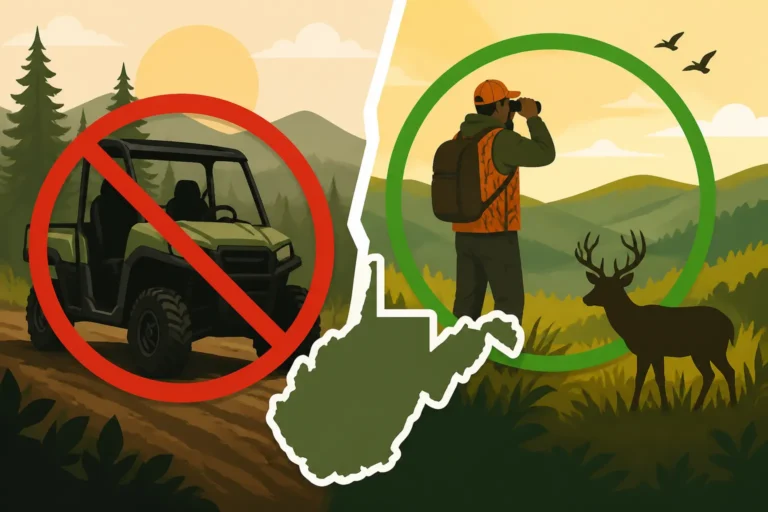
Remember that vehicle restrictions are in place for good reason – to maintain the integrity of the habitat and provide quality hunting experiences away from constant traffic noise. Always park in designated areas and avoid blocking gates or private driveways. Your commitment to understanding and respecting these access rules ensures that future hunters will continue to have these valuable resources available.
Essential Rules and Regulations
Beyond general statewide hunting regulations, WMAs often have specific rules that apply only to their boundaries. These can include restrictions on certain types of weapons, baiting, tree stand placement, or even specific access permits. For instance, while permanent tree stands are generally discouraged or prohibited on public land, portable stands and saddle hunting setups are usually fair game, provided they are removed after the season or within a specified timeframe. Always check the current West Virginia hunting regulations manual for the most up-to-date information pertaining to Pedlar WMA. This is your bible when planning a hunt here.
| Aspect of Hunting | General WV WMA Rule | Specific Pedlar Considerations |
|---|---|---|
| Tree Stands | Portable only, must be removed seasonally. | Choose sturdy trees, consider saddle hunting for steep terrain. |
| Ground Blinds | Temporary only, must be removed seasonally. | Blending into surroundings is key; consider brushing in natural materials. |
| ATV Use | Generally restricted to designated trails/roads. | Check WMA-specific maps for any open ATV trails; widely restricted. |
| Camping | Often permitted in designated areas or primitive. | Respect Leave No Trace principles; check for fire restrictions. |
| Scouting | Permitted year-round. | Use mapping apps to identify boundaries and habitat zones. |
It's also critical to understand any specific rules regarding Trail Camera Rules on West Virginia Public Land. While generally allowed, there might be guidelines on how they are marked or how long they can remain active. Public lands are for everyone, so acting as a responsible steward by following the rules not only keeps you legal but also contributes to a positive experience for all hunters and outdoor enthusiasts.
Maximizing Your Pedlar WMA Experience
Making the most of your time at Pedlar WMA goes beyond just knowing the rules and where to find game. It involves preparedness, a strong understanding of safety, and a deep appreciation for the wild spaces West Virginia offers.
Safety in the Mountains
Hunting in mountainous terrain like Pedlar can be physically demanding and presents unique safety challenges. Always let someone know where you're going and when you expect to return. Carry a fully charged phone, but don't rely on it for navigation, as cell service can be spotty to non-existent in many hollows and remote areas. A reliable GPS unit or a downloaded map on your phone (like with onX Hunt or GoHunt) is a much better bet for navigation. Always pack a First Aid Kits for Remote Highlands Ground, along with essentials like water, snacks, a compass, and a headlamp – even if you only plan to be out during daylight hours, plans can change.
Weather in West Virginia's mountains can turn on a dime, so layering your clothing is critical. What starts as a crisp fall morning can quickly become a warm afternoon, or a sunny day can unexpectedly give way to rain or even snow at higher elevations. Being prepared for varying conditions, especially during the cooler months, can make the difference between an enjoyable hunt and a miserable, potentially dangerous, one. The most important rule? Hunt within your physical limits and always prioritize your safety.
Respecting the Resource and Other Users
Pedlar WMA is a shared resource, and respecting it, as well as other hunters and outdoor enthusiasts, is paramount. This means practicing "leave no trace" principles: pack out everything you pack in, and leave the area cleaner than you found it. Avoid excessive noise and be mindful of your impact on the environment. Understanding Hunting Pressure on West Virginia Public Land will help you anticipate where you might encounter others, and encourage you to seek out less-traveled areas for a more solitary experience.
Being courteous to other hunters, hikers, and even mushroom foragers you might encounter goes a long way. Share the resource responsibly. For example, if you see another hunter's vehicle parked at an access point, consider choosing a different area to avoid crowding. Your actions reflect on the entire hunting community, and promoting a respectful, ethical approach ensures that public lands like Pedlar WMA remain available and enjoyable for generations to come. West Virginia Deer Camp Traditions are built on camaraderie and respect, and that extends to how we treat the land and each other in the field.
Disclaimer
This article is for general informational purposes only and does not constitute professional advice. Laws, prices and regulations vary by location and change over time. Consult a qualified professional for guidance on your specific situation.