ATV Rules on West Virginia Forest Roads
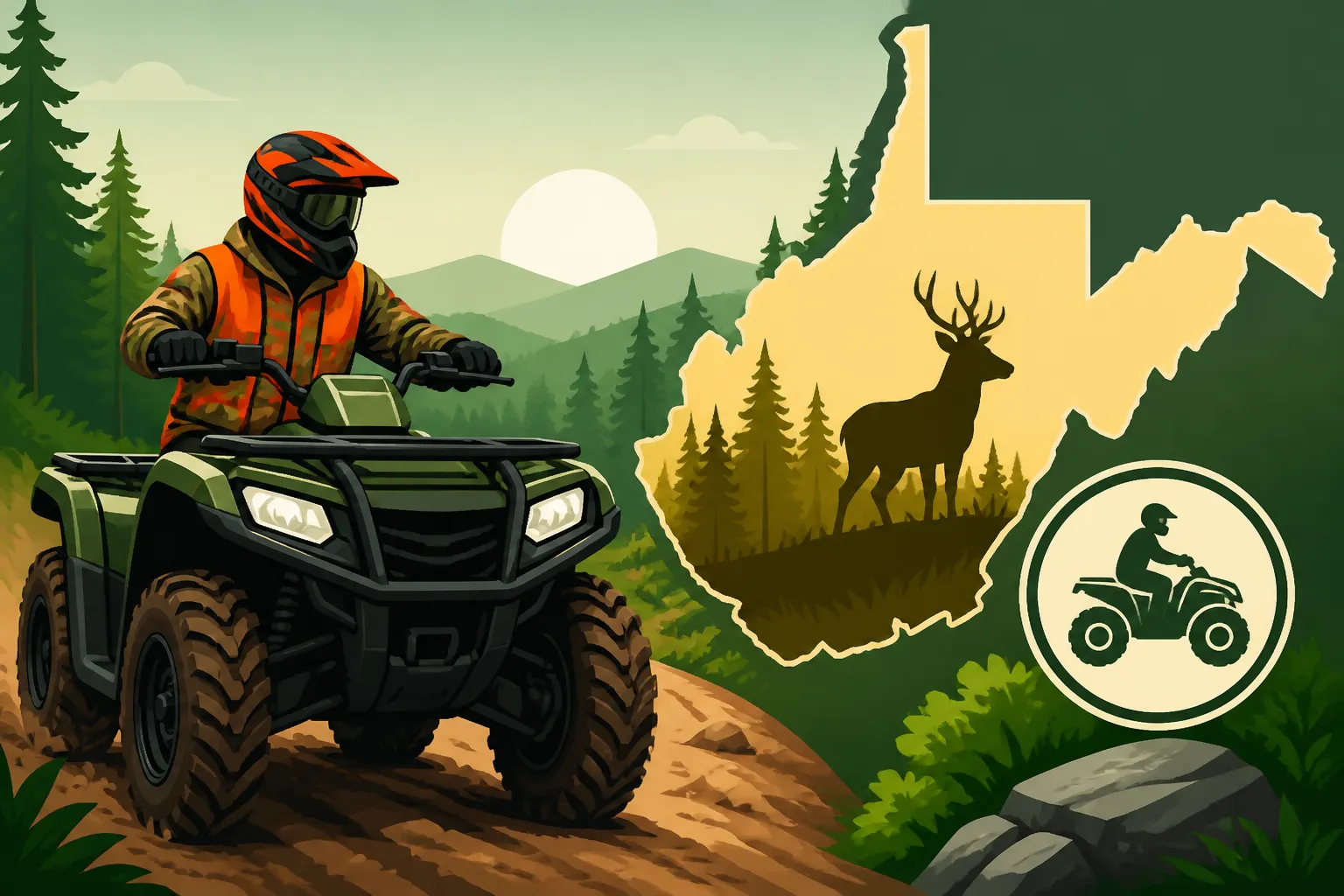
Oh, the allure of strapping your ATV with gear and heading deep into the West Virginia woods! It’s a dream for many hunters, offering a way to cover ground, haul stands, and even recover game from those notoriously steep hollows. But let's be real, navigating the rules and regulations for ATVs on our forest roads can feel like trying to track a ghost buck through a thicket – confusing and often frustrating. This guide is here to clear the mud, explaining exactly what you need to know about where, when, and how you can legally use your ATV on West Virginia's public lands, especially those tempting forest roads.
Understanding West Virginia's Public Land ATV Regulations
It’s easy to assume that if there’s a dirt road, you can ride your ATV on it, especially if you’re just trying to get to a hunting spot. But that assumption can lead to a hefty fine and a ruined trip. West Virginia's public lands have very specific rules regarding ATV use, and these often differ depending on whether you're in a national forest or a state-managed wildlife management area. It’s critical to know the distinction and exactly what you’re allowed to do.
National Forest vs. Wildlife Management Area Rules
When you're out exploring the vast beauty of West Virginia, particularly when you're thinking about using an ATV, you're primarily dealing with two major categories of public land: the Monongahela National Forest and the various Wildlife Management Areas (WMAs) managed by the state. The rules are not interchangeable, and mistaking one for the other can cause problems.
In the Monongahela National Forest, the general rule of thumb is that ATVs (and other Off-Road Vehicles, or ORVs) are restricted to designated trails and roads only. These are specifically marked routes, often requiring a motor vehicle use map (MVUM) to identify. Forest Service roads that are open to licensed vehicles may or may not be open to ATVs, and usually, ATVs need to be street legal and registered to use those. For most recreational ATV use, you're looking for specific ATV trail systems within the forest, like the Hatfield-McCoy Trails, which are separate from general forest access. This means you can't just drive down any old logging road you find to get to your favorite deer stand. It's a big forest, and while the temptation to go deep off the beaten path is strong, it's regulated for a reason. Understanding Monongahela National Forest Hunting means understanding these access points.
Wildlife Management Areas, on the other hand, are managed by the West Virginia Division of Natural Resources (WVDNR) and often have their own specific sets of rules. While some WMAs might have designated ATV access for specific purposes (like retrieving game during certain seasons or accessing remote food plots), many explicitly prohibit or severely restrict ATV use to minimize disturbance to wildlife and habitat. For example, some WMAs might allow ATVs only on certain administrative roads or during certain periods, and almost universally, off-road or off-trail travel is forbidden. Always check the specific WMA regulations before you go. What's allowed at Blackwater WMA might be completely different from Beaver Dam WMA. Each one has its own nuances, which are usually available on the WVDNR website or posted at kiosks upon entry.
Designated Trails and Off-Trail Restrictions
This is perhaps the most crucial distinction for ATV users: the difference between a designated trail and everything else. On public lands in West Virginia, you absolutely cannot just blaze your own trail with an ATV. The idea of "off-roading" in the sense of creating new paths through the woods is strictly prohibited and carries significant penalties, not to mention the potential for serious environmental damage.
Designated trails are clearly marked routes that have been specifically engineered or maintained for ATV use. These trails are designed to handle the impact of motorized traffic, preventing erosion, protecting sensitive ecosystems, and minimizing conflicts with other users like hikers or horseback riders. If you're using an app like onX Hunt or GoHunt, these designated trails might be visible on their public land layers, but it's always best to cross-reference with official maps from the land managing agency (like the Forest Service MVUMs or WVDNR WMA maps). You'll typically find trail markers, signage, and sometimes even physical barriers to guide you and keep you from straying onto closed areas.
The consequences of going off-trail are severe. Beyond the legal ramifications, tearing up fragile forest floors, disturbing wildlife bedding areas, and creating new erosion pathways has a lasting negative impact on the very environment we all love to enjoy. Imagine trying to still-hunt through an area churned into mud by an ATV, or finding fresh ATV tracks running right through a prime Scrape Lines Along a Logging Road. It impacts everyone's experience and the health of the habitat. Always stick to the marked trails, and if in doubt, err on the side of caution and find another way to your destination.
Permitting and Registration Requirements
Beyond just knowing where you can ride, there are often specific administrative requirements you'll need to meet to legally operate your ATV on West Virginia's public lands. These can vary, so it's not a one-size-fits-all situation. Generally, your ATV will need to be registered in your home state, and you should always carry proof of that registration. Some states require ATVs to have a license plate or some form of visible identification, and West Virginia recognizes valid out-of-state registrations.
For specific trail systems, like the aforementioned Hatfield-McCoy Trails (which crisscross many public and private lands, including some national forest segments), you'll absolutely need to purchase a specific permit. This permit is typically an annual pass that grants you access to their extensive trail network. These permits often come with strict rules about helmet use, age restrictions for riders, and operating hours. You won't be able to just show up and ride without one. It’s a dedicated system that helps manage the trails and provide for safety and maintenance.
For general forest roads or WMA access that might allow ATVs for administrative or game recovery purposes, while a separate permit might not be required, adhering to all other rules about vehicle operation, speed, and environmental impact is paramount. Always check the official WVDNR website or contact the specific WMA office or National Forest ranger district directly before your trip. This proactive step can save you a lot of headache and potential fines.
Navigating Forest Roads with Your ATV
So, you've done your homework, you know the difference between public land types, and you're ready to roll. Great! But knowing if you can use an ATV is just the first step. The next is knowing how to use it effectively and responsibly, especially when your goal is to access hunting grounds or manage game recovery.
Identifying Legal ATV Routes
This is where planning and good mapping tools really come into their own. Simply seeing a "road" on a map doesn't mean it's open to ATV traffic. On National Forest lands, the official source for legal motorized routes is the Motor Vehicle Use Map (MVUM). These maps clearly delineate which roads and trails are open to which types of vehicles (highway legal, ATVs, motorcycles, etc.) and during what times of the year. They are free and can often be downloaded from the Forest Service website or picked up at ranger district offices. Familiarize yourself with them!
For WMAs, the WVDNR typically provides maps online or at the WMA kiosks. These maps will often indicate designated access points, administrative roads, and areas where motorized vehicles are permitted. Using digital mapping apps like onX Hunt or GoHunt can be incredibly helpful here. Many of these apps have layers that show public land boundaries, WMA outlines, and sometimes even Forest Service road designations, allowing you to visually plan your route and confirm current regulations. Just remember, technology is a tool, not a substitute for official maps and direct confirmation with land managers. Pay attention to signage on the ground as well; signs can change, or temporary closures can occur that might not be immediately reflected on all digital platforms. This diligence is key for Scouting West Virginia Public Land Before Season.
Safety Considerations and Best Practices
Using an ATV, especially in rugged West Virginia terrain, comes with inherent risks. Safety should always be your number one priority, for yourself, your passengers, and other users of the land. Always wear appropriate safety gear, including a helmet, eye protection, sturdy boots, and gloves. West Virginia's forest roads can be rocky, muddy, steep, and unpredictable.
Operate your ATV at a safe speed, especially when blind corners, inclines, or potential encounters with wildlife are present. Remember that other users, like hikers, mountain bikers, or even other hunters walking in for Still-Hunting Cranberry WMA Ridges, might not expect a vehicle. Be courteous, yield the right of way, and keep noise to a minimum, particularly during hunting seasons.
Ensure your ATV is in good working order before you head out. Check tires, brakes, lights, and fluids. Carry basic repair tools, a first-aid kit, and enough water and emergency supplies for unexpected delays. The mountains here can be remote, and cell service can be spotty, so don't rely solely on your phone for navigation or emergencies. Many seasoned hunters carry two-way radios, especially if hunting with a group, and a dedicated GPS unit as a backup to phone apps.
Special Considerations for Hunters
For us hunters, ATVs offer tantalizing possibilities, but also require extra diligence. During hunting seasons, ATV use might be restricted even more, or specific rules might apply for game recovery. For instance, some WMAs might allow ATV access for retrieving legally harvested big game, but only on designated routes and perhaps only with a special permit or after specific reporting. This is a common allowance because dragging a deer off a steep ridge can be an impossible task for one person, especially in areas like the Monongahela.
However, using an ATV to actively hunt (e.g., chasing game, shooting from the vehicle) is almost universally illegal. The ATV is for access and recovery, not for the hunt itself. Be mindful of scent dispersal when using your ATV to get close to your stand, and try to park it far enough away to minimize disturbance to your hunting area. Also, ensure that any gear you’re hauling, like your Treestand Setups in Monongahela National Forest or Ground Blind Rules on West Virginia WMAs, is securely fastened and won't fall off on rough terrain.
Always double-check the hunting regulations specific to the game you're pursuing and the area you're in. These often contain clauses regarding motorized vehicle use during hunting season. A quick read of the West Virginia Deer Season Structure Explained or West Virginia Bear Tag Requirements will typically offer insights into specific vehicle rules.
Consequences of Non-Compliance
Breaking ATV rules on West Virginia's public lands isn't just a minor infraction; it can lead to serious consequences, both legally and environmentally. The rules are in place to protect our natural resources, ensure safety, and maintain a positive experience for all users. Ignoring them undermines these efforts.
Fines and Penalties for Illegal ATV Use
The legal repercussions for illegal ATV use can be substantial. Fines can range from several hundred dollars to well over a thousand, depending on the severity of the offense and whether it's a first-time violation or a repeat offense. It’s not uncommon for officers to also seize your ATV if you’re caught operating it illegally, especially if there's significant property damage or multiple violations. Imagine your hunting trip ending with your vehicle being impounded and a hefty fine – it's a nightmare scenario that’s completely avoidable.
In addition to monetary fines, you could face charges related to property damage, environmental destruction, or even trespassing if you venture onto private land without permission. Depending on the nature of the violation, you might also lose hunting and fishing privileges for a period of time. This isn't just about an inconvenience; it's about protecting the future of our hunting lands and opportunities. Enforcement officers, whether Forest Service rangers or WVDNR game wardens, are vigilant about protecting these areas, and they take these violations seriously. Their presence ensures that the rules for Vehicle Rules on West Virginia Public Land are upheld.
Environmental Impact and Why Rules Exist
The rules aren't just there to make your life harder; they are a vital component of conservation and land management. Off-trail ATV riding causes significant environmental damage. The churning of soil leads to erosion, which can pollute streams, harm aquatic life, and destroy fish spawning beds. This is particularly problematic on steep slopes, which are abundant in West Virginia. When the soil washes away, it can take decades, if not centuries, for the land to recover.
Beyond erosion, illegal ATV use disrupts wildlife habitats. Noise and disturbance can displace animals from critical feeding, bedding, and nesting areas. It compacts soil, hindering plant growth, and can spread invasive species by transporting seeds in mud from one area to another. Imagine a clear-cut where new growth is supposed to provide cover for West Virginia Ruffed Grouse Decline efforts, but instead, it's torn up by vehicles. This directly impacts the health and sustainability of the game populations we hunt.
The restrictions are in place because the land is a shared resource, and its health directly impacts our ability to hunt, fish, and recreate. By adhering to the designated routes and understanding the 'why' behind the rules, we contribute to the long-term health of West Virginia's incredible natural heritage. It's about being good stewards of the land, ensuring that future generations of hunters and outdoors enthusiasts can enjoy these wild places as much as we do.
Here’s a quick overview of some common ATV rules on West Virginia public lands:
| Feature | Monongahela National Forest (General) | West Virginia Wildlife Management Areas (General) |
|---|---|---|
| Primary Access | Restricted to designated trails/roads (MVUMs are key). | Highly variable; usually restricted to administrative roads or specific access points. |
| Off-Trail Use | Strictly prohibited. | Strictly prohibited. |
| Permits | Separate permits often required for designated ATV trail systems (e.g., Hatfield-McCoy). | Varies; general WMA access often covered by hunting/fishing license, but specific ATV use might require special permits. |
| Registration | State registration required. | State registration required. |
| Game Recovery | Specific rules may allow for recovery on certain routes; check district office. | Often allowed on designated routes for big game; check specific WMA rules. |
| Speed Limits | Typically posted; always drive safely and courteously. | Typically posted; always drive safely and courteously. |
| Environmental | Strict rules to prevent erosion and habitat damage. | Strict rules to prevent erosion and habitat damage. |
Remember, this table is a generalization, and always verify the specific rules for the exact area you plan to visit, as regulations can change. Your hunting success and the preservation of our wild spaces depend on it!
Disclaimer
This article is for general informational purposes only and does not constitute professional advice. Laws, prices and regulations vary by location and change over time. Consult a qualified professional for guidance on your specific situation.