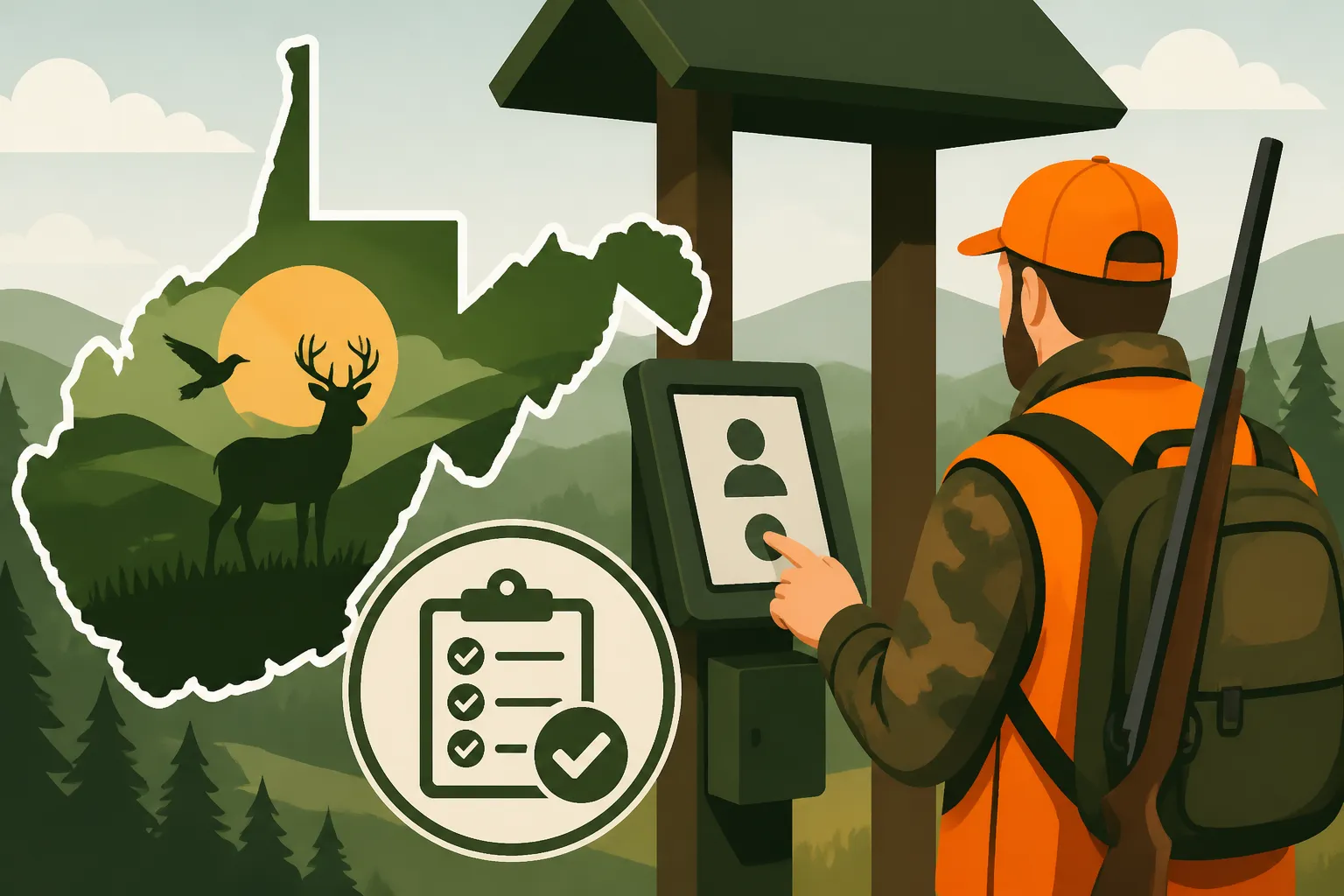
West Virginia WMA Access Sign-In Process
Venturing onto West Virginia's vast Wildlife Management Areas (WMAs) offers incredible hunting opportunities, but for many, especially those new to the state or public land hunting, the mandatory access sign-in process can feel like an unnecessary hurdle. It's a common point of confusion that can deter hunters or even lead to unintended non-compliance. This comprehensive guide aims to demystify the West Virginia WMA access sign-in process, ensuring you understand the requirements, how to fulfill them, and how to enjoy your hunting experience on these vital public lands without a shred of doubt or anxiety.
Understanding West Virginia's WMA System
West Virginia is truly a hunter's paradise, boasting a significant amount of public land managed specifically for wildlife and recreation. Wildlife Management Areas are key components of this system, offering diverse habitats and regulated hunting access. However, because these lands are actively managed and often host various activities beyond just hunting, there are specific protocols in place to ensure proper use, safety, and data collection. Ignoring these can lead to fines or even losing your hunting privileges.
The Purpose of Wildlife Management Areas
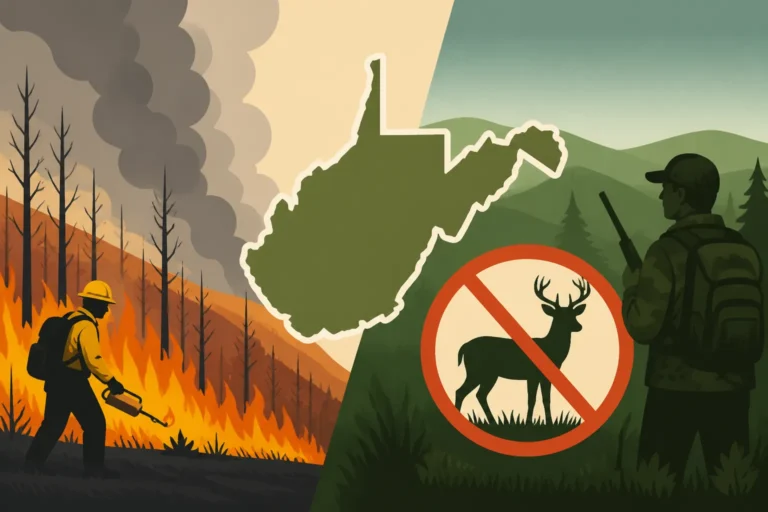
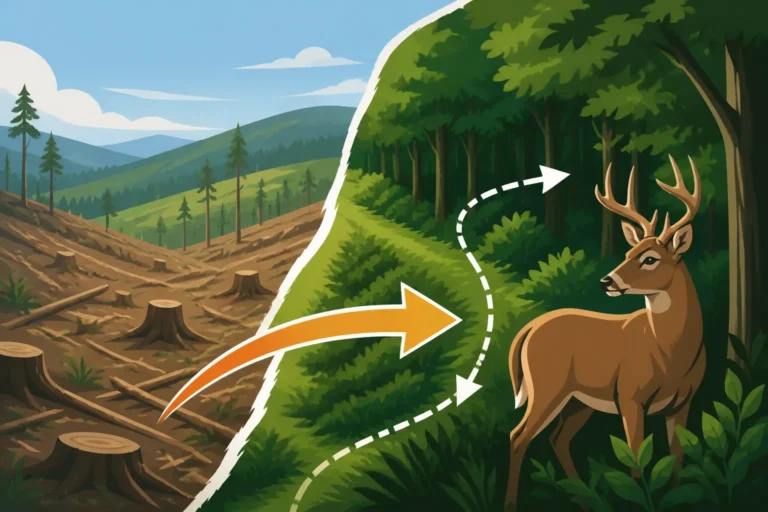
Wildlife Management Areas, or WMAs, aren't just tracts of woods; they are actively managed ecosystems designed to support a healthy and diverse array of wildlife species. This management includes habitat improvements like prescribed burns, timber stand improvements, and planting food plots, all aimed at creating optimal conditions for game and non-game animals alike. The West Virginia Division of Natural Resources (WVDNR) oversees these areas, balancing conservation with public access for hunting, fishing, trapping, and other outdoor pursuits. Think of them as living laboratories and recreational spaces rolled into one. Understanding this core purpose helps explain why certain rules, like the sign-in process, are in place – they help the WVDNR monitor usage, assess hunter pressure, and gather data crucial for future management decisions.
One of the main goals behind the WMA system is to provide accessible hunting opportunities for all residents and non-residents. Without these dedicated areas, public hunting ground would be much scarcer. The careful management means that while you're enjoying a hunt on a WMA, you're also benefiting from years of dedicated effort to sustain those populations. This is why respecting the rules and the land, starting with the sign-in, is so important.
General Rules and Regulations on WMAs
Beyond the sign-in process, WMAs have a set of general regulations that hunters must adhere to. These often include restrictions on vehicle access, camping, target shooting, and the use of trail cameras. For instance, while some forest roads might be open for vehicle traffic, many are gated or restricted to foot traffic only, especially during hunting seasons. Knowing these rules beforehand can save you a lot of headache and potential trouble. It's not uncommon to see signs posted at WMA entrances detailing these regulations, but savvy hunters always consult the official WVDNR regulations summary for the most up-to-date information.
Another common rule on WMAs pertains to Treestand Rules on West Virginia Public Land and Ground Blind Rules on West Virginia WMAs. While generally permitted, there are often regulations regarding how long stands can remain in place, what materials they can be constructed from, and whether they need to be labeled with your identification. Littering, habitat destruction, and careless behavior are strictly prohibited, as these areas are meant to be preserved for everyone's enjoyment and for future generations. Taking the time to understand these overarching rules demonstrates a commitment to ethical hunting and ensures that these valuable public lands remain viable hunting grounds.
The West Virginia WMA Access Permit and Sign-In
The core of WMA access is the permit and sign-in. This isn't just about showing your hunting license; it's a specific requirement for entry onto many managed areas, particularly those that see significant use or have special management objectives. It helps the state track usage and apply appropriate resources to specific WMAs.
Who Needs an Access Permit and Why
Anyone 16 years of age or older who plans to hunt, trap, or fish on a West Virginia WMA needs to obtain a WMA Access Permit. This permit is separate from your general hunting or fishing license, though it's typically purchased in conjunction with them. Youth hunters under 16, when accompanied by a licensed adult, are often exempt from needing their own permit, but the rules can vary slightly, so always double-check. The fee for this permit is usually quite modest and directly supports the management efforts on these lands. It’s a small investment that goes a long way in ensuring the quality of your hunting experience.
The "why" behind this permit and sign-in goes back to data. The WVDNR uses this information to understand Hunting Pressure on West Virginia Public Land, determine peak usage times, and identify which areas are most popular for specific game species. For example, if data shows that Cranberry WMA is heavily used for deer hunting in early archery season but sees little bear hunting pressure, the WVDNR might adjust habitat management or public access points accordingly. This data also helps manage safety, especially during crowded periods like opening day of buck gun season. You can easily purchase your WMA Access Permit when you get your other licenses through the "Go Wild West Virginia" online portal. For those curious about the costs of licenses and permits, check out West Virginia Hunting Licenses and What They Cost.
The Digital Sign-In Process on Go Wild West Virginia
The modern way to sign in for WMA access is primarily digital, utilizing the "Go Wild West Virginia" online licensing and permit system. Once you have your WMA Access Permit, you can log into your Go Wild account via their website or a dedicated mobile application. From there, you'll navigate to the WMA sign-in section. The system typically presents a list or map of WMAs, allowing you to select the specific area you intend to hunt. You'll usually be prompted to confirm your activity (hunting, fishing, etc.) and your entry date. This digital method is incredibly convenient, allowing you to sign in from your truck before you ever step foot into the woods, or even from home the night before.
Many hunters find this digital process straightforward and efficient. It eliminates the need for paper and pencils, which can be a real blessing in cold or wet weather. After you sign in, the system will record your entry. Just as importantly, remember to digitally sign out when you leave the WMA. This is crucial for accurate data collection and helps the WVDNR understand the duration of visits and overall hunter effort. For more on navigating the digital tools, you might find Using the Go Wild West Virginia Map Tool helpful. When planning your hunt, many experienced West Virginia hunters also leverage advanced mapping tools like onX Hunt and even GoHunt for detailed scouting and understanding terrain before ever setting foot on public ground. These platforms can provide invaluable insights into boundaries, topography, and potential habitat features, making your WMA planning much more effective.
What to Do If You Don't Have Cell Service
Let's be real: West Virginia's rugged mountains and deep hollows are famous for their beauty, and infamous for their spotty cell service. This can throw a wrench into the digital sign-in process. If you find yourself at a WMA entrance with no signal, don't panic. The WVDNR understands this challenge. The primary solution is to sign in before you leave an area with cell service. If you know you're heading to a remote WMA, make it a habit to complete your digital sign-in from home or a nearby town before you lose connectivity. This foresight can prevent a lot of frustration.
However, if you genuinely arrive at a WMA without prior sign-in and no cell service, you'll need to revert to the traditional method, which brings us to physical sign-in stations. It's always a good idea to have a backup plan, which includes knowing where these physical stations are or carrying the necessary tools to use them. While the digital system is preferred, the state recognizes the practical limitations of technology in the wild and provides alternatives to ensure everyone can still comply.
Physical Sign-In Options and Requirements
While digital is the preferred method, traditional paper sign-in stations are still a reality on many WMAs, especially those in more remote locales or those with high traffic where a kiosk is more practical than relying solely on cell service. Never assume every WMA has robust cell service.
Traditional Paper Sign-In Stations
Many WMAs still feature physical sign-in boxes, typically located at main access points, parking areas, or along major forest roads. These are usually sturdy metal or wooden boxes containing sign-in sheets, pencils, and often a copy of the WMA's specific regulations. When digital sign-in isn't an option due to poor signal or personal preference, these physical stations are your go-to. It's absolutely critical to sign in before you enter the hunting area and to sign out after you've completed your hunt and returned to your vehicle. Failing to sign out can skew the WVDNR's data and make it seem like hunters are spending an unrealistic amount of time on the WMA, or worse, that someone is still out in the woods when they've actually left.
The process is simple: locate the box, open it, fill out the required information clearly and legibly, tear off the provided copy for your records (if applicable), and drop the original into the secure slot. This manual process serves the same data collection purpose as the digital one and is equally important for compliance. Always ensure the pencil works and that the forms haven't been damaged by weather or previous users. Sometimes, it's a good idea to carry your own pen or pencil, just in case.
Information Required for Physical Sign-In
Whether you're signing in digitally or physically, the information requested is generally consistent. You'll typically need to provide:
- Your Name: First and last.
- Your Address: Or at least your city and state.
- Your License Number: This is crucial for linking your activity to your WMA Access Permit.
- Your Entry Date and Time: Be as accurate as possible.
- Your Activity: E.g., deer hunting, turkey hunting, fishing, trapping, hiking.
- Your Exit Date and Time: This is filled out when you leave.
- Number of People in Your Party: If applicable.
The WVDNR uses this information not just for tracking hunter effort but also for safety. In emergency situations, knowing who is on a WMA can be vital. For instance, if an area needs to be closed due to a forest fire or severe weather, knowing who is likely present helps officials warn or evacuate people. It's a small administrative task that contributes to the overall safety and effective management of our public hunting grounds.
| Feature | Digital Sign-In (Go Wild WV App/Website) | Physical Sign-In (At WMA Kiosk) |
|---|---|---|
| Convenience | High (from anywhere with signal) | Moderate (must be at designated kiosk) |
| Accessibility | Requires smartphone/computer and internet/cell service | Requires presence at kiosk, pen/pencil often provided |
| Data Accuracy | High (direct entry into system) | Medium (handwriting legibility, human error) |
| Real-time Data | Yes (instantaneous record) | No (data collected periodically by WVDNR staff) |
| Backup Option | Excellent backup if cell service fails | Primary option in areas without cell service, backup for digital |
| Record Keeping | Digital record in your Go Wild account | Physical stub (if available), personal photo of signed sheet |
| Requirements | WMA Access Permit, Go Wild account, device | WMA Access Permit (carry proof), pen/pencil, legible writing |
Common Challenges and Troubleshooting
Even with clear instructions, things can go awry. Understanding common pitfalls and how to address them can save you a lot of grief and ensure you remain compliant.
Dealing with Missed Sign-Ins
It happens. You're excited, focused on getting to your stand, and you simply forget to sign in, either digitally or at the physical station. What should you do? The best course of action is to rectify the situation as soon as you realize your mistake. If you have cell service, pull out your phone and sign in digitally immediately, even if you're already in the woods. If you're relying on a physical station and it's within a reasonable distance, return to it and sign in. It's far better to be a few minutes late to your spot than to risk a fine or confrontation with a conservation officer for non-compliance. These officers are out there to ensure fair chase and adherence to regulations, and showing a good faith effort to comply goes a long way.
If you are encountered by a conservation officer and have genuinely forgotten to sign in, explain the situation honestly. Most officers appreciate honesty and a willingness to correct the oversight. However, repeated "forgetfulness" will likely not be viewed as an honest mistake. The best way to troubleshoot this is prevention: make signing in a non-negotiable part of your pre-hunt routine, right alongside checking your gear and ensuring you have your West Virginia Hunting Licenses and What They Cost.
Understanding Area-Specific Rules and Exceptions
While the WMA Access Permit and sign-in process are largely consistent statewide, some WMAs might have unique rules or exceptions. For instance, areas within the Monongahela National Forest Hunting might have slightly different regulations regarding camping or vehicle access than a smaller, dedicated WMA in the Eastern Panhandle. It's your responsibility as a hunter to be aware of these localized rules. Before heading out, always check the specific WVDNR page for the WMA you plan to visit. These pages often detail special regulations, any current closures, or unique features of the area.
Another example might be WMAs that are part of the West Virginia's Chronic Wasting Disease Counties containment area. While the sign-in process might be the same, there will be additional rules regarding carcass movement or mandatory testing that you must be aware of. Similarly, areas like Cranberry Wildlife Management Area, being part of a larger national forest, might have nuances in their rules. These specific details underscore the importance of thorough preparation beyond just obtaining your license and permit. Always be a well-informed hunter.
Maximizing Your WMA Hunting Experience
Beyond merely complying with regulations, truly embracing the WMA system means integrating these rules into a broader strategy for a successful and enjoyable hunt. The sign-in is just the first step.
Scouting and Planning Your WMA Hunt
The key to a successful WMA hunt lies in meticulous scouting and planning, even before you sign in. Public land often sees more pressure, so understanding deer movement, travel corridors, and bedding areas takes extra effort. Tools like onX Hunt are invaluable here, allowing you to study satellite imagery, topo maps, and land ownership boundaries from home. You can mark potential stand locations, entry routes, and areas of interest long before the season opens. Identifying key features like saddles, thickets, water sources, and potential food sources can give you a significant advantage. Scouting West Virginia Public Land Before Season is not just recommended; it's often essential for consistent success.
When planning, consider the time of year and specific game you're after. For example, during Hunting the West Virginia Rut in November, bucks will be on the move, and knowing common rub and scrape lines from scouting can pay off. If you're after Grouse Hunting Allegheny Highlands Cover, understanding habitat requirements and prime cover types found in an area like Blackwater WMA is critical. Integrating your sign-in process into this larger planning framework ensures you're not just compliant, but also prepared for a great hunt.
Respecting Fellow Hunters and the Land
WMAs are shared resources, which means courteous and ethical behavior is paramount. This includes everything from parking considerately at access points to minimizing your impact on the land. When you sign in, you're not just registering your presence; you're acknowledging your responsibility to be a good steward. This means packing out everything you pack in, and perhaps even picking up some trash left by others. It means being mindful of other hunters, especially during busy seasons, and giving them ample space. The last thing anyone wants is to have their hunt disturbed by a careless or disrespectful individual.
Consider the implications of your actions. If you're dragging a deer out, try to avoid sensitive areas or block trails. If you encounter another hunter, a friendly nod or quick, quiet greeting is usually sufficient; avoid loud conversations or startling movements. The WMA system thrives on shared access, and that sharing only works when everyone respects the resource and each other. By understanding the West Virginia WMA Permit Requirement and diligently following the sign-in process, you contribute directly to the ongoing health and accessibility of these fantastic hunting grounds for everyone.
Disclaimer
This article is for general informational purposes only and does not constitute professional advice. Laws, prices and regulations vary by location and change over time. Consult a qualified professional for guidance on your specific situation.