West Virginia’s Chronic Wasting Disease Counties
Hunting in West Virginia is a way of life, a deep-rooted tradition passed down through generations. So when something threatens the health of our deer herd and the very future of our hunting opportunities, it hits home hard. Chronic Wasting Disease (CWD) is one such challenge, a neurological disease that poses a serious threat to our white-tailed deer. This guide is here to walk you through everything you need to know about CWD in West Virginia, from its origins and spread to the specific regulations and best practices designed to protect our cherished wildlife and ensure hunting remains a vibrant part of the Mountain State for years to come.
What is CWD and Why it Matters to West Virginia Hunters
When we talk about CWD, it’s understandable if you feel a mix of confusion, concern, and maybe even a bit of frustration. This isn't just another deer ailment; it's a game-changer for how we think about deer management and our role as hunters. It's a disease that affects deer, elk, and moose, and because it's always fatal, it represents a profound threat to the health and sustainability of our wild populations.
Understanding the Disease: What it is and How it Spreads
At its core, Chronic Wasting Disease is a transmissible spongiform encephalopathy (TSE), similar to mad cow disease. But instead of bacteria or a virus, it's caused by abnormal proteins called prions. These rogue prions essentially mess up the normal proteins in an animal's brain and nervous system, leading to a slow, progressive degeneration that is, sadly, always fatal. There’s no known cure, no vaccine, and once an animal contracts it, its fate is sealed.
The way CWD spreads is particularly insidious, making it incredibly difficult to contain. It can be transmitted directly from animal to animal through contact with saliva, urine, and feces. Imagine a deer licking a branch another infected deer just nibbled, or even just sharing the same bedding area. But it gets even trickier: these prions can persist in the environment for years, even decades. They bind to soil and plants, meaning an uninfected deer could pick up the disease simply by grazing in an area where an infected animal once lived, died, or shed its prions. This environmental persistence is one of the biggest challenges facing wildlife managers, and it’s why controlling CWD is such a long-term, uphill battle. Understanding this aspect helps clarify why regulations often focus on limiting the movement of deer carcasses, as those can carry and deposit prions into new landscapes.
The Threat to West Virginia's Deer Herd and Hunting Heritage
The potential impact of CWD on our deer herd cannot be overstated. While it typically doesn't cause sudden, massive die-offs like some other diseases, its chronic nature leads to a slow, steady decline in affected populations over time. Infected deer eventually lose weight, become listless, develop neurological symptoms like abnormal posture or drooling, and ultimately succumb to the disease. Over years, this can lead to fewer deer, an altered age structure within the herd, and a significant reduction in overall herd health. For many of us, the sight of a healthy, robust West Virginia whitetail is synonymous with the mountains, and the thought of widespread illness eroding that image is heartbreaking.
Beyond the biological impact, CWD poses a direct threat to our hunting heritage. Fewer healthy deer mean fewer hunting opportunities, stricter regulations, and potentially even reduced hunter participation. This isn't just about bagging a buck; it's about the traditions, the time spent with family and friends in the woods, and the deep connection we feel to nature. Our local communities, too, rely on the economic boost that hunting seasons bring, from sporting goods stores to local diners and gas stations. If deer populations suffer, so does this vital part of our rural economy. It’s a collective concern that touches every hunter and every small town across the state, and it’s why understanding and cooperating with CWD management efforts is so crucial for the long-term health of our beloved sport.
The Evolution of CWD in West Virginia: A Timeline
Understanding CWD isn't just about knowing what it is; it's about tracing its journey within our state. West Virginia has been proactive in monitoring and responding to this threat, but the disease continues to present evolving challenges. Let's look at how CWD has unfolded here in the Mountain State.
First Detections and Initial Response
West Virginia first confronted Chronic Wasting Disease head-on in 2016, when the disease was detected in a white-tailed deer harvested in Hampshire County. This was a pivotal moment, confirming what wildlife biologists had feared: CWD had made its way into the heart of our state's rich deer country. The initial reaction among hunters and wildlife officials was a mix of concern and a strong resolve to understand and contain the spread. News traveled quickly, and many hunters, especially those in the Eastern Panhandle, began asking urgent questions about what this meant for their deer and their hunting seasons.
Following this initial detection, the West Virginia Division of Natural Resources (WVDNR) sprang into action. They immediately intensified surveillance efforts, increasing mandatory testing of deer harvested in Hampshire and surrounding counties. Check stations were set up, and hunters were asked to voluntarily submit heads for sampling. This early response was critical for gauging the prevalence and geographical extent of the disease. While the initial discovery was alarming, it also mobilized a statewide effort to educate hunters and the public, emphasizing that our collective actions would be key in mitigating CWD's impact. The creation of a dedicated "Containment Area" was one of the first strategic steps to isolate and manage the disease where it was found.
Expansion of Affected Areas and Containment Strategy
Unfortunately, CWD didn't stay confined to a single county. Over the years, continued surveillance revealed additional positive cases in adjacent areas. As outlined in the guide on How Many West Virginia Counties Have Found CWD, the disease gradually expanded its footprint, leading to the inclusion of counties like Hardy, Mineral, Berkeley, Morgan, and Jefferson within the designated CWD Containment Area. This expansion underscored the difficulty of stopping a disease that can spread both through direct contact and persist in the environment. Each new detection meant recalibrating efforts and expanding the boundaries of the special regulations.
The WVDNR's primary strategy for managing CWD has centered around the establishment of these CWD Containment Areas, which are specifically designed to minimize the geographic spread of the disease. These areas are not just lines on a map; they come with a suite of special regulations aimed at preventing the movement of potentially infected deer carcasses and reducing deer densities where CWD is most prevalent. For example, you can learn more about Why Grant County Joined the CWD List in 2025, which highlights the ongoing nature of this challenge and the WVDNR's commitment to adapting to new information. The goal of these containment efforts is multi-faceted: to slow the spread, to understand the disease's prevalence, and to protect the health of deer herds in unaffected areas of the state. It’s a constantly evolving situation, requiring vigilance and cooperation from every hunter.
Navigating West Virginia's CWD Containment Areas
Hunting in a CWD Containment Area can feel a little daunting at first, with new rules and responsibilities to keep track of. But it’s essential to understand these guidelines, not just for compliance, but for protecting the broader deer herd. The WVDNR has put specific measures in place to help manage the disease, and as hunters, we play a crucial role in their success.
Identifying Current CWD Counties and Boundaries
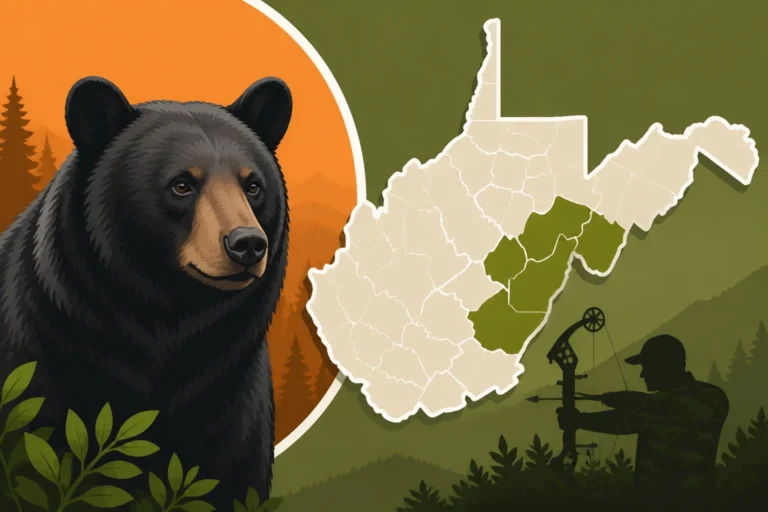
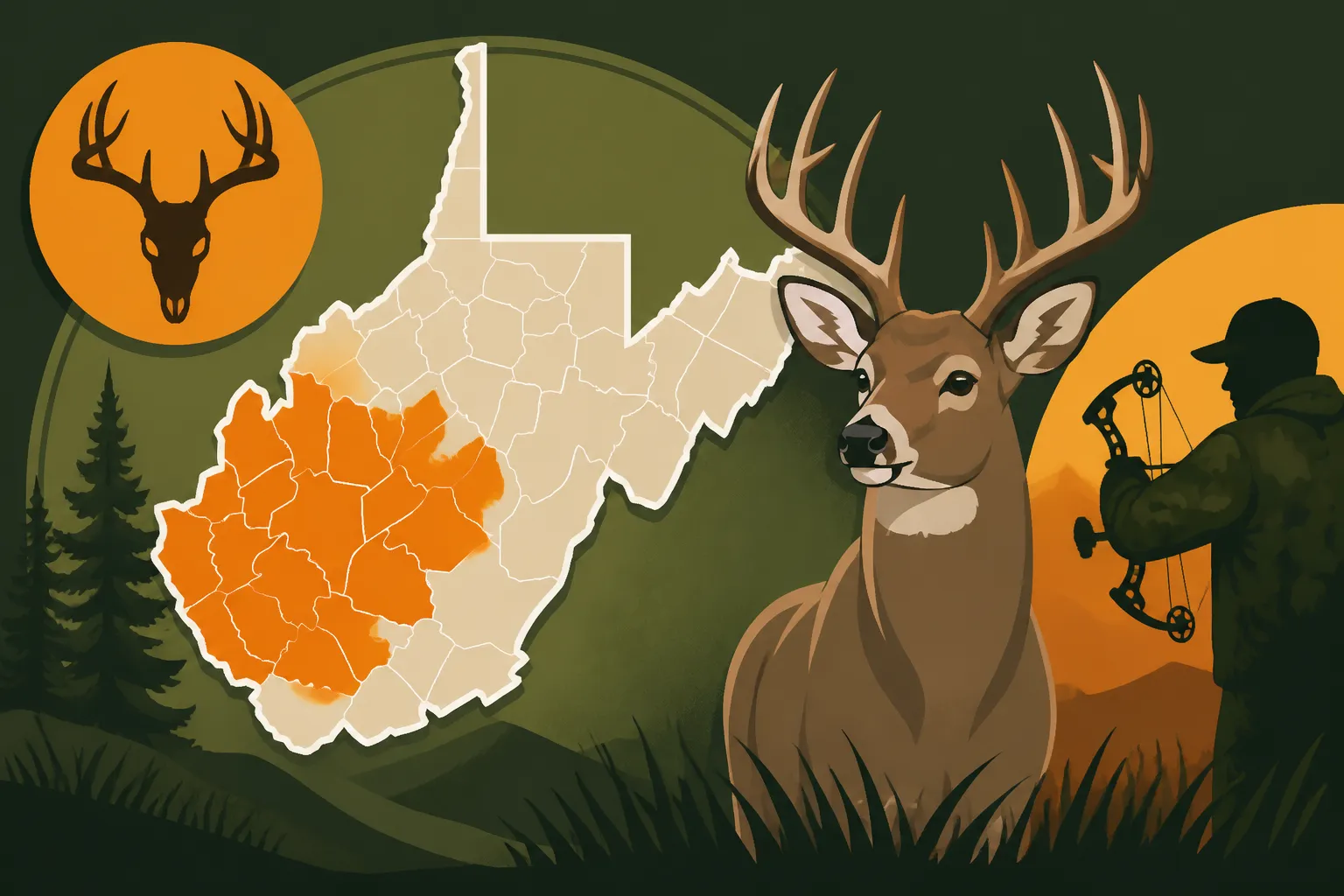
Staying informed about which counties are currently designated as CWD-positive or within a CWD Containment Area is your first line of defense. These boundaries can sometimes shift or expand as new information becomes available from WVDNR surveillance efforts. Currently, the core CWD containment area includes Hampshire, Hardy, Mineral, Berkeley, Morgan, Jefferson, and Grant counties. It’s vital that before you head out, especially if you hunt in or near these regions, you check the latest official maps and information from the West Virginia Division of Natural Resources. Their website is always the most up-to-date source, and using tools like GoHunt, or the WVDNR's own Go Wild West Virginia app, can overlay these CWD zones onto your hunting maps, providing real-time awareness of where these special rules apply.
Understanding these boundaries isn't just about knowing where you can hunt, but how you can transport your harvest. A common point of confusion for hunters is identifying exactly where the CWD Containment Area begins and ends, especially along county lines or near major highways. The WVDNR does an excellent job of delineating these areas, but it's ultimately our responsibility to be aware. Always assume that if you're hunting near a CWD-designated county, you should double-check the current regulations, as buffer zones or newly added areas might impact your plans. This proactive approach helps protect our state's valuable deer population and prevents accidental violations of carcass transportation rules.
Mandatory Testing and Carcass Movement Restrictions
One of the most significant rules for hunters in CWD Containment Areas revolves around mandatory testing and carcass movement. If you harvest a deer in one of these designated counties, mandatory CWD Testing for Hunters is typically required. This means you must take your harvested deer, or at least its head, to a designated WVDNR CWD Sampling Station within a specific timeframe after harvest. These stations, often located at convenient points throughout the containment area, are staffed by WVDNR personnel or volunteers who will collect the necessary tissue samples for testing. You can find detailed information on Finding a West Virginia CWD Sampling Station on the WVDNR website, including locations and operating hours, which can vary depending on the hunting season.
Perhaps the most critical regulation involves West Virginia Carcass Movement Restrictions. To prevent the further spread of CWD prions, there are strict rules about Moving a Deer Carcass Out of the Containment Area. Generally, you cannot transport whole deer carcasses, or even certain high-risk parts like the brain and spinal cord, outside of these CWD counties. This means if you harvest a deer in Hampshire County, for example, you either need to process it down to specific low-risk parts (like deboned meat, clean skull plate, or finished taxidermy mounts) before leaving the containment area, or dispose of the carcass remains properly within the area. These rules are non-negotiable and are in place to safeguard the health of deer in other parts of West Virginia. While these regulations can sometimes be inconvenient, they are a vital tool in our collective effort to combat CWD, and hunter compliance is paramount for their effectiveness.
| CWD Containment Area Counties (West Virginia) | Mandatory Testing (Harvest) | Carcass Movement Restrictions | Baiting/Feeding Restrictions |
|---|---|---|---|
| Hampshire County | Yes | Yes (High-risk parts stay) | Yes (Prohibited) |
| Hardy County | Yes | Yes (High-risk parts stay) | Yes (Prohibited) |
| Mineral County | Yes | Yes (High-risk parts stay) | Yes (Prohibited) |
| Berkeley County | Yes | Yes (High-risk parts stay) | Yes (Prohibited) |
| Morgan County | Yes | Yes (High-risk parts stay) | Yes (Prohibited) |
| Jefferson County | Yes | Yes (High-risk parts stay) | Yes (Prohibited) |
| Grant County | Yes (Likely, check WVDNR) | Yes (Likely, check WVDNR) | Yes (Likely, check WVDNR) |
Note: Always consult the latest West Virginia Division of Natural Resources (WVDNR) regulations and maps for the most current information, as CWD zones and rules can change.
Specific Rules for Hunting in CWD-Affected Counties
Hunting in West Virginia's CWD-affected counties means more than just being aware of boundaries. The WVDNR has implemented specific rules to help manage the disease, and these can impact everything from your hunting setup to how you handle your harvest. It’s important to familiarize yourself with these nuances to remain compliant and contribute positively to CWD management efforts.
Equipment and Baiting Regulations
One of the key regulatory changes in CWD Containment Areas often involves supplemental feeding and baiting. In many CWD-affected counties, the use of bait or supplemental feed is strictly prohibited. This is because concentrating deer at a specific location, like a feeder or a pile of corn, increases the likelihood of direct deer-to-deer contact. When deer share a food source, they also share saliva, urine, and feces, which are all potential vectors for CWD prions. This restriction aims to reduce the congregation of deer and minimize opportunities for disease transmission. It can be a hard adjustment for hunters used to setting out corn or mineral blocks, but it's a critical step in mitigating the spread. Always check the current regulations for the specific county you plan to hunt to ensure you're not inadvertently violating baiting laws.
Beyond baiting, there aren't typically special equipment restrictions directly related to CWD, but hunters might find certain strategies more effective. For example, given the emphasis on reducing deer congregation, focusing on natural food sources and travel corridors might become even more important than usual. Also, some hunters in CWD zones might opt for simpler field dressing tools that are easier to clean thoroughly. While not mandated, these thoughtful approaches align with the spirit of minimizing disease spread. Remember, the goal is to reduce factors that bring deer into close contact, and thoughtful hunting practices, combined with official regulations, are our best tools.
Harvest Reporting and Sample Collection
After you've successfully harvested a deer in a CWD Containment Area, your responsibilities don't end there. In fact, they become even more crucial to the WVDNR's CWD surveillance efforts. Prompt and accurate West Virginia Deer Reporting Requirements are paramount. You'll need to report your harvest via the official WVDNR system, usually through the Go Wild West Virginia website or mobile app, just as you would any other deer. However, for deer taken within CWD zones, there's an added step: submitting a sample for CWD testing. This is why it’s so important to know where your nearest Finding a West Virginia CWD Sampling Station is, and their operating hours, before you even head into the woods.
The process of sample collection involves taking the deer's head, or sometimes just a specific portion of the brainstem and lymph nodes, to a designated WVDNR drop-off point. Trained personnel will then collect the necessary tissues. This data is invaluable to wildlife biologists, helping them monitor the prevalence of CWD, identify new areas of concern, and evaluate the effectiveness of current management strategies. As a hunter, your participation in this process directly contributes to the scientific understanding and long-term management of CWD in West Virginia. It’s not just a hoop to jump through; it's a critical role you play in protecting the future of our deer herd. Ensuring every harvested deer in a CWD zone is properly sampled provides the WVDNR with the most complete picture possible, allowing them to make informed decisions about herd health and hunting regulations.
Protecting the Herd and Yourself: Best Practices for Hunters
As hunters, we are often the first line of defense and observation when it comes to the health of our wildlife. Being proactive and practicing responsible hunting behaviors are critical components of minimizing CWD’s impact. This isn't just about following rules; it's about being a steward of the land and its creatures.
Safe Handling and Processing of Harvested Deer
When you harvest a deer in a CWD-affected county, safe handling and processing are paramount. While there's currently no evidence of CWD transmitting to humans, the Centers for Disease Control and Prevention (CDC) advises caution. Always wear rubber or latex gloves when field dressing any deer, but especially those from CWD areas. This minimizes direct contact with blood and other fluids. When field dressing, try to minimize the handling of brain and spinal tissue, as these are the areas with the highest concentration of prions. Consider using a dedicated set of knives and tools specifically for CWD area deer, which can then be thoroughly cleaned and disinfected after use.
After processing, proper disposal of carcass parts is crucial. Never leave high-risk tissues like the brain, spinal cord, eyes, spleen, or lymph nodes in the field where other deer might encounter them. These parts should be double-bagged and disposed of in an approved landfill within the CWD Containment Area. If you are quartering your deer for transport, remember the strict rules about Moving a Deer Carcass Out of the Containment Area. Deboned meat, clean skull plates (without brain tissue), teeth, and hides (without head attached) are generally allowed to leave, but always confirm the latest WVDNR regulations. Taking these extra steps helps prevent environmental contamination and reduces the potential for CWD to spread to new areas, showcasing our commitment to responsible hunting practices.
Scouting, Planning, and Responsible Hunting Behavior
Good hunting starts long before opening day, and in CWD zones, strategic scouting and planning become even more important. When Scouting West Virginia Public Land Before Season, pay close attention to signs of unhealthy deer. While many CWD-infected deer show no outward symptoms in early stages, severe weight loss, lethargy, drooling, or unusual behavior could be indicators. If you observe a deer exhibiting these signs, report it to the WVDNR. Additionally, resist any temptation to feed deer, either deliberately or inadvertently. Even putting out corn or minerals outside of CWD areas can congregate deer and potentially create hotspots for disease transmission, an issue that contributes to the spread of CWD and other illnesses.
Your role as a responsible hunter extends to every decision you make in the field. This includes understanding the latest scientific information on CWD, which is part of the broader effort of West Virginia Wildlife Disease Monitoring. If you hunt near a CWD boundary, be extra vigilant about the regulations for that specific zone. Consider educating fellow hunters you encounter about CWD and the importance of compliance. This collective responsibility is what truly makes a difference. By taking these precautions and being an informed, ethical hunter, you contribute significantly to the health and longevity of West Virginia's deer herd, ensuring that our hunting traditions can continue for generations to come.
The Future of CWD Management and Hunting in West Virginia
The presence of CWD in West Virginia presents a long-term challenge, but it’s one that the WVDNR and the hunting community are actively working to address. This isn't a problem with a quick fix; it requires ongoing commitment, research, and adaptation from all involved.
Ongoing Research and Management Strategies
The West Virginia Division of Natural Resources is continuously engaged in a multi-faceted approach to CWD management. This includes ongoing surveillance and testing programs to monitor the disease's prevalence and geographic spread. They utilize data from mandatory hunter harvests, targeted removals, and even road-killed deer to gather critical information. This data helps biologists understand West Virginia CWD Prevalence in the Containment Area and make informed decisions about future management actions. Furthermore, WVDNR biologists collaborate with state and federal agencies, as well as universities, to support and conduct research into CWD. This research aims to better understand prion transmission, the disease's impact on deer populations, and potentially, new management tools.
One notable example is the ongoing collared deer research, which aims to provide insights into deer movement patterns within and around CWD zones. You can learn more about What Collared Deer Research Revealed in Hampshire County and how this data helps wildlife managers understand how deer move and interact, which directly influences how the disease might spread. While CWD is unlikely to ever be eradicated from West Virginia, the goal of these strategies is to manage its spread, mitigate its impact on deer populations, and maintain healthy, huntable herds. It’s a marathon, not a sprint, and these efforts are vital for ensuring the sustained health of our cherished wildlife resources.
Adapting Hunting Traditions in the Face of CWD
CWD will undoubtedly reshape some aspects of hunting in West Virginia, but it doesn't mean the end of our rich traditions. Instead, it calls for adaptation and an even greater commitment to responsible stewardship. Hunters might find themselves taking on new responsibilities, such as actively participating in mandatory testing programs or adjusting their field processing techniques to comply with carcass movement restrictions. These changes, while sometimes inconvenient, are crucial for the greater good of the herd. The discussion around West Virginia Deer Season Structure Explained and how it might evolve to address CWD is ongoing, highlighting the dynamic nature of wildlife management.
The hunting community in West Virginia has always been resilient and passionate, and CWD presents another opportunity to demonstrate that commitment. Education and communication are key. Sharing accurate information with fellow hunters, being a good example in the field, and supporting the WVDNR's efforts are all ways we can adapt and ensure that future generations can still experience the thrill of Bowhunting West Virginia's Long Archery Season or participating in West Virginia's Buck Gun Season. By embracing these changes and understanding the long-term implications of CWD, we can help safeguard our deer herd and ensure that the spirit of hunting in the Mountain State thrives well into the future. It’s about more than just the hunt; it’s about preserving a legacy.
Resources and Further Information for CWD Awareness
Staying informed is one of the most powerful tools we have as hunters in the fight against CWD. Regulations can change, new research emerges, and county statuses can be updated. Knowing where to find the most accurate and current information is absolutely critical.
Official WVDNR Channels and Updates
For the most reliable and up-to-date information on Chronic Wasting Disease in West Virginia, your first and best resource is always the official website of the West Virginia Division of Natural Resources (WVDNR). They have dedicated sections that detail CWD, including current regulations, maps of CWD Containment Areas, and locations for CWD sampling stations. It’s not a one-and-done check; rules and recommendations can evolve, so making it a habit to visit their site before each season, or even before a specific hunt in a CWD-affected area, is highly recommended. You can also sign up for WVDNR newsletters or follow their official social media channels to receive timely alerts and updates regarding CWD and other wildlife health matters. This direct line of communication helps cut through misinformation and ensures you’re always operating with the most accurate guidelines.
Beyond general information, the WVDNR website provides specifics on critical topics like West Virginia CWD Testing for Hunters and what to expect when you take your deer for sampling. They also offer detailed guidance on how to report a deer from a CWD county and what the process looks like for retrieving test results. Understanding these procedures ahead of time can save you a lot of stress and confusion during the season. Remember, the WVDNR is on the front lines of CWD management, and their official channels are designed to provide hunters with all the necessary tools and knowledge to comply with regulations and contribute to the health of our deer herd.
Using Mapping Tools for CWD Zones
In today's digital age, mapping tools have become indispensable for hunters, and they are particularly valuable when navigating CWD zones. While the WVDNR provides static maps, platforms like GoHunt and the WVDNR's own Go Wild West Virginia mapping tool often allow you to overlay CWD Containment Area boundaries directly onto your hunting maps. This means you can visually identify if your stand location, preferred travel routes, or even potential recovery areas fall within a CWD zone. These apps are a fantastic resource for planning your hunt, especially if you hunt near the edges of a designated area. Being able to see the boundaries clearly on your phone or GPS device helps eliminate guesswork and ensures you're aware of any special regulations that apply to your specific hunting spot.
Imagine you're hunting a ridge line that borders two counties, one of which is a CWD-affected area. A good mapping app can show you that line with precision, letting you know which side of the ridge might require mandatory testing or carcass restrictions. This detailed awareness empowers you to make informed decisions in the field, from where you decide to set up your Treestand Setups in Monongahela National Forest, to understanding the immediate steps you’d need to take after a successful harvest. These digital tools don't just help you find deer; they help you hunt responsibly and in compliance with all CWD-related regulations, ultimately contributing to the long-term health of our state's wildlife.
Disclaimer
The information provided in this guide is intended for general informational purposes only and is not a substitute for official West Virginia Division of Natural Resources (WVDNR) regulations. Hunting laws and CWD management protocols can change frequently. Always consult the latest official WVDNR publications, website, and maps before engaging in any hunting activities in West Virginia. Compliance with all state and federal regulations is the hunter's sole responsibility.