West Virginia Landowner Bear Damage Permits
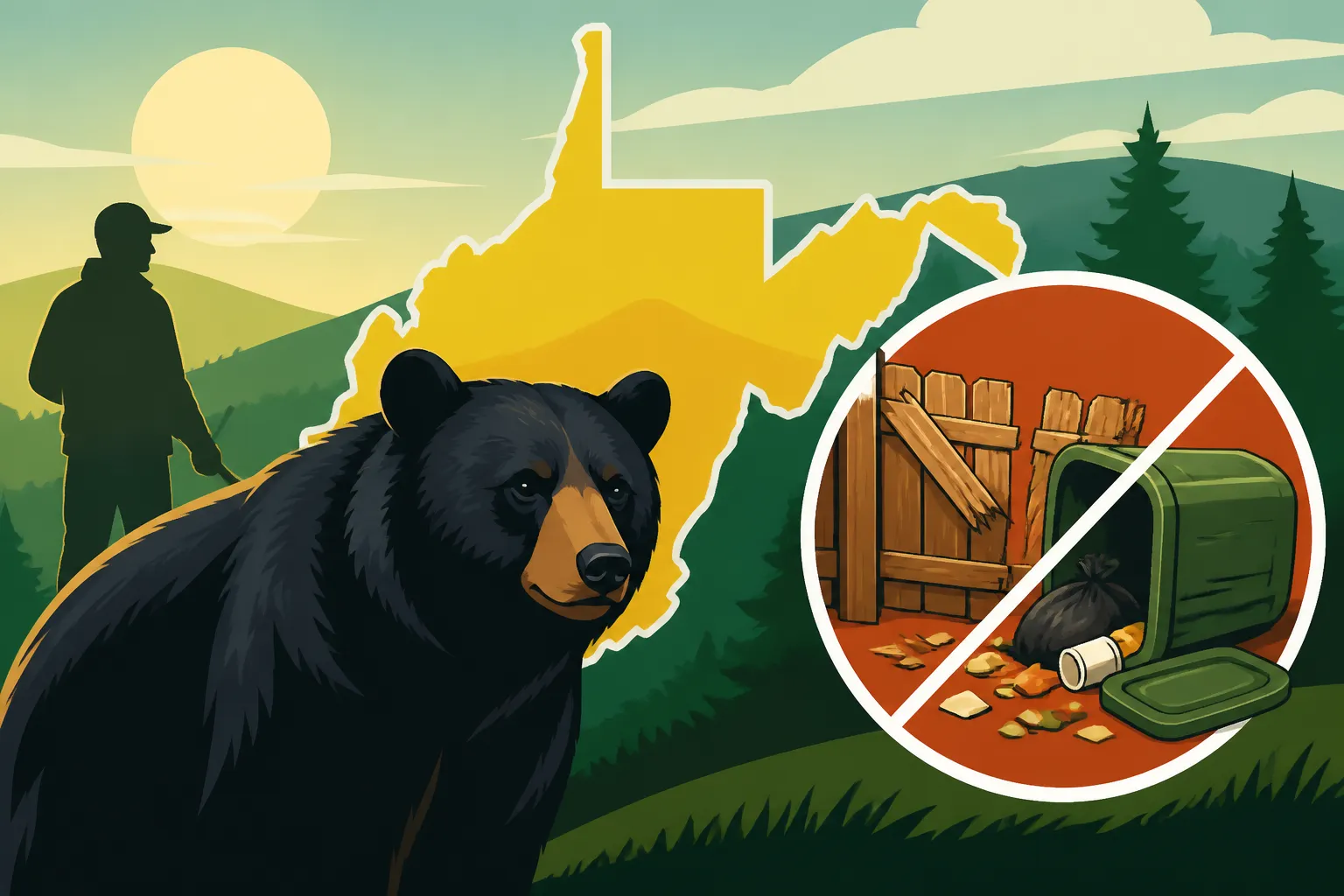
It's incredibly frustrating for West Virginia landowners when black bears become more than just a fleeting wildlife sighting, turning instead into a costly nuisance. Whether they're raiding beehives, tearing up cornfields, or damaging outbuildings, the destruction can be substantial and disheartening. This comprehensive guide is here to walk you through everything you need to know about West Virginia's landowner bear damage permits, helping you understand your options and how to protect your property.
What Are West Virginia Landowner Bear Damage Permits?
Dealing with persistent wildlife damage can feel like an uphill battle, especially when you're trying to manage your land, crops, or livestock. In West Virginia, black bear populations have seen a remarkable resurgence over the years, which, while a testament to conservation efforts, also means more encounters and, unfortunately, more potential for conflict. This is where the West Virginia Division of Natural Resources (WVDNR) steps in with a specific tool for landowners facing significant bear-related property damage: the Landowner Bear Damage Permit.
Understanding the Need for Damage Permits
Imagine waking up to find your carefully tended cornfield flattened, or your beehives, a source of income, completely destroyed by a bear looking for an easy meal. These aren't isolated incidents; they're real problems many folks across the Mountain State grapple with. While the sight of a bear can be thrilling, sustained damage can quickly turn charming wildlife into a serious financial burden and safety concern. Regular hunting seasons, while effective for population management, might not always align with the timing or specific location of a landowner's problem. For instance, if a bear is repeatedly destroying property outside of the official bear season, or in an area where hunting isn't practical or safe, a different solution is needed. That's precisely why these damage permits exist – to offer a targeted, legal means for landowners to address specific, documented bear depredation when other options fall short. The goal is to mitigate economic loss and potential safety hazards, not to engage in recreational hunting.
The Role of the WVDNR
The WVDNR plays a crucial role in managing West Virginia's diverse wildlife, including its thriving black bear population. They are the governing body responsible for issuing these damage permits, but it's not a decision taken lightly. Their primary objective is to balance wildlife conservation with the needs and concerns of citizens. When a landowner applies for a bear damage permit, the WVDNR investigates the claim thoroughly. They want to ensure that the damage is indeed caused by a bear, that it's significant, and that non-lethal deterrents have been attempted or are simply not feasible. The WVDNR wildlife biologists and conservation officers are the experts on the ground, assessing situations and determining the most appropriate course of action. They understand that a healthy bear population is vital for the ecosystem and for the hunting heritage of the state, but they also recognize the legitimate hardships faced by landowners. This balance is critical, and the permit system is designed to address those urgent, specific conflicts. If you're encountering consistent bear issues, contacting the WVDNR is always the first and most important step to understand your options, including the possibility of obtaining a West Virginia Nuisance Bear Reporting Rules permit.
Eligibility and Application Process for Bear Damage Permits
Navigating the process for a West Virginia Landowner Bear Damage Permit can seem a bit daunting, but it's designed to ensure that these permits are issued responsibly and only when truly necessary. It's not a general license to remove bears, but a specific remedy for documented damage. Understanding the eligibility criteria and following the application steps meticulously will greatly improve your chances of a successful outcome.
Defining "Significant Damage"
Before you even think about applying, it's essential to understand what the WVDNR considers "significant damage." This isn't just a casual sighting or a tipped-over garbage can. We're talking about tangible, often recurring, economic losses directly attributable to a black bear. Common examples include:
- Agricultural Crop Destruction: Bears are notorious for raiding cornfields, flattening stalks, and consuming ears. They can also damage orchards, vineyards, and other cultivated crops.
- Livestock Depredation: While less common than with coyotes, bears can occasionally prey on small livestock like sheep, goats, or poultry.
- Beehive Destruction: This is one of the most frequent and devastating forms of bear damage. Bears will tear apart beehives to get at honey and larvae, causing complete destruction and significant financial loss for beekeepers.
- Property Damage: This can include damage to outbuildings, fences, grain storage, or even occasionally residential structures, particularly if food sources are involved.
The key is that the damage must be documented and clearly linked to bear activity. Fresh tracks, scat, claw marks, and photographic evidence are all critical. The WVDNR will assess the extent of the damage, considering both its monetary value and its impact on your livelihood or property. A single incident might not qualify, but repeated occurrences demonstrating a pattern of damage will strengthen your case.
Step-by-Step Application Guide
Once you've determined that you're experiencing significant bear damage, the application process begins with contacting the WVDNR. Here's a general outline of what to expect:
- Initial Contact: Your first step should always be to call your local WVDNR district office or the main WVDNR Wildlife Resources Section. Explain your situation, detailing the type of damage, when it occurred, and any evidence you've collected. This is also a good time to ask about West Virginia Nuisance Bear Reporting Rules, as sometimes reporting alone can lead to assistance or advice.
- Documentation Gathering: Start collecting evidence immediately. Take clear photographs or videos of the damage, bear tracks, scat, or any other signs of bear presence. Note the dates and times of incidents. The more evidence you have, the stronger your case will be.
- WVDNR Assessment: A WVDNR wildlife biologist or conservation officer will likely schedule an on-site visit to your property. They will inspect the damage, confirm it's bear-related, and discuss the history of incidents. This visit is crucial for validating your claim.
- Discussion of Deterrents: The WVDNR official will discuss any non-lethal deterrents you've tried or could implement. This might include electric fencing, improved food storage, scare tactics, or removing attractants. In many cases, they prefer to exhaust these options before issuing a lethal permit.
- Permit Issuance (if approved): If the WVDNR determines that significant damage is occurring and that non-lethal methods are insufficient or impractical, they may issue a bear damage permit. This permit will specify the conditions under which a bear can be taken, including the timeframe, location, and sometimes the method.
It's important to approach this process with patience and cooperation. The WVDNR staff are there to help and ensure that wildlife management is carried out responsibly. While it might be frustrating when you just want the problem gone, their diligence protects both landowners and the state's valuable bear resource. For landowners using tools like GoHunt, you might find their mapping features helpful in identifying specific areas of damage on your property for reporting purposes.
Required Documentation and On-Site Visits
To ensure the integrity of the damage permit system, the WVDNR requires thorough documentation and often conducts mandatory on-site visits. This isn't just red tape; it's a vital part of verifying the problem and tailoring the best solution.
When preparing for an application, consider having the following readily available:
- Photographic/Video Evidence: High-quality images or video clips of the damaged property, showing clear signs of bear activity (tracks, scat, fur, claw marks, overturned hives, flattened crops). Date-stamped photos are particularly helpful.
- Written Log: A detailed log of all incidents, including dates, times, types of damage, and estimated financial losses. This helps establish a pattern of depredation.
- Location Information: Clear directions to your property and specific locations where damage has occurred. Using a mapping application like GoHunt can be incredibly useful for marking exact coordinates or outlining affected areas on your property.
- Proof of Ownership/Residency: Documentation proving you are the landowner or legal resident responsible for the property.
During the on-site visit, a WVDNR conservation officer or biologist will walk your property with you, examining the damage firsthand. They'll look for corroborating evidence, assess the suitability of the location for taking a bear (considering safety for neighbors, etc.), and discuss the history of bear activity. They might also suggest specific non-lethal methods to try before resorting to a lethal permit. For instance, they might advise on proper electric fence installation or secure food storage practices if they see attractants. This personal interaction ensures that the WVDNR has a complete picture of your situation and can make an informed decision about issuing a permit. Remember, the permit is typically a last resort after other preventative measures have failed or are deemed impractical.
Rules and Restrictions for Damage Permit Holders
Being granted a West Virginia Landowner Bear Damage Permit isn't an open invitation to hunt bears at will. These permits come with very specific rules and restrictions designed to ensure the ethical and legal removal of nuisance animals, distinct from recreational hunting. It's paramount for permit holders to understand and adhere to these regulations to avoid legal repercussions and to ensure the proper management of the state's bear population, which has seen an incredible West Virginia Black Bear Comeback.
Legal Methods of Bear Removal
The WVDNR will stipulate the acceptable methods for taking a bear under a damage permit, and these can vary based on the specific circumstances and location. Generally, the permit will authorize the use of standard hunting weapons, such as a firearm (rifle, shotgun, handgun) or archery equipment, during daylight hours. However, there might be specific restrictions. For instance:
- Weapon Type: The permit may specify which types of firearms or archery equipment are permitted, potentially excluding certain calibers or arrowheads if deemed inappropriate for the situation.
- Time of Day: Typically, taking a bear under a damage permit is restricted to daylight hours, similar to regular hunting seasons, to ensure clear identification and safe conditions.
- Location: The permit will be strictly tied to the property where the damage is occurring. You cannot take a bear on adjacent properties or elsewhere in the county without specific authorization.
- Baiting: In some instances, if approved by the WVDNR, baiting may be authorized to draw the problem bear into a position where it can be safely and legally dispatched. This is a critical point, as baiting for bears is usually prohibited during regular hunting seasons unless explicitly allowed under special circumstances for damage control.
It's crucial to read your specific permit carefully and understand every condition. Deviating from these methods could lead to fines, permit revocation, and other legal penalties. The intent is to remove the specific nuisance bear causing damage, not to provide a general hunting opportunity.
Reporting Requirements and Carcass Disposal
Taking a bear under a damage permit comes with strict reporting and carcass disposal requirements. These steps are vital for the WVDNR's ongoing data collection and to ensure the legal and ethical handling of the animal.
- Immediate Reporting: As soon as a bear is taken, the permit holder is typically required to notify the WVDNR within 12 to 24 hours, often by phone. This is not just a courtesy; it's a legal obligation. The WVDNR needs to know that the bear has been removed and will provide instructions for the next steps. This is consistent with the general West Virginia Bear Checking Requirements for all harvested bears.
- Checking the Bear: Similar to bears harvested during regular hunting seasons, bears taken under a damage permit must be "checked" with the WVDNR. This involves reporting specific details about the harvest, such as the date, time, location, sex, and weight of the bear. A WVDNR official may inspect the carcass. This data helps the WVDNR track the West Virginia bear population estimate and assess the effectiveness of damage control measures.
- Carcass Disposal: The permit will outline specific instructions for carcass disposal. Generally, the meat from a bear taken under a damage permit can be retained by the landowner for consumption, similar to any legally harvested game. However, the WVDNR may require specific parts of the bear (e.g., a tooth for aging) for biological data collection. If the landowner does not wish to keep the meat, the WVDNR may have protocols for disposal or donation. Under no circumstances should a bear carcass be simply left to rot or disposed of improperly, as this could attract other scavengers or cause public health issues. Adhering to these requirements is critical for demonstrating responsible wildlife management.
Duration and Limitations of the Permit
West Virginia Landowner Bear Damage Permits are not open-ended and come with distinct limitations on their validity and scope. They are highly targeted solutions, not a permanent license to remove bears.
Typically, a bear damage permit will have:
- A Specific Timeframe: The permit will only be valid for a certain period, often a few weeks or months, corresponding to when the damage is most likely to occur or when the WVDNR expects the nuisance bear to be present. This short window encourages prompt action and prevents the permit from being used long after the initial problem has subsided.
- Limited Number of Bears: Most permits are issued for the removal of a single problem bear. It is not an authorization to take multiple bears or to reduce the general bear population on your property. If another bear later causes new, significant damage, a new application process would likely be required.
- Location Specificity: The permit is strictly for the property address where the damage was assessed. It cannot be used on other parcels of land you own or manage, even if they are nearby, without explicit amendment or a new permit application.
- No Commercial Value: Bears taken under a damage permit cannot be sold, bartered, or used for commercial purposes. The primary goal is damage abatement, not financial gain.
Understanding these limitations is essential. A damage permit is a privilege, granted for a specific purpose under strict conditions, and it reflects the WVDNR's commitment to both wildlife conservation and landowner assistance. Responsible use of these permits helps ensure their continued availability for those truly in need.
Preventative Measures and Other Bear Management Options
While West Virginia Landowner Bear Damage Permits are a vital tool for dealing with nuisance bears, they should ideally be a last resort. Proactive steps and understanding the broader context of bear management can often prevent problems from escalating to the point where a permit is needed. With How Many Black Bears West Virginia Has Today and their populations growing, coexistence is key.
Non-Lethal Deterrents and Habitat Modification
The best defense against bear damage is often a good offense through prevention. Many landowners find success with a combination of non-lethal deterrents and thoughtful habitat modification. This approach aims to make your property less attractive to bears or to create barriers that keep them away.
Here are some effective strategies:
-
Secure Food Sources: This is paramount. Bears are opportunistic foragers, and easy access to food is their biggest draw.
- Garbage: Store trash in bear-resistant containers, sheds, or garages. Put trash out on the morning of pickup, not the night before.
- Pet Food: Feed pets indoors or remove outdoor food bowls immediately after feeding.
- Grills: Clean outdoor grills thoroughly after each use, burning off food residue.
- Bird Feeders: Take bird feeders down at night, or better yet, during bear season entirely. Bears are very attracted to birdseed.
- Compost Piles: Avoid composting meat, bones, or dairy products. Use enclosed compost bins.
- Gardens/Orchards: Harvest fruits and vegetables promptly. Clear fallen produce regularly.
-
Electric Fencing: For high-value attractants like beehives, chicken coops, or cornfields, electric fencing is often the most effective deterrent. A properly installed electric fence, powered by a high-voltage, low-impedance charger, delivers a memorable, harmless shock that teaches bears to avoid the area. WVDNR often provides guidance on setting up effective fences.
-
Visual and Auditory Deterrents: While less effective long-term for habituated bears, things like motion-activated lights, loud noises (air horns, radios), or even scarecrows can sometimes work for a short period to deter curious bears.
-
Habitat Modification: Consider planting less attractive crops near property lines, or removing dense cover that bears might use to approach undetected. Managing forest edges can also play a role, as bears are increasingly comfortable with Bear Encounters Around Highlands Cabins.
Implementing these strategies requires effort and consistency, but they can significantly reduce the likelihood of bear damage, often negating the need for a damage permit.
Seeking Professional Assistance
You don't have to face nuisance bear problems alone. The WVDNR is your primary resource for professional assistance and expert advice. Their wildlife biologists and conservation officers are well-versed in bear behavior and management techniques.
When you contact them, they can:
- Assess Your Situation: They can help identify what might be attracting bears to your property and assess the actual cause of damage.
- Offer Expert Advice: They can provide tailored recommendations for non-lethal deterrents specific to your property and the bear's behavior. They might suggest installing electric fencing, securing attractants, or using scare tactics.
- Provide Technical Support: In some cases, WVDNR staff might be able to offer direct assistance with setting up deterrents, or at least guide you through the process.
- Trap and Relocate (Rarely): While relocation is often perceived as a simple solution, it's actually rarely effective for nuisance bears and can be very stressful for the animal. Bears have incredibly strong homing instincts and often return to their original territory, or simply become a nuisance in a new location. Therefore, the WVDNR typically reserves trapping and relocation for very specific situations, often involving public safety concerns in urban or suburban areas, and generally not for routine property damage. This is why understanding West Virginia Bear Denning Behavior and their territorial instincts is important.
Reaching out to the WVDNR early can often resolve issues before they become severe enough to warrant a damage permit. They are the best source of up-to-date information and regulations concerning bear management in the state.
Considering Regular Hunting Seasons
For landowners experiencing bear activity, even without severe damage, it's worth understanding West Virginia's regular bear hunting seasons. The state has a robust and generally West Virginia's Liberal Bear Season Rules, which serves as the primary tool for managing the bear population.
- Population Control: Regulated hunting helps keep bear numbers in check, which can naturally reduce the overall incidence of human-bear conflicts.
- Timing: West Virginia's bear seasons are structured to offer opportunities in both the fall and early winter, often overlapping with deer seasons. Understanding these dates can sometimes provide a solution, as hunting pressure can move bears off properties, or a problem bear might be legally harvested. Check the WVDNR regulations for specific county and statewide seasons.
- Landowner Opportunity: If you are a landowner who hunts, or you permit others to hunt on your property, utilizing the regular bear season can be an effective way to manage bear presence. Hunting West Virginia's Liberal Bear Season is a popular activity for many residents and non-residents alike. This proactive approach might help reduce the number of bears in your area, potentially preventing future damage.
- Harvest Limits: Hunters are subject to bag limits and must follow all regulations, including checking requirements. These recreational harvests contribute significantly to the overall management of the White-Tailed Deer Across West Virginia and bear populations.
By understanding and potentially utilizing the regular hunting seasons, landowners can be part of the broader wildlife management strategy, sometimes preventing the need for a specific damage permit. It's another tool in the toolbox for managing interactions with West Virginia's impressive black bear population.
Bear Damage Permit Process at a Glance
For a quick reference, here's a summary of the typical steps involved in obtaining and utilizing a West Virginia Landowner Bear Damage Permit:
| Step | Description | Key Considerations |
|---|---|---|
| 1. Identify Damage | Observe and confirm significant property damage (crops, livestock, beehives, property) caused by black bears. Gather initial evidence. | Crucial: Must be significant and documented bear damage, not just sightings or minor nuisances. |
| 2. Contact WVDNR | Call your local WVDNR office or the Wildlife Resources Section. Report the damage and explain the situation. | This is the first official step. Be prepared to describe the damage, frequency, and location. |
| 3. Document Evidence | Continue to collect detailed evidence: date-stamped photos/videos of damage, tracks, scat, claw marks. Keep a log of incidents and estimated losses. | The more thorough your documentation, the stronger your case. |
| 4. On-Site Assessment | A WVDNR official will schedule and conduct an on-site visit to verify damage, assess attractants, and discuss non-lethal deterrents you've tried or could implement. | Be cooperative and ready to walk the property, showing all affected areas. |
| 5. Permit Issuance (If Approved) | If non-lethal methods are deemed insufficient or impractical, and damage is verified as significant, the WVDNR may issue a permit specifying conditions (timeframe, methods, location, number of bears). | Permit is highly specific. Read and understand all stipulations carefully. |
| 6. Bear Removal | If authorized, the landowner removes the problem bear according to the permit's exact specifications. | Strict adherence to permit conditions (weapon, time, location) is mandatory. |
| 7. Report & Check Bear | Immediately notify the WVDNR (within 12-24 hours) after taking the bear. The bear must be checked according to WVDNR protocols. | Legal requirement for data collection and proper management. Follow WVDNR instructions precisely. |
| 8. Carcass Disposal | Dispose of the bear carcass according to WVDNR instructions. Typically, meat can be kept; specific parts may be required for WVDNR data. | Improper disposal can lead to further problems or legal issues. |
Disclaimer
The information provided in this guide is for general informational purposes only and does not constitute legal advice. Wildlife regulations, including those pertaining to landowner bear damage permits, can change. Always consult the most current regulations published by the West Virginia Division of Natural Resources (WVDNR) and speak directly with WVDNR officials for advice specific to your situation. Following the guidance of WVDNR personnel is paramount.