Why Grant County Joined the CWD List in 2025
It's never easy to hear news that changes the landscape of hunting, especially when it involves something as serious as Chronic Wasting Disease (CWD). For many of us who cherish our time afield in West Virginia, the announcement that Grant County has joined the growing list of CWD-positive areas in 2025 is a deeply unsettling development, bringing with it concerns about the health of our deer herd and the future of our hunting traditions. This guide aims to thoroughly explain why Grant County was added to this critical list, what it means for every hunter, and how we can all adapt to protect our beloved Mountain State whitetails.
The Unwelcome Spread of Chronic Wasting Disease in West Virginia
Chronic Wasting Disease is a serious, always-fatal neurological disease affecting deer, elk, and moose. It's caused by abnormal proteins called prions, not a virus or bacteria, and it slowly degrades an animal's brain, leading to behavioral changes, emaciation, and eventually, death. For years, West Virginia hunters hoped this devastating disease wouldn't take hold, but sadly, it has become an undeniable reality.
Tracing the Initial Outbreak and Containment Efforts
West Virginia's first confirmed case of CWD was detected in a deer harvested in Hampshire County back in 2005. This discovery sent shockwaves through the hunting community and immediately triggered the establishment of a CWD Containment Area by the West Virginia Division of Natural Resources (WVDNR). This area, initially centered around Hampshire County, was designed to closely monitor deer populations, implement specific hunting regulations, and attempt to control the spread of the disease. The goal was to limit deer movement out of the affected zone and to gather as much data as possible through mandatory checking and sampling. Understanding How CWD Spread From Hampshire County offers a clearer picture of the initial challenges and the proactive steps taken by the WVDNR.
The initial containment efforts focused on a combination of increased harvest opportunities to reduce deer density, mandatory CWD testing for deer harvested within the zone, and strict rules regarding the movement of deer carcasses and parts out of the area. These measures, while sometimes inconvenient for hunters, were absolutely crucial in an attempt to slow the progression of the disease and protect the state's broader deer herd.
The Elusive Nature of CWD and Its Impact on Deer
What makes CWD so challenging is its stealthy nature. Deer can be infected for months or even years before showing any outward signs of illness. During this incubation period, they can unknowingly transmit the prions to other deer through direct contact, saliva, urine, and feces, and even through contaminated soil and plants. The prions are incredibly resilient, persisting in the environment for extended periods, making eradication exceedingly difficult once established. The long-term impact on deer populations, as observed in other states, can be significant, leading to reduced herd health, lower fawn survival rates, and overall population declines. This threat touches the very core of Chronic Wasting Disease in West Virginia Deer and our hunting future.
The symptoms of CWD are heartbreaking to witness: extreme weight loss, stumbling, drooling, excessive urination and thirst, and a general lack of fear of humans. For hunters who value the health and vitality of the animals we pursue, the thought of seeing more deer suffering from this disease is profoundly disheartening.
The Specifics: How Grant County Landed on the CWD List in 2025
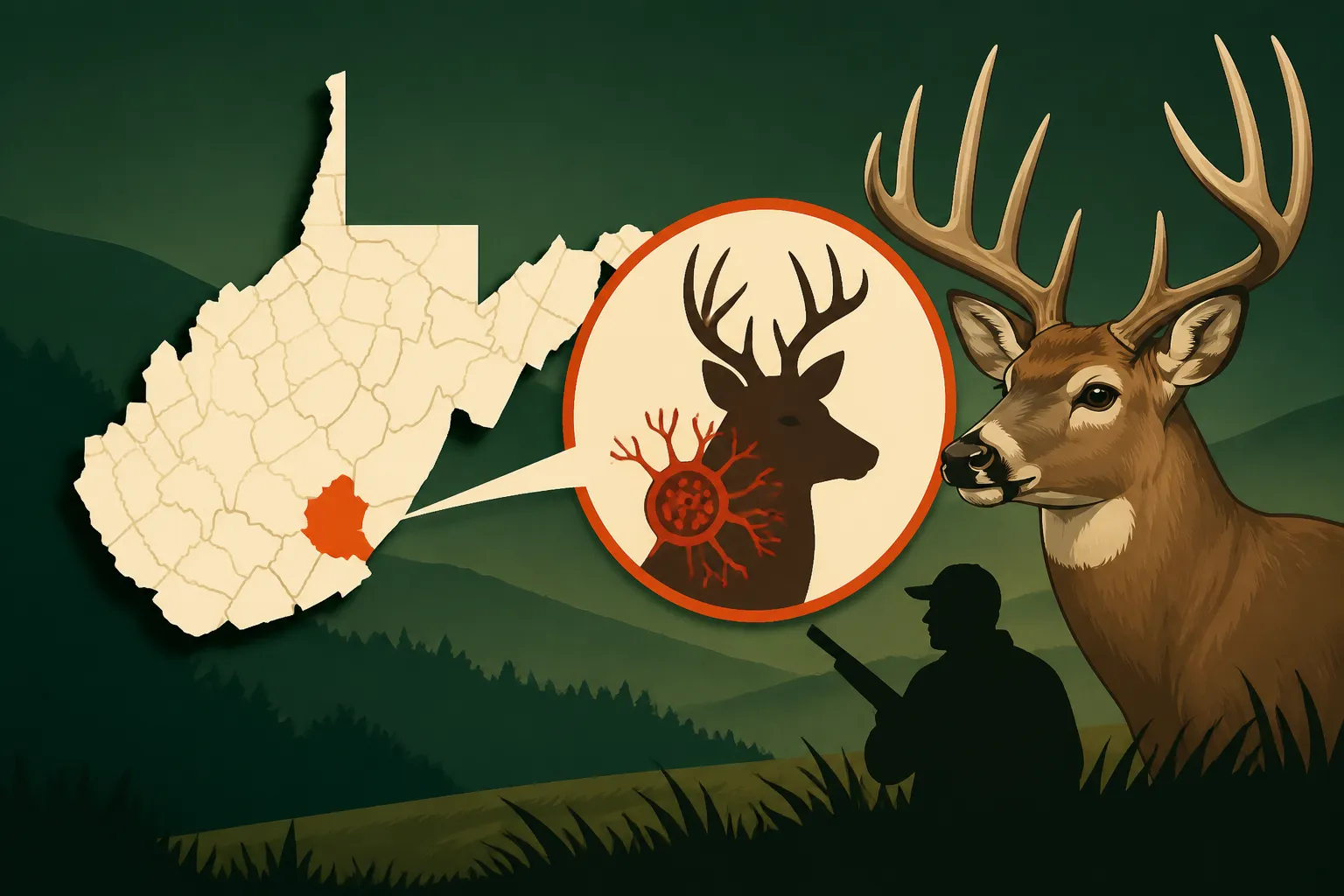
The expansion of CWD into new counties is a stark reminder of how persistent and challenging this disease is to manage. Grant County's official inclusion in the CWD-positive list for 2025 wasn't a sudden event but rather the culmination of diligent surveillance and, unfortunately, confirmed detections.
Uncovering New Positive Cases
The WVDNR has maintained a rigorous surveillance program throughout the state, especially in counties bordering or in close proximity to the existing CWD Containment Area. This program relies on multiple methods:
- Hunter-Submitted Samples: A significant portion of CWD testing comes from samples voluntarily submitted by hunters, or through mandatory check stations in designated areas. Hunters are truly the frontline in disease monitoring.
- Targeted Surveillance: WVDNR biologists also actively sample roadkill deer, as well as deer that appear sick or exhibit CWD-like symptoms.
- Research Projects: Ongoing research often involves collared deer studies, allowing scientists to track movement and collect samples more consistently.
For Grant County, the alarm bells started ringing when multiple deer harvested or found deceased within the county's boundaries tested positive for CWD prions. These weren't isolated incidents; rather, a pattern of positive confirmations over a period, coupled with the disease's known trajectory, provided the irrefutable evidence. While the exact number of deer that prompted the designation isn't always immediately publicized for new counties, each positive case is a grave indicator. The broader context of How Many Deer Have Tested CWD-Positive in West Virginia underscores the ongoing challenge across the affected regions.
These detections typically come from WVDNR-managed sampling stations or through veterinarian labs analyzing submitted tissue samples. The process is thorough, ensuring accuracy before any new county is officially added to the CWD list, which then triggers new regulations for that area.
Proximity, Geography, and Deer Movement
Grant County's geographical location made it particularly vulnerable to CWD's expansion. It shares borders with several counties that are already part of the CWD Containment Area, including Hampshire, Mineral, and Hardy counties. Deer, as we all know, don't adhere to county lines. They roam, following food sources, breeding cycles, and escape routes, often covering significant distances.
Consider the mountainous terrain and expansive forests that characterize this region, including segments of the Monongahela National Forest. This creates a vast, interconnected habitat where deer can move freely, making the natural transmission of prions between animals and through environmental contamination highly probable. A buck during the rut, for instance, might travel miles across these county borders in search of does, potentially picking up or dropping off prions along the way. Similarly, a doe establishing a new home range could unknowingly carry the disease into a previously unaffected area. The constant ebb and flow of deer populations across the landscape is a beautiful aspect of nature, but it also presents a formidable challenge for disease containment. For those who hunt these areas, understanding the lay of the land, especially through resources like GoHunt, is more important than ever. This helps visualize potential deer movement corridors and identify where you might be close to existing CWD zones.
What Grant County's CWD Status Means for You, the Hunter
The news about Grant County isn't just a biological update; it has direct, tangible implications for how we plan and execute our hunts. For hunters, new regulations are always a learning curve, and CWD zones introduce some of the most critical ones.
Navigating New Regulations and Mandatory Requirements
When a county like Grant is added to the CWD list, hunters need to be aware of immediate changes to hunting rules and responsibilities. These typically include:
- Mandatory CWD Testing: For certain seasons (often the opening weekend of buck gun season), or specific areas within the county, hunters may be required to submit their harvested deer for CWD testing at designated check stations. This is a critical data-gathering effort for the WVDNR. Knowing Mandatory Testing Inside the CWD Containment Area is now relevant for hunters in Grant County.
- Carcass Movement Restrictions: This is arguably the most significant change. To prevent further spread, the movement of certain deer carcass parts out of a CWD-positive county is strictly prohibited. This generally means you cannot transport the brain, spinal cord, or other high-risk tissues from an animal harvested in Grant County to an unaffected county. Hunters often need to debone their deer or process it fully within the county of harvest, leaving problematic parts behind. If you're a nonresident or live just outside the county, this will fundamentally change your post-harvest routine. For detailed guidance, you'll need to know Moving a Deer Carcass Out of the Containment Area.
- Special Disposal Requirements: Where you dispose of carcass waste matters. The WVDNR provides guidance on proper disposal methods within CWD-positive areas to prevent environmental contamination.
- Reporting Requirements: Always be diligent with West Virginia Deer Reporting Requirements. When CWD is a factor, accurate reporting is even more crucial for disease management.
It's paramount for every hunter planning to hunt in Grant County, or any CWD-affected area, to check the latest WVDNR regulations before the season. These rules can be updated annually based on new data and disease progression. A quick look at the WVDNR website, or utilizing digital mapping applications like GoHunt that integrate official hunting zone information, can save you a lot of headache and keep you compliant.
Here's a simplified overview of typical CWD county regulations:
| Regulation Aspect | Standard Counties (No CWD) | CWD-Positive Counties (e.g., Grant, Hampshire, Mineral) |
|---|---|---|
| CWD Testing | Voluntary; check for specific research requests | Often mandatory for certain seasons/areas; targeted surveillance |
| Carcass Movement | Unrestricted movement of whole carcasses | Restrictions on high-risk parts (brain, spinal cord) leaving the county |
| Carcass Disposal | Bury/dispose responsibly | Specific recommendations to prevent environmental contamination within the county |
| Antlerless Tags | County-specific bag limits and seasons | May be adjusted to manage deer density |
| Reporting Sick Deer | Encouraged | Highly encouraged; critical for WVDNR monitoring |
| Processed Meat/Hides/Antlers | No restrictions, assuming proper processing | Allowed to leave county, as these are low-risk; must be properly cleaned |
| Finding Sampling Station | Not applicable for mandatory sampling | Essential to know locations for mandatory checks (e.g., Finding a West Virginia CWD Sampling Station) |
Adapting Your Hunting Approach
Beyond the regulations, Grant County's CWD status calls for a mindful shift in your actual hunting practices. This isn't just about compliance; it's about being a responsible conservationist.
- Scouting and Awareness: Before you even set foot in the woods, use every tool at your disposal. Online mapping platforms like GoHunt can help you delineate county lines and WMA boundaries, ensuring you know exactly where you're hunting and what regulations apply. Check WVDNR maps for specific CWD zones. Being aware of areas with known CWD prevalence can help inform your decision-making. You can gain valuable insights by Scouting West Virginia Public Land Before Season.
- Field Dressing and Carcass Handling: If you harvest a deer in Grant County, be prepared to do a thorough field dressing right where the animal drops, or as close as possible. This minimizes the risk of spreading prions. Practice the "gutless method" if you're comfortable with it, or at least leave the high-risk brain and spinal column in the county of kill. This knowledge of handling a deer after the shot becomes even more crucial. When you're dealing with Handling Venison From a CWD Containment Area, it's good to know that the meat itself is considered low-risk, but proper butchering is essential.
- Equipment Sanitation: CWD prions are notoriously difficult to destroy. Regularly clean and sanitize your knives, saws, and other processing tools with a bleach solution (e.g., 50/50 bleach and water) after handling deer, especially those from a CWD-positive area. This helps prevent cross-contamination.
- Targeting Opportunities: The WVDNR may adjust antlerless harvest opportunities in CWD counties as part of their management strategy to reduce deer density, which is believed to help slow the spread of the disease. Pay close attention to West Virginia Deer Season Structure Explained for any specific changes in bag limits or season dates for Grant County.
- Reporting Sick Deer: This cannot be stressed enough. If you observe a deer exhibiting any CWD symptoms—extreme weight loss, drooling, unusual behavior—do not harvest it. Instead, immediately report the sighting to the WVDNR. They need this information to track the disease and conduct targeted testing.
Looking Ahead: Protecting West Virginia's Deer Hunting Future
The addition of Grant County to the CWD list is a difficult pill to swallow, but it doesn't mean the end of deer hunting in the region. It does, however, underscore the need for continued vigilance, adaptive management, and the collective efforts of the hunting community.
The Role of Hunter Vigilance and Reporting
As hunters, we are often the first to notice changes in the environment and the health of wildlife. Our eyes and ears in the woods are invaluable. Remaining vigilant for signs of CWD and promptly reporting any suspicious deer sightings to the WVDNR is absolutely critical. This active participation is a cornerstone of West Virginia Wildlife Disease Monitoring and helps biologists gather vital information. Don't assume someone else will report it; take the initiative. Your observation could be key to understanding where the disease is spreading and how quickly.
We all share a responsibility to be educated about CWD, understand the regulations, and follow best practices for carcass handling and disposal. This isn't just about compliance; it's about being stewards of the land and the wildlife we cherish.
Long-Term Management Strategies and Hope
The WVDNR, like wildlife agencies in other states facing CWD, is continually researching, collaborating, and adapting its management strategies. This includes monitoring disease prevalence, adjusting harvest quotas, studying deer movement patterns, and educating the public. While there's currently no cure or vaccine for CWD, these proactive management efforts are the best tools we have to mitigate its impact.
The hope lies in our collective ability to adapt, learn, and commit to responsible hunting practices. By staying informed, following regulations, and supporting the WVDNR's efforts, we can contribute to maintaining a healthy and sustainable deer population in West Virginia, ensuring that future generations can experience the profound joy and tradition of deer hunting in our beautiful state. The challenges are real, but so is the dedication of West Virginia's hunting community.
Disclaimer
The information provided in this guide is for general informational purposes only and is not intended as legal advice. Hunting regulations, including those pertaining to Chronic Wasting Disease, can change frequently. Hunters are solely responsible for checking and complying with all current West Virginia Division of Natural Resources (WVDNR) regulations and laws before participating in any hunting activities. Always refer to the official WVDNR hunting regulations for the most up-to-date and accurate information.