How Many West Virginia Counties Have Found CWD
There's a cloud hanging over the heads of deer hunters in West Virginia, and it's not just the mountain fog rolling through the hollows. We're talking about Chronic Wasting Disease (CWD), a relentless neurological disease that's quietly, but surely, spreading among our beloved whitetails. It's a frustrating, heartbreaking reality for those of us who cherish our hunting heritage and the health of our deer herd. This guide is here to cut through the confusion and give you the definitive, up-to-date picture of how many West Virginia counties have unfortunately detected CWD, and what that means for you as a hunter.
The Troubling Spread of Chronic Wasting Disease in West Virginia
The news of CWD hitting West Virginia was a gut punch to the hunting community. It’s a disease with no known cure, always fatal, and its presence changes everything about how we hunt and manage deer. It’s not just a wildlife issue; it’s a community issue that touches every hunter’s camp and deer processor in the state. We’ve watched with a mix of dread and vigilance as the map of affected counties slowly but steadily expands.
Tracing the Initial Discovery and Early Containment Efforts
It feels like just yesterday, but it was back in 2016 when the alarm bells first rang. The initial detection of CWD in West Virginia occurred in Hampshire County. It was a somber day for the West Virginia Division of Natural Resources (WVDNR) and for every hunter who understood the gravity of the situation. Hampshire County became ground zero, a place where a lot of hope turned into a lot of hard work. The disease, as we all know, is caused by prions—abnormal proteins that essentially turn a deer's brain into a sponge. It can spread through direct animal-to-animal contact or indirectly through contaminated environments, making it incredibly difficult to contain once established.
Following that initial discovery, the WVDNR immediately sprang into action. They established an initial CWD Containment Area, primarily centered around Hampshire County, with strict regulations aimed at preventing the further spread. It felt like an uphill battle from day one, trying to keep a lid on something so insidious. For hunters, it meant new rules, more checks, and a whole lot of uncertainty. The focus was on intensive sampling and surveillance, hoping to get a clearer picture of the extent of the infection and to manage the herd within that initial hotspot. If you want to dive deeper into how this all started, you can read about Why Hampshire County Became West Virginia's CWD Ground Zero.
Understanding the CWD Containment Area and its Expansion
The concept of a CWD Containment Area isn't just a fancy name; it's a critical management tool, albeit one that brings significant changes for hunters. When CWD is detected in a county, that county, and often its immediately surrounding counties, are designated as part of a CWD Containment Area. This allows the WVDNR to implement special regulations to monitor the disease and hopefully slow its spread. These regulations include things like mandatory sampling, carcass transport restrictions, and often altered bag limits to manage deer populations. It's a tough pill to swallow for hunters who've been doing things the same way for decades, but it's all in the interest of protecting the broader deer herd.
Initially, the Containment Area primarily focused on Hampshire County and portions of its neighbors. However, as more positive cases emerged from diligent testing, the area had to expand. This isn't just about a single deer testing positive; it often leads to a larger swath of land being brought under CWD regulations, impacting a wider range of hunting grounds and communities. It's a constant, evolving challenge for the WVDNR and for us hunters. Understanding How West Virginia's CWD Containment Area Works is essential for anyone hunting in or near these zones.
A County-by-County Breakdown of CWD Detections
The most pressing question for many hunters is, "Is my county affected?" or "Where can I hunt without worrying about CWD rules?" It's a valid concern, as the boundaries of these containment areas directly dictate how you prepare for your hunt, where you can process your deer, and even what you can bring home. The WVDNR's efforts in surveillance are continuous, and unfortunately, this means the list of affected counties has grown since CWD first appeared.
The Current List of Affected Counties (and How It Keeps Growing)
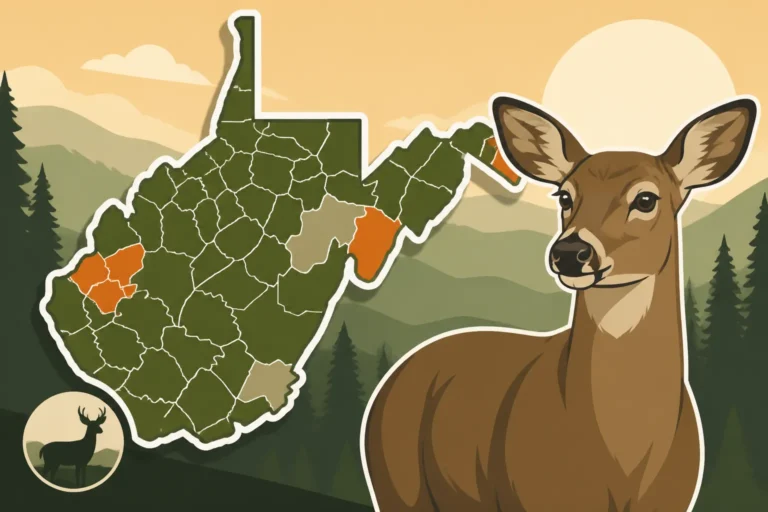
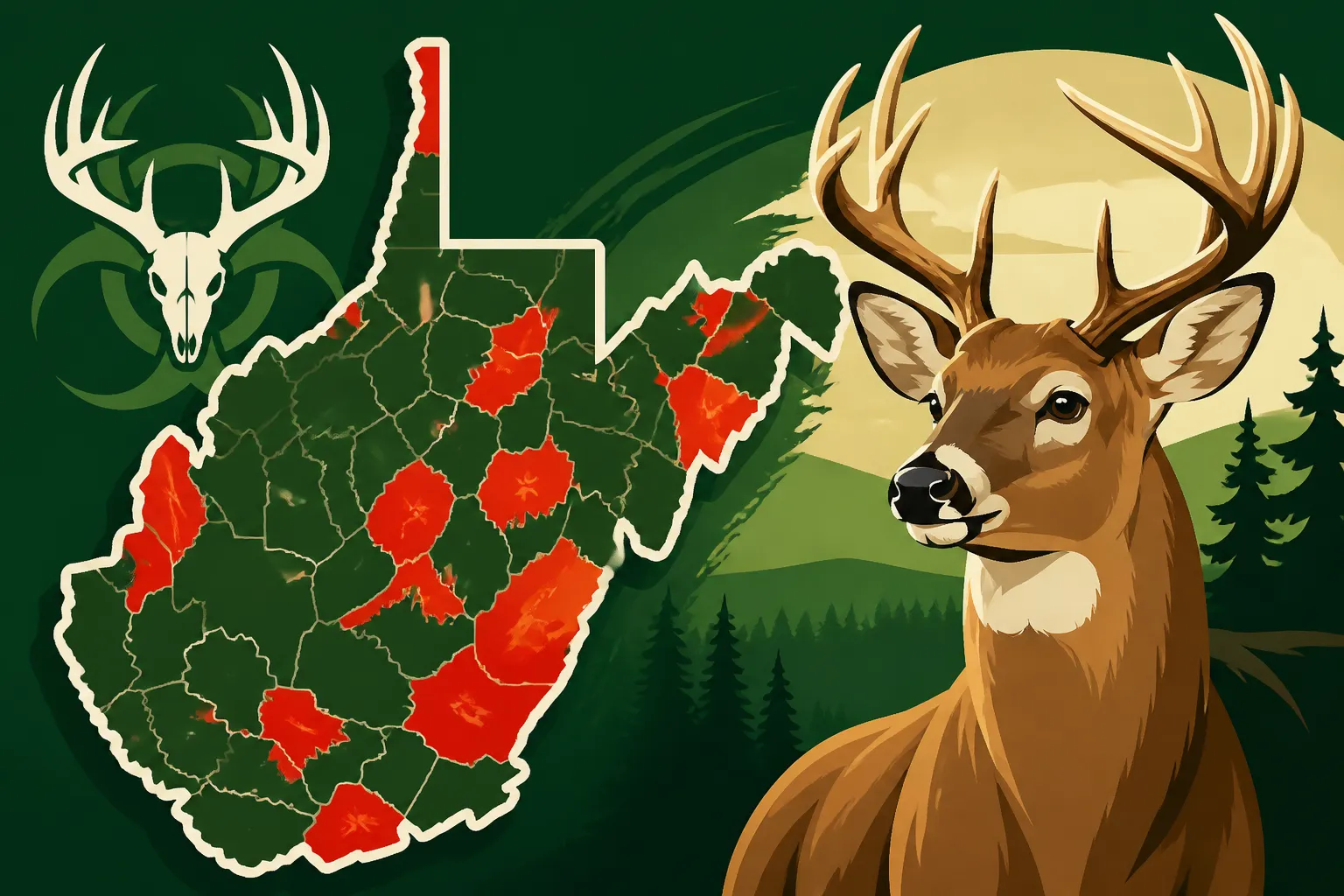
As of my last check, West Virginia has expanded its CWD containment area to include several counties, reflecting the ongoing battle against this disease. What started with one county has unfortunately spread, primarily in the northeastern part of the state, but also reaching further south.
Here is the current list of West Virginia counties that have confirmed CWD detections and are part of the CWD Containment Area:
| County | Initial CWD Detection Year | Primary Method of Detection | Current Status in Containment Area |
|---|---|---|---|
| Hampshire | 2016 | Hunter-harvested sample | Core CWD Containment Zone |
| Hardy | 2018 | Hunter-harvested sample | Core CWD Containment Zone |
| Morgan | 2018 | Hunter-harvested sample | Core CWD Containment Zone |
| Berkeley | 2020 | Hunter-harvested sample | Core CWD Containment Zone |
| Mineral | 2021 | Hunter-harvested sample | Core CWD Containment Zone |
| Randolph | 2023 | Hunter-harvested sample | New Addition, Expanding Zone |
| Grant | Anticipated 2025 | Hunter-harvested sample | Forthcoming Expansion to CWD Zone |
Please note that the WVDNR continuously monitors and updates this information. Always check the latest WVDNR regulations before heading afield, or use a reliable mapping application like GoHunt to see up-to-date boundaries and regulations.
The process of confirming a CWD case in a new county is meticulous. It typically starts with a hunter harvesting a deer that either looks sick or is located in a high-risk area. The hunter submits a sample (usually lymph nodes) for testing at a WVDNR CWD sampling station. If that sample comes back positive, extensive follow-up surveillance is conducted in the surrounding area. It's a slow, painstaking process that relies heavily on hunter cooperation. When a new county is added to the list, like Why Grant County Joined the CWD List in 2025, it triggers a whole new set of rules and changes for the local hunting community. It's a stark reminder that CWD is not static; it's a moving target, and we all have to adapt. Many hunters use apps like GoHunt to keep a close eye on these county boundaries and the associated regulations, as they can literally change how you plan your hunt.
Why Certain Regions are More Susceptible to CWD Spread
The pattern of CWD spread in West Virginia isn't random. There are distinct geographical and ecological factors that play a significant role in where the disease takes hold and how quickly it spreads. Understanding these factors can give us a better idea of why some regions are more susceptible than others, and what might be next.
Firstly, deer density is a huge factor. Areas with high deer populations naturally increase the chances of direct contact between animals, facilitating transmission. The Eastern Panhandle, for example, is known for its robust deer herds, making it a prime candidate for CWD to establish and spread. Landscape features also play a part. River valleys and low-lying areas, where deer often congregate, can become hotbeds for CWD. The prions can persist in soil for years, meaning that once an area is contaminated, it remains a risk. Conversely, steep, rugged Allegheny ridges, while still holding deer, might see slower spread due to more dispersed populations and natural barriers to movement.
Another critical factor is human activity, specifically hunter movement patterns. When hunters harvest deer in a CWD-positive area and then transport the entire carcass, or even parts that contain prions (like brain or spinal cord material), to a new, unaffected county, they inadvertently risk spreading the disease. This is precisely why carcass movement restrictions are so vital. Historically, the disease has spread from How CWD Spread From Hampshire County, moving outward into adjacent counties like Hardy, Morgan, Berkeley, and Mineral, which share similar deer populations and geographical characteristics. Even remote areas like Randolph County eventually saw detection, emphasizing that no part of the state is truly immune if conditions allow for transmission.
The Impact of CWD on Hunting Regulations and Practices
CWD isn't just a biological problem; it's a regulatory earthquake for hunters. The WVDNR has had to implement a host of new rules and guidelines, turning established hunting practices upside down for many. It's a lot to keep track of, and it often means extra work and planning for what used to be a straightforward trip afield.
Mandatory Testing and Carcass Restrictions in CWD Zones
For hunters pursuing deer in a CWD Containment Area, the rules change significantly. One of the most impactful changes is the implementation of mandatory CWD testing. This means that if you harvest a deer in certain CWD-positive counties during specific periods, you might be required to submit its head for testing. It’s an extra step, sometimes an inconvenience, but it’s crucial for tracking the disease's prevalence and spread. You can find detailed information on West Virginia CWD Testing for Hunters on the WVDNR website. They typically set up CWD sampling stations at various locations during the hunting season, making it easier for hunters to comply. Sometimes, you can use online platforms like GoHunt to locate these testing stations on a map.
Perhaps even more frustrating for many hunters are the carcass movement restrictions. Imagine harvesting a beautiful buck in Berkeley County, only to be told you can't take the entire carcass home to your camp in Greenbrier County. The rules generally state that only deboned meat, clean antlers, hides without head, and skull plates cleaned of all tissue can be transported out of a CWD Containment Area. This is to prevent the physical transfer of infectious prions to new areas. While it’s a vital measure, it forces hunters to adapt, often field-processing deer more thoroughly than they might have in the past, or finding local processors within the CWD zone. It's not uncommon for hunters to ask, "Can I bring this deer out of the CWD zone?" and the answer often requires careful attention to West Virginia Carcass Movement Restrictions. This also highlights the importance of tools like GoHunt that can display these complex regulations overlayed on a map, helping you plan your hunt and processing strategy accordingly.
Changes in Deer Management and Future Outlook
The WVDNR is certainly not standing idly by. They've had to pivot their deer management strategies to account for CWD. In some CWD-affected areas, you might see efforts to increase antlerless harvest, aiming to reduce overall deer density and thereby reduce the potential for disease transmission. It’s a delicate balance, as wildlife managers try to mitigate the spread of CWD without devastating the deer herd or alienating hunters. This might involve special early antlerless seasons or increased bag limits for does in specific zones.
Looking to the future, the WVDNR is continually investing in research and monitoring. They're collaborating with other states and federal agencies to better understand CWD transmission, its long-term impacts on deer populations, and potential strategies for control. This includes ongoing surveillance, carcass testing, and public education campaigns. The goal is to minimize the impact of CWD on West Virginia's deer herd and ensure that hunting remains a viable and enjoyable tradition for generations to come. This long-term commitment is vital, and it underpins the future of West Virginia's Chronic Wasting Disease Counties. While there's no magic bullet, consistent management and hunter cooperation are our best tools.
What West Virginia Hunters Can Do to Help
It's easy to feel helpless when faced with something like CWD, but as hunters, we are often the first line of defense and the most important partners in wildlife conservation. Every action we take, or don't take, can make a difference in the fight against this disease. Our collective efforts are what will determine the future of deer hunting in the Mountain State.
Best Practices for Hunters Inside and Outside CWD Zones
Whether you hunt in a CWD-positive county or not, adopting responsible hunting practices is paramount. The most crucial rule of thumb is: If you kill it in a CWD zone, don't move it out whole. This means learning how to debone a deer in the field, or locating a processor within the containment area. It's an extra step, but it's a direct way to prevent the spread of prions.
Here are some other best practices:
- Report Sick Deer: If you see a deer acting strangely – unusually tame, stumbling, drooling excessively, or emaciated – report it immediately to the WVDNR. This is a critical step in identifying new CWD hotspots. Knowing how to engage in Reporting a Sick Animal in West Virginia can literally save lives.
- Proper Carcass Disposal: If you process your deer at home, especially if it was harvested in a CWD zone, properly dispose of the brain, spinal cord, and other high-risk parts in a landfill. Do not leave them in the woods where other deer can access them.
- Minimize Baiting and Mineral Sites: While not explicitly banned everywhere, reducing baiting or artificial mineral sites can help minimize deer congregation, which in turn reduces direct deer-to-deer contact—a key way CWD spreads.
- Clean Your Gear: After hunting in a CWD area, ensure your boots, tools, and vehicles are cleaned of any soil or biological material before moving to an unaffected area. Prions can stick around. When using a tool like GoHunt to scout new areas, pay attention to the CWD zone overlays.
By diligently following these practices, you're not just complying with regulations; you're actively contributing to the health of the deer herd and the future of hunting in West Virginia.
Staying Informed and Engaging with Conservation Efforts
The fight against CWD is ongoing, and the landscape of knowledge and regulations is constantly evolving. As hunters, it's our responsibility to stay informed and engage with the WVDNR's efforts.
- Follow WVDNR Updates: Regularly check the official WVDNR website for the latest CWD news, regulation changes, and surveillance maps. They are the primary source for accurate and timely information.
- Attend Public Meetings: When the WVDNR holds public meetings regarding CWD or deer management, make an effort to attend. These are excellent opportunities to learn more, ask questions, and provide your perspective as a hunter.
- Support Research and Management: Support organizations and initiatives that fund CWD research and management efforts. Your license fees directly contribute to these programs, but additional support can accelerate progress. Understanding the scope of West Virginia Wildlife Disease Monitoring helps us appreciate the scale of the challenge.
- Educate Fellow Hunters: Share accurate information with your hunting buddies, family, and community. Dispelling myths and promoting best practices is vital for a united front against CWD. When you're chatting with a friend about using GoHunt to find new hunting spots, remind them to check the CWD overlays too.
CWD is a serious threat, but it's not a reason to abandon our passion. By being informed, responsible, and proactive, West Virginia hunters can play a crucial role in mitigating its impact and preserving our wild resources for generations to come.
Disclaimer
The information provided in this guide is for general informational purposes only and does not constitute legal advice or official regulation. Hunting regulations, including those pertaining to Chronic Wasting Disease (CWD) and specific county designations, are subject to change by the West Virginia Division of Natural Resources (WVDNR). Hunters are solely responsible for knowing and adhering to all current hunting laws and regulations. Always consult the most recent official WVDNR hunting regulations, available on their website, before participating in any hunting activity.