West Virginia Nonresident Turkey Stamp Cost
Planning a spring turkey hunt in West Virginia is an incredibly exciting prospect, but for many nonresidents, navigating all the license and stamp requirements can feel like trying to untangle a snarled fishing line. You're probably trying to nail down the exact West Virginia nonresident turkey stamp cost, amongst other fees, to budget correctly and ensure you’re legal in the woods. This comprehensive guide is here to untangle that line, breaking down not just the price of the nonresident turkey stamp, but every related detail you need to understand so you can focus on calling in that gobbler.
Understanding the West Virginia Nonresident Turkey Stamp Requirement
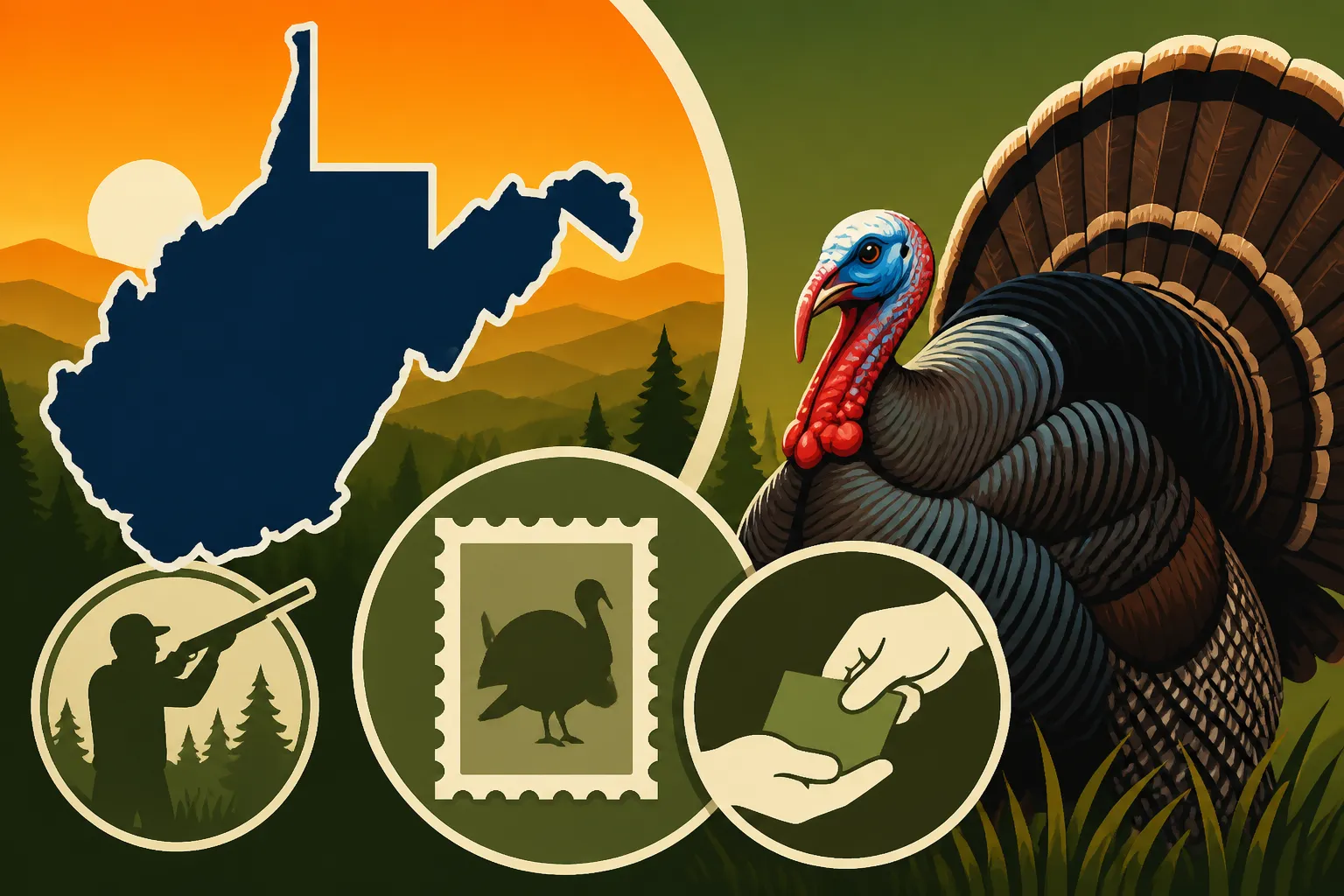
Before we dive into the numbers, let's talk about what this stamp actually is and why it's a non-negotiable part of your turkey hunting gear in the Mountain State. For nonresidents, the West Virginia turkey stamp isn't just an optional add-on; it's a specific legal requirement, much like your base hunting license or a migratory bird stamp if you were chasing waterfowl. It's essentially a special permit that grants you the legal right to pursue wild turkeys within West Virginia's borders.
The West Virginia Division of Natural Resources (WVDNR) uses funds generated from license and stamp sales directly for wildlife management and conservation efforts. When you purchase that turkey stamp, you're directly contributing to turkey habitat improvement, research, and law enforcement that ensures healthy turkey populations for future seasons. It’s a vital piece of the conservation puzzle, and it ensures that hunters, both resident and nonresident, are contributing to the resource they enjoy. Without this specific stamp, even if you have a valid general hunting license, you are not legally permitted to hunt turkey in West Virginia. This is often a point of confusion for new nonresident hunters, who might assume their base hunting license covers all game species. It doesn't, especially for specific species like turkeys and bears.
Breaking Down the Cost: What Nonresidents Actually Pay
Alright, let's get to the brass tacks – the actual cost. For a nonresident to legally hunt turkey in West Virginia, you can't just buy the turkey stamp alone. It's part of a package of required licenses and stamps that all nonresidents need. Think of it like building blocks; each piece adds to the foundation. As of the current regulations, a nonresident adult hunter typically needs three primary components to legally hunt turkey:
- Class E: Nonresident Hunting License: This is your general base hunting license, allowing you to hunt most small game and deer (with additional stamps). It's the foundation upon which everything else is built.
- Class CS: Conservation Stamp: This stamp supports broader conservation efforts across the state and is required for most hunting and fishing activities, for both residents and nonresidents.
- Class O: Nonresident Turkey Stamp: This is the specific stamp we're focusing on, granting you the privilege to hunt wild turkeys.
It's important to remember that these costs are subject to change, usually annually or biennially, based on WVDNR decisions and legislative action. Always check the most current regulations directly on the WVDNR website or through their official Go Wild West Virginia platform before making your purchase. However, for a general understanding, here's an approximate breakdown:
| License/Stamp Component | Approximate Nonresident Cost (as of 2024-2025 season) | Purpose |
|---|---|---|
| Class E: Nonresident Hunting License | $119.00 | Required for all general hunting activities by nonresidents. |
| Class CS: Conservation Stamp | $13.50 | Supports broad conservation efforts; required for most hunting and fishing. |
| Class O: Nonresident Turkey Stamp | $23.00 | Specific stamp required to legally hunt wild turkeys in West Virginia. |
| Total Approximate Cost | $155.50 | The combined minimum cost for an adult nonresident to hunt turkey in West Virginia. |
This total of approximately $155.50 covers the minimum legal requirements for an adult nonresident to hunt turkey. Keep in mind that youth hunters, usually those under 18, often have significantly reduced fees or different license structures entirely. If you're bringing a younger hunter, you'll want to specifically look into the West Virginia Youth Deer Weekend Rules, which often includes special provisions for various seasons, including turkey.
The total cost can feel a bit steep, especially when you factor in travel, lodging, and gear. However, many hunters view it as an investment in a high-quality hunting experience and the sustained health of West Virginia's robust turkey population. When you're standing in a quiet hollow, listening to a gobbler sound off just as the sun peeks over the ridge, that investment often feels well worth it.
Purchasing Your Nonresident Turkey Stamp and Other Licenses
Acquiring your West Virginia nonresident turkey stamp and accompanying licenses is thankfully a straightforward process, largely thanks to the WVDNR's online system. Gone are the days of having to find a local vendor and hope they have the right forms.
The primary method for purchasing licenses and stamps is through the official Buying a License on Go Wild West Virginia portal, which is the state's online licensing system. This platform is user-friendly and allows you to purchase everything you need from the comfort of your home. You'll need to create an account, which typically involves providing personal information like your name, address, and date of birth. Once your account is set up, you can easily browse and select the necessary licenses and stamps. Make sure to choose the correct nonresident options!
When using the online system, be methodical. Select the Class E Nonresident Hunting License first, then add the Class CS Conservation Stamp, and finally, the Class O Nonresident Turkey Stamp. The system will guide you through the process, calculating the total and allowing you to pay securely with a credit card. Once purchased, you'll usually receive an email confirmation with a printable copy of your licenses. While carrying a physical printout is always a good idea, you can often carry proof of your license on your phone, though it's wise to double-check specific regulations on this for the current season.
Beyond the online portal, you can also purchase licenses and stamps from authorized license agents across the state. These are typically sporting goods stores, bait shops, and some general stores. While convenient if you're already in the state, purchasing online before you leave home often saves time and ensures you have everything in order before you even hit the road. When planning your trip, consider using mapping and scouting tools like GoHunt, which can help you identify potential hunting areas and often include features to check local regulations or locate license vendors. It's all about making your trip as smooth as possible.
Important Considerations for Nonresident Turkey Hunters
Beyond the cost and purchase method, there are a few other critical aspects nonresidents should be aware of when planning their West Virginia turkey hunt. These details can significantly impact your hunting experience and legal standing.
Season Dates and Bag Limits
Always, and I mean always, verify the current West Virginia Spring Turkey Season Rules for the year you plan to hunt. Season dates can shift slightly, and bag limits are strictly enforced. West Virginia typically has a generous spring season, but knowing the exact opening and closing dates, as well as the legal hunting hours (e.g., West Virginia Spring Turkey Hunting Hours), is paramount. The West Virginia Spring Turkey Bag Limit is generally two bearded birds, but there can be specific weekly or daily limits, or county-specific rules. Don't rely on information from previous years or other states; check the official WVDNR regulations.
Hunter Education Requirements
If you were born on or after January 1, 1975, West Virginia requires you to complete a hunter education course. This is a common rule across many states and is designed to promote safety and ethical hunting practices. You'll need to provide proof of completion when purchasing your license. If you've taken a hunter education course in another state, it's generally recognized by West Virginia, but carrying your certification card is a good idea. For those new to hunting or who haven't met this requirement, the WVDNR offers courses, including online options, which is a great way to brush up on safety and learn about the local regulations. You can find more information under West Virginia Hunter Education Requirements.
General Hunting Etiquette and Public Land Access
West Virginia offers a fantastic amount of public hunting land, from expansive tracts within the Monongahela National Forest to numerous Wildlife Management Areas (WMAs). However, these areas are often popular, especially during peak seasons. Be prepared for company and always practice good hunter etiquette. This includes being respectful of other hunters, understanding sound travel in the mountains (your locator calls might carry further than you think!), and properly using calls (e.g., Calling a West Virginia Gobbler Off the Roost vs. Roost Hunting West Virginia Gobblers). Many public lands, particularly WMAs, might require a special WMA access permit, which may or may not be included in your general license. Check ahead!
Also, understanding the nuances of public land can be a game-changer. Learning to Reading a Ridge for Eastern Panhandle Deer or understanding Scouting West Virginia Public Land Before Season can apply just as much to turkey hunting, helping you find those less-pressured areas. If you plan to hunt close to field edges or near private property, ensure you know the West Virginia Posted Land Rules and are fully aware of your boundaries. A tool like GoHunt can be invaluable for pinpointing property lines.
What About Youth Hunters?
West Virginia strongly supports youth hunting, and there are often special opportunities like the West Virginia Youth Turkey Weekend Dates. These weekends allow young hunters (usually under 18) to hunt prior to the general opener, often with reduced license fees and specific mentor requirements. If you're a nonresident planning to bring a youth hunter, confirm the specific age limits, license requirements, and rules for supervised hunting. This is a wonderful way to introduce the next generation to the outdoors, and West Virginia makes it relatively accessible.
Final Thoughts on Your West Virginia Turkey Adventure
Chasing wild turkeys in West Virginia is an experience like no other. The rugged beauty of the mountains, the challenge of locating and calling in a wary gobbler, and the sheer thrill of a booming gobble echoing through the timber make it truly special. While the West Virginia nonresident turkey stamp cost and the other associated license fees might seem like a hurdle, it's a necessary investment that supports the very resource you're pursuing.
By understanding the requirements, purchasing your licenses through the official channels, and staying informed about current regulations and hunting methods (like Setting Up Against a Big Oak or considering Turkey Tactics for Eastern Panhandle Field Edges), you'll be well on your way to a successful and memorable hunt. Embrace the preparation, enjoy the journey, and good luck out there in the West Virginia woods!
Disclaimer
The information provided in this guide is for general informational purposes only and is subject to change. Hunting regulations, license costs, and season dates are determined by the West Virginia Division of Natural Resources (WVDNR) and can be modified at any time. Hunters are solely responsible for verifying and complying with all current state and federal hunting laws and regulations before engaging in any hunting activities. Always consult the official WVDNR website or the latest hunting regulations handbook for the most accurate and up-to-date information.