Why Four Counties Gained a New Bear Season
It can be quite a surprise, and sometimes even a little unsettling, when you hear about new hunting seasons being implemented in areas where they weren't before. For many of us who follow West Virginia's wildlife management closely, the decision to add a new bear season in certain counties definitely raised some eyebrows and spurred conversations around campfires. This guide aims to pull back the curtain and explain the 'why' behind these changes, specifically focusing on the four counties that recently gained a new bear season and what it means for both wildlife and hunters.
Understanding West Virginia's Bear Management Philosophy
Before we dive into the specifics of these new seasons, it’s really important to grasp how the West Virginia Division of Natural Resources (WVDNR) approaches bear management in our beautiful state. It's not just about randomly picking dates; it's a careful, data-driven process designed to balance a healthy bear population with human safety and property concerns. For a long time, black bears were primarily found in the rugged, forested mountains of the eastern and southern parts of the state. These were the traditional strongholds, and the hunting seasons reflected that distribution.
The WVDNR's primary goal is to maintain a robust, self-sustaining bear population while minimizing human-bear conflicts. They do this through a combination of research, monitoring, and regulated hunting seasons. Hunting isn't just a recreational activity; it's a crucial tool in wildlife management. By regulating harvest through specific seasons, bag limits, and weapon restrictions, the WVDNR can influence population growth, age structure, and even geographic distribution. They rely heavily on data from harvest reports, nuisance complaints, and even scientific studies to make these decisions.
You might wonder how they track all this. Well, every bear harvested in West Virginia, much like deer and turkey, must be checked in, either online through the Go Wild West Virginia portal or at a designated station. This provides vital data points on location, sex, and weight, allowing biologists to paint a clearer picture of the statewide bear population estimate and track its trends. Without this information, managing such a dynamic species would be nearly impossible. This continuous monitoring ensures that adjustments, like the new seasons we're discussing, are made based on scientific evidence, not just guesswork.
The Specifics: Which Counties Gained a New Bear Season
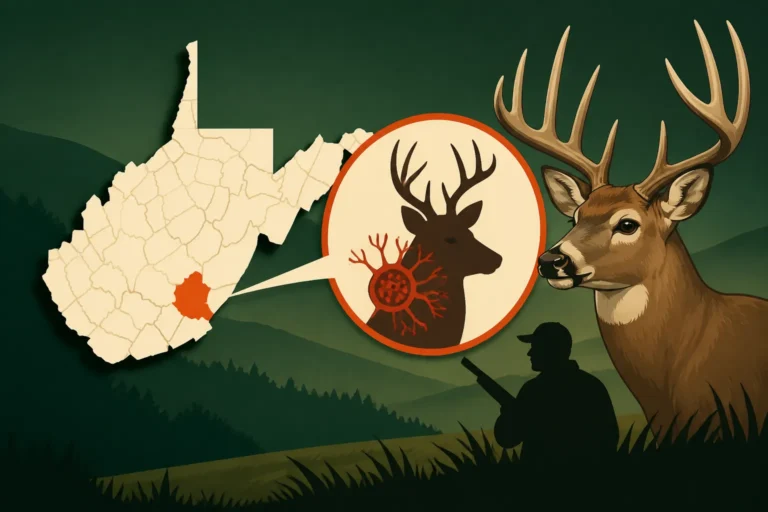
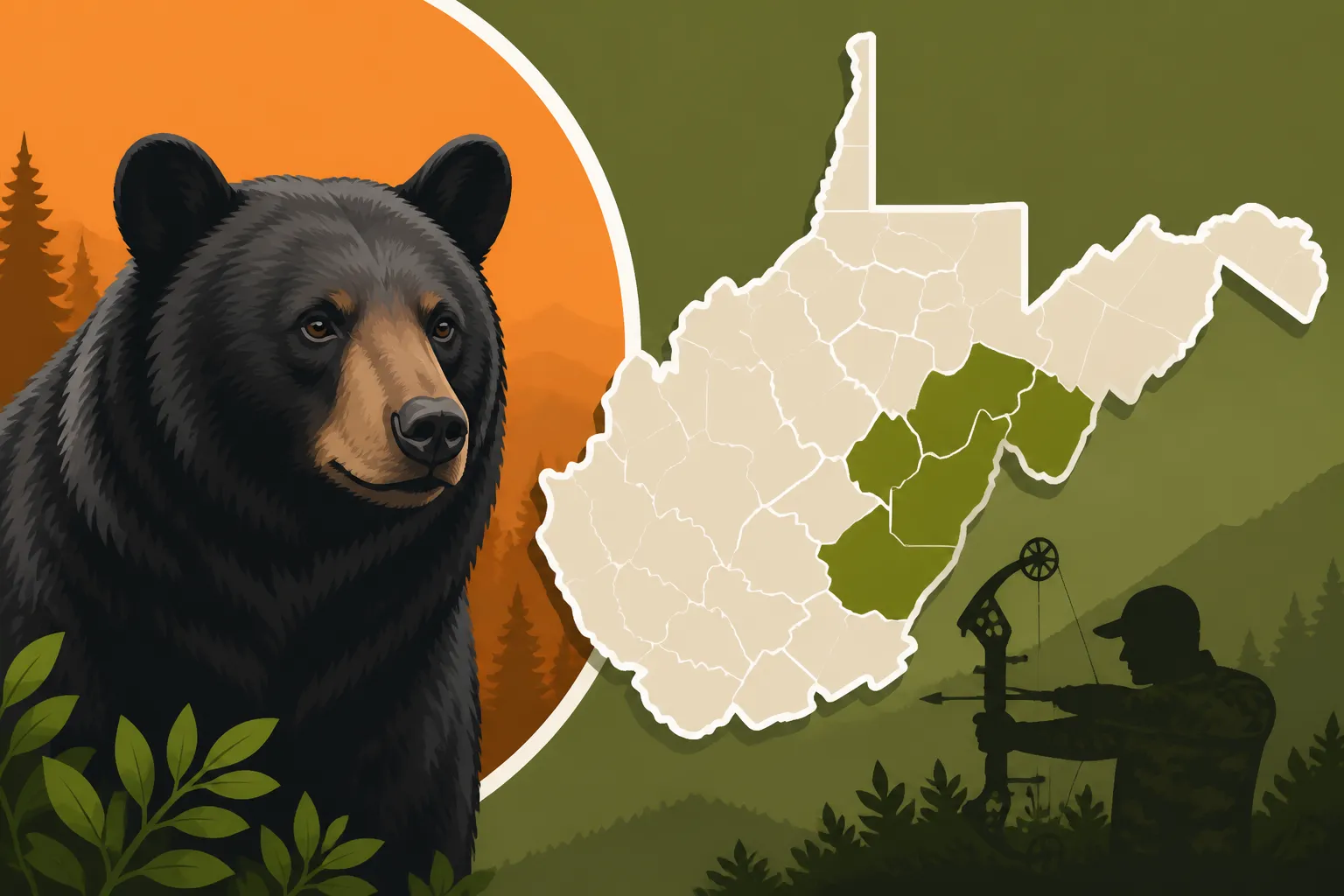
So, let's talk about the specific areas that have seen these significant changes. Recently, Cabell, Putnam, Wayne, and Lincoln counties have been added to the list of areas with expanded or new bear hunting opportunities. Now, if you're familiar with West Virginia's geography, you'll immediately notice these aren't the high-elevation, vast wilderness tracts of the Monongahela National Forest. These are primarily located in the southwestern part of the state, closer to more populated areas and active farmlands.
Historically, while bears might occasionally wander through these counties, they weren't considered primary bear habitat with established breeding populations. That perception has definitively changed. For example, in the past, a bear sighting in Cabell County might have been a headline event, but now, it’s becoming increasingly common. The new seasons in these counties typically run during specific periods, often aligning with early fall archery or late fall firearms seasons, depending on the county's specific management needs. It's not a blanket year-round free-for-all; these are carefully defined windows designed to target specific segments of the population or reduce conflicts during peak activity times. For precise dates and regulations, hunters always need to check the current West Virginia Bear Season Rules published by the WVDNR, as these can change from year to year.
It’s crucial to understand that these new seasons aren't necessarily as expansive or long as those in traditional bear country. They might be shorter, archery-only windows or specific firearm opportunities designed to allow a limited harvest. This staggered approach is a testament to the WVDNR's careful management, easing into increased opportunities as populations solidify in new areas, rather than over-harvesting.
Here's a simplified look at how these new opportunities might compare:
| County Type | Traditional Bear Counties (e.g., Randolph, Pocahontas) | Newer Expansion Counties (Cabell, Putnam, Wayne, Lincoln) |
|---|---|---|
| Typical Season Length | Often long, multi-segment seasons (fall archery, gun, muzzleloader) | Shorter, more targeted seasons (e.g., specific archery weeks, limited gun) |
| Weapon Types | Archery, muzzleloader, firearms | Primarily archery, with some limited firearm opportunities |
| Historical Bear Density | High, established populations | Historically low, now rapidly increasing and establishing |
| Hunter Opportunity | Extensive and diverse | Growing, but more focused and less traditional |
| Management Focus | Sustaining population, managing density | Managing expansion, mitigating human-bear conflicts |
This table helps illustrate the difference in management strategies between areas where bears have always been prevalent and these newer territories where their presence is a more recent, and growing, phenomenon.
Reasons Behind the Expansion: Population Growth and Distribution
The core reason these four counties, along with others in the region, gained a new bear season is undeniably linked to the incredible success story of West Virginia's black bear comeback. It wasn't that long ago that bear populations were struggling in the state. Thanks to sound management practices, protective measures, and ample habitat, the bears have not only rebounded but are now thriving and expanding their range into areas they haven't occupied in significant numbers for a century or more.
- Explosive Population Growth: The most significant factor is simply more bears. The bear population in West Virginia has seen consistent growth over the last few decades, reaching estimates well over 10,000 animals today. This impressive increase means that the prime mountain habitats are becoming saturated, leading younger, dispersing bears to seek out new territories. You can see this reflected in the growing numbers for the West Virginia Bear Harvest Trends reported by the WVDNR. These bears don't respect county lines or traditional maps; they follow food sources, suitable cover, and the instinct to find their own space.
- Range Expansion into New Territory: As traditional habitats fill up, bears naturally push into adjacent areas. This has led to an observable shift, with bears now being regularly sighted in counties like Cabell, Putnam, Wayne, and Lincoln. These areas, while not as rugged, still offer decent forest cover, especially along river bottoms and steep hollows, along with abundant food sources like acorns, berries, and even agricultural crops. This expansion means that while these weren't historically "bear counties," they certainly are now.
- Increasing Human-Bear Conflicts: More bears in new areas, especially those closer to human development, inevitably lead to more conflicts. This is a critical driver for new hunting seasons. When bears start consistently getting into garbage, raiding bird feeders, damaging crops, or even entering residential areas, it creates a public safety concern and financial losses for landowners. The WVDNR tracks these nuisance bear reporting rules, and a rise in complaints in these specific counties is a clear signal that the population is expanding beyond what the landscape can comfortably support without human intervention. Hunting is the most effective and economically viable tool for mitigating these conflicts by managing population numbers and reducing the likelihood of bears becoming habituated to human food sources.
- Scientific Data and Monitoring: The WVDNR doesn't just guess. They conduct rigorous population modeling, analyze harvest data, and respond to citizen reports. The decision to implement new seasons in these counties is a direct result of this ongoing monitoring, which showed a clear increase in bear numbers and activity. Wildlife biologists use tools like population density by West Virginia region to identify where populations are robust enough to sustain additional harvest pressure, and where management actions are most needed to prevent overpopulation. For instance, you can use a resource like GoHunt's mapping tools to visualize these population changes over time, helping to understand the WVDNR's rationale.
Impact on Hunters and Local Communities
The introduction of new bear seasons in counties like Cabell, Putnam, Wayne, and Lincoln has a multifaceted impact, affecting both hunters and the broader local communities. It's a change that brings both opportunities and new considerations.
- New Hunting Opportunities: For hunters, these new seasons are a welcome development. It provides additional tags and chances to pursue black bears, especially for those who live in these areas and previously had to travel significant distances to traditional bear strongholds. This opens up local hunting spots and potentially reduces pressure on the more popular, heavily hunted public lands further east. Hunters in these counties now have a chance to experience the thrill of hunting one of West Virginia's most challenging game animals closer to home, contributing to the state's liberal bear season rules. However, it also means learning how to hunt bears in less traditional terrain, which might involve different tactics than those used in the deep mountains.
- Challenges and Adaptation for Hunters: Hunting bears in these "new" areas presents its own unique set of challenges. The terrain might be less remote, with more fragmented cover, smaller woodlots, and closer proximity to human residences. This requires heightened awareness of property lines, careful shot selection, and being mindful of non-hunting public land users. Hunters need to be especially diligent in understanding West Virginia Blaze Orange Requirements, even during archery season if firearms are also in the woods for other species. Finding quality public land access can be tricky, although areas like the McClintic Wildlife Management Area, though not in these specific four counties, exemplify smaller WMAs that might host bears as populations expand. Hunters might need to adapt their scouting and hunting strategies, perhaps focusing more on transition zones between timber and agriculture, or targeting acorn flats in smaller, isolated blocks of woods.
- Mitigating Human-Bear Conflicts for Communities: For residents, these new seasons are a direct response to a very real problem: increasing human-bear encounters. More bears means more potential for property damage, livestock depredation, and general nuisance issues. By allowing a regulated harvest, the WVDNR aims to slow population growth and reduce the number of bears that become habituated to human food sources, ultimately leading to a decrease in conflicts. This can bring a sense of relief to farmers dealing with crop damage or homeowners concerned about bears in their backyards.
- Economic Impact and Local Engagement: While perhaps not as dramatic as in traditional hunting destinations, new hunting opportunities can bring a small economic boost to local communities. Hunters spend money on licenses, gear, fuel, food, and lodging. This injection of capital, even if modest, supports local businesses. Furthermore, it fosters a greater understanding and appreciation of wildlife management within these communities. When people see a direct, beneficial outcome from hunting, they are often more inclined to support conservation efforts and understand the importance of balanced wildlife populations.
- Ongoing Management: It's important to remember that these new seasons aren't a one-and-done solution. The WVDNR will continue to monitor bear populations and human-bear conflict data in Cabell, Putnam, Wayne, and Lincoln counties. Future adjustments to season dates, bag limits, or weapon restrictions are always possible as the situation evolves. Hunters should always consult the latest regulations, which can often be found through services like GoHunt or directly on the WVDNR website, before heading afield.
Ultimately, the decision to expand bear seasons into these four counties is a testament to the success of conservation efforts and the dynamic nature of wildlife populations. It's an adaptive management strategy designed to keep both bears and people safe and thriving in the Mountain State.
Disclaimer
The information provided in this guide is for general informational purposes only and does not constitute legal advice or an exhaustive list of all hunting regulations. Hunting laws and regulations in West Virginia are subject to change. Always consult the official West Virginia Division of Natural Resources (WVDNR) hunting regulations pamphlet or their official website for the most current and accurate information before planning any hunting trip. It is the hunter's responsibility to know and obey all applicable laws.